
Strengthening Bilateral Ties: US and India Delve into the Future of the Gem & Jewellery Trade at GJEPC Meeting
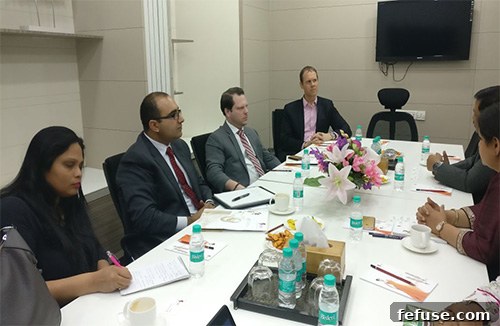
A high-level delegation from the United States, comprising esteemed officials from both the US Embassy in Delhi and the US Consulate in Mumbai, recently convened at the Mumbai headquarters of the Gem & Jewellery Export Promotion Council (GJEPC). This pivotal meeting served as a crucial platform for extensive discussions with the GJEPC Secretariat, addressing a broad spectrum of issues vital to the thriving bilateral trade relationship in the gem and jewellery sector. The dialogue underscored a mutual commitment to fostering transparency, growth, and ethical practices within this economically significant industry.
Charting the Landscape: India’s Dominance in the Global Gem & Jewellery Sector
The meeting commenced with a comprehensive presentation delivered by Mr. Sabyasachi Ray, the Executive Director of GJEPC. His insightful overview illuminated the intricate landscape of the Indian gem and jewellery industry, highlighting its strategic importance on a global scale. Mr. Ray meticulously detailed the unique characteristics and contributions of India’s key industry centers. Mumbai, often referred to as the “Diamond City,” was spotlighted for its role as a major trading hub and financial center for diamonds. Surat, the undisputed global powerhouse for diamond cutting and polishing, received particular emphasis, showcasing its unparalleled capacity and technological prowess in transforming rough diamonds into exquisite finished gems. Jaipur, renowned worldwide for its vibrant colored gemstones and intricate jewellery craftsmanship, illustrated India’s diverse capabilities beyond diamonds. Furthermore, the presentation shed light on the SEEPZ (Santacruz Electronics Export Processing Zone) in Mumbai, a dedicated hub that facilitates export-oriented manufacturing and innovation within the sector.
Mr. Ray further elaborated on the robust export ties between India and the United States, positioning the US as a paramount market for Indian gem and jewellery products. He underscored India’s pivotal and indispensable role in the global diamond industry, not merely as a processing hub but as a major force shaping market dynamics, supply chains, and technological advancements. This segment of the discussion served to reinforce India’s status as a reliable and dominant player, integral to the international supply chain of precious stones and metals.
An important facet of Mr. Ray’s presentation also touched upon demonetization, a significant economic policy initiative undertaken by the Indian government. He articulated the government’s perspective that demonetization was a strategic move aimed at curbing illicit financial activities, specifically targeting money laundering and its potential links to terrorist funding. This aspect highlighted India’s proactive stance in enhancing financial transparency and combating illegal transactions that could undermine global security and economic stability.
Pioneering Transparency: GJEPC’s Initiatives and Advocacy
Mr. Ray also took the opportunity to detail the multifaceted activities and strategic role of the GJEPC. As the apex body for the gem and jewellery industry in India, GJEPC is instrumental in promoting exports, fostering industry growth, addressing regulatory challenges, and ensuring the sector’s ethical conduct. Its mission encompasses everything from policy advocacy and market research to skill development and trade promotion.
Introducing MyKYC Bank: A Paradigm Shift in Due Diligence
A significant portion of the discussion was dedicated to GJEPC’s latest groundbreaking initiative: MyKYC Bank. Mr. Ray provided a thorough outline of this platform, emphasizing its profound advantages for the industry. MyKYC Bank is designed as a centralized digital platform for Know Your Customer (KYC) documentation, aiming to streamline the due diligence process for businesses operating within the gem and jewellery supply chain. By creating a secure and standardized repository for verified client information, it significantly enhances transparency, reduces administrative burdens, and mitigates risks associated with illicit financial flows. This initiative is a testament to GJEPC’s commitment to promoting responsible business practices and ensuring the integrity of the Indian gem and jewellery trade, aligning it with global standards of anti-money laundering (AML) and counter-terrorist financing (CTF).
Facilitating International Trade: The Importance of Visa Assistance
In a move to further strengthen international trade linkages, Mr. Ray formally requested the US officials to extend vital visa assistance to Indian exhibitors participating in the upcoming JCK show. The JCK show, held annually in Las Vegas, is one of the world’s premier jewellery trade events, offering unparalleled opportunities for Indian manufacturers and exporters to showcase their products, forge international partnerships, and penetrate new markets. Facilitating smoother visa processes for these exhibitors is crucial for ensuring India’s strong representation at such global platforms, thereby contributing significantly to bilateral trade volumes and fostering greater cultural and economic exchange.
Addressing Contemporary Challenges: Perspectives from US Officials
The US delegation actively engaged in the discussions, raising pertinent questions and sharing their perspectives on several critical issues impacting the global gem and jewellery trade. Their inquiries reflected a keen interest in understanding the intricacies of the Indian market and ensuring alignment with international best practices and regulatory frameworks.
Understanding the Ripple Effects of Demonetization
One of the key topics revisited by the US officials was the comprehensive impact of demonetization on the Indian economy and specifically on the gem and jewellery sector. While GJEPC highlighted its role in curbing illicit funding, the US side sought to understand the broader economic ramifications, including any initial disruptions to trade, consumer behavior shifts, and the long-term effects on formalization within the industry. This discussion aimed to gain a holistic view of the policy’s consequences and its implications for foreign trade and investment.
Safeguarding Market Integrity: The Challenge of Lab-Grown Diamonds
A particularly sensitive and critical issue brought forth by the US officials was the concern surrounding the illegal or undisclosed mixing of lab-grown diamonds (LGDs) with natural diamonds. This practice poses a significant threat to market integrity, consumer confidence, and fair trade. Undisclosed mixing can deceive consumers, distort pricing, and undermine the inherent value proposition of natural diamonds. The discussion emphasized the need for robust detection mechanisms, transparent disclosure practices, and stringent regulations to ensure that consumers are fully aware of the product they are purchasing, thereby maintaining trust and preventing market erosion.
Ethical Sourcing: The Imperative of Conflict Minerals Policy
The US officials also focused on the policy pertaining to conflict minerals, with a particular emphasis on gold. The global industry is increasingly scrutinized for its sourcing practices, and the imperative for ethical and responsible supply chains is paramount. Discussions centered on measures to prevent the financing of conflict through the trade of gold, adherence to international guidelines such as the Dodd-Frank Act (in the US context), and the importance of due diligence frameworks to ensure that minerals are sourced from conflict-free zones. This reflects a shared commitment to human rights, sustainable development, and responsible corporate citizenship within the global mineral supply chain.
Ensuring Quality and Value: Diamond Industry Norms
Finally, the general value addition norms for the diamond industry were also a subject of discussion. This encompassed topics related to quality standards, craftsmanship, innovation in cutting and polishing, and the overall enhancement of value throughout the diamond manufacturing process. Maintaining high standards of value addition is crucial for the industry’s competitiveness, reputation, and the ability to command premium prices in international markets.
Paving the Way for Clarity: The Call for Separate HS Codes for Lab-Grown Diamonds
In a significant request aimed at enhancing trade transparency and statistical accuracy, the GJEPC urged the United States to consider the possibility of identifying separate 8 or 10-digit IT HS Codes under the existing 7104 category for lab-grown diamonds. Harmonized System (HS) codes are an internationally standardized system of names and numbers for classifying traded products. Accurate classification is vital for customs duties, trade statistics, and regulatory compliance.
Why Separate HS Codes are Crucial
The distinction between natural and lab-grown diamonds is increasingly important for market differentiation, consumer clarity, and fair trade practices. While LGDs share chemical and physical properties with natural diamonds, their origin and value propositions are distinct. Separate HS codes would enable more precise tracking of trade volumes, allow for tailored policy interventions, and prevent any ambiguity in trade reporting. GJEPC highlighted that both China and India have already implemented such separate classifications, setting a precedent and demonstrating the feasibility and necessity of this measure. Adopting separate codes would facilitate better market analysis, support the growth of both natural and lab-grown diamond sectors transparently, and ultimately benefit all stakeholders in the global gem and jewellery supply chain, including consumers, producers, and regulators.
A Collaborative Engagement: The Delegations
The US team present at this crucial meeting included Mr. James Henderson, Second Secretary at the U.S. Embassy, New Delhi; Mr. Firend Zora, Economic Officer, U.S. Consulate Mumbai; Mr. David Moo, Economic Officer, U.S. Consulate Mumbai; and Ms. Trisha Chilimbi, Economic Specialist, U.S. Consulate Mumbai. Their presence underscored the importance the US government places on this sector and its bilateral relationship with India.
Representing the Council were Mr. Sabyasachi Ray, Executive Director; Ms. Dolly Choudhary, Deputy Director; and Ms. Kavita Hebalkar, Deputy Director. The composition of both delegations reflected the high-level and detailed nature of the discussions, ensuring that perspectives from policy-making, economic analysis, and industry advocacy were comprehensively addressed.
Towards a Shared Vision: Sustaining Growth and Integrity
This productive exchange between US officials and the GJEPC Secretariat marks another milestone in the ongoing dialogue between India and the United States concerning the gem and jewellery industry. The discussions reinforced the mutual commitment to fostering a transparent, ethical, and thriving trade environment. From addressing market integrity challenges posed by lab-grown diamonds to promoting responsible sourcing of conflict minerals and streamlining trade through initiatives like MyKYC Bank, both nations are aligned in their pursuit of sustainable growth and upholding the highest standards of integrity. The proactive engagement on issues such as separate HS codes for LGDs and visa assistance for exhibitors further illustrates a forward-looking approach to enhancing bilateral trade and collaboration. As key players in the global gem and jewellery landscape, India and the US are poised to continue working hand-in-hand, ensuring the long-term prosperity and reputation of this vital industry.
News Source: gjepc.org