
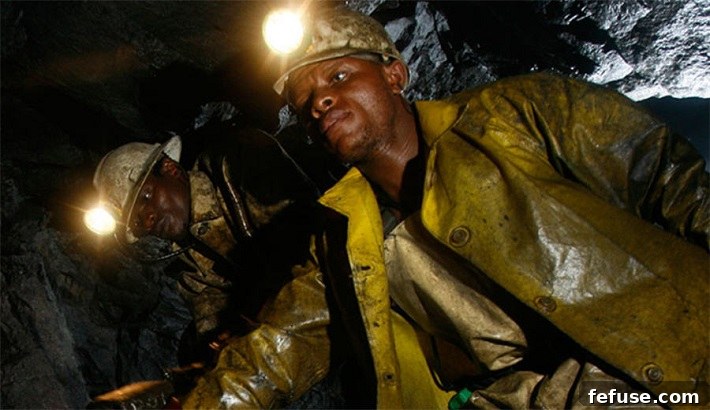
A Tragic Toll: Over 20 Miners Feared Dead in Zimbabwe Mine Flood Disaster
Zimbabwe is grappling with a profound tragedy as at least 23 illegal miners are feared to have perished after being trapped underground. The devastating incident occurred when shafts and tunnels they were working in were engulfed by a torrent of water from a burst dam. The state-owned daily newspaper reported on Thursday that the chances of rescuing any survivors are extremely slim, casting a somber mood over the nation and once again highlighting the perilous realities of informal mining.
The Catastrophe Unfolds: A Burst Dam and Submerged Tunnels
The heart-wrenching disaster struck in Battlefields, an area situated approximately 175 kilometers west of the capital city, Harare. On Tuesday night, a group of illegal miners had ventured into a labyrinth of shafts and underground tunnels on land owned by RioZim, a prominent mining firm, and another unnamed company. Their desperate quest for gold, a precious metal that offers a glimmer of hope in a challenging economic landscape, quickly turned into a fight for survival. Nearby, a dam wall suddenly collapsed, unleashing a massive surge of water that rapidly inundated the mining sites. The sheer force and volume of the water left the miners with little to no chance of escape, trapping them deep within the earth.
The shafts and tunnels used by these informal miners are notoriously rudimentary, often dug without proper engineering assessments or safety protocols. Lacking robust support structures, adequate ventilation, or emergency exits, these underground networks become death traps when confronted with unforeseen events like a burst dam. The rapid influx of water would have swiftly filled the confined spaces, cutting off oxygen and escape routes, leaving those inside vulnerable and exposed to an unimaginable fate. The incident underscores the extreme risks inherent in such unregulated mining operations, where the pursuit of a livelihood often comes at the ultimate cost.
The Grim Search: Rescue Efforts Amidst Despair
As news of the catastrophe spread, local authorities and communities mobilised. Fortunate Muzulu, the administrator for the affected area, confirmed that the names of at least 23 individuals believed to be trapped had been identified. His candid assessment, quoted by The Herald, painted a bleak picture: “Chances of rescuing any survivors are very slim.” This stark declaration resonated deeply, confirming the worst fears of the families and friends who gathered anxiously at the site, clinging to fading hopes.
The rescue operation faces formidable challenges. The tunnels are submerged under vast quantities of water, making access incredibly difficult and dangerous. The ground around the site is unstable, posing risks to rescue teams. Lacking the specialized equipment required for such a complex disaster, government officials swiftly requested assistance from Zimplats, a major platinum miner operating in the region. Zimplats responded by offering larger pumps, which are crucial for draining the massive volume of water to facilitate the recovery of bodies. The focus has tragically shifted from rescue to retrieval, a somber acknowledgement of the high probability of fatalities. The arduous process of pumping water and navigating the treacherous underground conditions is expected to be lengthy, demanding immense effort and resources from all involved parties, including government agencies, local officials, and volunteers.
Zimbabwe’s Informal Gold Rush: A Dangerous Livelihood
This tragic incident casts a harsh spotlight on Zimbabwe’s widespread issue of illegal mining. For years, the southern African nation has grappled with thousands of individuals engaged in informal gold digging. These “makorokoza,” as they are locally known, operate covertly, often under the cloak of darkness, on farms, in riverbeds, and within abandoned mines. Their unregulated activities present significant challenges for the government, which has been striving to formalize and regulate this burgeoning sector.
The proliferation of illegal mining is deeply rooted in Zimbabwe’s severe economic hardships. Sky-high unemployment rates, persistent poverty, and rampant inflation have driven many citizens to desperate measures. With limited formal job opportunities, the allure of quick money from gold mining becomes an irresistible, albeit incredibly dangerous, proposition. These individuals, often lacking formal education or alternative skills, see informal mining as their only viable path to survival and economic sustenance for their families. Equipped with basic tools like picks, shovels, and rudimentary panning equipment, they brave hazardous conditions, risking their lives daily in the hope of striking it rich, or simply earning enough to feed their families.
The Paradox of Production: Illegal Mining’s Economic Footprint
Despite its illegal and dangerous nature, small-scale gold production, which includes the output from these informal miners, plays a surprisingly critical role in Zimbabwe’s national economy. Official data from the previous year reveals a striking paradox: small-scale producers accounted for nearly 60 percent of the record 33 tonnes of gold produced in the country. This significant contribution underscores the intricate dilemma faced by the Zimbabwean government. On one hand, the sector provides vital foreign exchange earnings and supports countless livelihoods; on the other, it operates largely outside the regulatory framework, leading to environmental degradation, social conflicts, and tragic loss of life, as evidenced by the Battlefields disaster.
The government finds itself in a precarious balancing act. While it acknowledges the dangers and illegality, the economic reality is that these informal miners are crucial contributors to the national gold output. Many channels exist, albeit informally, through which this gold eventually finds its way into the official economy, contributing to export figures. This intricate relationship between the formal and informal mining sectors highlights the need for comprehensive policies that not only enforce regulations but also provide viable, safer alternatives and pathways for formalization for those who rely on mining for their survival.
Calls for Regulation and Safety: Preventing Future Tragedies
The Battlefields tragedy serves as a stark reminder of the urgent need for enhanced regulation and improved safety standards within Zimbabwe’s mining sector. There are growing calls for stricter enforcement of existing laws, coupled with initiatives to create sustainable alternative livelihoods for those currently engaged in informal mining. The sheer scale of illegal operations across vast and remote areas presents a formidable challenge for authorities attempting to monitor and control these activities effectively.
A primary concern is the complete absence of safety protocols in most informal mining operations. Unlike regulated mines that adhere to strict health and safety guidelines, illegal shafts often lack proper structural integrity assessments, adequate ventilation systems, or emergency rescue plans. Miners often work without protective gear, basic training, or awareness of geological risks, making them extraordinarily vulnerable to accidents such as rockfalls, tunnel collapses, and floods. Landholders like RioZim, while not actively mining in the area of the disaster, also face the challenge of securing their vast properties from illegal incursions and often assist government efforts in rescue operations, highlighting a shared responsibility in mitigating these risks.
A Nation Mourns: Reflection on Human Cost and Policy Challenges
As Zimbabwe mourns the loss of these miners, the tragedy prompts a broader societal reflection on the human cost of economic desperation. Each life lost represents not just a statistic, but a family deprived of a breadwinner, a community deeply scarred, and a cycle of poverty perpetuated. The incident underscores the profound need for a humanitarian approach to the challenges of illegal mining, focusing on protecting vulnerable populations.
The ongoing national debate revolves around how to strike a delicate balance between leveraging the economic potential of gold, ensuring the safety of workers, and protecting the environment. This multi-faceted challenge requires a holistic approach, encompassing economic reforms, job creation, education, and robust policy implementation. The hope is that through these painful lessons, Zimbabwe can forge a safer, more equitable path forward for all its citizens involved in the critical mining sector, addressing the root causes that drive individuals to such perilous pursuits.
Conclusion: Remembering the Fallen and Forging a Safer Path Forward
The tragic loss of over 20 lives in the Battlefields mine flood disaster serves as a poignant and devastating reminder of the inherent dangers faced by thousands of illegal miners across Zimbabwe. While rescue efforts continue with a grim focus on body retrieval, the incident compels the nation to confront the deep-seated economic challenges that push individuals into such perilous livelihoods. The significant contribution of small-scale and informal mining to Zimbabwe’s gold production highlights a complex economic reality that demands urgent, comprehensive solutions. Moving forward, it is imperative for the government, private sector, and communities to collaborate on implementing robust safety regulations, exploring alternative economic opportunities, and formalizing the mining sector to prevent such heart-wrenching tragedies from recurring. Only through concerted efforts can Zimbabwe honor the memory of the fallen and pave the way for a safer, more sustainable future for its mining communities.