
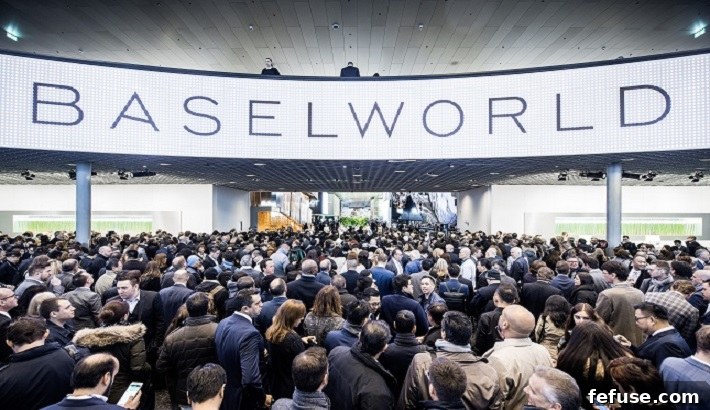
A New Era of Collaboration: SIHH and Baselworld Announce Coordinated Dates for 2020-2024
The global luxury watch industry is poised for a significant transformation as the organizers of its two most prominent tradeshows, the Salon International de la Haute Horlogerie (SIHH) and Baselworld, have reached a landmark agreement. For the first time in years, these pivotal events will align their schedules, coordinating their dates from 2020 through 2024. This strategic move marks a pivotal moment for watch enthusiasts, industry professionals, and the entire high horology sector, promising enhanced efficiency and a more unified experience.
The decision to consolidate schedules stems from a shared understanding of the evolving landscape of the watch market and the persistent logistical challenges faced by exhibitors, buyers, and international media. This coordinated approach is designed to streamline operations, reduce costs, and maximize the impact of both highly anticipated exhibitions.
The Strategic Alignment: What the New Schedule Entails
Under the new agreement, the two titans of watchmaking will run consecutively, allowing attendees to visit both shows during a single trip to Switzerland. The details for 2020 set the precedent for this new era:
- SIHH (Geneva): April 26 to April 29, 2020
- Baselworld (Basel): April 30 to May 5, 2020
This sequential scheduling means that SIHH, traditionally held in Geneva, will seamlessly transition into Baselworld in Basel, facilitating an unparalleled week of watch discovery and business networking. This represents a significant departure from recent years, where the two shows were often separated by several months, creating considerable strain for all involved parties.
For context, the 2019 schedule saw SIHH held from January 14 to 17, while Baselworld took place much later, from March 21 to 26. This substantial gap meant that watch brands, retailers, journalists, and other stakeholders often had to undertake two separate and costly trips to Switzerland within a short period, an arrangement that was increasingly deemed unsustainable by many.
Unlocking Unprecedented Benefits for the Global Watch Industry
The return to a back-to-back format addresses a chorus of calls from across the watch world for greater synergy and practicality. The benefits of this coordinated approach are multifaceted and extend to every segment of the industry:
Streamlined Logistics and Reduced Operational Costs
Perhaps the most immediate and tangible advantage of the new schedule is the dramatic simplification of travel arrangements. International visitors, including brand representatives, journalists, and buyers, will no longer be required to plan and execute two separate journeys to Switzerland. This consolidation translates directly into:
- Significant Cost Savings: Reduced expenditure on flights, accommodation, ground transportation, and per diems for extended stays.
- Enhanced Efficiency: Maximizing the time spent on business activities rather than travel, reducing time away from core operations for participating companies.
- Easier Planning: Streamlined scheduling for marketing teams, press agencies, and retail buyers who previously grappled with complex logistics to cover both events adequately.
For watch companies themselves, the cost of participation in these major tradeshows is substantial. Any measure that helps alleviate the associated logistical and financial burdens is a welcome development, potentially encouraging broader participation and ensuring the long-term viability of these critical platforms.
Enhanced Engagement, Media Coverage, and Business Opportunities
Beyond the logistical advantages, the coordinated dates are set to invigorate the overall experience for attendees and amplify the industry’s global reach:
- Comprehensive Press Coverage: Journalists and media outlets will have a far easier time covering both events thoroughly. This ensures more cohesive storytelling about new collections, industry trends, and innovations, providing a complete picture of the year’s horological developments to a global audience.
- Improved Buyer Experience: Retailers and distributors can efficiently evaluate new collections from a broader spectrum of brands in one concentrated period. This facilitates more informed purchasing decisions and stronger business relationships, ultimately benefiting consumers worldwide.
- Optimized Networking: Professionals from all corners of the watch world—from designers and manufacturers to marketers and sales executives—will be present in Switzerland during a unified window. This density of talent and expertise fosters unparalleled networking opportunities, collaborations, and knowledge exchange.
- Stronger Industry Presence: Presenting a united front strengthens the perception of the Swiss watch industry as a cohesive, forward-thinking entity, capable of adapting to market demands and prioritizing the needs of its stakeholders.
A Glimpse into the History and Evolution of Watch Tradeshows
The relationship between SIHH and Baselworld has always been unique, characterized by both competition and complementarity. Baselworld, with its roots tracing back to 1917, is the older and traditionally larger exhibition, showcasing a vast array of brands from accessible luxury to independent artisans. SIHH, founded in 1991 by the Richemont Group, began as a more exclusive, invite-only event dedicated to haute horlogerie and the finest luxury brands.
For many years, the two shows ran consecutively, a testament to an unspoken understanding within the industry. However, shifts in brand strategies, evolving market dynamics, and increasing operational costs led to the divergence of their schedules. This separation, while perhaps intended to allow each show its distinct identity, inadvertently created significant operational hurdles and discontent among participants.
The recent exodus of several high-profile brands from Baselworld, alongside persistent feedback from exhibitors and attendees regarding the inconveniences of the fragmented schedule, put immense pressure on both organizations to reconsider their approach. This agreement signifies a mature and pragmatic response to these challenges, prioritizing collective industry welfare over individual competitive advantage.
The Future of High Horology Exhibitions: What Lies Ahead
This coordinated scheduling represents more than just a logistical fix; it’s a statement about the resilience and adaptability of the luxury watch industry. By working together, SIHH and Baselworld are reinforcing Switzerland’s undeniable position as the epicenter of global watchmaking and ensuring these critical platforms remain vibrant and relevant in a rapidly changing world.
Looking ahead, this alignment could pave the way for further collaborations, potentially leading to shared initiatives in digital engagement, sustainability, or talent development. It also sends a clear message to other luxury sectors that strategic cooperation can be a powerful tool for overcoming industry-wide challenges and fostering sustained growth.
The industry is constantly evolving, with new brands emerging and consumer preferences shifting. By establishing a stable and efficient exhibition calendar, both SIHH and Baselworld are better positioned to innovate their offerings, attract new generations of enthusiasts, and continue their essential role in showcasing the pinnacle of horological artistry and engineering.
Conclusion: A Unified Front for the Watch World
The agreement between SIHH and Baselworld to coordinate their exhibition dates from 2020 to 2024 is a monumental step forward for the watch industry. It reflects a commitment to enhancing efficiency, reducing burdens, and fostering a more cohesive and impactful global showcase for high horology. This collaborative spirit promises a brighter, more integrated future for watch brands, buyers, media, and enthusiasts worldwide, reaffirming the enduring appeal and dynamism of Swiss watchmaking.