
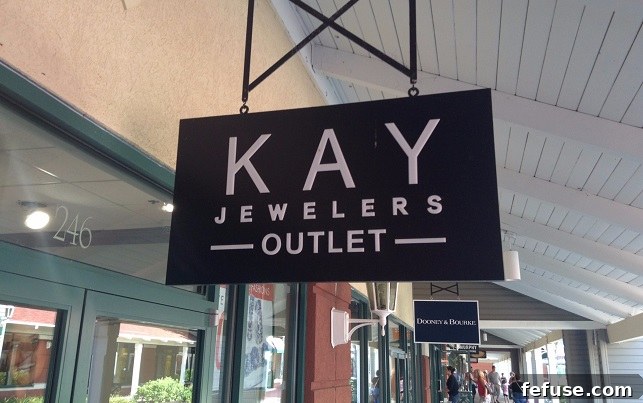
Signet Jewelers, the world’s largest retailer of diamond jewelry, found itself at a critical juncture in early 2020. Despite reporting an improved performance for the final quarter of 2020, the company was simultaneously making strategic moves to brace for the profound economic uncertainty triggered by the burgeoning global coronavirus pandemic. A key decision highlighting this proactive stance was the securing of a substantial $900 million in additional borrowing, signaling the company’s commitment to fortifying its financial position against unprecedented market volatility.
This period of dual realities—celebrating past successes while preparing for a challenging future—underscored the unique pressures faced by global retail giants. Signet, with an expansive portfolio of well-known brands including Kay Jewelers, Zales, Jared, James Allen, Peoples, and Piercing Pagoda, had just concluded a strong holiday season. Yet, the rapid escalation of the COVID-19 crisis necessitated swift and decisive action, leading to the temporary closure of all its approximately 3,200 stores worldwide, a dramatic step reflecting the severity of the unfolding situation and the need to prioritize public health and safety.
A Strong Finish to Fiscal 2020: Performance Highlights Before the Pandemic
Before the full force of the pandemic reshaped the retail landscape, Signet Jewelers had demonstrated robust performance indicators for the fourth quarter of fiscal year 2020. The company reported a commendable 2.3 percent growth in overall same-store sales. This positive momentum was even more pronounced within its crucial North American market, where same-store sales saw an increase of 2.9 percent across nearly all its regional outlets—all but 450 stores. This strong showing reflected effective merchandising strategies, successful marketing campaigns, and a resilient consumer base prior to the global health crisis.
Financially, Signet Jewelers Ltd. recorded revenues of $2.15 billion for the fourth quarter of 2020. This figure remained consistent with the revenue reported for the same period in 2019, indicating stability and consistent demand for its diverse range of diamond and fine jewelry offerings. The achievement of maintaining revenue despite evolving market conditions and competitive pressures underscored the company’s operational strength and brand loyalty among its customer base. These results were particularly noteworthy as they preceded the widespread economic shutdowns, painting a picture of a company with positive momentum heading into a period of extreme global disruption.
Leadership’s Perspective: Navigating Crisis with Strategic Agility
Virginia C. Drosos, CEO of Signet Jewelers, articulated the company’s dual focus during this critical period. Reflecting on the company’s recent achievements, Drosos stated, “Prior to this crisis, our Signet team delivered results ahead of expectations for the fourth quarter and Fiscal 2020. Moreover, we delivered our best overall holiday business performance in four years.” This statement underscored the operational excellence and strategic foresight that had positioned Signet Jewelers favorably before the pandemic’s onset. The strong holiday performance, a crucial indicator for the luxury retail sector, highlighted the effectiveness of Signet’s brand portfolio and customer engagement initiatives.
However, Drosos quickly pivoted to the urgent need for strategic adaptation, acknowledging the unprecedented challenges ahead. She emphasized, “What’s paramount now is that we are moving quickly and aggressively to strengthen Signet’s financial flexibility by reducing capital expenditures, driving transformational cost savings, and accelerating optimization of our real estate footprint.” This forward-looking declaration laid out a clear roadmap for how Signet intended to weather the storm. It indicated a comprehensive strategy encompassing financial prudence, operational efficiency, and a re-evaluation of its physical retail presence, all critical components for sustaining long-term viability in a rapidly changing retail environment.
Strategic Pillars for Resilience: Financial Flexibility and Operational Efficiency
The commitment to strengthening financial flexibility through reduced capital expenditures was a direct response to the uncertainty of consumer spending patterns and supply chain disruptions. By carefully managing discretionary spending and prioritizing essential investments, Signet aimed to preserve cash flow and maintain liquidity. This move was not just about cutting costs but about strategically reallocating resources to areas that would yield the greatest return in the new retail paradigm, such as enhancing digital capabilities and strengthening online sales channels.
Driving transformational cost savings implied a deeper, systemic approach beyond simple cuts. This likely involved a thorough review of the company’s entire operational structure, from supply chain logistics and inventory management to administrative overheads and technology infrastructure. The goal would be to identify inefficiencies and implement changes that would result in sustainable cost reductions, thereby improving profit margins and increasing operational agility. Such a transformation often includes leveraging technology for automation, streamlining processes, and negotiating more favorable terms with suppliers.
Reimagining the Retail Footprint: Real Estate Optimization
The accelerated optimization of Signet’s real estate footprint was perhaps one of the most visible and impactful strategic shifts. With thousands of stores globally, the physical presence of Signet Jewelers represents a significant operational cost and a key customer touchpoint. “Optimization” in this context could entail several initiatives: re-evaluating underperforming stores for potential closure, renegotiating leases for better terms, downsizing store formats to reduce occupancy costs, and strategically relocating stores to high-traffic or more cost-effective areas. It also implied a greater emphasis on an omnichannel approach, where physical stores would seamlessly integrate with the company’s robust online platforms, serving as showrooms, pickup points, or experiential hubs rather than just transactional spaces. This strategy acknowledged the growing trend towards online shopping, accelerated by the pandemic, and aimed to create a more agile and profitable physical presence.
Addressing Past Challenges: The Shareholder Lawsuit Settlement
Amidst these forward-looking strategies and immediate crisis responses, Signet Jewelers Ltd. also addressed lingering historical challenges. The New York Times reported that Signet had reached a significant $240 million settlement in a shareholder lawsuit. This lawsuit had brought serious allegations against the company, accusing it of concealing instances of sexual harassment involving senior executives and misrepresenting losses within its customer financing credit portfolio. Such a settlement, while costly, often represents a move by companies to put past issues behind them, minimize further legal expenditures, and restore investor confidence.
Implications for Corporate Governance and Brand Integrity
The nature of the allegations, particularly those concerning sexual harassment at senior executive levels, highlighted critical issues regarding corporate governance, ethical leadership, and workplace culture. For a public company of Signet’s stature, such accusations can severely damage brand reputation, erode employee morale, and lead to a loss of trust among investors and customers alike. Settlements of this magnitude typically involve not only financial compensation but also commitments to implementing stricter internal controls, enhancing reporting mechanisms, and fostering a more transparent and accountable corporate environment. This legal resolution signaled Signet’s intent to address these foundational issues and reinforce its commitment to ethical business practices and a respectful workplace.
Furthermore, the allegations concerning losses in the customer financing credit portfolio pointed to potential concerns around financial transparency and risk management. As a retailer that often provides financing options to its customers, the health of this portfolio is crucial to its overall financial stability. Concealing losses could mislead investors about the company’s financial health and exposure to credit risk. Resolving this aspect of the lawsuit likely involved a re-evaluation of its credit assessment processes and more stringent reporting practices to ensure greater transparency for stakeholders. Both aspects of the lawsuit underscored the multifaceted challenges faced by large corporations and the ongoing imperative for robust governance and ethical conduct.
The Future Outlook for Signet Jewelers: Adapting to a Dynamic Market
Looking ahead, Signet Jewelers remains a dominant force in the global diamond jewelry market. The strategies outlined by CEO Virginia C. Drosos, combined with the resolution of past legal challenges, position the company to adapt to the evolving retail landscape. The pandemic undeniably accelerated existing trends in consumer behavior, such as the shift towards online shopping and a greater emphasis on value, personalization, and sustainability in luxury purchases. Signet’s extensive brand portfolio offers a distinct advantage, allowing it to cater to diverse customer segments and preferences, from aspirational buyers to high-end collectors.
The company’s focus on financial flexibility, cost savings, and real estate optimization will be crucial in navigating a post-pandemic world. This involves not only operational efficiencies but also continuous innovation in product offerings, customer engagement, and digital experiences. As the diamond jewelry sector continues to evolve with trends like lab-grown diamonds, personalized pieces, and ethically sourced materials, Signet’s ability to integrate these elements into its strategy will be key to maintaining its market leadership. By proactively addressing challenges and strategically investing in its future, Signet Jewelers aims to emerge stronger, more agile, and better equipped to serve its customers in the years to come.