
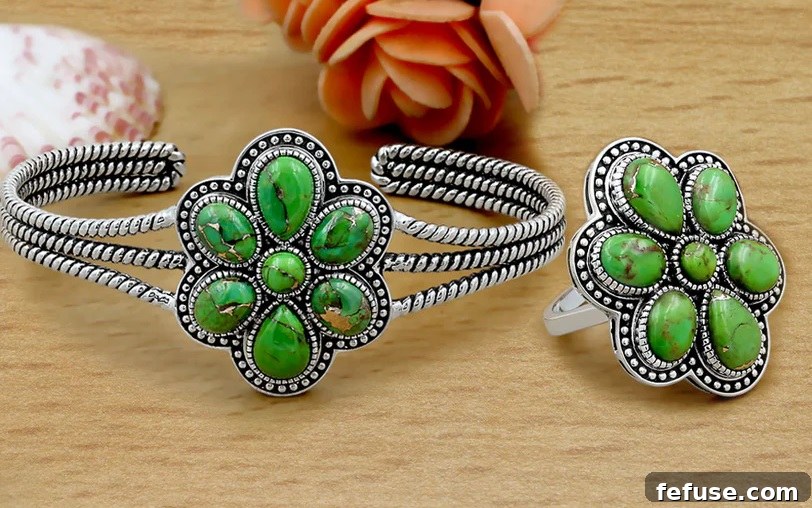
The Indian jewellery market is experiencing a significant transformation, driven by evolving consumer preferences and a robust regulatory push for transparency. Amidst this dynamic landscape, a powerful consensus is emerging among consumers and industry stakeholders: the urgent need for mandatory hallmarking of silver jewellery. This call echoes the resounding success of mandatory gold hallmarking, which has profoundly reshaped the gold market by instilling unparalleled trust and standardization. As silver’s appeal soars, ensuring its quality and authenticity through a regulated hallmarking system is becoming not just desirable, but essential for the future growth and credibility of this vital segment.
Mandatory Silver Hallmarking: India’s Next Step Towards Jewellery Purity and Consumer Confidence
India’s love affair with precious metals is legendary, deeply woven into its cultural fabric, traditions, and economic practices. While gold has historically dominated the jewellery landscape, silver is rapidly emerging as a formidable contender, capturing the hearts of millions with its versatility, affordability, and investment potential. However, this burgeoning popularity also brings with it a crucial demand for assurance. Consumers across the nation are increasingly advocating for the implementation of mandatory hallmarking for silver jewellery, a move aimed squarely at guaranteeing quality and authenticity. This growing insistence follows the remarkable success and widespread acceptance of mandatory gold hallmarking, a landmark initiative spearheaded by the Bureau of Indian Standards (BIS).
The Precedent Set by Gold: A Blueprint for Trust
The journey towards greater transparency in India’s jewellery sector gained significant momentum with the introduction of mandatory gold hallmarking. In June 2021, the Bureau of Indian Standards (BIS) ushered in a new era by making hallmarking compulsory for gold jewellery and related artifacts. This wasn’t merely a regulatory change; it was a strategic initiative designed to bolster consumer confidence, eradicate malpractices, and promote uniform standards across the vast and often fragmented jewellery industry. Hallmarking, at its core, is the official marking of precious metal articles to certify their purity and fineness. This mark acts as an ironclad guarantee, assuring the buyer of the metal’s declared quality.
The implementation of gold hallmarking was carefully orchestrated in a phased manner, demonstrating a pragmatic approach that allowed smaller businesses and artisans sufficient time to adapt to the new regulations. This thoughtful rollout ensured a smoother transition and broader compliance, minimizing disruption while maximizing reach. The results have been nothing short of transformative. According to data reported by the Economic Times, an astonishing figure of over 442.8 million gold articles have been successfully hallmarked to date. This immense volume underscores the scale and impact of the regulation, signifying a profound shift in market dynamics and consumer purchasing habits across India.
Before the mandate, concerns regarding trust and purity were prevalent, particularly within the unorganized sectors of the jewellery market, where standardized practices were often lacking. While many established, larger jewellery businesses had already adopted voluntary hallmarking as a mark of their commitment to quality, the mandatory regulation ensured that even the smallest players were brought into compliance. This created a level playing field, fostering a more transparent and reliable market for gold where consumers could purchase with absolute peace of mind, confident in the purity and fineness of their investment. The success story of gold hallmarking serves as a compelling blueprint, illustrating how stringent regulations can elevate an entire industry and place consumer protection at its core, effectively building trust where it was once uncertain.
Why Silver Hallmarking is the Next Imperative for India
“Currently, hallmarking of silver jewellery is voluntary,” stated Pralhad Joshi, the Union Minister for Consumer Affairs, Food, and Public Distribution, during the 78th foundation day of the BIS. His acknowledgement of the prevailing situation was immediately followed by a powerful affirmation: “However, there is growing consumer demand to make it mandatory.” This unequivocal statement from a key government official highlights the increasing pressure from the public and signals a potential shift in policy towards regulating silver more rigorously, reflecting the government’s responsiveness to consumer needs.
The demand isn’t arbitrary; it stems from a discernible shift in the Indian consumer market. The popularity of silver jewellery in India has surged dramatically over recent years, moving beyond its traditional role into a realm of contemporary fashion and smart investment. Reports from market analytics firms like Augmont Gold for All and industry bodies such as the All India Gem and Jewellery Domestic Council (GJC) project substantial growth in the silver segment by 2025, anticipating it to become a multi-billion dollar market. This upward trajectory culminated in a landmark moment during the past Dhanteras festival, a highly auspicious occasion for purchasing precious metals. For the first time ever, sales of silver products reportedly surpassed those of gold, a clear indicator of the metal’s burgeoning appeal and its growing stature in the Indian economy.
This surge in demand is multifaceted. Silver has become a preferred choice for fashion-conscious consumers seeking affordable yet stylish adornments. Its malleability allows for intricate designs, contemporary aesthetics, and fusion jewellery that resonate with modern tastes, offering a diverse range of options for daily wear and special occasions. Beyond its aesthetic appeal, silver is also increasingly viewed as a viable investment avenue. Younger demographics and new-age investors are drawn to silver as a means to diversify their portfolios or enter the precious metals market at a lower entry point compared to gold. The metal offers a tangible hedge against inflation and a secure asset during economic uncertainties, making it an attractive option for wealth preservation and growth.
Addressing the Challenges of an Unregulated Silver Market
While the rising popularity of silver is a positive development for the industry, an unregulated market presents several inherent risks to consumers. Without mandatory hallmarking, the door is left open for issues such as adulteration, misrepresentation of purity levels, and outright fraud. Consumers currently lack a universally recognized and legally enforced mechanism to verify the fineness of their silver purchases, leaving them vulnerable to unscrupulous practices and potential financial losses. This lack of transparency undermines the very foundation of trust essential for any thriving market.
The current voluntary system, while a step in the right direction, does not provide the comprehensive protection that mandatory regulation would. It creates an uneven playing field where some retailers might adhere to ethical practices and incur the associated costs, while others might cut corners, undermining overall market integrity and fairness. This ambiguity can erode consumer trust over time, potentially stifling the growth of the very market it seeks to serve and hindering consumer confidence in silver as a valuable asset. Mandatory hallmarking for silver would effectively close this trust gap, offering consumers the same level of assurance and transparency they now enjoy with gold, thereby safeguarding their interests and promoting fair trade.
For the industry itself, mandatory hallmarking offers significant benefits beyond consumer protection. It would establish uniform quality benchmarks, encourage fair competition among jewellers, and significantly enhance the overall reputation of silver jewellery in India, both domestically and internationally. Ethical manufacturers and retailers who invest in pure products would be rewarded, as consumers would have a clear, verifiable way to distinguish genuine articles from those of lesser quality. This standardization could also facilitate easier trade and export of Indian silver jewellery, positioning India as a reliable global supplier of quality precious metal products and opening new avenues for economic growth.
The Path Forward: Implementing Mandatory Silver Hallmarking
Aligning with consumer expectations and fostering trust in this expanding segment, mandatory hallmarking for silver jewellery is undeniably poised to become the next crucial step toward comprehensive quality assurance and robust market regulation. The experience gained from the successful implementation of gold hallmarking provides a valuable roadmap, highlighting both opportunities and potential challenges that can be effectively navigated with strategic planning.
Key considerations for successfully implementing mandatory silver hallmarking would include:
- Infrastructure Development: Expanding the network of BIS-recognized Assay and Hallmarking Centres (AHCs) is paramount. This would involve significant investment in state-of-the-art equipment, advanced technology, and rigorous training for skilled personnel to efficiently handle the projected increase in volume of silver articles requiring certification.
- Awareness Campaigns: Launching nationwide, multi-lingual campaigns is essential to educate consumers about the immense benefits of hallmarking and how to confidently identify genuine hallmarked silver products. Such campaigns would empower buyers, increase their purchasing confidence, and drive demand for certified, trustworthy products.
- Industry Training and Support: Providing comprehensive training and ongoing support to jewellers, particularly smaller businesses and artisanal workshops, on the intricate process of getting their silver articles hallmarked is crucial. This might include workshops, readily available informational materials, and potentially financial incentives or subsidies during the initial transition period to ease adoption.
- Phased Implementation: Similar to the successful rollout of gold hallmarking, a pragmatic phased approach could be adopted for silver. This would involve starting with major metropolitan cities or specific categories of silver articles before gradually expanding the mandate nationwide, allowing the industry sufficient time to adapt and comply.
- Robust Legal Framework Reinforcement: Ensuring that strong, unambiguous legal provisions are in place to penalize non-compliance and protect the integrity of the hallmarking system is critical. This includes clear penalties for fraud and misrepresentation, reinforcing the seriousness of the regulations.
- Technological Integration: Exploring and implementing digital solutions, such as QR codes or blockchain technology, could further enhance transparency and traceability, allowing consumers to easily verify the authenticity of their silver purchases using their smartphones.
While there might be initial logistical hurdles and perhaps some resistance from segments of the industry accustomed to less stringent oversight, the long-term benefits far outweigh these transitional challenges. The precedent set by gold demonstrates unequivocally that with proper planning, continuous communication, and a clear, well-enforced regulatory framework, mandatory hallmarking can be seamlessly integrated into the market, ultimately strengthening the industry as a whole and securing its future growth.
Conclusion: A Brighter, More Trustworthy Future for Indian Silver
The burgeoning demand for silver jewellery in India, coupled with the proven, resounding success of gold hallmarking, makes an undeniably compelling case for extending mandatory purity regulations to silver. This strategic move is not merely about regulatory compliance; it’s about building an impregnable foundation of trust between consumers and manufacturers, fostering genuinely fair trade practices, and propelling the Indian silver market towards unprecedented growth and enhanced international recognition. By embracing mandatory silver hallmarking, India is poised to further solidify its reputation as a global leader in responsible and transparent precious jewellery trade, demonstrating its commitment to consumer welfare and market integrity. This commitment to stringent quality assurance will undoubtedly empower consumers with confidence in every purchase, safeguard their valuable investments, and ensure that the radiant appeal and cultural significance of silver are matched by an equally brilliant standard of authenticity and purity. The future of silver in India gleams brightly, promising a market defined by transparency, unwavering confidence, and sustained prosperity for all stakeholders.