
India’s jewellery landscape, rich in heritage and vibrant in its expression, undergoes a fascinating evolution. Unlike rapid shifts seen in Western fashion, trends here are a thoughtful, gradual metamorphosis, reflecting centuries of craftsmanship while embracing contemporary desires. The modern Indian consumer, empowered by instant access to global styles and information, no longer passively accepts what’s available. Instead, they seek pieces that resonate with their individuality—whether it’s an edgy design showcasing technical brilliance, or a time-honoured craft reinterpreted with a modern spin. At TJM, we meticulously track these nuances, presenting an in-depth exploration of the prevailing and emerging jewellery trends set to captivate the Indian market for the seasons ahead.
Unveiling India’s Dynamic Jewellery Landscape: Trends Shaping Tomorrow
The Indian jewellery market is a microcosm of its diverse culture, balancing deep-rooted traditions with a keen eye for global aesthetics. This unique interplay drives the current trends, where ancestral techniques meet cutting-edge designs, and the inherent value of precious materials is paired with artistic innovation. From the grandeur of bridal sets to the subtlety of everyday adornments, every piece tells a story of evolving tastes and enduring artistry. Understanding these shifts is crucial for designers, retailers, and enthusiasts alike, offering a glimpse into the glittering future of Indian adornment.
The Allure of a Colourful Palette: Beyond Traditional Hues
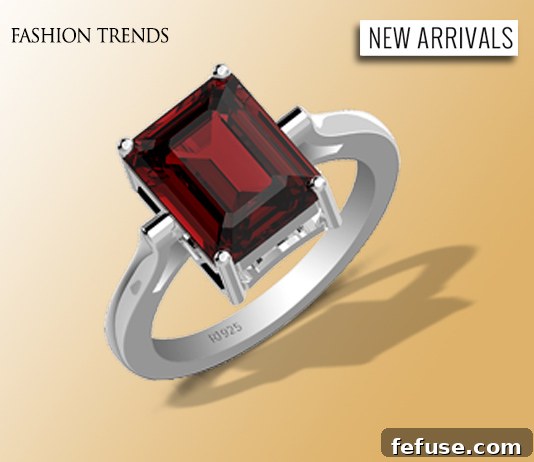
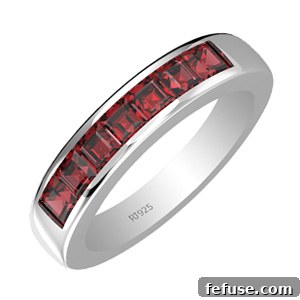
One of the most exciting developments in Indian fine jewellery is the enthusiastic embrace of unusual coloured gemstones. Consumers are increasingly drawn to stones beyond the classic rubies, emeralds, and sapphires, seeking unique shades and properties that add a personal touch to their collections. This surge in interest has led to the advent of a mesmerising array of gemstones taking centre stage, redefining what constitutes “precious.”
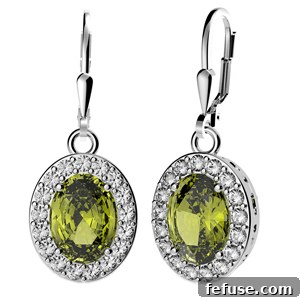
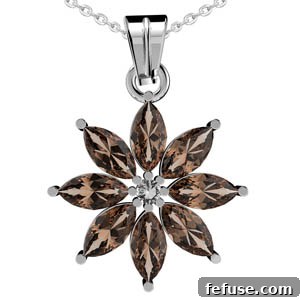
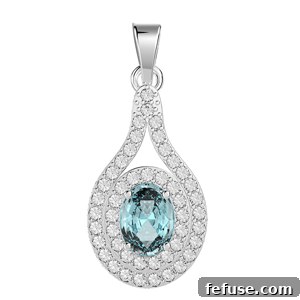
Jewellers are now exploring a broader spectrum of natural wonders, including vibrant tourmalines in every hue from paraiba blue to rich green and fiery pink, mystical tanzanites with their captivating violet-blue depths, and the delicate blush of morganites. Spinels, known for their brilliant sparkle and diverse colour range—from intense reds to soft lavenders and steely greys—are also gaining significant traction. These gemstones are celebrated for their individuality and the way they allow for greater creative expression in design. The demand for these less common but equally stunning stones is driven by a desire for uniqueness and a more personalised jewellery experience, moving away from conventional choices towards more expressive and visually arresting options. The shift reflects a global influence on Indian preferences, where rarity and distinctiveness are highly prized.
Designers are pairing these vibrant gemstones with intricate settings, often in rose gold or white gold, to highlight their natural beauty. Cuts are becoming more diverse too, with fancy shapes like trillions, pears, and emerald cuts complementing traditional ovals and rounds, adding an extra layer of sophistication and modern appeal. This colourful revolution is not just about aesthetics; it’s about making a statement, allowing wearers to express their personality and style through a kaleidoscope of natural brilliance. The market for gemstone jewellery in India is thriving, thanks to this renewed appreciation for colour and individuality.
Photo courtesy by Gourik.com
Enamelled Canvas: A Resurgence of Artistic Grandeur
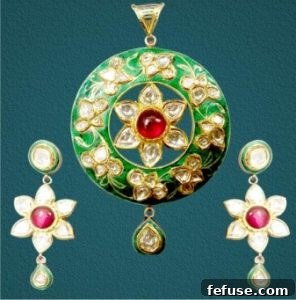
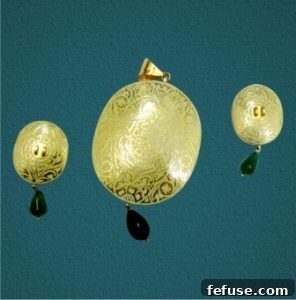
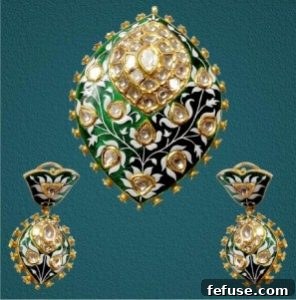
The art of enamelling, particularly the traditional Indian technique of Meenakari, is experiencing a magnificent resurgence, transforming jewellery into wearable art. Enamelling—whether vitreous, opaque, or translucent—is increasingly used to add incredible shades and intricate detailing, making pieces truly unique. This ancient craft, which involves fusing powdered glass onto metal at high temperatures, is now making significant rounds in the fashion circuit, appealing to those who appreciate both vibrant colour and exquisite craftsmanship.
Traditionally associated with elaborate Mughal-era jewellery, Meenakari work has evolved to incorporate a broader spectrum of colours and contemporary designs. While classic hues like red, green, and blue remain popular, modern artisans are experimenting with pastel shades, neon accents, and even monochrome palettes to create fresh, appealing aesthetics. This allows enamelled pieces to seamlessly blend with both traditional Indian attire and modern Western outfits, enhancing their versatility and appeal to a wider audience. The beauty of enamelling lies in its ability to bring vibrant life and dimension to gold and silver, creating a striking contrast with gemstones or standing alone as a focal point.
Today’s enamelled jewellery pieces are not just about ornate designs; they often feature simpler, cleaner lines, allowing the intricate enamel work to truly shine. From delicate pendants and elegant bangles to statement earrings and rings, the application of enamel is enhancing the aesthetic value of diverse jewellery forms. This trend highlights a renewed appreciation for handcrafted excellence and the rich cultural legacy of Indian artistry, positioning enamelled pieces as highly coveted items in the discerning consumer’s collection. The meticulous detail and vibrant hues infuse each piece with a unique character, making them timeless treasures that carry a piece of India’s artistic heritage into the modern world.
The Rise of Lightweight and Everyday Luxury
Gone are the days when Indian jewellery was solely synonymous with heavy, ornate pieces reserved for grand occasions. A significant shift towards lightweight and everyday luxury is reshaping consumer preferences. The contemporary Indian woman seeks versatility and comfort without compromising on style or elegance. This trend is driven by changing lifestyles, where women often juggle multiple roles and desire jewellery that transitions seamlessly from office wear to evening gatherings, and even casual outings.
Designers are responding with collections that feature delicate chains, minimalist pendants, stud earrings, and stackable rings. These pieces are crafted to be worn daily, offering a touch of sophistication without being cumbersome. Materials like 14K gold, often combined with delicate diamonds or small, colourful gemstones, are popular choices for their durability and understated sparkle. The emphasis is on elegant simplicity, where less is more, allowing the jewellery to complement an outfit rather than overpower it. This trend also sees the rise of modular and convertible pieces, such as necklaces that can be worn at different lengths or pendants that detach to become brooches, offering maximum utility and value to the discerning buyer. The practicality and adaptability of these pieces resonate deeply with modern sensibilities.
Personalization and Bespoke Creations: Crafting Identity
In an era of mass production, the desire for unique, meaningful pieces that reflect personal identity has soared. Personalization and bespoke jewellery creations are highly sought after, allowing individuals to tell their own stories through adornment. This trend encompasses everything from initial pendants and birthstone jewellery to custom engravings and completely unique, custom-designed pieces. Consumers are investing in jewellery that holds sentimental value, commemorates special moments, or symbolises personal beliefs.
The rise of digital tools has made customization more accessible than ever, with many jewellers offering online design platforms where customers can conceptualise their dream pieces. Artisans are also experiencing a renewed demand for bespoke services, where clients collaborate closely to create one-of-a-kind designs. This level of engagement transforms the purchasing experience, making it deeply personal and memorable. Whether it’s a family heirloom reimagined, a unique engagement ring, or a piece celebrating an achievement, personalized jewellery is about more than just aesthetics; it’s about wearable memories and expressions of self, fostering a deeper connection between the wearer and their adornment.
Bridal Jewellery: A Blend of Heritage and Modernity
Bridal jewellery in India remains a cornerstone of the market, but even this deeply traditional segment is experiencing evolution. While the grandeur of classic gold sets, polki, and kundan continues to hold sway, modern brides are increasingly opting for pieces that blend heritage with contemporary aesthetics. There’s a growing preference for lighter bridal sets, especially for pre-wedding functions, that offer versatility and re-wearability beyond the wedding day. Brides are seeking pieces that can be styled differently for various occasions, extending their value and aesthetic relevance.
Fusion designs are particularly popular, combining traditional motifs like peacocks and floral patterns with modern settings and lighter structures. Rose gold is making a significant appearance in bridal collections, offering a softer, romantic alternative to traditional yellow gold. Furthermore, there’s a trend towards incorporating coloured gemstones into bridal ensembles, adding a pop of personal colour and modernity. Many brides are also keen on reinventing family heirlooms, transforming antique pieces into contemporary designs that honour their heritage while suiting their personal style. This approach allows them to carry forward traditions in a way that feels fresh and relevant, making their bridal jewellery truly unique and deeply sentimental.
Sustainability and Ethical Sourcing: Conscious Adornment
The global shift towards ethical consumption has firmly arrived in the Indian jewellery market. A growing segment of conscious consumers is demanding transparency and traceability in their purchases, driving the trend for sustainable and ethically sourced jewellery. This includes a preference for lab-grown diamonds, which offer an environmentally friendly and often more affordable alternative to natural diamonds, without compromising on brilliance or quality. Recycled gold and silver are also gaining traction, reducing the environmental impact associated with mining.
Beyond materials, consumers are increasingly interested in the entire supply chain—from mining practices to fair labour conditions for artisans. Brands that can guarantee ethical sourcing and responsible manufacturing practices are earning consumer trust and loyalty. This trend is not just about avoiding harm; it’s about contributing positively, supporting artisanal communities, and ensuring that every piece of jewellery tells a story of integrity and responsibility. The emphasis on sustainability reflects a broader societal shift towards mindful consumption, where luxury is redefined to include ethical considerations alongside beauty and craftsmanship. This growing awareness is pushing the industry towards more transparent and responsible practices, ensuring that the sparkle of jewellery comes with a clear conscience.
The Digital Influence on Jewellery Choices
The digital revolution has profoundly impacted how Indian consumers discover, evaluate, and purchase jewellery. Online platforms, social media, and e-commerce sites have become powerful trendsetters and marketplaces. Consumers are actively researching designs, comparing prices, and seeking reviews online before making purchasing decisions. Virtual try-ons and augmented reality tools are bridging the gap between online browsing and the physical experience, allowing customers to visualise how pieces look on them from the comfort of their homes.
Social media influencers and celebrity endorsements play a significant role in popularising new styles and brands, making trends accessible to a wider audience. Direct-to-consumer (D2C) jewellery brands, leveraging online channels, are disrupting traditional retail models by offering unique designs, competitive pricing, and a personalised shopping experience. This digital accessibility has democratised the market, empowering consumers with information and choice, and fostering a dynamic environment where trends emerge and spread with unprecedented speed. The fusion of traditional craftsmanship with modern digital marketing strategies is creating an exciting future for Indian jewellery, reaching both local and global audiences.
In conclusion, the Indian jewellery market is a vibrant tapestry woven with threads of tradition and innovation. The gradual shifts observed reflect a sophisticated consumer base that values heritage, demands individuality, and embraces global aesthetics. From the explosion of unusual coloured gemstones and the renaissance of enamelling to the embrace of lightweight designs, personalized creations, and sustainable practices, each trend speaks to a dynamic industry constantly evolving. As digital influence continues to grow, and conscious consumption becomes paramount, Indian jewellery stands poised at the intersection of its glorious past and an exciting, sparkling future, promising a rich array of adornments that are as meaningful as they are beautiful.