
India’s Tax Authority Intensifies Probe into High Net-Worth Individuals Over Nirav Modi Jewellery Purchases
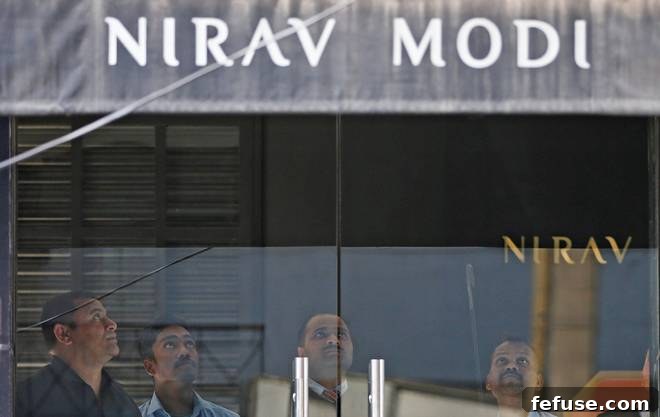
In a significant move to combat tax evasion and ensure financial transparency, the Income Tax Department of India has launched a rigorous re-assessment of the Income Tax Returns (ITRs) belonging to over 50 high net-worth individuals (HNIs). These individuals are under intense scrutiny for their substantial purchases of high-value jewellery from firms linked to the absconding diamantaire, Nirav Modi. This intensified probe comes amidst revelations of alleged discrepancies in payment methods, specifically concerning concealed cash transactions.
The decision to initiate this comprehensive re-assessment stems from a series of investigations where the tax authority encountered a consistent pattern: when queried about the source of funds for their lavish jewellery acquisitions, many of these HNIs vehemently denied making any cash payments to Nirav Modi’s companies. However, this narrative starkly contrasts with critical data meticulously gathered by the Income Tax Department, which strongly indicates a systematic use of split payments – a strategy often employed to mask undeclared income and evade tax obligations.
Unraveling the Split Payment Modus Operandi
Officials privy to the investigation have revealed that the department possesses compelling documentary evidence. This evidence suggests that a significant number of these elite buyers deliberately split their total payment for luxury diamond jewellery. Typically, a portion of the payment would be made through traceable methods like cheques or debit/credit card transactions, while the remaining, often substantial, amount was allegedly settled in cash. This two-pronged payment approach, as indicated by the company’s financial records, allowed buyers to underreport their true expenditure and potentially conceal the source of their wealth from tax authorities.
The discrepancy between the HNIs’ claims and the departmental data is a central pillar of the ongoing investigation. While most respondents to initial tax notices maintained their stance of not making any cash payments, the Income Tax Department’s robust findings, derived directly from the sales records of Nirav Modi’s firms, tell a different story. These records, meticulously cross-referenced and analyzed, indicate a clear pattern of payments being received through a combination of cash and traceable banking channels. Such findings necessitate a thorough re-evaluation of the financial declarations made by these individuals.
Re-assessment and Potential Charges
The re-assessment process will delve deep into the financial histories of these over 50 individuals, primarily focusing on Income Tax Returns filed from the 2014-15 assessment year onwards. The objective is clear: to identify and quantify any discrepancies arising from concealed cash payments. If these financial irregularities are confirmed – and officials suggest that in some instances, the concealed amounts could run into several lakhs of rupees – the implicated HNIs will face severe consequences. They will be formally charged with tax evasion, a serious financial crime carrying stringent penalties, and subsequent legal action will be initiated against them.
This proactive step by the Income Tax Department serves as a stern warning against the use of black money in high-value transactions. It underscores the government’s unwavering commitment to cracking down on illicit financial activities and ensuring that all citizens, regardless of their wealth or social standing, adhere to tax laws. The investigation is not limited to the identified 50 individuals; officials have confirmed that several more cases of a similar nature are currently undergoing preliminary probe, suggesting a wider net cast by the tax authorities.
The Broader Nexus: Nirav Modi’s Financial Scandals
The current investigation into these jewellery buyers is intricately linked to the larger web of financial misconduct associated with Nirav Modi, a name synonymous with one of India’s biggest banking frauds. Modi, along with his uncle Mehul Choksi, is at the center of a colossal scam involving the alleged defrauding of Punjab National Bank (PNB) of over ₹13,400 crore. This massive fraud, which reportedly began as early as 2011 but only came to light in January of the investigative year, prompted PNB officials to alert various probe agencies, including the Central Bureau of Investigation (CBI) and the Enforcement Directorate (ED).
Both the Enforcement Directorate (ED) and the CBI are actively investigating Nirav Modi and Mehul Choksi. The ED, primarily responsible for enforcing the Prevention of Money Laundering Act (PMLA) and the Foreign Exchange Management Act (FEMA), has filed multiple criminal complaints in these instances, taking cognizance of the CBI’s First Information Reports (FIRs). Their investigations are focusing on the money laundering aspects of the fraud, tracing the illicit funds, and attaching assets acquired through criminal activities. The CBI, on the other hand, is pursuing the criminal conspiracy and fraud angles, looking into the purported involvement of a few PNB employees who allegedly facilitated the issuance of fraudulent Letters of Undertaking (LoUs) and Foreign Letters of Credit (FLCs).
Previous Enforcement Actions and Ongoing Legal Battles
The Income Tax Department itself had previously filed a charge sheet against Nirav Modi and several others before a Mumbai court, specifically for alleged tax evasion activities directly related to his business operations. This predates the wider scrutiny on his customers. Furthermore, the department has not shied away from concrete enforcement actions. Recently, it conducted extensive searches on the premises of a Rewari-based hospital group, which has ties to the family of Swaraj India leader Yogendra Yadav. This action was initiated after credible information suggested that the owners of this firm had also made part-cash and part-cheque payments for jewellery purchased from one of Nirav Modi’s firms, mirroring the payment discrepancies now being investigated in other HNI cases.
These ongoing investigations and legal proceedings underscore the Indian government’s resolute stance against financial crimes and its determination to bring perpetrators, whether direct participants or beneficiaries, to justice. The coordinated efforts of multiple agencies – the Income Tax Department, ED, and CBI – reflect a comprehensive approach to dismantle networks of financial malfeasance and recover public funds.
Impact and Future Implications for Tax Compliance
This intensified scrutiny on HNIs making high-value purchases from entities like Nirav Modi’s firms sends a strong message across the financial and luxury markets. It signals that transactions involving significant sums, particularly those with a history of suspicious financial dealings, will be placed under a powerful microscope. The expectation is that this crackdown will foster greater financial discipline and encourage individuals to declare their true income and adhere strictly to tax regulations, thereby reducing the prevalence of black money in the economy.
The potential imposition of tax evasion charges on high net-worth individuals who previously believed their covert cash transactions would go unnoticed could significantly deter others from engaging in similar practices. This initiative is a crucial component of India’s broader agenda to enhance tax compliance, improve financial transparency, and fortify its economic infrastructure against fraud and illicit fund flows. The investigations are ongoing, and the public awaits further details on the findings and the subsequent actions taken by the authorities. This saga reinforces the importance of ethical financial conduct and the serious repercussions of attempting to circumvent the law.
News Source : thehindu.com