
Understanding the Evolving Dynamics of the Platinum Market: Demand, Supply, and Future Outlook
Platinum, often hailed as the “noble metal,” holds a unique and crucial position in the global economy. Revered for its rarity, enduring luster, and exceptional catalytic properties, it serves a diverse array of sectors, from high-end jewelry to critical industrial applications. However, like all commodities, its market is subject to intricate supply and demand forces that constantly shape its value and availability. Recent reports indicate a complex picture: while overall platinum demand is projected to see a robust 9 percent increase in 2019, the jewelry sector, traditionally a significant consumer, experienced a notable 5 percent decline in the second quarter of the same year. This dichotomy underscores the nuanced challenges and opportunities facing the platinum market.
This anticipated rise in overall demand points towards strengthening industrial applications and perhaps renewed investment interest, reflecting platinum’s indispensable role in modern technology. Yet, the simultaneous dip in jewelry consumption, particularly a significant 30,000 ounces (koz) year-on-year drop, predominantly attributed to shifting dynamics in the crucial Chinese market, paints a contrasting narrative. Understanding these divergent trends is key to grasping the current state and future trajectory of this precious metal.
Platinum’s Multifaceted Appeal: Beyond Adornment
Platinum’s allure extends far beyond its aesthetic appeal in jewelry. Its remarkable properties – extreme density, resistance to corrosion and tarnish, high melting point, and unparalleled catalytic activity – make it indispensable across numerous industries. These inherent qualities establish platinum as a critical component in various modern advancements, underpinning its strategic importance.
The Heart of Automotive Catalysis
Perhaps the most significant demand driver for platinum comes from the automotive sector, where it is a cornerstone of catalytic converters. These devices are vital for reducing harmful emissions from internal combustion engines, converting toxic gases like carbon monoxide, nitrogen oxides, and unburnt hydrocarbons into less harmful substances. Platinum’s efficiency in this application is unparalleled, making it a key element in global efforts to combat air pollution. While the “Dieselgate” scandal led to a shift in perception and some automotive manufacturers favoring palladium for gasoline engines, platinum continues to be crucial for diesel vehicles and is increasingly explored for future applications like fuel cells in hydrogen-powered vehicles, hinting at its evolving role in cleaner transportation technologies.
Industrial Backbone: Powering Progress
Beyond automobiles, platinum plays a pivotal role in various industrial processes. Its resistance to high temperatures and corrosive environments makes it ideal for use in the chemical industry, particularly as a catalyst in the production of nitric acid, silicones, and benzene. In the petroleum sector, platinum catalysts are essential for refining crude oil. Furthermore, it’s utilized in the medical field for pacemakers, chemotherapy drugs, and dental restorations due to its biocompatibility. The electrical and electronics industries also rely on platinum for components that require high conductivity and corrosion resistance, such as hard disk drive coatings and thermocouples. Its versatility across such a wide spectrum of critical applications underscores its irreplaceable status.
Investment Haven: A Store of Value
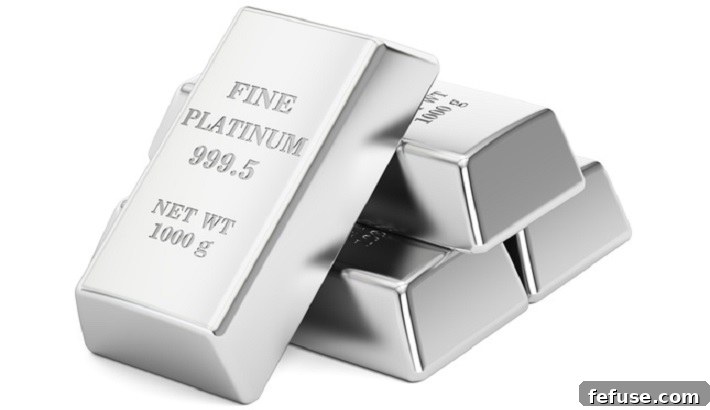
For investors, platinum serves as a tangible asset and a potential hedge against economic uncertainty. Available in various forms, including bullion bars, coins, and exchange-traded funds (ETFs), it attracts those seeking diversification and exposure to precious metals. Its relative scarcity compared to gold and silver, combined with its strong industrial demand, often lends it a unique appeal, making it a metal of choice for those looking for robust long-term value preservation.
Jewelry: A Timeless Symbol of Luxury
Historically, platinum has been synonymous with luxury and exclusivity in the jewelry market. Its brilliant white luster, hypoallergenic properties, and remarkable durability make it a preferred choice for engagement rings, wedding bands, and high-fashion pieces. Unlike white gold, platinum does not require rhodium plating to maintain its color, and its density means it holds diamonds and other gemstones more securely. However, this segment is currently facing headwinds, as evidenced by the recent decline.
Navigating the Demand-Side Currents
The World Platinum Investment Council (WPIC) projects an encouraging 9 percent increase in total platinum demand for the year, signaling robust underlying strength. This growth is likely fueled by several factors, including a rebound in industrial activity, sustained demand from the automotive sector, and potentially a resurgence in investment interest as global economic uncertainties persist. The broadening scope of its industrial applications and the continuous search for more efficient catalytic solutions contribute significantly to this optimistic outlook on overall demand.
The Ebbing Tide of Platinum Jewelry Demand in China
Despite the overall positive demand forecast, the decline in platinum jewelry demand, particularly the 5 percent drop in Q2 and the 30 koz year-on-year reduction, is a notable concern. The WPIC specifically attributes this downturn to a “continued decline in Chinese demand.” China has traditionally been a powerhouse in the global jewelry market, and shifts in its consumer preferences or economic conditions profoundly impact the industry. Several factors could be at play:
- **Economic Slowdown:** A general slowdown in the Chinese economy, coupled with trade tensions and domestic challenges, could lead to reduced consumer spending on luxury items like platinum jewelry.
- **Shifting Consumer Tastes:** Younger generations in China may be gravitating towards different precious metals, such as gold, or even exploring alternative forms of luxury that do not involve traditional jewelry. The increasing popularity of lighter, more fashion-forward designs that are easier to produce with less expensive metals might also contribute.
- **Competition from Other Metals:** The rising prices and strong marketing of gold, particularly 24K gold, in China could draw consumers away from platinum. Palladium has also gained traction in some markets.
- **Retail Strategy Challenges:** Platinum retailers in China might be facing challenges in marketing and brand differentiation, failing to capture the imagination of a rapidly evolving consumer base.
Understanding and addressing these factors will be crucial for the platinum industry to revitalize its jewelry segment in this vital market.
The Supply-Side Equation: Mines to Market
On the supply front, the WPIC anticipates a 4 percent increase in total platinum supply this year. While this might seem positive, the report quickly clarifies that this growth will “not be able to keep pace with demand,” indicating a potential supply deficit or at least a tightening market. This dynamic highlights the fragility of the supply chain and its vulnerability to various external factors.
South Africa: The Dominant Force and Its Challenges
A significant portion of this expected supply increase is attributed to the “refining of mined metal built up in the processing pipeline in South Africa in 2018.” South Africa is by far the world’s largest producer of platinum, accounting for over 70% of global output. The country’s mining sector is complex, characterized by deep-level mining, significant infrastructure requirements, and a history of labor relations challenges. The “pipeline build-up” likely refers to metal that was mined but delayed in processing due to various issues such as operational disruptions, maintenance backlogs, or temporary processing capacity constraints in the previous year. The subsequent refining of this backlog naturally contributes to a temporary surge in reported supply.
However, this increase from pipeline clearance offers a short-term boost rather than a sustainable long-term solution. The WPIC’s warning about supply not keeping pace with demand points to persistent underlying issues. Furthermore, the report highlights critical threats to future supply: “continued power disruptions and industrial action in the second half of this year could reduce the supply of platinum from South Africa.”
- **Power Disruptions (Load Shedding):** South Africa’s state-owned power utility, Eskom, has been plagued by operational inefficiencies and an aging infrastructure, leading to frequent and widespread power outages, known as “load shedding.” These planned power cuts severely disrupt mining operations, forcing mines to halt production, impacting processing plants, and creating significant logistical challenges. The unpredictability of these disruptions makes planning and consistent output exceedingly difficult for miners.
- **Industrial Action:** The South African mining sector has a history of industrial action, including strikes and labor disputes over wages, working conditions, and safety. Such actions can bring mining operations to a standstill, leading to substantial production losses that are difficult to recover. These disruptions not only affect current output but can also have long-term impacts on mine development and investment.
- **Regulatory and Environmental Pressures:** Mining companies also face increasing pressure from environmental regulations and community demands, adding layers of complexity and cost to operations.
These persistent challenges in South Africa mean that even with a temporary increase from processing backlogs, the fundamental fragility of platinum supply remains a significant market factor.
Market Outlook and Price Dynamics
At the time of writing, platinum was trading at $936.35 per ounce. This price reflects a confluence of the demand and supply factors discussed. The projected supply-demand imbalance, where overall demand outstrips supply despite the increase from South African backlogs, typically signals upward pressure on prices. However, the specific influences on platinum’s price are multifaceted:
- **Global Economic Health:** A robust global economy generally boosts industrial demand, particularly from the automotive sector, supporting platinum prices. Conversely, economic slowdowns can suppress demand.
- **Automotive Sector Trends:** Changes in vehicle production, the shift towards electric vehicles (EVs) versus internal combustion engines, and the relative demand for diesel versus gasoline cars all significantly impact platinum’s automotive demand.
- **Investment Sentiment:** Investor confidence in precious metals as a safe-haven asset, or as a hedge against inflation or currency devaluation, can drive investment demand for platinum bars and coins.
- **US Dollar Strength:** As platinum is priced in US dollars, a stronger dollar can make the metal more expensive for international buyers, potentially dampening demand, and vice-versa.
- **Supply Shocks:** Any major disruptions to mining operations, especially in South Africa, due to power issues, labor strikes, or geological challenges, can dramatically affect supply and lead to price volatility.
Looking ahead, the platinum market is poised for an intriguing evolution. The rise of fuel cell technology, particularly in the context of the burgeoning green hydrogen economy, could unlock significant new demand avenues for platinum. While the long-term impact of battery electric vehicles on traditional catalytic converter demand remains a point of discussion, platinum’s role in the hydrogen economy could provide a powerful counterbalancing force, positioning it as a key metal in the transition to sustainable energy.
The future of platinum thus lies at the intersection of technological innovation, geopolitical stability in key producing regions, and evolving consumer preferences. Its enduring value will depend on its ability to adapt and secure its indispensable role in the industries of tomorrow.
News Source: idexonline