
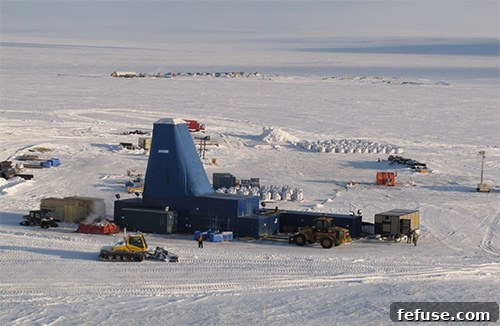
Peregrine Diamonds Intensifies Chidliak Project Development with Significant New Investment in Nunavut
Iqaluit, Nunavut – In a pivotal development poised to significantly advance Canada’s diamond mining landscape, Peregrine Diamonds has unveiled plans for a substantial new investment in its Chidliak Diamond Project located in Nunavut. Tom Peregoodoff, President of Peregrine Diamonds, recently communicated to the Iqaluit City Council the company’s commitment to inject an additional $15-$17 million into the project. This critical funding will be allocated towards crucial phases of mine development, including extensive bulk sampling, precise core drilling, and comprehensive pre-feasibility studies. This announcement, widely reported in the Canadian press, underscores Peregrine’s unwavering dedication to bringing the Chidliak project to fruition in one of the world’s most challenging yet prospective mining regions.
This latest financial commitment represents a significant escalation in Peregrine Diamonds’ efforts at Chidliak. Since the prospecting phase commenced in 2003, the company has already invested close to $23 million, meticulously exploring and delineating the diamondiferous kimberlite pipes that define the project’s immense potential. The current investment marks a strategic shift from initial exploration to more advanced evaluation and engineering studies, moving the project closer to an operational mine. Peregrine officials have expressed optimism about the project’s timeline, indicating to the councillors a target of commencing actual diamond production at the Chidliak site by 2021. Achieving this ambitious goal would position Chidliak as a key player in the global diamond supply chain within the next few years.
The Immense Potential of the Chidliak Diamond Project
The Chidliak Diamond Project stands out not just for its promising geology but also for its sheer scale. Earlier this year, Peregrine Diamonds released a Preliminary Economic Assessment (PEA) report that painted a compelling picture of the project’s robust mineral resource. The assessment successfully identified an impressive 74 distinct kimberlite pipes within the project area. Crucially, detailed analysis confirmed that 45 of these pipes are proven to contain gem-quality diamonds, highlighting the project’s exceptional prospectivity. Based on the revised mineral resource estimates derived from this extensive study, the Chidliak mine is projected to have an operational life of at least 10 years. This long-term outlook is a strong indicator of the project’s potential for sustainable economic contribution and stability.
Spanning an expansive area exceeding 564,000 hectares of land, the Chidliak project encompasses nearly 577 separate claims, making it one of the largest diamond exploration and development projects in the Canadian Arctic. The vastness of the land package provides significant future exploration upside, suggesting that even more diamond resources could be discovered and delineated over the mine’s potential lifespan. The presence of numerous diamond-bearing kimberlites in such a contiguous area makes Chidliak a geological anomaly and a highly valuable asset in the global diamond industry. The systematic approach adopted by Peregrine Diamonds, moving from initial prospecting to detailed economic assessment, underscores the scientific rigor and strategic planning underpinning the project’s development.
Driving Economic Growth and Community Benefits in Nunavut
Beyond the geological promise, the Chidliak project is envisioned as a catalyst for significant socio-economic development in Nunavut. Tom Peregoodoff emphasized to the Iqaluit City Council that once operational, the mine would serve as a vital source of employment for local communities. The creation of jobs, ranging from skilled technical roles to administrative and support positions, is expected to provide substantial opportunities for residents, fostering local capacity building and economic empowerment. Furthermore, the project is anticipated to deliver a significant boost to the regional economy. This would manifest through various channels, including increased demand for local goods and services, development of local businesses in the supply chain, and substantial tax revenues for the territorial government, which can be reinvested in community infrastructure and social programs.
Peregrine Diamonds’ commitment extends to collaborating with local stakeholders to ensure that the project delivers tangible and sustainable benefits. Such large-scale mining operations in remote Arctic regions often become central pillars of local economies, offering career paths and skill development opportunities that might otherwise be scarce. The company’s engagement with the Iqaluit City Council reflects its understanding of the critical importance of strong community relations and the need to address local concerns and aspirations throughout the project’s lifecycle. Establishing a responsible and mutually beneficial relationship with the communities of Nunavut is paramount for the long-term success and social license of the Chidliak Diamond Project.
Addressing Transportation Challenges: A Critical Infrastructure Need
Despite the tremendous potential, the Chidliak project faces inherent logistical challenges, primarily centered around transportation in Nunavut’s remote and often harsh Arctic environment. Peregoodoff candidly appealed to the Council for assistance in overcoming these hurdles, particularly highlighting the current limited accessibility of the mine site. According to reports, Chidliak is presently mostly accessible only by air, a method that, while effective for personnel and urgent supplies, is prohibitively expensive and constrictive for the large-scale movement of heavy equipment, bulk materials, and future diamond production. The reliance on air transport significantly inflates operational costs and complicates the logistics of mine construction and long-term operation.
Recognizing the limitations of air-only access, Peregrine Diamonds has also strategically utilized and maintained the traditional winter trail, a vital artery historically used by local hunters and recreational users. While this seasonal trail provides some relief during the colder months, its dependence on frozen ground and specific weather conditions means it offers only intermittent and unreliable access for a commercial mining operation. The challenges of navigating a fully operational mine via seasonal trails further underscore the urgent need for robust, year-round infrastructure. Efficient and cost-effective transportation is not merely a convenience but a fundamental requirement for the economic viability and operational continuity of a major mining project like Chidliak.
The Proposed All-Weather Road: A Gateway to Sustainable Development
In a forward-thinking move aimed at establishing long-term, sustainable access, Peregrine Diamonds proposed to the Council a few months ago the construction of a 160 km all-weather road. This crucial piece of infrastructure would serve to link the remote Chidliak mine site directly with a nearby town, offering perennial access regardless of seasonal conditions. Such a road would revolutionize the project’s logistics, drastically reducing transportation costs, improving safety for personnel and equipment, and enabling more efficient movement of goods and supplies. An all-weather road would facilitate the delivery of heavier equipment, reduce the environmental footprint associated with repeated airlifts, and provide a more secure and predictable supply chain for the mine.
The proposal for this vital road is currently under review with the Council’s planning department, signaling an ongoing dialogue between the company and local authorities. The decision-making process for such significant infrastructure projects involves careful consideration of environmental impacts, economic benefits, and community input. Should the road project proceed, its benefits would likely extend beyond the Chidliak mine, potentially opening up new opportunities for other resource development, tourism, and improved connectivity for local communities along its route. The construction of an all-weather road represents a substantial investment in regional infrastructure that could serve as a catalyst for broader economic development across Nunavut, creating a lasting legacy long after the mine’s operational life. Peregrine Diamonds’ proactive approach to addressing these infrastructure gaps demonstrates their long-term vision and commitment to the region.