
Pandora Navigates Mixed Fortunes: Global Revenue Soars, U.S. Market Poses Challenges in Q2
The global jewelry powerhouse, Pandora, recently unveiled its second-quarter financial results, presenting a nuanced picture of its performance across diverse international markets. While the company celebrated a robust 12 percent increase in global revenues, successfully reaching DKK 4.825 billion (approximately $762 million), the United States market showcased a more intricate scenario. In dollar terms, U.S. revenues experienced a modest 2 percent decline, attributed by the company to a “challenging” retail environment. This juxtaposition of strong global growth and specific regional struggles highlights the dynamic and often unpredictable nature of the modern retail landscape, compelling leading brands like Pandora to continuously adapt and innovate their strategies.
This slight decline in the U.S. market, though still negative, marks a noticeable improvement when compared to the first quarter, during which U.S. revenues saw a more substantial 10 percent drop. The marginal rebound in Q2 suggests that recent strategic initiatives, implemented by Pandora to bolster its American operations, are beginning to yield early, albeit cautious, signs of traction. This occurs even as the market remains intensely competitive and subject to evolving consumer behaviors. A comprehensive understanding of this performance necessitates a deeper examination of the specific strategies deployed and the underlying market forces at play.
Strategic Adaptations for a Shifting Retail Landscape
In response to the company’s mixed performance, CEO Anders Colding Friis articulated Pandora’s proactive and decisive approach to navigating the complexities of the U.S. market. A pivotal element of this revised strategy has been the vigorous introduction of new product lines. These recent additions to Pandora’s already extensive collection have been met with encouragingly favorable reception from American consumers. This positive feedback underscores the enduring importance of product innovation as a powerful catalyst for consumer engagement and sales growth. In a retail era characterized by rapidly evolving consumer preferences and fashion trends, a continuous infusion of fresh, desirable merchandise is paramount for maintaining brand relevance, preventing market stagnation, and effectively capturing market share from competitors.
Beyond product diversification, Pandora is heavily investing in and relying upon updated promotional strategies. CEO Friis candidly acknowledged the prevalent “promotional environment” currently characterizing the U.S. retail sector, thereby necessitating a strategic and competitive response from the brand. This strategic pivot could encompass a range of tactics, including meticulously targeted discounts, exclusive special offers, or engaging, multi-channel marketing campaigns specifically designed to stimulate consumer demand and draw customers into both physical retail locations and online storefronts. The delicate equilibrium between upholding brand value and actively participating in promotional activities is a fine art, particularly for a brand positioned within the accessible luxury segment. While effective promotions can undeniably drive short-term sales spikes, they must be managed with considerable foresight and precision to avoid the long-term risk of diluting the brand’s premium equity.
Bright Spots: Concept Stores and E-commerce Drive U.S. Growth
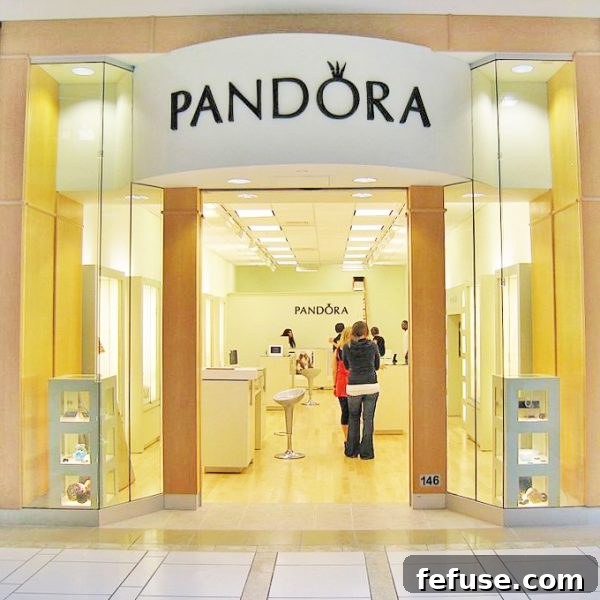
Despite the broader headwinds affecting the U.S. market, specific segments of Pandora’s American operations demonstrated remarkable resilience and impressive growth. The company’s U.S. concept stores, which are directly owned and operated by Pandora, reported a robust 8 percent increase in comparable store sales (comp sales). This significant rise was directly attributed by the company to “better execution.” This positive development likely encompasses a suite of operational enhancements, including, but not limited to, elevated customer service standards, optimized visual merchandising displays, more efficient inventory management practices, and extensively trained sales associates capable of delivering a superior and memorable in-store experience. The consistent success of these concept stores emphatically underscores the critical importance of a controlled retail environment, where the brand can fully articulate its distinct vision and consistently offer a high-quality, immersive experience to its loyal customer base.
Further contributing to Pandora’s commendable U.S. performance was the strong showing of its e-commerce platform. In an increasingly digital-first consumer landscape, a powerful and user-friendly online presence is no longer merely an advantage but an absolute necessity for retail survival and growth. The robust sales generated through Pandora’s U.S. e-store directly reflect broader, accelerating consumer trends towards online shopping, particularly for discretionary items such as jewelry. This digital strength provides a vital and expansive avenue for growth, enabling Pandora to reach customers far beyond the geographical constraints of its physical stores and offering the unparalleled convenience that today’s discerning consumers demand. Strategic investments in creating a seamless and engaging online shopping experience, encompassing everything from intuitive website design to efficient delivery logistics, are clearly yielding substantial dividends for Pandora.
Navigating Wholesale Hurdles and Multibrand Dynamics
In stark contrast to the encouraging positive trends observed within its concept stores and burgeoning e-commerce division, the wholesale market in the United States proved to be “a lot more challenging,” as candidly stated by CEO Friis. Sales figures at multibrand stores, which collectively still constitute approximately a quarter of Pandora’s total U.S. revenue, were notably weak during the quarter. The wholesale channel, through which Pandora supplies its distinctive products to independent jewelers and larger department store chains, operates under a distinctly different set of market dynamics compared to its direct-to-consumer channels.
The difficulties encountered in the wholesale segment could stem from a multiplicity of factors currently impacting independent retailers and major department store chains alike. These challenges might include, but are not limited to, a significant reduction in foot traffic in traditional shopping malls, heightened competition from agile online-only retailers, persistent inventory management complexities for smaller businesses, or a general tightening of consumer discretionary spending within less specialized retail environments. For Pandora, maintaining a robust and extensive wholesale network remains crucial for broad market penetration; however, the current difficulties strongly suggest a pressing need for re-evaluation and potentially the implementation of innovative new strategies to either powerfully support these critical retail partners or to strategically pivot towards an even greater emphasis on direct-to-consumer models.
Category Performance: Iconic Charms and Bracelets Face Headwinds
Delving deeper into specific product categories, CEO Friis openly acknowledged that U.S. sales of Pandora’s historically iconic charms and bracelets were “slightly negative for the quarter.” This particular observation is especially noteworthy given that charms and bracelets have traditionally represented the very cornerstone of Pandora’s brand identity and have historically been major contributors to its sales success. A decline in these core categories could potentially signal a significant shift in prevailing consumer preferences, market saturation, or intensified competition from emerging jewelry trends and alternative brands.
Despite this challenging development, Friis conveyed a clear sense of optimism, confidently stating, “Clearly we are building our new categories in the U.S.… It’s not something we are really worried about.” This underlying confidence strongly suggests that Pandora is proactively and strategically diversifying its product portfolio well beyond its traditional strengths. This strategic expansion could involve venturing into entirely new jewelry types such as an expanded range of rings, necklaces, earrings, or experimenting with novel materials, innovative designs, and different price points to appeal to a broader demographic and ensure the brand remains fresh, relevant, and captivating to modern consumers. The strategy of actively building new categories is inherently forward-looking, aiming to mitigate any over-reliance on a single product line and to effectively capitalize on emerging trends within the broader and continually evolving jewelry market.
Ambitious Expansion: 100 New U.S. Concept Stores on the Horizon
Looking boldly towards the future, Pandora has articulated ambitious and comprehensive plans for substantial physical retail expansion across the United States. The company aims to open an impressive 100 new U.S. concept stores within the next three to five years. This significant investment in brick-and-mortar retail, particularly within its demonstrably successful concept store format, powerfully underscores Pandora’s unwavering belief in the enduring power and appeal of physical retail experiences, even in an increasingly digital-dominated world. Concept stores afford Pandora the invaluable opportunity to control the entire customer journey, from meticulously crafted store design and captivating product display to personalized staff interaction and cohesive brand messaging, ensuring a consistent and elevated experience.
This aggressive expansion strategy is likely propelled by several compelling factors: the proven historical success and profitability of existing concept stores, a strategic desire to penetrate new geographic markets and reach untapped consumer bases, and the unique ability to offer a premium, immersive brand experience that effectively differentiates Pandora from its competitors. Each new store represents a tangible opportunity to deepen brand presence, cultivate enduring customer loyalty, and directly influence sales outcomes, thereby providing a crucial counterbalance to the challenges encountered in the wholesale segment. The strategic and careful placement of these new stores will be absolutely critical to their long-term success, meticulously targeting high-traffic retail areas and regions boasting strong consumer demographics for affordable luxury jewelry.
Broader Market Context and Pandora’s Strategic Position
Pandora’s second-quarter financial results serve as a compelling microcosm of the broader trends currently shaping both the global retail and luxury goods markets. While global demand for discretionary items continues to show robust strength in many international regions, often fueled by sustained economic recovery and enhanced consumer confidence, specific markets like the U.S. are grappling with unique and persistent headwinds. These challenges include ongoing inflationary pressures directly impacting consumer purchasing power, significant shifts in retail models favoring agile online platforms, and a palpable intensification of competition across all price points within the jewelry sector.
Pandora’s commendable ability to achieve substantial global revenue growth despite these varied and often formidable market conditions is a testament to its strong and recognizable brand equity, as well as its strategically diverse international footprint. The brand’s proactive strategic pivot towards developing and promoting new product categories, coupled with the reinforcement of its highly effective direct-to-consumer channels (comprising successful concept stores and a robust e-commerce platform), collectively illustrates a clear, well-defined roadmap for future resilience and continued expansion. The company’s unwavering commitment to continuous product innovation and adaptive marketing strategies will undoubtedly be paramount in sustaining its current momentum and adeptly converting prevailing market challenges into long-term, sustainable opportunities.
Conclusion: Navigating Growth with Strategic Agility and Vision
In summary, Pandora’s second-quarter performance reflects a nuanced and multi-faceted landscape of robust global growth, significantly tempered by specific yet manageable challenges within the crucial U.S. market. The impressive global revenue surge of 12 percent emphatically showcases the brand’s enduring appeal and widespread resonance across international markets, while the modest 2 percent U.S. dollar decline specifically points to a highly dynamic and intensely competitive retail environment requiring constant vigilance.
Nevertheless, the decisive and proactive measures undertaken by Pandora, including the successful introduction of new product lines, responsive and data-driven promotional strategies, and the outstanding performance of its U.S. concept stores and thriving e-commerce platform, collectively signal a remarkable strategic agility. This agility is precisely designed to effectively overcome existing hurdles and capitalize on emerging opportunities. The ambitious planned expansion of 100 new U.S. concept stores further solidifies the brand’s profound long-term commitment to direct customer engagement and a formidable physical market presence.
While the wholesale segment and certain long-standing core product categories may currently face immediate pressures, CEO Anders Colding Friis’s expressed confidence in actively building and promoting new product lines strongly suggests a visionary, forward-thinking approach. This approach is squarely aimed at strategic diversification and ensuring sustained brand relevance in a fast-changing market. Pandora continues to powerfully demonstrate its inherent capacity to adapt, evolve, and innovate, strategically positioning itself to capitalize on global opportunities while deftly addressing regional complexities in the ever-evolving and highly competitive world of luxury jewelry retail.
News Source: JCKonline