
Durham City Centre Under Pressure: The Triple Threat of Weather, Parking, and Out-of-Town Competition
Historic city centres across the United Kingdom grapple with an evolving retail landscape, striving to maintain their charm and commercial vitality in the face of modern consumer demands. Among these, the picturesque city of Durham, nestled in the North East of England, finds its unique character challenged by a confluence of factors – primarily the unpredictable British weather, the formidable competition from purpose-built retail parks, and persistent issues surrounding urban accessibility, most notably parking availability and cost.
For retailers operating within Durham’s ancient walls, including its cherished independent jewellers, the struggle is palpable. Shoppers increasingly opt for the perceived convenience and comfort offered by out-of-town shopping destinations, such as the expansive Metrocentre or the well-established Arnison Shopping Park. These modern complexes present an attractive alternative, promising a single-level, indoors shopping experience impervious to the elements, a stark contrast to the often exposed and multi-tiered retail environment of a traditional city centre.
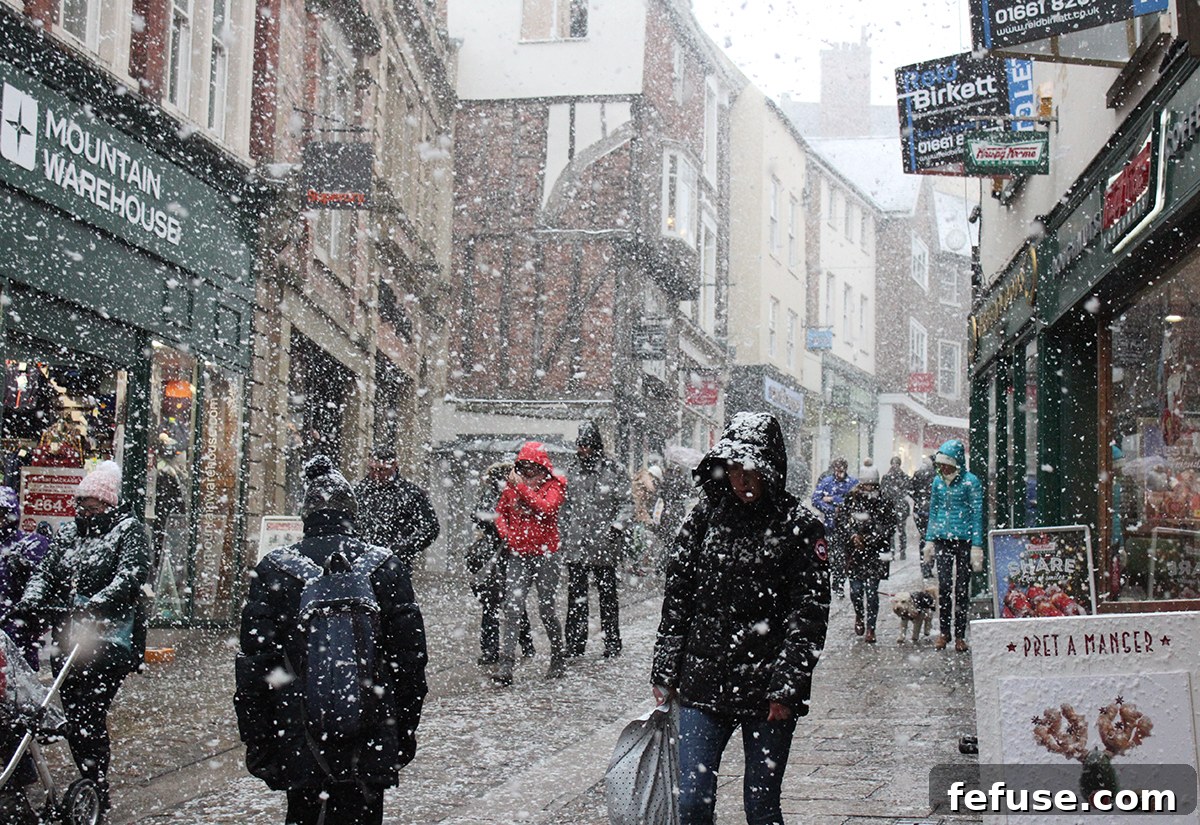
Battling the Elements: How Durham’s Weather Impacts Retail Footfall
The impact of weather on consumer behaviour is a well-documented phenomenon in retail, and Durham’s location in the North East makes it particularly susceptible. The rapid onset of snow, persistent rain, or biting winds can swiftly transform a pleasant shopping trip into an arduous task. For many potential visitors, especially those travelling from surrounding towns and villages, the allure of a historic city centre diminishes significantly when faced with the prospect of navigating inclement conditions.
Mark Soulsby, co-owner of the distinctive jewellery and interiors store Moon, articulated this sentiment clearly during an interview with Professional Jeweller. He lamented, “We are weather depending in Durham. A lot of people won’t come into Durham, they’ll go to a shopping mall.” Soulsby’s observation highlights a critical vulnerability: the reliance on a catchment area stretching 15 to 20 miles. When adverse weather strikes, this crucial customer base often diverts to destinations that guarantee a more comfortable and predictable experience. The desire for a sheltered, warm, and dry environment often trumps the unique character and independent offerings found within the city.
This preference isn’t merely about comfort; it’s about efficiency. Shoppers, particularly families or those with mobility considerations, seek environments where they can browse multiple stores, enjoy refreshments, and make purchases without the added stress of changing weather conditions. Retail parks, designed with large, covered walkways and often entirely enclosed malls, inherently meet this need, inadvertently siphoning off valuable footfall from traditional high streets like Durham’s.
The Shadow of the Out-of-Town Giants: Retail Park Dominance
The competitive landscape for Durham’s retailers is further intensified by the presence and popularity of large out-of-town shopping centres. The Metrocentre, one of the largest in Europe, and Arnison Shopping Park, both easily accessible, offer not just shelter from the weather but also a host of other conveniences that directly challenge the city centre’s appeal. These include an extensive range of multinational brands, often a wider variety of dining options, and crucially, an abundance of free parking.
For the modern consumer, the “shopping experience” extends beyond the act of purchase. It encompasses ease of access, convenience, comfort, and perceived value. Retail parks often excel in delivering these attributes. The ability to park for free, walk short distances between major retailers, and enjoy a consolidated shopping trip without battling city traffic or negotiating complex parking structures is a powerful draw. This convenience factor creates a significant hurdle for Durham, which, by its very nature as an ancient, compact city, struggles to replicate the sprawling, car-centric infrastructure of its out-of-town rivals.
The Parking Predicament: A Costly Barrier to Entry
Beyond the weather and the formidable competition, the issue of parking stands as one of the most significant impediments to Durham city centre’s retail success. High parking rates, coupled with a notable scarcity of free on-street parking, form a substantial barrier for potential customers. Even for those committed to supporting local businesses, the financial implication of parking can be a decisive factor in choosing an alternative destination.
Gerard Largey, shop manager at Marketcross Jewellers, articulated this frustration, stating, “The biggest challenge we have in Durham is the parking issue, trying to get in and actually park and be able to park for a reasonable amount of money is quite difficult.” He elaborated on the cost: “If you want to park in the multinational car park just next to us it’s £11 to park all day so that might be quite reasonable compared to larger cities but in the North East of England people are quite canny with their money and why come into Durham city centre for the privilege of shopping when they can go to out of town shopping centres and park for free?”
Largey’s comments underscore a critical point about regional consumer behaviour. While £11 for all-day parking might seem acceptable in metropolitan hubs like London or Manchester, it represents a considerable outlay for many in the North East, where budgeting and value for money are often paramount considerations. When shoppers can access similar or even broader retail options with the added benefit of complimentary parking just a short drive away, the decision to opt for an out-of-town park becomes economically rational rather than merely convenient.
While Durham does offer a ‘park and ride’ option, providing a more affordable way to access the city centre, it doesn’t always fully mitigate the problem. The park and ride service requires an additional step in the journey, often adding time and a perception of hassle that some shoppers are unwilling to accept when a simpler, direct car-to-store option exists elsewhere. The challenge for Durham lies in convincing consumers that the unique experience and quality of its city centre offerings justify the perceived inconveniences and costs associated with accessing them.
The Plight of Independent Retailers: A Deeper Dive
These overarching challenges disproportionately affect the independent businesses that give Durham its distinctive character. Stores like Moon and Marketcross Jewellers are not just places of commerce; they are integral to the city’s cultural fabric, offering bespoke products, personalised service, and a unique atmosphere that chain stores cannot replicate. Yet, these very businesses, often with smaller marketing budgets and less flexibility to absorb costs, are the ones most vulnerable to reduced footfall caused by external factors.
The survival and prosperity of these independent retailers are crucial for maintaining the vibrancy and authenticity of Durham’s high street. Their struggle highlights a broader issue facing historic city centres: how to balance preservation with progress, and how to create an environment where traditional charm can coexist with modern consumer expectations. Attracting shoppers to Durham means offering more than just goods; it means providing an experience that justifies the journey, the parking fees, and the exposure to the elements.
Navigating the Future: Strategies for Durham’s Retail Resilience
For Durham to thrive, a multi-faceted approach is essential. This includes:
- Enhancing Unique Selling Propositions: Emphasising Durham’s historical beauty, cultural attractions, and the unique independent businesses that offer products and services not found in generic retail parks. Marketing the ‘Durham experience’ – a day out combining shopping with sightseeing, dining, and cultural events.
- Improving Accessibility: While free parking may not be feasible, clearer signage, digital parking solutions (apps), and potentially more competitive pricing or incentive schemes could make a difference. Exploring enhanced park and ride services with more frequent connections and improved amenities could also help.
- Weather Mitigation Strategies: While the weather cannot be controlled, initiatives like covered walkways in key retail areas, strategically placed shelter points, and promoting indoor attractions (museums, galleries, cafes) can lessen its impact.
- Digital Integration: Supporting local businesses to develop strong online presences, offering click-and-collect services, and utilising social media to reach wider audiences can bridge the gap between physical and digital retail.
- Collaboration and Investment: Stronger collaboration between the local council, business improvement districts, and retailers is vital. Investment in public realm improvements, event programming, and targeted marketing campaigns can breathe new life into the city centre.
Ultimately, the challenges faced by retailers in Durham are a microcosm of the broader issues impacting high streets across the UK. The ability to adapt, innovate, and collectively champion the unique appeal of historic city centres will be paramount in ensuring their long-term viability. For Durham, a city steeped in history and character, preserving its retail heartbeat against the unyielding storm of weather, parking, and competition is a mission critical to its enduring legacy.
News Source: professionaljeweller.com