
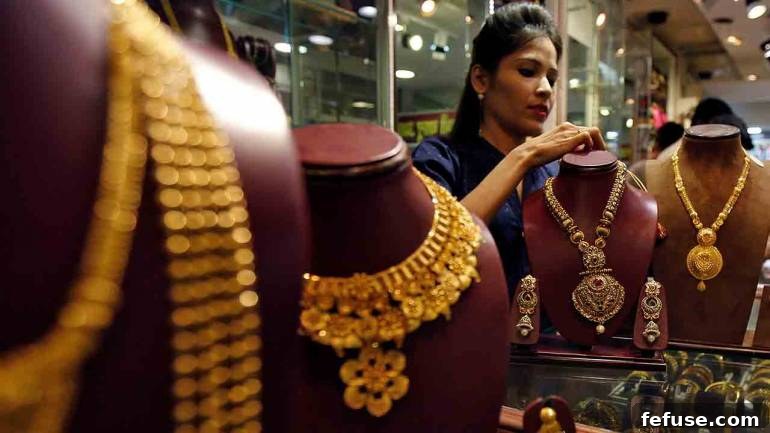
Empowering India’s Gems and Jewellery Sector: The Formation of a National Domestic Council
India’s vibrant gems and jewellery sector, a cornerstone of its economy and cultural heritage, is poised for significant growth and transformation with the imminent formation of a dedicated National Domestic Council. This strategic initiative aims to invigorate the labour-intensive industry, streamline its operations, and amplify its presence on both domestic and international fronts. The move comes at a crucial time when the sector faces global headwinds and seeks robust internal mechanisms to foster sustainable development and competitiveness. The council’s establishment underscores the government’s commitment to nurturing one of the nation’s most prestigious and economically vital industries.
A Vision for Growth: The Domestic Council’s Mandate
The concept of a National Domestic Council for Gems and Jewellery has emerged from extensive consultative meetings, spearheaded by key government figures, including the Commerce and Industry Minister, Suresh Prabhu. As articulated in his tweet, these discussions focused on ensuring the Domestic Council would be an “inclusive, democratic and self-sustainable organisation.” The overarching goal is to establish a unified body that genuinely represents the diverse interests of the industry across the nation. This council will serve as a pivotal unifying force, bringing together various stakeholders from state and regional associations under one national umbrella, fostering a collaborative environment for progress.
Its comprehensive mandate will encompass a wide array of critical functions designed to propel the sector forward. Primarily, the council is tasked with addressing all pertinent issues ranging from boosting exports to stimulating robust growth within the domestic market. This holistic approach signifies a recognition of the symbiotic relationship between local demand and international trade, understanding that a strong domestic foundation is vital for global success. By consolidating efforts and voices, the council aims to create a more coherent and powerful advocacy platform for the entire gems and jewellery value chain.
Driving Exports and Global Competitiveness
One of the council’s primary objectives will be to strategize and implement measures that enhance India’s gems and jewellery exports. The sector experienced an 8 percent contraction, with exports dropping to approximately USD 32.72 billion in 2017-18, a noticeable decrease from USD 35.47 billion in 2016-17, according to the Gems and Jewellery Export Promotion Council (GJEPC) data. This downturn was largely attributed to a slowdown in demand across major international markets, particularly the United States, coupled with negative growth in specific segments like silver jewellery and gold medallions/coins, and a concerning rise in the return of consignments.
The Domestic Council will play a crucial role in mitigating these challenges by fostering market diversification, identifying emerging global opportunities, and promoting the “Brand India” image on the world stage. This involves facilitating participation in international trade fairs, exploring new bilateral trade agreements, and supporting e-commerce initiatives that broaden the reach of Indian craftsmanship. By actively engaging with global buyers and understanding evolving consumer trends, the council can help Indian exporters adapt and innovate, ensuring their products remain competitive and desirable. Strategies will also include promoting adherence to international quality standards and ethical sourcing practices to enhance global trust and market access.
Fostering Robust Domestic Market Expansion
Beyond exports, a significant focus of the council will be on nurturing the domestic market. India possesses a vast consumer base with a deep cultural affinity for gems and jewellery, making it one of the largest markets globally. The council aims to unlock this potential further by implementing strategies that enhance consumer confidence, promote quality standards, and encourage design innovation. This includes developing robust certification processes, launching awareness campaigns about ethical sourcing and product authenticity, and supporting the expansion of organized retail channels across different regions, thereby bringing greater transparency and trust to local transactions.
Moreover, the council will work towards understanding regional specificities in demand and design preferences, enabling manufacturers and retailers to tailor their offerings more effectively. By strengthening the domestic supply chain, supporting small and medium enterprises (SMEs) through easier access to finance and technology, and encouraging local craftsmanship, the council can create a resilient and vibrant internal market. Such a market can serve as a consistent demand driver, buffering against global economic fluctuations and providing a stable base for the industry’s overall growth.
The Immense Significance of India’s Gems and Jewellery Sector
The gems and jewellery sector is not merely an industry; it is a vital pillar of the Indian economy and a testament to the nation’s rich artisan traditions. It is renowned for being labour-intensive, providing direct and indirect livelihoods to millions across various skill levels, from intricate cutting and polishing to sophisticated design and retail. This sector significantly contributes to the country’s overall exports, accounting for approximately 14 percent of the total, highlighting its critical role in earning foreign exchange, reducing trade deficits, and maintaining a favorable balance of trade.
India’s prowess in diamond cutting and polishing is globally recognized, positioning it as a leading hub for processing rough diamonds. Beyond diamonds, the country excels in crafting gold jewellery, precious gemstones, and traditional artisanal pieces that reflect centuries of heritage and unparalleled skill. The sector’s ability to seamlessly blend traditional techniques with modern designs offers a unique value proposition in the international market. Furthermore, its economic ripple effect extends to allied industries such as machinery manufacturing, logistics, packaging, and financial services, making it a true multiplier and growth engine for the broader economy.
Addressing Key Challenges for Sustainable Growth
While the sector boasts impressive strengths and a storied history, it also grapples with several persistent challenges that the Domestic Council is strategically positioned to address. The recent export contraction serves as a stark reminder of the global demand sensitivity and the need for adaptive strategies. Beyond this, other issues include intense international competition from established and emerging markets, fluctuating raw material prices (especially for precious metals and stones), and the imperative need for continuous technological upgradation to maintain efficiency and precision in manufacturing.
A critical challenge lies in skill development. Despite a large existing workforce, there’s a constant need for upskilling and reskilling programs to keep pace with evolving design trends, advanced manufacturing technologies, and stringent global quality benchmarks. Ensuring a steady pipeline of skilled artisans, designers, and technicians is paramount for sustained growth and innovation within the industry. Additionally, improving access to affordable finance for smaller players and micro-enterprises, navigating complex domestic and international regulatory frameworks, and promoting sustainable and ethical practices throughout the entire value chain are areas requiring concerted effort and strategic intervention from the council.
Policy Advocacy and Regulatory Frameworks
One of the crucial functions of the Domestic Council will be to act as a unified, powerful voice for the entire industry, engaging in constructive dialogue with government bodies at both central and state levels. This policy advocacy will focus on streamlining regulatory frameworks, simplifying taxation policies (such as GST implications), and addressing trade barriers that hinder seamless import and export operations. By providing informed recommendations based on industry insights and data, the council can help create a more conducive business environment, fostering ease of doing business and attracting further domestic and foreign investment into the sector, thus unlocking its full potential.
Skill Development and Technological Advancement
Recognizing the labour-intensive nature of the industry and the rapid pace of global change, the council will prioritize initiatives aimed at skill enhancement and technological absorption. This could involve collaborating with educational institutions and vocational training centers to develop specialized curriculum and programs for cutting, polishing, designing, and manufacturing. Establishing centers of excellence for design and craftsmanship, and promoting vocational training in remote, traditional jewellery-making clusters will be key. Furthermore, encouraging the adoption of advanced technologies such as CAD/CAM software, 3D printing for rapid prototyping, and automated manufacturing processes will be vital for improving efficiency, precision, and design capabilities, helping India maintain its competitive edge in a globalized market.
Promoting Sustainability and Ethical Practices
In today’s global market, consumers and stakeholders increasingly demand transparency, traceability, and ethical sourcing throughout the supply chain. The Domestic Council will play a pivotal role in promoting sustainable practices throughout the entire value chain, from responsible mining and sourcing of raw materials to fair labor standards, safe working conditions, and environmentally friendly manufacturing processes. Adherence to international standards like the Kimberley Process Certification Scheme for diamonds, and encouraging wider adoption of ethical certifications for gemstones and gold, will not only build consumer trust and loyalty but also open doors to new, discerning markets that prioritize responsible business conduct and corporate social responsibility.
A Strategic Vision for the Future
The establishment of the National Domestic Council for Gems and Jewellery marks a significant and forward-looking step towards creating a more organized, resilient, and globally competitive Indian gems and jewellery sector. By consolidating diverse efforts, fostering robust collaboration among all stakeholders, and providing a unified platform for strategic dialogue and decisive action, the council is set to unlock the immense untapped potential of this crucial industry, guiding it through its next phase of evolution and growth.
Its strategic vision extends beyond addressing immediate challenges, aiming to position India as the undisputed global leader in design, manufacturing, and trade of gems and jewellery. Through sustained focus on innovation, continuous skill development, aggressive market expansion strategies, and unwavering commitment to ethical and sustainable practices, the council will empower millions of artisans and entrepreneurs. This initiative will not only strengthen the national economy but also ensure that India’s glittering legacy in gems and jewellery continues to shine brightly on the world stage, inspiring confidence and driving prosperity for generations to come.
Source: moneycontrol.com