
Unearthing Disparity: A Comprehensive Look at Executive Compensation and Gender Diversity in the Global Mining Sector
The global mining industry, a cornerstone of economies worldwide, continues to grapple with significant challenges and opportunities, from commodity price fluctuations to sustainability demands. Amidst this dynamic landscape, the issue of leadership diversity and executive compensation remains a critical area of focus. A recent annual survey conducted by The Bedford Consulting Group, a respected authority in executive and board compensation analysis, shed illuminating light on these very topics, revealing both encouraging achievements and persistent disparities within the sector.
Examining nearly 200 companies within their extensive sample, the Bedford report highlighted a stark reality concerning gender representation at the highest levels of mining organizations. The findings indicated that merely 13% of board members across these companies were women. This figure, while showing incremental progress in some areas of corporate governance globally, still underscores a substantial gender gap within the mining sector’s boardroom landscape, a critical area for strategic decision-making and oversight.
The gender disparity became even more pronounced when the analysis delved into named executive officers (NEOs) within mining firms. Here, the representation of women plummeted further, with only 8% holding these pivotal leadership roles. This data suggests that while women may be slowly gaining traction in some board positions, the path to the most influential executive suites within the mining industry remains significantly challenging. Interestingly, the survey identified the Chief Financial Officer (CFO) as the most common executive role held by women, indicating a potential pathway for female leaders to ascend within the sector, often leveraging their expertise in financial management and corporate strategy.

Spotlight on Executive Remuneration: CFOs and CEOs
Beyond diversity metrics, the Bedford survey provided invaluable insights into executive compensation trends. The report meticulously analyzed compensation structures, revealing a complex picture influenced by company size, market performance, and individual executive contributions. For Chief Financial Officers, the findings showcased remarkable variability in remuneration, reflecting the often-volatile nature of the mining industry and its commodity markets.
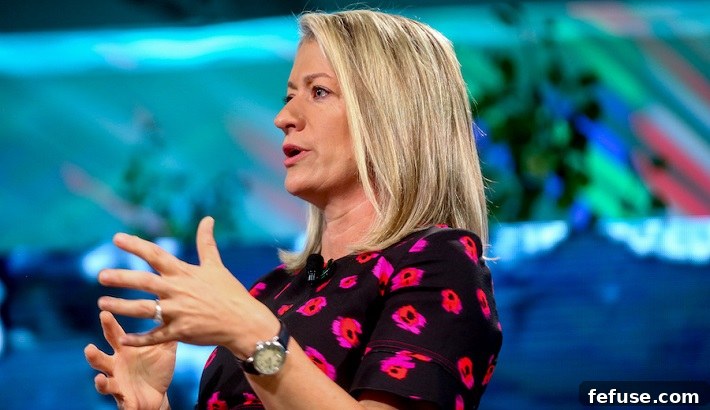
The report revealed that the top-paid mining CFO was Kathleen Quirk of Freeport McMoMoRan Copper and Gold Inc., a prominent figure in the global resources sector. Her total compensation reached an impressive $8,551,822, a testament to her critical role and the significant value she brings to one of the world’s largest producers of copper and molybdenum. This recognition highlights the immense responsibility and strategic importance of the CFO role, particularly in managing the complex financial intricacies of a major mining operation, including capital allocation, risk management, and investor relations, often in the face of fluctuating commodity prices and global economic shifts. Quirk’s achievement also serves as an inspiring example for aspiring female executives within the industry, demonstrating the potential for significant career and financial success at the highest levels.
Looking at the broader landscape of CFO compensation, the Bedford report identified a wide spectrum of changes compared to the previous year. Median total compensation for CFOs ranged from a substantial 34% decrease at companies with assets valued between $100 million and $200 million, to an astounding 76% increase for companies with assets below $100 million. This wide divergence underscores the differential impact of market forces and operational realities on companies of varying scales. Smaller, often junior mining companies, might have experienced a period of significant growth or successful project development that led to substantial increases in executive pay, potentially reflecting successful capital raises or major exploration successes. Conversely, mid-tier companies might have faced specific operational headwinds, commodity price pressures, or project delays that impacted their financial performance and, consequently, their executive compensation packages.
Chief Executive Officers, on the other hand, generally experienced a more favorable year in terms of compensation. At the 50th percentile, CEO total compensation exhibited a clear correlation with company size, ranging from $319,047 for companies with less than $100 million in assets, to a staggering $7,754,543 at companies boasting over $20 billion in assets. This substantial range reflects the escalating complexity, strategic demands, and global reach associated with leading larger, multi-national mining conglomerates. The leadership of such entities demands not only operational excellence but also acute geopolitical awareness, advanced stakeholder management, and sophisticated capital market engagement, all of which are factored into their compensation structures.
Highlighting the pinnacle of CEO remuneration in the sector, the Toronto-based consultancy identified Lourenco Gonçalves of Cliffs Natural Resources as the top-paid mining CEO. His total paid compensation stood at an extraordinary $23,781,303. Such a robust compensation package is often indicative of exceptional corporate performance, successful strategic transformations, significant shareholder value creation, or the achievement of ambitious operational targets under challenging circumstances. Gonçalves’ leadership at Cliffs Natural Resources during the period likely involved navigating complex market dynamics, potentially overseeing mergers, acquisitions, or significant divestments, and driving profitability in a highly competitive global market.
The Rigor and Reach of The Bedford Report
The annual Bedford report stands as a definitive and indispensable resource for understanding compensation and governance trends within the global mining industry. Far from a superficial overview, it offers an in-depth, meticulous analysis of remuneration paid by major, mid-tier, and junior miners. Crucially, the scope extends to companies listed on two of the world’s most significant financial exchanges for mining ventures: the Toronto Stock Exchange (TSX) and the New York Stock Exchange (NYSE).
The report’s global reach is equally impressive, encompassing companies operating across diverse geographical regions including Canada, Australia, Asia, Africa, Latin America, and the United States. This international perspective is vital, given the inherently global nature of mining exploration, extraction, and supply chains. By analyzing data from such a broad range of jurisdictions, the report provides a truly representative snapshot of compensation practices and market realities worldwide.
The robust methodology of the document is evident in its comprehensive sample size, covering 765 named executive officers and 1,200 board members. These individuals hail from firms actively involved in the extraction, processing, and ownership of a wide array of critical minerals and commodities, including gold, silver, copper, coal, molybdenum, vanadium, cobalt, and various other essential resources. This breadth ensures that the analysis is relevant across the diverse sub-sectors of the mining industry, from precious metals to industrial minerals, each with its unique economic drivers and operational complexities.
In a press release elaborating on their methodology, Bedford explained that their exhaustive analysis encompasses all key components of executive and board remuneration. This includes base salaries, which provide a foundational income; various bonus plans designed to reward short-term performance; and long-term incentive plans (LTIPs), which are crucial for aligning executive interests with long-term shareholder value creation and strategic objectives. Furthermore, the report details meeting fees and equity rewards paid to board chairs and members, recognizing the significant fiduciary duties and time commitments required for effective governance. The analysis extends to remuneration for chief executive officers (CEOs), chief financial officers (CFOs), chief operating officers (COOs), and other critical mining executives, all based on the 2017 fiscal year financial filings of publicly-listed mining companies. Relying on publicly available financial disclosures ensures transparency and validates the report’s findings against verifiable corporate data.
Valuable Insights for Stakeholders and the Path Forward
The significance of the Bedford report resonates deeply with various stakeholders across the mining ecosystem. As Frank Galati, Managing Partner of Bedford, aptly stated in the media brief, “For boards, executives and shareholders, this annual report provides valuable insights into compensation and governance.” This assessment underscores the multifaceted utility of the detailed findings.
For **boards of directors**, the report serves as an essential benchmarking tool, enabling them to evaluate their own compensation structures against industry peers and best practices. It helps them ensure that executive pay is competitive enough to attract and retain top talent, yet also fair and aligned with company performance and shareholder interests. Furthermore, the insights into gender diversity can prompt boards to re-examine their recruitment and succession planning strategies to foster a more inclusive and representative leadership team.
For **executives**, the report offers a transparent view of market compensation trends, allowing them to understand the value of their roles and the components of their remuneration packages relative to the broader industry. This intelligence can be instrumental in career planning, negotiation, and understanding the performance metrics that drive higher compensation levels.
For **shareholders**, the report is a critical instrument for exercising oversight and ensuring accountability. It provides clarity on how executive pay is structured and how it correlates with corporate performance, allowing shareholders to assess whether their investment is being managed by leadership teams whose incentives are truly aligned with long-term value creation. Transparency in compensation is a cornerstone of good corporate governance and investor confidence.
Beyond these primary stakeholders, the report also offers valuable insights for regulators, academics, and industry associations seeking to understand and influence the evolution of leadership and governance in the mining sector. The persistent gender imbalance highlighted by the data, for instance, signals a clear call to action for the industry to redouble its efforts in promoting diversity and inclusion. Attracting and retaining a diverse talent pool, particularly women, is not just a matter of social justice but a strategic imperative for innovation, improved decision-making, and enhanced corporate reputation in the 21st century.
The Bedford Consulting Group’s annual survey remains an indispensable barometer for measuring progress and identifying areas for improvement in executive compensation and board composition. As the global mining industry continues to evolve, facing new technological advancements, environmental pressures, and social expectations, robust data and insightful analysis like that provided by Bedford will be crucial in guiding its leadership towards a more sustainable, equitable, and prosperous future.
NewsSource: mining.com