
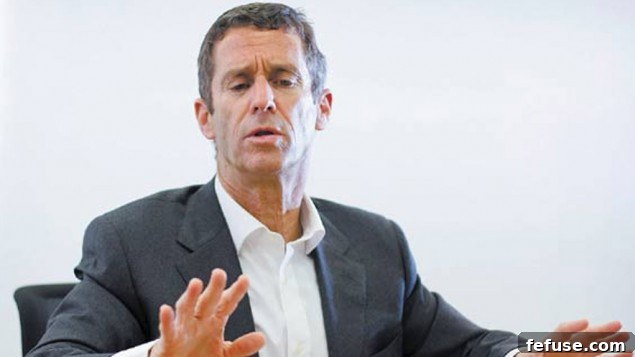
Beny Steinmetz Convicted: A Deep Dive into the Simandou Bribery Scandal and Global Anti-Corruption Efforts
The world of high finance and resource acquisition was rocked by a landmark ruling as diamond billionaire Beny Steinmetz was sentenced to five years in jail by a Swiss court. His conviction stems from a sophisticated scheme involving the bribery of Guinean officials to unlawfully secure highly coveted mining rights, shining a spotlight on corporate corruption in the extractive industries.
The Geneva criminal court found Steinmetz guilty of paying a staggering $8.5 million in bribes. These illicit payments were channelled to Mamadie Touré, one of the ex-wives of Lansana Conté, Guinea’s former president, with the explicit aim of gaining iron ore exploration and mining rights for his entity, the BSGR Group (Beny Steinmetz Group Resources). This verdict marks a significant moment in the global fight against cross-border corruption, demonstrating that powerful individuals, regardless of their wealth or influence, are not above the law.
This Swiss conviction adds to Steinmetz’s growing list of legal woes. Just a month prior, an unrelated court case in Romania resulted in another five-year jail term for land fraud, painting a consistent picture of a business magnate entangled in serious legal controversies across multiple jurisdictions. Despite these severe sentences, Steinmetz, a 64-year-old holding both French and Israeli citizenship, currently remains at liberty, asserting his intention to appeal both verdicts vigorously.
The Coveted Riches of Simandou: A “Jackpot” Deal
The heart of the bribery scandal lies in the Simandou mountains of south-eastern Guinea, home to what are widely regarded as the world’s most valuable untapped iron ore deposits. Simandou is a geological marvel, boasting an estimated 2 billion tonnes of high-grade iron ore, a critical component for steel production. For a nation as impoverished as Guinea, securing fair and transparent deals for such resources is paramount for its economic development and the well-being of its citizens.
The controversial deal was struck in 2008, a period when Guinea was still reeling from political instability and weak governance. The agreement, orchestrated by BSGR, was brazenly described by some as winning the “jackpot.” Steinmetz’s group paid approximately $160 million for the exploration and mining rights to two crucial blocks of the Simandou concession. Within a remarkably short timeframe, BSGR flipped half of these rights to Vale, the Brazilian multinational mining giant, for an astonishing $2.5 billion. This exponential profit — over fifteen times their initial investment — immediately raised red flags and drew intense scrutiny from anti-corruption watchdogs and international investigative bodies.
The Architect of an Empire: Beny Steinmetz’s Rise and Diversification
Before his name became synonymous with legal battles and corruption allegations, Beny Steinmetz built an formidable business empire. He began his career as a diamond trader in the bustling markets of Antwerp, a global hub for the diamond industry. Along with his brother Daniel, he co-founded SDG (Steinmetz Diamonds Group), which rapidly grew into a major global supplier and manufacturer of polished diamonds. His acumen and strategic vision propelled him to the pinnacle of the diamond world, establishing a reputation for sharp business dealings.
As his wealth and influence expanded, Steinmetz strategically diversified his holdings far beyond diamonds. His vast portfolio eventually encompassed real estate, mining, various minerals, financing operations, and substantial interests in the oil and gas sectors. At one point, his personal fortune was estimated to exceed $1 billion, solidifying his status as one of Israel’s wealthiest individuals. This diversification allowed him to become a formidable player on the global economic stage, but it also exposed his various ventures to heightened international scrutiny and regulatory oversight.
The Geneva Trial: Unraveling the Bribery Scheme
The court case that culminated in Friday’s sentencing in Geneva was the result of years of meticulous investigation by Swiss and international prosecutors. The probe meticulously traced the complex web of transactions and communications designed to obscure the illicit nature of the payments. Prosecutors argued that Steinmetz, through intermediaries, orchestrated the bribery of Guinean officials to secure the lucrative Simandou iron ore concession. The trial saw extensive evidence presented, detailing how the money reached Mamadie Touré and how it was ultimately intended to influence decision-makers in the Guinean government under then-President Lansana Conté.
The prosecution’s case successfully convinced the Swiss court that Steinmetz was at the apex of the criminal enterprise, personally approving the corrupt payments. The verdict against him was not merely symbolic; it carried a substantial financial penalty in addition to the custodial sentence. The court ordered Steinmetz to pay a staggering $56 million fine, a sum intended to reflect the scale of the illicit gains and the severity of the financial crime committed. This financial penalty, alongside the jail term, sends a clear message about the consequences of corporate corruption in jurisdictions like Switzerland, which has strict anti-bribery laws.
A Broader Message: Combating Corruption in Resource-Rich Nations
The conviction of Beny Steinmetz holds profound implications that extend far beyond the individual case. It underscores the critical importance of international cooperation in prosecuting corporate bribery, particularly when it involves natural resources in developing countries. For Guinea, a nation with immense mineral wealth but historically plagued by poverty and corruption, the Simandou scandal represents a painful example of how valuable national assets can be illicitly exploited for private gain, depriving its people of essential revenue for development.
The fact that the trial took place in Switzerland, a country often associated with discreet financial dealings, highlights a growing global trend: jurisdictions are increasingly willing to investigate and prosecute their citizens or companies for corrupt acts committed abroad. This ruling serves as a powerful deterrent to other multinational corporations and individuals contemplating similar illicit practices to gain an unfair advantage in resource-rich but governance-challenged nations. It reinforces the principle that those who engage in bribery, no matter how powerful or well-connected, can ultimately be held accountable.
Anti-corruption advocates and civil society organizations have hailed the verdict as a victory for transparency and justice. They hope it will empower governments in resource-rich countries to demand greater accountability from foreign investors and to ensure that resource deals are negotiated openly and for the benefit of their populations. The ongoing fight against illicit financial flows and corrupt practices remains a formidable challenge, but landmark cases like Beny Steinmetz’s conviction provide crucial momentum.
The Road Ahead: Appeals and Legacy
While the Swiss court has delivered its verdict, the legal saga is far from over. Beny Steinmetz maintains his innocence, vehemently denying all charges and vowing to exhaust all avenues of appeal. The process of international appeals can be protracted and complex, and his legal teams are expected to challenge both the Geneva and Romanian verdicts on multiple grounds. His current liberty, despite the sentences, underscores the lengthy and often intricate nature of such high-profile legal battles.
Regardless of the outcome of future appeals, this conviction irrevocably alters Beny Steinmetz’s legacy. Once celebrated for his entrepreneurial prowess and vast wealth, his name is now inextricably linked with allegations of grand corruption and illicit dealings. The Simandou bribery case has become a cautionary tale in the annals of global business, serving as a stark reminder that the pursuit of profit must always remain within the bounds of legality and ethical conduct. The fight for justice in Guinea and other resource-rich nations continues, but this verdict marks a significant milestone in the global effort to combat the corrosive impact of corporate corruption.