
Louis Vuitton’s Groundbreaking Acquisition: The Sewelo Diamond and Its Transformative Impact on Luxury
In a move that sent ripples throughout the global luxury and gems industries, French fashion behemoth Louis Vuitton, a cornerstone of the LVMH Moët Hennessy Louis Vuitton conglomerate, announced its acquisition of the awe-inspiring Sewelo diamond. This monumental purchase marks a significant strategic pivot for the venerable fashion house, propelling it deeper into the exclusive realm of high jewelry and challenging the established order of the diamond market. Discovered in April 2019, the Sewelo is not merely a large stone; it is a symbol of rarity, an emblem of geological wonder, and now, a testament to Louis Vuitton’s audacious vision for the future of luxury.
A Diamond of Unprecedented Scale: The Story of Sewelo
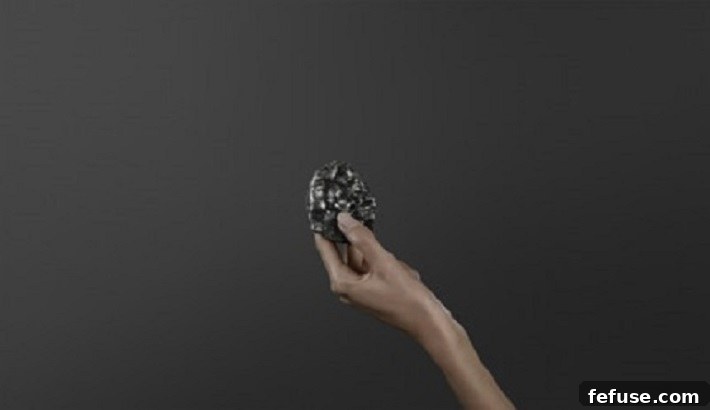
The Sewelo diamond emerged from the earth at the Karowe mine in Botswana, a site renowned for its prolific yield of exceptional quality stones. Operated by Lucara Diamond Corp, a Canadian mining company, the Karowe mine has consistently delivered remarkable discoveries, yet even by its high standards, the Sewelo stands out. Weighing an astonishing 1,758 carats, the diamond earned its name, meaning “rare find” in Setswana, a fitting description for a gem of such immense proportions. Its raw, rugged form is roughly the size of a tennis ball, making it the second-largest rough diamond ever unearthed in recorded history. This places it in an elite category, surpassed only by the legendary 3,106.75-carat Cullinan diamond, discovered in South Africa in 1905. The Cullinan, through meticulous cutting, famously yielded two enormous, flawless stones – the 530.4-carat Great Star of Africa and the 317.4-carat Smaller Star of Africa – both now integral parts of the British Crown Jewels, alongside numerous other significant gems. The discovery of Sewelo immediately sparked speculation about its ultimate potential and the record-breaking finished stones it might produce, positioning it as a direct successor in the lineage of the world’s most historically significant diamonds.
Louis Vuitton’s Strategic Masterstroke: Beyond Fashion into High Jewelry
For Louis Vuitton, a brand synonymous with iconic handbags, luggage, and haute couture, the acquisition of the Sewelo diamond represents far more than just purchasing a valuable asset; it is a declaration of intent. While Louis Vuitton has steadily expanded its presence in the fine jewelry sector over recent years, this move catapults the brand into an entirely new stratosphere, directly competing with traditional high jewelry houses that have historically dominated the market for such extraordinary stones. Michael Burke, the chief executive of Louis Vuitton, openly acknowledged the disruptive nature of this acquisition. In interviews, he expressed how the decision had genuinely surprised competitors, noting that it was a deliberate strategy to “spice things up a bit and wake up the industry.” This sentiment underscores a broader trend within the luxury sector: established brands are increasingly seeking to control their supply chains and integrate vertically, ensuring exclusivity and authenticity from the raw material to the finished product. By securing a gem of Sewelo’s caliber, Louis Vuitton is not just selling jewelry; it’s selling a unique narrative, a piece of geological history, and an unparalleled luxury experience that begins directly with the source.
This bold maneuver solidifies Louis Vuitton’s ambition to be a full-fledged player in the ultra-luxury segment, moving beyond mere accessories to crafting singular, high-value pieces that resonate with discerning clientele. It allows the brand to exert creative control over the entire journey of the diamond, from its rough state to its final polished brilliance, promising an unparalleled level of craftsmanship and storytelling that only a maison of Louis Vuitton’s stature can deliver. This direct involvement signals a new era where fashion houses are not merely designers but also custodians of the world’s most precious natural treasures.
The Broader Implications for the Diamond and Luxury Market
The Sewelo acquisition has undeniably sent shockwaves through the diamond industry. Traditionally, rough diamonds of this magnitude would be acquired by a select few specialized diamond dealers and cutters, often operating behind the scenes, before being offered to high-end jewelers. Louis Vuitton’s direct intervention bypasses this conventional chain, effectively cutting out intermediaries and directly integrating a critical upstream asset. This strategy has significant implications:
- Disruption of Traditional Supply Chains: It challenges the long-standing norms of how exceptional rough diamonds are traded and processed.
- Increased Competition for Raw Materials: Other luxury brands may now feel compelled to pursue similar direct acquisitions to secure unique stones, intensifying competition for rare finds.
- Enhanced Brand Storytelling: For Louis Vuitton, owning the Sewelo allows for an unparalleled narrative from mine to maison, emphasizing transparency, origin, and the ethical journey of the diamond. This resonates deeply with modern luxury consumers who demand traceability and responsible sourcing.
- Shifting Power Dynamics: The move empowers luxury brands by giving them greater control over the creation of their high jewelry collections, potentially reducing their reliance on traditional diamond suppliers.
- Innovation in Design: With direct access to such a unique stone, Louis Vuitton’s in-house design teams can conceptualize and execute collections around the Sewelo with unparalleled creative freedom, pushing the boundaries of contemporary high jewelry design.
Moreover, this acquisition reflects a broader evolution in the luxury market where experiences and unique stories are becoming as valuable as the products themselves. Louis Vuitton isn’t just buying carats; it’s investing in legacy, exclusivity, and the ability to craft truly bespoke masterpieces that are intrinsically linked to its brand identity.
From Rough to Radiance: The Journey Ahead for Sewelo
The next chapter for the Sewelo diamond will be a complex and delicate one: its transformation from a rough, unyielding behemoth into a collection of dazzling, polished gems. This process, often referred to as “planning and cutting,” requires an extraordinary blend of scientific precision, artistic vision, and decades of accumulated expertise. Given the Sewelo’s immense size and unique characteristics – its exact clarity and color will only be fully revealed during the cutting process – the task will undoubtedly be entrusted to the world’s most skilled master cutters. Their challenge will be to maximize the stone’s inherent beauty, minimizing waste while aiming to yield the largest possible flawless diamonds, potentially creating several record-breaking stones. The decisions made during this phase will determine the ultimate value and historical significance of the Sewelo’s progeny. The anticipation surrounding the reveal of these finished gems, and their eventual incorporation into Louis Vuitton’s high jewelry collections, will undoubtedly captivate collectors, connoisseurs, and the public alike, marking a truly historic moment in the annals of luxury and gemology.
Botswana’s Enduring Legacy in Diamond Mining
It is also crucial to acknowledge the critical role Botswana plays in the global diamond industry and the immense significance of discoveries like the Sewelo. Botswana is a shining example of how natural resources, when managed responsibly, can drive national development and prosperity. Diamonds are the bedrock of the Botswanan economy, significantly contributing to its GDP and funding essential public services, infrastructure, education, and healthcare. Lucara Diamond Corp, through its Karowe mine, operates with a strong commitment to ethical sourcing and responsible mining practices, ensuring that the wealth generated from these geological treasures benefits the nation and its people. The discovery of the Sewelo not only brings international attention to Botswana’s rich mineral endowment but also reinforces its reputation as a leading source of exceptional, high-value diamonds, cementing its legacy as a pivotal player in the world’s most glamorous industry.
Conclusion: A New Dawn for Louis Vuitton and High Jewelry
The acquisition of the Sewelo diamond by Louis Vuitton is more than a commercial transaction; it is a defining moment that redefines boundaries within the luxury landscape. It underscores Louis Vuitton’s unwavering commitment to innovation, exclusivity, and a holistic approach to luxury that spans from the initial discovery of a raw material to the creation of an exquisite finished masterpiece. As the world eagerly awaits the transformation of the Sewelo from a geological marvel into a collection of breathtaking gems, one thing is clear: Louis Vuitton has not merely purchased a diamond; it has invested in a bold future, setting a new precedent for how heritage luxury brands can continue to surprise, inspire, and captivate in the 21st century. This strategic move is poised to leave an indelible mark on both the high jewelry market and the enduring legacy of one of the world’s most iconic luxury houses.