
Kering Navigates Challenging Luxury Landscape: A Deep Dive into H1 2024 Performance and Future Strategy
Luxury conglomerate Kering, a prominent player in the global high-end market, reported a demanding first half of 2024, with its group revenue experiencing an 11% decline, settling at €9.01 billion. This significant downturn underscores a challenging period for the luxury sector, marked by a complex global economic environment that impacted both Kering’s top-line growth and its overall profitability. The results highlight the intensified pressures luxury brands are currently facing, from shifting consumer behaviors to regional economic fluctuations, demanding agile and robust strategic responses.
Kering’s H1 2024 Financial Overview: A Period of Contraction
The 11% dip in Kering’s revenue for the first six months of 2024 signals a period of contraction across several of its key divisions. This performance comes amidst a broader slowdown in the global luxury market, which has seen consumers become more cautious with discretionary spending. Factors such as persistent inflation, geopolitical uncertainties, and a general cooling of post-pandemic luxury demand have collectively contributed to a less buoyant market environment than anticipated. For a conglomerate of Kering’s stature, with a portfolio spanning iconic fashion houses and prestigious jewelry brands, navigating such headwinds requires a delicate balance of short-term adjustments and long-term strategic investments.
The impact extended beyond mere sales figures, significantly affecting profitability. The company’s recurring operating income saw a substantial decrease, reflecting not only the reduced sales volume but also increased investments aimed at future growth. This strategic decision to “double down” on investments, even in a challenging climate, demonstrates Kering’s commitment to fortifying its brands for a return to sustainable growth, albeit at the cost of immediate earnings.
Brand Performance Under Scrutiny: Gucci and Yves Saint Laurent Face Headwinds
Gucci’s Significant Setback: Understanding the 20% Revenue Drop
Gucci, Kering’s flagship brand and historically its primary growth engine, faced a particularly steep decline, with revenue plummeting by 20% to €4.1 billion. This considerable setback reveals the vulnerabilities of even the most established luxury powerhouses when market conditions sour. The brand’s performance was significantly impacted by two critical factors: lower store traffic and a notable decrease in sales, particularly within the crucial Asia-Pacific region. The Asia-Pacific market, often a bellwether for luxury trends and a key driver of growth, has experienced a deceleration, largely influenced by economic uncertainties and evolving consumer sentiment in China.
Lower store traffic isn’t just a symptom of reduced demand; it also reflects a shift in consumer engagement and potentially intensified competition. Modern luxury consumers are increasingly discerning, seeking unique experiences and strong brand narratives. Gucci has been actively working on a brand refresh under new creative leadership, but the full impact of these changes takes time to materialize in sales figures. Reinvigorating a brand of Gucci’s scale requires careful calibration of product innovation, marketing campaigns, and retail experience to recapture consumer interest and loyalty, especially in pivotal markets like Asia.
Yves Saint Laurent: Navigating a Shifting Market
Yves Saint Laurent (YSL), another cornerstone of Kering’s fashion empire, also encountered difficulties, with its revenue dropping by 9% to €1.4 billion. While not as drastic as Gucci’s decline, YSL’s performance underscores the pervasive nature of the market challenges. YSL’s aesthetic typically appeals to a sophisticated and loyal customer base, and its struggles can be attributed to a combination of broader economic pressures affecting consumer spending on high-end fashion, and potentially increased competition within its specific luxury segment. Maintaining growth for a brand like YSL involves continuous innovation within its distinct identity, ensuring its classic appeal resonates with new generations while satisfying its core clientele. The brand’s strategic positioning and focused product assortments are key to its eventual recovery in a volatile market.
The Resilience of High Jewelry: Boucheron and Pomellato Shine
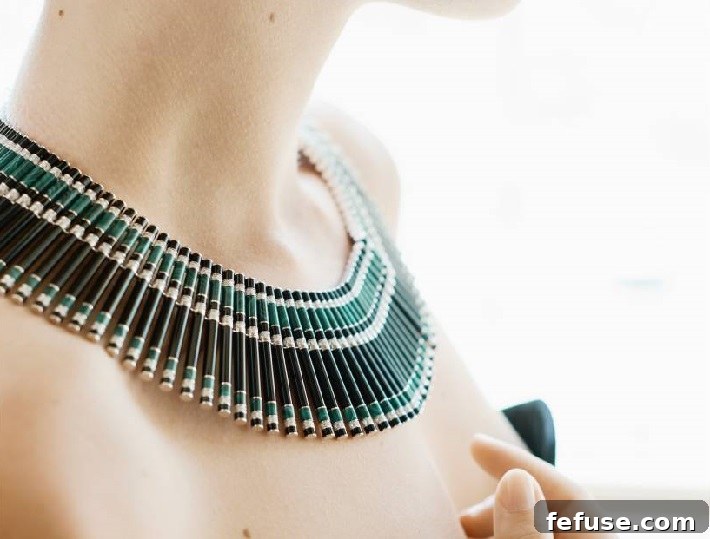
Amidst the widespread challenges, Kering’s jewelry houses, Boucheron and Pomellato, emerged as bright spots, demonstrating robust double-digit growth. This contrasting performance highlights the enduring resilience and unique market dynamics of the high jewelry sector. Luxury jewelry often acts as a safe-haven asset during economic uncertainties, less susceptible to transient fashion trends and more driven by timeless appeal, craftsmanship, and investment value. Consumers investing in high jewelry typically belong to a demographic less impacted by short-term economic fluctuations, seeking enduring value and artistry.
The success of Boucheron and Pomellato provides a crucial counterbalance to the struggles of the fashion divisions. Their strong performance validates Kering’s diversified portfolio strategy and underscores the importance of a multi-faceted approach to luxury. It also suggests opportunities for cross-pollination of best practices, particularly in customer engagement and product differentiation, between the thriving jewelry segment and the recovering fashion brands.
Kering’s Strategic Response: Doubling Down on Long-Term Vision
Despite the prevailing headwinds, Kering remains resolutely optimistic about its long-term prospects. The company has consciously “doubled down on investments,” signaling a firm commitment to future growth rather than solely focusing on short-term cost-cutting. This strategic pivot involves several key pillars:
- Enhancing Product Offerings: Investing in research and development, innovative design, and superior craftsmanship to ensure Kering’s brands continue to offer unparalleled luxury products. This includes introducing new collections, diversifying product categories, and elevating the quality and exclusivity of existing lines to meet evolving consumer demands.
- Strengthening Brand Communications: Allocating significant resources to sophisticated marketing campaigns, digital engagement strategies, and compelling brand storytelling. The goal is to reinforce brand desirability, connect with new audiences, and create immersive experiences that resonate deeply with luxury consumers globally.
- Maintaining Exclusive Distribution Networks: Investing in its retail footprint, both physical and digital, to ensure a controlled and elevated customer experience. This involves renovating existing stores, strategically opening new flagships, and optimizing e-commerce platforms to provide seamless and exclusive access to Kering’s luxury portfolio.
François-Henri Pinault, Chairman and CEO of Kering, articulated this unwavering commitment, stating, “We are working assiduously to create the conditions for a return to growth. While the current context might impact the pace of our execution, our determination and confidence are stronger than ever.” This statement reflects a pragmatic yet determined outlook, acknowledging the immediate challenges while emphasizing the foundational work being undertaken to lay the groundwork for a robust recovery. It suggests a long-term strategic vision that prioritizes brand equity and sustainable development over immediate profit maximization.
Deep Dive into Kering’s Operating Income and Cash Flow
Kering’s financial performance was further impacted by a substantial 42% decline in recurring operating income, which fell to €1.6 billion. This significant reduction directly reflects the increased investments across the business, coupled with the decreased revenue. For a luxury conglomerate, substantial investments are critical for maintaining competitive edge, fostering innovation, and driving future growth. These investments often include high-profile marketing campaigns, product development cycles, store upgrades, and talent acquisition, all of which weigh on immediate profitability.
However, despite the pressure on operating income, the company maintained a strong cash position, with free cash flow from operations reaching an impressive €1.9 billion. This robust cash generation is a crucial indicator of financial health, providing Kering with the liquidity and flexibility to continue funding its strategic initiatives without external pressures. A strong cash flow allows the company to absorb short-term profit dips while continuing to invest in brand revitalization, digital transformation, and market expansion, thereby ensuring its long-term strategic independence and stability.
The Broader Luxury Market Context: A Challenging Environment
Kering’s H1 2024 results are not isolated incidents but rather reflective of a broader shift within the global luxury market. The sector, which experienced unprecedented growth in the post-pandemic era, is now normalizing, if not facing a slight contraction in certain segments. Consumers are becoming more value-conscious, and the demand for “quiet luxury” and timeless pieces is growing, potentially at the expense of more trend-driven fashion. Geographically, while Europe and the US show mixed signals, the slowdown in China and other parts of Asia continues to be a primary concern for many luxury groups.
The industry is also grappling with evolving consumer demographics, where younger generations demand greater transparency, sustainability, and digital engagement. Luxury brands are thus under pressure to innovate not just in product design but also in their operational practices, supply chain ethics, and digital presence. Kering’s strategic investments in product, communication, and distribution are directly aligned with these overarching industry trends, positioning the company to adapt and thrive in this evolving landscape.
Outlook for the Second Half of 2024: Navigating Continued Headwinds
Looking ahead, Kering anticipates a challenging second half of the year, projecting that recurring operating income could decline by approximately 30% compared to the same period last year. This forward-looking statement underscores the continued pressure expected across the market and within its key brands. To mitigate these impacts, the company is intensifying its focus on cost optimization measures. These measures might include streamlining operational efficiencies, carefully managing inventory, optimizing supply chain logistics, and judiciously allocating marketing spend to maximize impact.
Crucially, these cost-saving efforts are not intended to derail the long-term growth strategy. Instead, they are designed to create a leaner, more efficient organization that can better support sustained investments in brand building and innovation. Kering’s ability to manage its cost base while continuing to invest in its core assets will be vital in navigating the current market volatility and positioning itself for a robust recovery when market conditions eventually improve.
Conclusion: Kering’s Path to Future Growth
Kering’s first half of 2024 has undoubtedly been a period of significant challenges, marked by revenue declines, particularly in its flagship fashion houses like Gucci and Yves Saint Laurent. However, the resilient performance of its jewelry brands, coupled with a clear, assertive long-term strategy, provides a beacon of optimism. The company’s commitment to significant investments in product enhancement, brand communication, and exclusive distribution networks, despite immediate financial pressures, demonstrates a profound belief in the enduring power of its luxury portfolio.
Under the steadfast leadership of François-Henri Pinault, Kering is actively laying the groundwork for a return to growth. While the path ahead in the luxury market remains complex and demanding, Kering’s strategic foresight, strong cash position, and unwavering determination position it to weather the current storms and emerge stronger, poised to reclaim its leadership position in the global luxury landscape. The coming months will be crucial in demonstrating the effectiveness of these strategic pivots as Kering continues its journey towards revitalized growth and sustained profitability.