
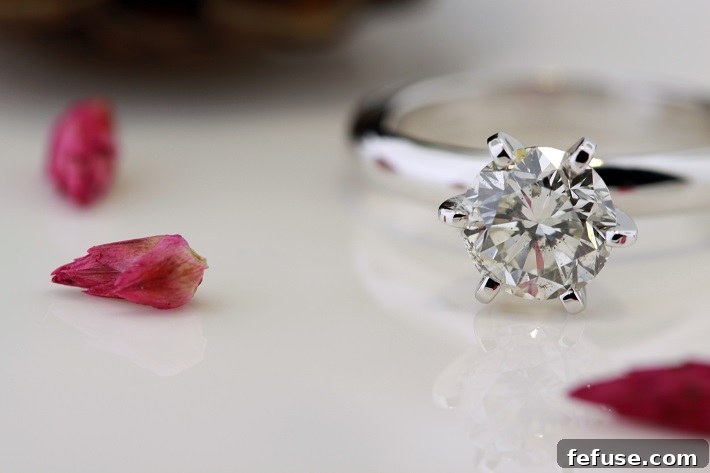
Your engagement ring is far more than just a piece of jewelry; it’s a profound symbol of love, commitment, and a significant investment. Given its immense sentimental and monetary value, it’s only natural to want to preserve its initial brilliance and sparkle for a lifetime. This precious adornment often becomes one of the most cherished gifts you’ll ever receive, making its meticulous care paramount.
However, the world of engagement rings is incredibly diverse. Each ring possesses a unique personality, characterized by its specific gemstones, the type of metal used, and the intricate setting that holds everything together. This inherent individuality means there isn’t a one-size-fits-all approach to cleaning and maintenance. To ensure the longevity and dazzling beauty of your ring, understanding its particular composition and the corresponding care requirements is the first and most critical step before embarking on any cleaning regimen.
The good news is that maintaining your ring’s pristine condition isn’t an insurmountable task. With the right knowledge and consistent effort, you can keep your engagement ring looking as radiant as the day it first graced your finger. Below, we delve into comprehensive tips and essential practices for cleaning your engagement ring and ensuring it sparkles brilliantly for generations to come.
Essential Tips for Keeping Your Engagement Ring Sparking Forever
- Know Your Ring Inside and Out
Before you even consider applying any cleaning solution or brush to your treasured ring, a fundamental understanding of its specific characteristics is absolutely crucial. This isn’t merely a suggestion; it’s a vital prerequisite to prevent accidental damage or discoloration. Every component of your ring – from the central gemstone to the surrounding accent stones, the metal band, and the setting style – plays a role in determining the appropriate cleaning method.
For instance, if your ring features a classic diamond, a gem renowned for its exceptional hardness and durability, you might assume it’s impervious to damage. While diamonds are incredibly tough, proper care is still essential to maintain their famous brilliance. Even the hardest diamond can be chipped or scratched if subjected to extreme force or improper cleaning techniques. Furthermore, some diamonds undergo treatments to enhance their clarity or color. Treated diamonds often require specialized care, as certain chemicals or cleaning methods can negatively impact these enhancements, potentially leading to discoloration or damage. In such cases, consulting a professional jeweler is indispensable for guidance on appropriate cleaning. They can advise on techniques that protect the integrity of your treated gems.
The type of metal your ring is crafted from also dictates care. Platinum and various karats of gold (white, yellow, rose) each have different properties regarding tarnishing and scratch resistance. While gold is a common choice, white gold, for example, is often rhodium-plated to give it a brighter, whiter finish. This plating can wear off over time, and harsh chemicals can accelerate this process, requiring re-plating by a jeweler. Platinum, on the other hand, is extremely durable and naturally white, though it can develop a subtle patina over time that some owners appreciate.
When it comes to non-diamond gemstones, the level of caution escalates significantly. Softer, more porous gems like pearls, opals, emeralds, turquoise, and coral are highly sensitive to chemicals, extreme temperatures, and even water exposure. These delicate stones can easily absorb substances, leading to discoloration, dullness, or even structural damage. For example, pearls can lose their luster and even crack if exposed to acidic cleaners or too much moisture. Opals, known for their captivating play-of-color, are relatively soft and contain water, making them susceptible to drying out and cracking if not cared for properly. Rubies, sapphires, and moissanite are harder gemstones but can still be affected by harsh chemicals. Always research the specific care requirements for your unique gemstone, or better yet, seek advice from a professional jeweler who can provide tailored recommendations.
- Thoroughly Check the Ring’s Current Condition
Before any cleaning commences, conducting a meticulous visual inspection of your engagement ring is paramount. This pre-cleaning check allows you to identify any existing issues that could be exacerbated by the cleaning process, or worse, lead to the loss of a precious gemstone. Think of it as a pre-flight check for your cherished adornment.
Begin by examining your ring under good lighting, perhaps with the aid of a magnifying glass, if available. Pay close attention to the intricate details. Are all the stones securely in their settings? Gently tap the ring close to each stone; if you hear a slight rattle or feel any movement, it’s a clear indication of a loose stone. Loose stones are a major concern, as cleaning them in this state can cause them to fall out, potentially leading to irreparable loss. Inspect the prongs or bezels that hold the gemstones in place. Are they bent, worn, or warped? Weakened prongs may no longer adequately secure the stone, increasing the risk of it dislodging.
Furthermore, inspect the metal band itself. Look for any visible cracks, deep scratches, or signs of stress, particularly near the setting. Even tiny fissures, if left unattended, can compromise the structural integrity of the ring over time. Also, check for any missing accent stones or intricate detailing that might have come loose. Identifying these issues beforehand is critical.
If your inspection reveals any of these problems – a loose stone, warped prongs, cracks in the metal, or missing details – it is strongly advised to refrain from attempting any home cleaning. Instead, your immediate course of action should be to take your ring to a trusted professional jeweler. An experienced and well-equipped jeweler possesses the expertise to not only clean your ring safely without causing further damage but also to address and repair any underlying structural or aesthetic issues. They can re-tighten prongs, secure loose stones, repair cracks, and restore any missing elements, ensuring your ring is not only clean but also structurally sound and secure for continued wear. This preventative measure can save you from costly repairs or the heartache of losing a precious gem in the future.
- Understand When It’s Time for a Cleanse
An engagement ring, particularly one worn daily, is subjected to a constant barrage of elements that conspire to diminish its sparkle. From the moment it’s slipped onto your finger, it accompanies you through countless daily activities – washing dishes, applying lotions and makeup, cooking meals, exercising, and even simply handling everyday objects. This continuous exposure means that your ring, much like any other item of clothing or accessory worn frequently, will inevitably accumulate dirt and grime, eventually losing its initial brilliance. Even the most exquisitely crafted and expensive ring will appear dull and lifeless if not regularly cared for.
Understanding the signs that your ring requires cleaning is key to maintaining its beauty. Here are common indicators that it’s time to give your cherished piece some attention:
- Dull Shine: The most obvious sign is a noticeable reduction in its characteristic luster and sparkle.
- Cloudy Appearance: Gemstones, especially diamonds, may start to look hazy, foggy, or opaque rather than clear and brilliant.
- Reduced Fire and Brilliance: The captivating flashes of color and light (fire) that diamonds are known for will become less pronounced or entirely absent.
- Discoloration: The metal band might appear tarnished, darker, or discolored, particularly in crevices.
There’s no need for alarm when you observe these changes; they are merely visual cues that your ring’s beauty is being temporarily obscured. The primary culprit behind this diminished radiance is the accumulation of dirt, grime, and oils. Diamonds, in particular, possess a unique affinity for grease and oils. Over time, these substances form a microscopic film or coating on the surface of the diamond and within its facets. This oily layer acts as a barrier, preventing light from entering and exiting the stone properly, thereby blocking its inherent sparkle and radiant fire. Similarly, oils and residues can cling to the metal, dulling its finish and making the entire ring appear lackluster. This build-up is further compounded by common products like hand creams, soaps, hairsprays, and even natural skin oils.
To combat this, incorporate regular maintenance into your routine. A quick rinse under clean, warm running water can help dissolve some of the superficial dirt and grime that accumulates daily. For a more thorough clean, aim for a deeper cleaning session at home every few weeks, or whenever you notice the signs mentioned above. Proactive and consistent cleaning will prevent the build-up from becoming too stubborn, making it easier to restore your ring’s dazzling appearance.
- Employ a Soft-Bristled Brush with Care
Once you’ve confirmed your ring is structurally sound and you’ve prepared a gentle cleaning solution, a soft-bristled brush becomes your best friend in dislodging stubborn dirt and grime. The ideal tool for this task is a new, very soft-bristled toothbrush, preferably one designed for sensitive teeth or even a child’s toothbrush. Their smaller heads and extra-soft bristles are perfectly suited for navigating the intricate contours and delicate settings of an engagement ring without causing scratches or damage. Avoid using brushes with stiff bristles, as these can scratch softer metals or even some gemstones.
Before brushing, prepare your cleaning solution. A simple, yet highly effective, solution consists of warm water and a few drops of mild dish soap – clear, dye-free varieties like Dawn are often recommended, as they are gentle and highly effective at cutting through grease. Avoid harsh chemical cleaners, abrasive pastes, or anything containing bleach, chlorine, or ammonia, as these can damage the metal, dull certain gemstones, or compromise treatments on stones. Submerge your ring in this warm, soapy solution for 15-20 minutes. This soaking period helps to loosen accumulated dirt and oils, making the brushing process easier and more effective.
After soaking, gently scrub the ring with your soft brush. Pay particular attention to the areas where dirt tends to accumulate most: the underside of the main gemstone, around the prongs or bezel, and any intricate filigree or detailing on the band. These hidden crevices are magnets for grime and are often overlooked. Approach the cleaning from different angles, ensuring the bristles reach into every nook and cranny. Be gentle but thorough; there’s no need for aggressive scrubbing. The goal is to carefully dislodge the softened dirt, not to scrub away the metal or stone. Don’t forget to brush the base of the setting where the diamond or gemstone is mounted, as this area is notoriously prone to collecting lint and residue.
Once you are satisfied that all visible dirt has been removed, rinse your ring thoroughly under clean, warm running water. It’s advisable to do this over a sink with a stopper or within a bowl to prevent accidentally dropping your ring down the drain. Ensure all traces of soap are rinsed away, as any residue can leave a film and dull the sparkle. Finally, dry your ring carefully with a soft, lint-free cloth, such as a microfiber towel. Air drying is also an option, but a quick buff with a clean cloth will help restore its immediate shine and prevent water spots.
To maintain the softness and cleanliness of your dedicated jewelry brush, store it separately from other toothbrushes. Designate it solely for cleaning your engagement ring and other fine jewelry. This practice ensures that the bristles remain gentle and free from any residue from toothpaste or other products, extending its life and effectiveness for future cleanings.
- Incorporate Regular Polishing into Your Routine
While periodic deep cleaning is essential, daily or regular light polishing can significantly contribute to maintaining your engagement ring’s sparkle and reducing the frequency of more intensive cleaning sessions. Think of it as a quick touch-up that keeps surface contaminants at bay. Given that most engagement rings are worn every day, they are constantly exposed to environmental elements, skin oils, and microscopic residues from lotions, soaps, and even air pollution. These elements accumulate on the surface of the metal and the gemstone, gradually dimming their inherent luster.
Polishing your ring for just a couple of minutes each day, or every other day, using the right tools can make a substantial difference. The key is to use a clean, soft, lint-free cloth, such as a jeweler’s polishing cloth or a high-quality microfiber cloth. These materials are designed to gently buff the surface without leaving behind any fibers or scratches. Avoid using paper towels or rough fabrics, as these can be abrasive and potentially scratch the metal or even the softer gemstones. Some specialized polishing cloths are impregnated with a mild cleaning agent, which can further enhance their effectiveness, particularly for sterling silver which tends to tarnish more easily. However, for most gold and platinum rings, a simple, clean microfiber cloth is perfectly sufficient.
The technique for polishing is straightforward: gently rub the entire surface of your ring, focusing on both the metal band and the facets of the gemstone. This action helps to remove superficial oils, fingerprints, and dust before they have a chance to harden and create a stubborn film. By consistently wiping away these surface residues, you prevent them from building up into a visible layer that obscures the stone’s brilliance and the metal’s sheen. Regular polishing helps to maintain the reflective qualities of the metal and allows the light to fully interact with your diamond or gemstone, ensuring maximum sparkle throughout the day.
Making this a part of your daily routine, perhaps when you take off your ring at night or put it on in the morning, is an excellent habit. This proactive approach minimizes the need for more extensive cleaning and ensures your ring consistently looks its best. It’s a small investment of time that yields significant returns in preserving the dazzling beauty and sentimental value of your engagement ring.
- Entrust Your Ring to a Professional at Least Annually
While at-home cleaning methods are effective for routine maintenance and restoring daily sparkle, they simply cannot replicate the thoroughness and precision of a professional cleaning and inspection. Even with your best efforts, certain types of grime, deeply embedded dirt, or microscopic issues might remain undetected or untreated. Therefore, it is highly recommended to have your engagement ring professionally cleaned and inspected by a qualified jeweler at least once a year, and ideally twice a year if you wear it constantly or have a particularly intricate setting.
The benefits of professional cleaning extend far beyond mere aesthetics. Jewelers utilize specialized equipment, such as ultrasonic cleaners and steam cleaners, which can reach and dislodge dirt from areas that are inaccessible to a toothbrush. Ultrasonic cleaners work by sending high-frequency sound waves through a cleaning solution, creating microscopic bubbles that gently yet effectively remove grime from every crevice. Steam cleaners, on the other hand, use high-pressure steam to blast away dirt and leave your ring sparkling without chemicals. These methods are designed to be safe and highly effective for most durable gemstones and metals, providing a level of cleanliness that’s difficult to achieve at home.
Crucially, a professional visit isn’t just about cleaning; it’s also a vital opportunity for a comprehensive inspection. During this process, the jeweler will meticulously examine your ring under magnification for any signs of wear and tear that might be invisible to the naked eye. This includes checking for loose prongs, worn settings, micro-fractures in the metal, or chips in gemstones. They can identify potential problems before they escalate, such as a loose stone that could easily fall out if left unattended. This preventative maintenance is invaluable, as addressing minor issues promptly can prevent more significant and costly repairs down the line, or even the heartbreaking loss of a gemstone.
This annual check-up is particularly important if your ring features very delicate materials, such as pearls, opals, or intricately paved settings. These require a specialized touch, and a professional jeweler knows precisely how to clean and assess them without causing damage. Moreover, many jewelry insurance policies require periodic professional inspections as a condition of coverage, ensuring that your valuable investment remains protected. By committing to annual professional cleanings and inspections, you are not only ensuring your ring’s enduring beauty but also safeguarding its structural integrity and longevity. It’s an investment in the future of your cherished symbol of love, guaranteeing that it remains dazzling and secure for years to come.
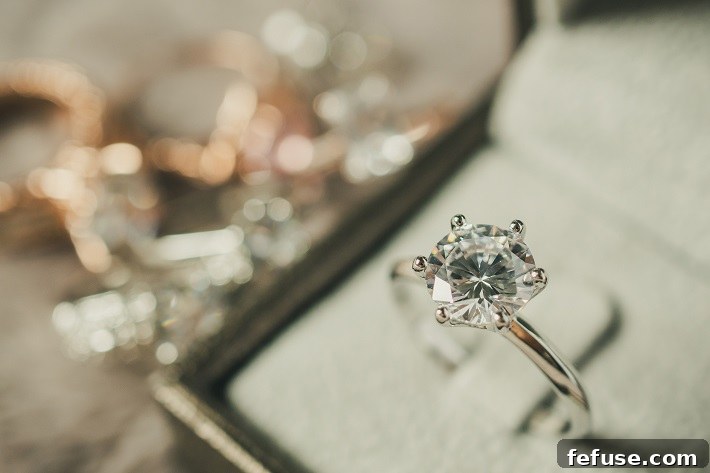
Final Thoughts on Engagement Ring Care
Your engagement ring is a constant companion and a daily reminder of a profound commitment. Despite your best efforts and meticulous daily care, every ring will eventually accumulate dirt and dull over time, especially with consistent wear. This is a natural consequence of its journey through your life, but it’s also a condition that is easily remedied with the right approach.
The key to preserving your ring’s captivating sparkle and ensuring its longevity lies in a combination of consistent home care and periodic professional attention. Regular cleaning, tailored to your ring’s specific materials, coupled with a vigilant eye for any signs of wear, will keep it looking as vibrant and new as the day it was given. Don’t hesitate to clean your ring as often as needed – whether it’s a quick daily polish to remove surface oils or a more thorough bi-weekly wash to tackle deeper grime.
By following these comprehensive tips – understanding your ring’s composition, regularly inspecting its condition, knowing when to clean, utilizing gentle brushing techniques, incorporating daily polishing, and scheduling annual professional cleanings – you are actively investing in its future. With diligent cleaning and proper care, your engagement ring will not only retain its original breathtaking beauty but will continue to sparkle brilliantly, a timeless testament to your enduring love, for many years and generations beyond your wedding day.