
India’s Silver Resurgence: PM-KISAN Handouts Set to Ignite Rural Demand
The precious white metal, silver, is poised for a significant resurgence in demand across India this year, largely driven by increased spending from rural populations. This surge is anticipated as beneficiaries of the government’s PM-KISAN scheme utilize cash handouts designed to stimulate local economies, especially in the lead-up to the general election. Experts from Metals Focus Ltd. highlight this unique interplay between government initiatives and consumer behavior, forecasting a robust year for silver consumption.
According to Chirag Sheth, a prominent analyst at the London-based research firm, India’s silver purchases are projected to reach approximately 6,590 tons. This figure not only surpasses the 6,442 tons bought in 2018 but also positions the current year as the strongest for silver demand since the record consumption witnessed in 2015. Sheth, speaking from Mumbai, emphasized that this demand recovery is not merely a short-term phenomenon. He anticipates a sustained upward trajectory over the coming years, underpinned by strong economic growth, rising disposable incomes, consistently relatively low silver prices, and the expanding penetration of sterling silver products across the country.
PM-KISAN: A Catalyst for Rural Silver Consumption
The Pradhan Mantri Kisan Samman Nidhi (PM-KISAN) scheme, launched by the Indian government, has begun distributing its first installment of Rs 2,000 directly to smallholder farmers. This direct cash transfer program is a crucial component of the government’s strategy to bolster agricultural incomes and stimulate rural consumption. While such schemes typically aim for broad economic upliftment, their impact on specific commodity markets can be quite pronounced. In the context of precious metals, these government cash handouts are expected to significantly boost silver demand, even more so than gold.
Sheth explains that for many recipients in rural India, their purchasing power is more aligned with the affordability of silver than gold. Gold, despite its deep cultural significance, often remains a aspirational purchase requiring a larger capital outlay. Silver, conversely, offers an accessible entry point into precious metal ownership, serving both as a traditional investment and a popular choice for gifts or adornments. The direct injection of funds into the hands of millions of farmers creates an immediate opportunity for them to make discretionary purchases, with silver emerging as a prime beneficiary due to its relative affordability and inherent value.
The ‘Common Man’s Metal’: Affordability Drives Preference
The pricing dynamics of silver in India further underscore its appeal to a broader demographic. For the past two years, silver prices have remained remarkably stable, hovering at approximately Rs 38,000 per kilogram. This stability contrasts with the often more volatile nature of gold and positions silver at roughly half its peak price recorded in 2011. Crucially, at its current market rate, silver is approximately eighty times cheaper than gold. This stark price difference makes silver a far more attainable investment or a thoughtful gift for the average Indian citizen, particularly those in rural and semi-urban areas who constitute a significant portion of the PM-KISAN beneficiaries.
Silver’s role in Indian culture extends beyond mere economics. It holds immense traditional and religious significance, being an integral part of weddings, festivals, and various auspicious ceremonies. Silver jewelry and artifacts are cherished heirlooms and popular presents, reflecting prosperity and good fortune. The affordability factor ensures that this cultural practice can be maintained and even expanded among segments of the population that might find gold prohibitive. Therefore, the PM-KISAN scheme’s financial support empowers a wider demographic to participate in these traditions, directly translating into heightened demand for silver across various forms.
India’s Robust Silver Market: Imports and Demand Segments
The vibrancy of India’s silver market is also evident in its import trends. In a striking contrast to gold imports, which experienced a significant decline last year, inflows of silver into India surged by an impressive 36 percent in 2018. This brought the total silver imports to 6,958 tons, narrowly missing the all-time high of 7,579 tons recorded in 2015, according to data from India’s trade ministry. This divergence highlights a clear shift in consumer preference and market dynamics, where silver is increasingly seen as a viable and attractive alternative to gold, especially during periods of price sensitivity or when consumer incomes necessitate more budget-friendly options.
Looking ahead, Chirag Sheth projects this year’s imports to settle within a range of 6,000 tons to 7,000 tons. This forecast underscores the sustained strong demand and the essential role imports play in meeting India’s vast domestic consumption, as the country’s indigenous silver production is relatively modest. The consistent high volume of imports is a testament to the robust underlying demand, driven by both traditional and emerging uses of silver within the Indian economy.
Key Drivers: Jewelry, Silverware, and Market Expansion
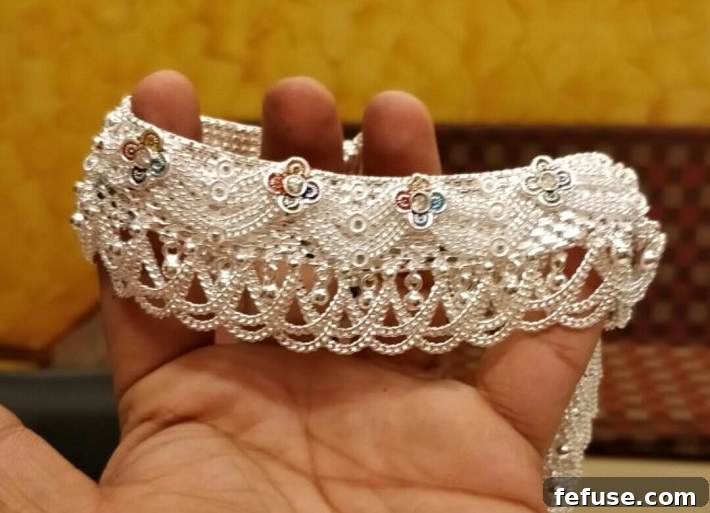
Delving deeper into specific market segments, Sheth observes that demand from both the jewelry and silverware sectors has been exceptionally strong over the past two years. This indicates that consumers are not only investing in silver as a raw metal but are actively purchasing finished products for personal adornment, gifting, and household use. The jewelry segment encompasses a wide array of designs, from intricate traditional pieces worn during festivals and weddings to contemporary fashion accessories that appeal to younger demographics. The increasing penetration of sterling silver, as mentioned earlier, suggests a growing market for higher quality and diverse silver products, catering to evolving consumer tastes and preferences.
The silverware segment, equally significant, includes utensils, decorative items, religious idols, and other utility-based silver articles. These items often represent substantial investments for households and are frequently purchased during auspicious occasions or as luxury gifts. The sustained demand in these areas points towards a healthy consumer base with increasing purchasing power and a continued cultural affinity for silver goods. Sheth succinctly encapsulates the current market sentiment by stating that the Indian silver market is unequivocally “in an expansion phase.” This expansion is characterized by a growing consumer base, innovative product offerings, increased accessibility, and favorable economic conditions that collectively foster a positive environment for silver consumption.
The Long-Term Outlook: Economic Growth and Sustained Demand
Beyond the immediate impact of government handouts, several fundamental factors are expected to ensure the continued recovery and growth of silver demand in India over the next few years. Foremost among these is India’s sustained economic growth. A robust economy generally translates into higher employment rates, increased wages, and a rise in overall disposable income for households. As incomes grow, so does the capacity for discretionary spending, a portion of which is consistently channeled into precious metals like silver, viewed as both a symbol of prosperity and a secure investment.
The relatively low silver prices, especially when compared to historical peaks and the price of gold, make it an attractive proposition for both first-time buyers and seasoned investors. This affordability factor acts as a consistent draw, encouraging more widespread adoption. Furthermore, the expanding penetration of sterling silver products signifies a maturing market with a wider variety of choices and improved product quality, catering to diverse consumer needs and tastes. These underlying economic and market-specific drivers, combined with India’s deep-rooted cultural reverence for silver, paint a very optimistic picture for the metal’s future in the subcontinent.
Conclusion: A Shining Future for Silver in India
The confluence of strategic government initiatives like PM-KISAN, inherent cultural demand, favorable pricing dynamics, and broader economic growth is setting the stage for a remarkable period for silver in India. The forecasted surge in demand, coupled with robust import figures and strong performance in key segments like jewelry and silverware, clearly indicates that silver is more than just an alternative to gold; it is a precious metal with its own distinct and expanding market. As India continues its economic ascent and rural prosperity increases, the “white metal” is well-positioned to shine brighter than ever, solidifying its status as a cornerstone of Indian consumer spending and investment.