
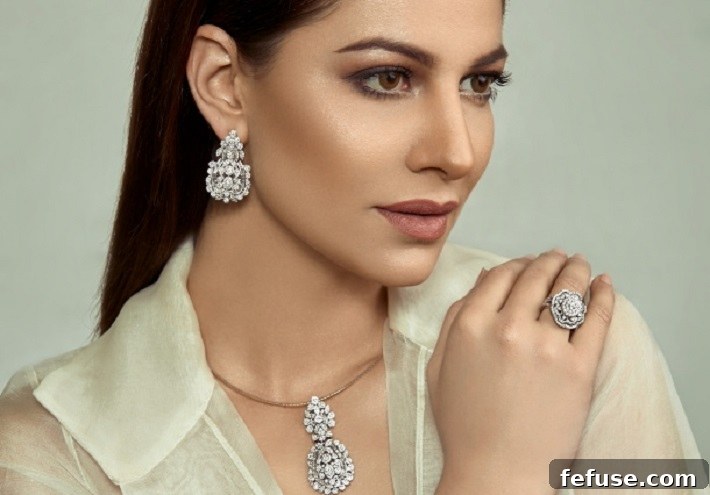
Sparkling Autonomy: How Indian Women Are Reshaping India’s Diamond Market
India’s illustrious diamond market is currently undergoing a profound and fascinating transformation, a shift quietly yet powerfully orchestrated by a new generation of women. No longer confined by traditional expectations or waiting for life’s grand milestones to justify a purchase, these women are stepping forward as discerning consumers, fundamentally redefining the value and meaning of diamonds in contemporary India. This burgeoning trend signals a significant departure from jewellery being perceived purely as a ceremonial asset or a family-led investment, ushering in an era where personal choice and self-expression take center stage.
The Rise of Self-Purchase: A Testament to Independence
The statistics paint a vivid picture of this evolving landscape. According to comprehensive research by De Beers India, a staggering 64% of women consumers in the country are now making independent diamond purchases. This figure is not merely a number; it represents a powerful cultural and economic shift. Historically, diamond acquisitions in India were often influenced by familial decisions, tied intrinsically to major life events like weddings, engagements, or significant anniversaries, often serving as a symbol of status or a secure investment passed down through generations. However, the modern Indian woman is challenging these age-old norms, asserting her financial autonomy and personal preferences in her purchasing decisions.
This wave of self-purchase is a direct reflection of increasing financial independence among Indian women. With growing opportunities in education and professional careers, women are accumulating disposable income and exercising greater control over their discretionary spending. A diamond, for many, has ceased to be solely an heirloom or a gift received; it has transformed into a personal reward, a symbol of individual achievement, or simply an expression of personal style. This autonomy extends beyond the transactional aspect, embedding a deeper sense of empowerment within each purchase.
A Generational Shift in Values: Beyond Traditional Symbolism
Adding another layer to this transformation is the generational dynamic at play. De Beers India’s data further reveals that more than half of all diamond buyers are under the age of 40. This demographic, primarily consisting of millennials and the younger Gen Z, holds distinct values and aspirations compared to previous generations. For these younger consumers, the allure of diamonds extends far beyond their conventional associations with marriage or familial inheritance. They view diamonds as versatile accessories, meaningful tokens of self-love, and statements of their unique identity.
This generational shift highlights a broader change in mindset across urban and semi-urban India. The emphasis has moved from collective identity to individual expression. Young women are increasingly valuing experiences, personal achievements, and self-care. A diamond purchase, in this context, becomes an intimate moment of celebration, marking a promotion, a personal milestone, or simply an act of self-gratification. It’s a move away from the diamond as a mere ‘love token’ from another, to a ‘self-love token’ – a tangible reminder of one’s own journey and triumphs.
De Beers India’s Evolving Narrative: Spotlighting Everyday Elegance
Recognizing this significant evolution in consumer behavior, industry leaders are swiftly adapting their marketing strategies. Toranj Mehta, Vice President – Marketing at De Beers India, articulates this shift perfectly: “Jewellery today is about self-reward and personal identity.” This statement encapsulates the core philosophy driving contemporary diamond consumption. In response, De Beers India, a pioneer in the global diamond industry, has consciously pivoted its brand narrative away from traditional bridal themes.
Instead of focusing predominantly on wedding and engagement stories, the brand is now spotlighting everyday moments, modern rituals, and personal achievements. This strategic pivot involves showcasing diamonds as an integral part of a woman’s daily life – whether it’s a delicate pendant worn to a business meeting, elegant stud earrings for a casual brunch, or a sophisticated ring commemorating a personal victory. The aim is to integrate diamonds seamlessly into various aspects of a modern woman’s lifestyle, emphasizing versatility, understated luxury, and a sense of timeless elegance that complements any occasion. This approach not only broadens the appeal of diamonds but also fosters a deeper, more personal connection with the wearer, aligning with their evolving values and daily routines.
The Urban Indian Woman: A New Diamond Connoisseur
The epicenter of this fascinating trend is undoubtedly urban India. Here, a rapidly growing demographic of educated and professionally active women are asserting greater control over their discretionary spending. These consumers are not just buying diamonds; they are making informed choices, selecting pieces that resonate deeply with their lifestyle, aesthetic preferences, and personal values. Their purchasing decisions are often characterized by a discerning eye for design versatility, often prioritizing it over conventional symbolism. This means a preference for pieces that can be worn across various settings – from a formal corporate environment to casual social gatherings – rather than jewellery reserved for specific traditional events.
These modern urban women are exposed to global trends, have a keen sense of fashion, and appreciate craftsmanship that speaks to their individuality. They seek designs that are contemporary, minimalist, and yet impactful. The emphasis is on how a piece of jewellery integrates into their personal brand and enhances their everyday wardrobe. This might translate into a preference for delicate necklaces, stackable rings, chic bracelets, or versatile earrings that can transition effortlessly from day to night. Their value system also plays a role, with increasing awareness and demand for ethically sourced and sustainably produced diamonds, adding another layer of consideration to their sophisticated purchasing process.
Transforming the Indian Diamond Industry: An Era of Autonomy and Storytelling
As women continue to reshape the diamond buying journey, the Indian diamond industry finds itself at the cusp of a new era. This era is defined by a fundamental shift in focus, where autonomy, self-expression, and contemporary storytelling are becoming as crucially important as tradition once was. The industry is responding by innovating across product design, retail experiences, and marketing narratives. Jewellers are now designing collections that cater to daily wear, offering a broader range of styles from minimalist to bold, and focusing on versatility and personalization. The rise of online platforms and experiential retail spaces also reflects this adaptation, aiming to provide a seamless and engaging shopping experience that resonates with the modern consumer.
The long-term implications for the Indian diamond market are significant. This growing segment of self-purchasing women represents a powerful new engine for growth and innovation. It encourages brands to move beyond generic marketing and create campaigns that celebrate individual journeys, diverse lifestyles, and personal achievements. This shift is not just about selling diamonds; it’s about connecting with consumers on an emotional level, acknowledging their independence, and empowering them to celebrate themselves. The industry is moving towards a more inclusive narrative, where every woman can find a diamond that tells her unique story, rather than conforming to a prescribed societal role.
Societal Reflections and the Future Outlook
Beyond the glittering facets of diamonds, this trend reflects broader societal changes in India. It mirrors the increasing empowerment of women in all spheres of life – economic, social, and personal. Their enhanced purchasing power and decision-making capabilities are not just transforming the luxury market but are also indicative of a progressive evolution in gender roles and individual freedoms. This burgeoning trend sets a compelling precedent for other luxury sectors, demonstrating the immense potential of a consumer base that values individuality and personal reward.
Looking ahead, the trajectory of this segment is poised for continued expansion. For brands to thrive in this evolving landscape, a nuanced understanding of these modern consumers’ desires will be paramount. This includes a commitment to diverse product offerings, sustainable and ethical practices, transparent sourcing, and personalized retail experiences. The future of India’s diamond market will undoubtedly be shaped by the sparkling choices of women who are confidently embracing their autonomy, celebrating their achievements, and adorning their lives with diamonds that truly speak to their personal identity.
In essence, the transformation in India’s diamond market is more than just a commercial phenomenon; it is a cultural statement. It celebrates the journey of the modern Indian woman – independent, empowered, and unapologetically brilliant, just like the diamonds she chooses for herself.