
India Ascends to Key Leadership Roles in the Kimberley Process, Steering Global Diamond Integrity
The global diamond industry, a complex ecosystem of mining, manufacturing, and trade, relies heavily on robust frameworks to ensure ethical practices and consumer confidence. At the heart of this framework lies the Kimberley Process (KP), a multilateral trade regime established to prevent the flow of conflict diamonds. In a pivotal development signaling its growing influence and unwavering commitment to responsible trade, India has secured crucial leadership positions within the Kimberley Process, poised to shape the future of the global diamond sector.
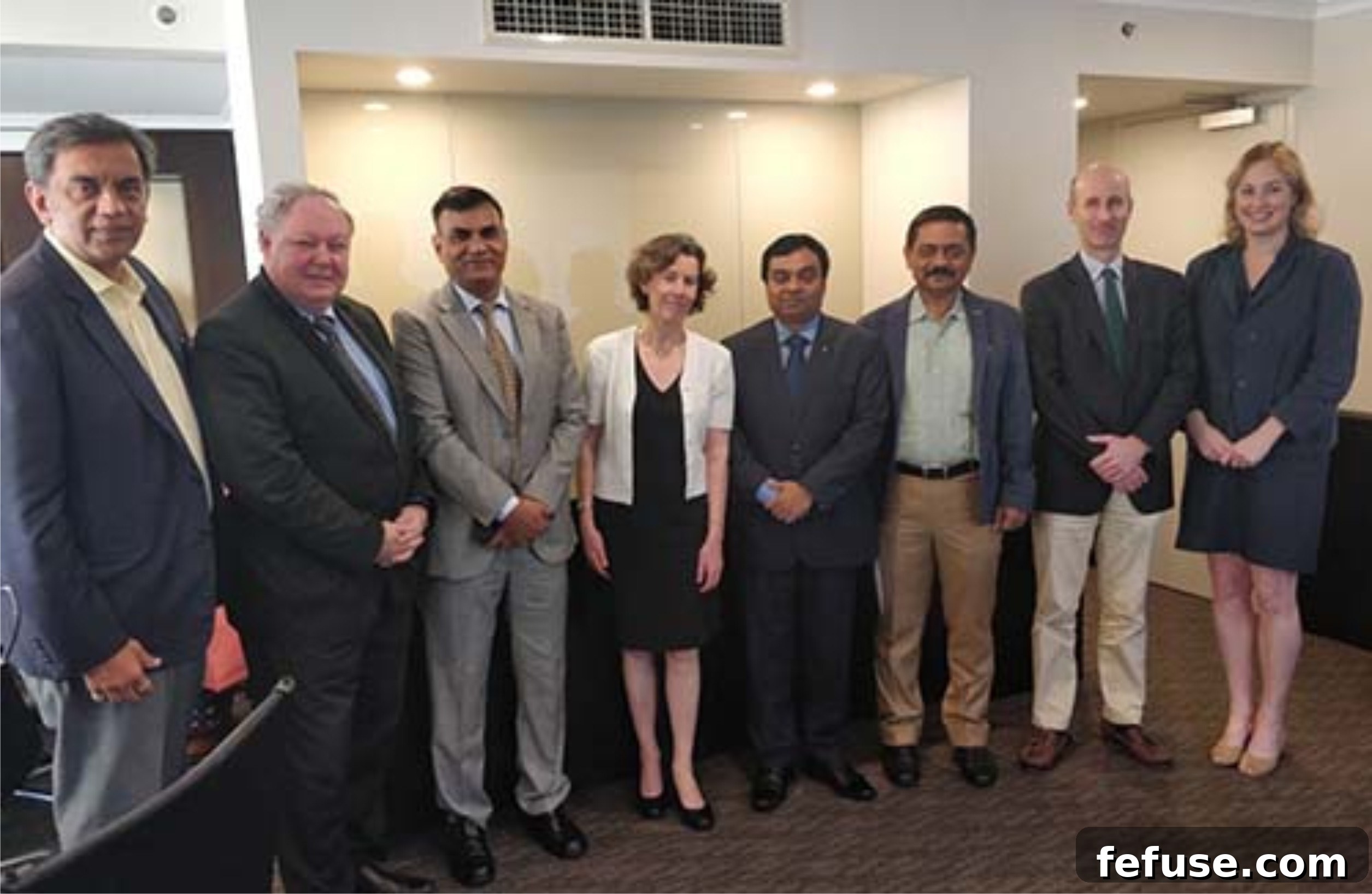
During the recently concluded Plenary Meeting of the Kimberley Process, held in Brisbane, Australia, from December 9-14, 2017, India’s significant contributions and prominent standing within the diamond world were officially recognized. The nation was appointed as the Vice-Chair of the KP for the year 2018. This esteemed appointment serves as a stepping stone, as India is set to assume the prestigious role of the Kimberley Process Chair in 2019, following the European Union’s (EU) Chairmanship in 2018.
Recognition of India’s Enduring Influence in the Diamond Sector
This dual appointment is far more than a ceremonial gesture; it is a profound acknowledgment of India’s unparalleled importance in the global diamond manufacturing industry. As the world’s largest cutting and polishing center for diamonds, India processes approximately 95% of the world’s diamonds by carats, contributing significantly to global employment and trade. Beyond its sheer size, the appointment also reflects the country’s consistent and leading role in the foundational work of the Kimberley Process. India has been an active and responsible member of the Kimberley Process Certification Scheme (KPCS) since its inception, consistently advocating for transparency, integrity, and sustainability across the diamond pipeline.
The recognition underscores India’s dedication to upholding the principles of the KPCS, which aims to prevent conflict diamonds from entering the legitimate supply chain. Its vast manufacturing infrastructure and deep engagement with various international forums make India an indispensable voice in discussions concerning the future of the diamond trade. This leadership role will enable India to further champion the interests of responsible diamond businesses globally while simultaneously strengthening its domestic industry’s adherence to international best practices.
Leading the Charge for Reform: Chairing the AHCRR
Another monumental development for India at the Brisbane Plenary was its selection as the Chair of the Ad Hoc Committee on Review & Reforms (AHCRR). This committee is tasked with the critical responsibility of steering the reform process for the Kimberley Process Certification Scheme, a mandate that carries immense weight for the future relevance and effectiveness of the KP. Angola will serve as the Vice-Chair of the Ad Hoc Committee, working alongside India and other key stakeholders, including past chairing countries, civil society organizations, the World Diamond Council (WDC), the Antwerp Diamond Port Authority (ADPA), and the Diamond Development Initiative (DDI).
The AHCRR’s agenda is comprehensive and addresses several core challenges and opportunities facing the Kimberley Process. Key areas of reform include:
- Changes in the Core Document: Reviewing and potentially amending the foundational documents of the KPCS to ensure they remain relevant and robust in addressing contemporary issues. This could involve redefining certain terms or strengthening existing provisions.
- Expansion of the Scope of the KP: This is a highly debated but crucial area. The original mandate of the KP focused solely on “conflict diamonds” defined as rough diamonds used by rebel movements to finance wars against legitimate governments. Discussions now often revolve around whether to broaden this scope to include other forms of conflict or human rights abuses linked to diamond extraction, thereby ensuring a more holistic approach to responsible sourcing.
- Establishing a Permanent Secretariat Office: The lack of a permanent secretariat has often been cited as a hindrance to the KP’s administrative efficiency and continuity. Establishing one would provide stability, institutional memory, and a dedicated body to manage day-to-day operations and implement decisions.
- Addressing Multi-Donor Fund Issues: Ensuring the sustainable funding of KP activities, including capacity building and monitoring, is vital. The committee will explore ways to strengthen the multi-donor fund to support the KP’s ongoing work effectively.
India’s leadership of this pivotal committee signifies a deep trust in its capabilities to navigate complex discussions and build consensus among diverse stakeholders. It positions India at the forefront of shaping the next chapter of the Kimberley Process, ensuring its adaptability and continued relevance in a dynamically evolving global landscape.
A Vision for a Stronger, More Transparent, and Inclusive KP
The Indian delegation to the KP Plenary was a robust representation of both government and industry, led by Shri Manoj Dwivedi, Joint Secretary, Ministry of Commerce & Industry (MoC&I), Government of India (GoI), and Mr. Sanjay Shah, Convener, Diamond Panel Committee, GJEPC. Their comments underscored India’s clear vision for the KP’s future.
Shri Dwivedi articulated India’s long-standing commitment: “Ever since the inception of KPCS, India has been actively involved in the organization and is strongly committed to pragmatic reforms for a stronger, transparent and inclusive KP.” He emphasized the strategic importance of India’s new role: “As Chair of the newly constituted AHCRR, India sincerely hopes that the committee will come up on all fronts and set up the agenda. This will also help India in gearing up to take responsibilities as Chair in 2019.” This statement highlights India’s dedication not just to holding a position but to actively driving meaningful change that benefits the entire diamond ecosystem.
Beyond structural reforms, India also played a proactive role in tackling key issues directly impacting the worldwide industry, particularly regarding market integrity. Mr. Sanjay Shah, Convener, DPC, GJEPC, highlighted an important initiative: “India being a responsible member of KPCS, encouraged other member countries to opt for 8-digit HS Code for synthetics diamond at National level and will also represent the matter to GOI to take up the matter with WCO to announce 6-digit HS Code worldwide to keep the natural and synthetic diamonds pipeline separate.” This initiative is crucial for maintaining consumer confidence and distinguishing between natural and lab-grown diamonds, ensuring market clarity and fair competition. Separate identification at both national and international levels through harmonized system (HS) codes is vital for accurate trade statistics, effective regulation, and preventing misrepresentation.
India’s Comprehensive Proposals for Enhancing KPCS Integrity and Efficiency
The Indian representation at the Plenary meeting presented a series of forward-thinking proposals aimed at bolstering the integrity, security, and efficiency of the Kimberley Process Certification Scheme. These initiatives reflect India’s deep understanding of the practical challenges faced by the industry and its commitment to finding innovative solutions:
1. Enhancing Data Accuracy through Reconciliation Surveys
India emphasized the critical need for a reconciliation survey by the working group on statistics. Accurate and reliable statistics are the backbone of any effective monitoring system. By conducting thorough reconciliation surveys, the KPCS can better track the flow of rough diamonds, identify discrepancies, and prevent illicit trade. This strengthens the KP’s ability to monitor compliance and detect potential breaches in the certification scheme.
2. Strengthening Security Against Forged Certificates
The delegation highlighted the imperative for a robust system for sharing a framework within KPCS to eradicate the scourge of forged certificates. Forged KP certificates pose a significant threat to the integrity of the system, potentially allowing illicit diamonds to enter the legitimate supply chain. India’s proposal aims to create a secure, collaborative mechanism for member countries to share information about forged certificates, making the KPCS more secure and resilient against fraudulent activities.
3. Professionalizing Peer Review Visits
India proposed a standardized system of procedures to make peer review visits more professional and administratively efficient. Peer review visits are a cornerstone of the KPCS, allowing member countries to assess each other’s compliance with the scheme’s requirements. By enhancing the professionalism and efficiency of these visits, the KP can ensure more thorough, objective, and consistent evaluations, thereby strengthening accountability and adherence across all participating nations.
4. Promoting Responsible Sourcing and Financial Transparency
Members were strongly encouraged to introduce enforcement measures such as “My KYC Bank” to enhance responsible sourcing, particularly in terms of ensuring financial transparency. Responsible sourcing extends beyond preventing conflict diamonds to include ethical business practices throughout the supply chain. Initiatives like My KYC Bank can facilitate transparent financial transactions, reducing the risk of money laundering and other illicit activities, and fostering a more trustworthy environment for diamond trade.
5. Technological Solutions for Diamond Differentiation
Recognizing the increasing prevalence of lab-grown diamonds, India proposed technological solutions for differentiating between natural and lab-grown diamonds by introducing affordable machines for detection to the industry. The ability to easily and affordably distinguish between natural and synthetic diamonds is crucial for consumer confidence, market integrity, and the continued clear focus of the Kimberley Process on natural diamonds. Making detection technology accessible to all segments of the industry, especially smaller traders and manufacturers, is key to maintaining market clarity and preventing misrepresentation.
A Future Shaped by Indian Leadership
Mr. Sabyasachi Ray, Chief Executive Director, GJEPC, articulated the broader impact of India’s heightened role: “As a nodal agency for import/export under KPCS, the GJEPC is committed to strengthen the KP in the best possible manner for the benefit of the Indian trade and world’s diamond community. For the coming two-three years, India’s role will be most important; and working under the umbrella of MoC&I, we are sure to do the best for it through consultations with other international partners.”
Indeed, India’s leadership in the Kimberley Process for the upcoming years is poised to be transformative. By chairing the AHCRR and subsequently the KP itself, India will be instrumental in guiding critical reforms, enhancing transparency, bolstering security measures against fraud, and embracing technological advancements. This proactive engagement reflects India’s unwavering dedication to a responsible, sustainable, and credible global diamond trade. As the world looks towards a future of heightened ethical standards, India stands ready to lead, ensuring the Kimberley Process remains a robust guardian of diamond integrity for years to come.
News Source: gjepc.org