
India has recently implemented stringent new restrictions on the import of specific platinum jewellery items, signifying a proactive measure to enhance oversight within its vast precious metals trade and mitigate potential revenue losses. This strategic move underscores the nation’s commitment to fostering fair trade practices and safeguarding its domestic industry against illicit activities.
India’s New Import Policy for Platinum Jewellery: A Deep Dive
A pivotal notification issued by the Directorate General of Foreign Trade (DGFT) has fundamentally altered the import landscape for unstudded platinum jewellery. Previously categorized as ‘free,’ these items have now been reclassified under the ‘restricted’ category, a policy set to remain in effect until April next year. This reclassification means that importers are now mandated to secure formal government approval and obtain specific licenses before bringing such products into the country. The shift from an open import policy to one requiring permits marks a significant regulatory tightening.
This policy adjustment is not an isolated incident but rather a continuation of India’s broader strategy to regulate the precious metals sector. It closely mirrors an earlier directive that placed similar curbs on the import of plain silver jewellery, restricting its entry through March. Such parallel measures indicate a systemic approach by the Indian government to plug potential loopholes across various precious metal categories, ensuring a more controlled and accountable import ecosystem. These restrictions are crucial for a nation like India, which is one of the world’s largest consumers and importers of precious metals, where even minor discrepancies can have significant economic implications.
Challenges Facing India’s Gems and Jewellery Sector
The timing of this decision is particularly pertinent, coinciding with a period of considerable tribulation for India’s venerable gems and jewellery industry. The sector, a significant contributor to the nation’s economy and employment, has been grappling with multiple headwinds. A notable factor is the prevailing soft international demand, which has been impacted by global economic slowdowns, inflationary pressures across key markets, and geopolitical uncertainties. Concurrently, the escalating prices of precious metals on the global stage have further compounded the challenges, squeezing profit margins for manufacturers and exporters.
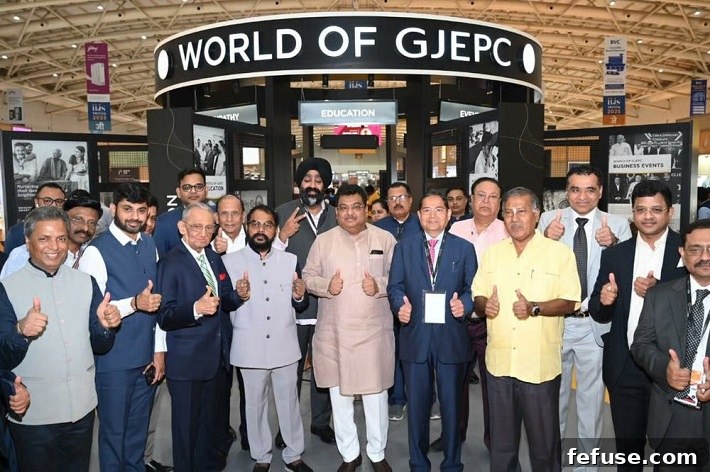
The repercussions of these challenges are starkly visible in recent trade figures. In October, India’s gross jewellery exports experienced a sharp contraction, plummeting by more than 30% year-on-year. This substantial decline saw total exports fall to a mere $2.17 billion, as meticulously reported by the Gem and Jewellery Export Promotion Council (GJEPC). The GJEPC, a vital body representing the Indian gems and jewellery industry, consistently monitors trade performance and advocates for policies that support the sector’s growth and stability. Such a steep decline in exports highlights the urgent need for protective measures and a level playing field for domestic players.
Addressing Import Framework Loopholes and Unfair Practices
A primary driver behind the new restrictions is the persistent concern raised by various industry associations regarding the exploitation of existing loopholes within the import framework. These associations have consistently highlighted how certain traders engage in irregular practices, often aimed at circumventing established import duties and gaining an unfair competitive advantage. Such practices not only result in significant revenue losses for the government but also distort market competition, putting legitimate businesses at a disadvantage.
The new import restrictions are specifically designed to seal these gaps, empowering authorities to prevent the unauthorized and unethical entry of goods. By requiring mandatory government approval, the DGFT aims to introduce a robust vetting process that scrutinizes each import request for unstudded platinum jewellery. This increased scrutiny is expected to curb practices such as misdeclaration of goods, undervaluation, or illegitimate use of trade agreements, which collectively undermine the integrity of the import system. Given India’s status as one of the world’s largest gold-consuming nations, its trade balance is exceptionally sensitive to fluctuations and illicit activities in precious metal inflows, making these regulatory interventions critical for economic stability.
Combating Misuse of Free Trade Agreements (FTAs)
The updated policy directly addresses a specific and concerning trend brought to light by industry experts, including Surendra Mehta, national secretary of the influential India Bullion and Jewellers Association (IBJA). Mehta emphasized how some unscrupulous traders had been exploiting the provisions of Free Trade Agreement (FTA) channels. The core issue involved the importation of jewellery falsely declared or structured as “platinum jewellery,” but in reality, containing roughly 90% gold. The strategic use of FTA routes allowed these traders to import such items at zero customs duty, effectively bypassing the standard tariffs applicable to gold imports.
This practice created a significant imbalance, severely disadvantaging legitimate jewellers who adhered to standard import procedures and paid the requisite duties for gold. The IBJA, a key voice for the bullion and jewellery trade in India, has been instrumental in advocating for policy changes to counter such detrimental activities. The tightened rules are therefore a direct response to these specific forms of misuse. By classifying unstudded platinum jewellery as ‘restricted,’ the government can now thoroughly examine the composition and origin of these imports, preventing the exploitation of FTA provisions for goods that are predominantly gold. This measure is expected to halt such deceptive practices, restore a level playing field, and ensure fair trade conditions for all participants in India’s precious metals market. The move reinforces India’s commitment to upholding the spirit of its trade agreements while protecting its domestic industries from unfair competition and revenue leakage.
Broader Implications for India’s Precious Metals Market
The introduction of these import restrictions for unstudded platinum jewellery extends beyond simply regulating a single commodity; it signals a broader policy shift towards greater control and transparency within India’s entire precious metals ecosystem. This strategic tightening of import norms is expected to have several ripple effects across the industry.
Firstly, it will likely lead to an increase in domestic manufacturing of platinum jewellery, as the barrier to importing finished goods becomes higher. This aligns with the government’s ‘Make in India’ initiative, promoting local production and creating employment opportunities within the country. Domestic jewellers, no longer facing the threat of cheap, often under-declared imports, can compete more effectively and invest further in their manufacturing capabilities. Consumers might see a slight increase in prices for imported platinum jewellery, but this could be offset by a wider availability of locally produced, quality-assured items.
Secondly, the move enhances the government’s ability to track the flow of precious metals, which is critical for preventing money laundering and other illicit financial activities often associated with high-value commodities. Improved oversight through mandatory licensing and approvals will provide authorities with more granular data on import volumes, values, and origins, thereby strengthening national economic security. This is particularly important for India, where gold and other precious metals play a significant cultural and economic role, often serving as a store of value and an investment asset.
Furthermore, these restrictions could prompt a re-evaluation of Free Trade Agreements to ensure they are not inadvertently creating avenues for revenue loss or market distortion. The specific loophole involving platinum jewellery with a high gold content highlights the need for continuous vigilance and adaptation of trade policies to evolving market practices. It underscores the complexity of international trade where definitions and classifications can be exploited. The DGFT’s proactive stance is a testament to its commitment to maintaining a robust and equitable trade environment.
In conclusion, India’s decision to place unstudded platinum jewellery under the ‘restricted’ category is a multi-faceted policy intervention. It aims to protect the domestic gems and jewellery industry, prevent customs duty evasion, ensure fair competition, and bolster government revenue. While it presents immediate adjustments for importers and potentially for consumers, its long-term objectives are geared towards creating a more transparent, equitable, and sustainable precious metals market in India, solidifying its position as a responsible global player in the luxury goods sector.