
Boosting India’s Gem & Jewellery Sector: A Strategic Dialogue with Finance Minister Sitharaman
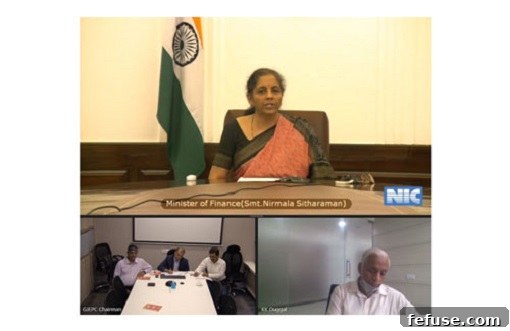
The Indian gem and jewellery sector stands as a cornerstone of the nation’s economy, a vibrant industry renowned globally for its exquisite craftsmanship, ethical sourcing, and significant contribution to exports and employment. In a proactive move to address persistent challenges and unlock its full potential, a crucial video conference was held on July 6th, bringing together key representatives from the Gem & Jewellery Export Promotion Council (GJEPC) and the Hon’ble Finance Minister of India, Smt. Nirmala Sitharaman.
This high-level engagement underscored the government’s commitment to fostering a conducive environment for this vital industry, which plays a pivotal role in strengthening India’s position as a global manufacturing and trading hub. The meeting served as an important platform for the industry leadership to present a comprehensive overview of critical issues demanding immediate policy intervention and strategic support from the Finance Ministry.
GJEPC Leaders Advocate for Industry Growth
Leading the delegation from the GJEPC were Chairman Colin Shah, Vice Chairman Vipul Shah, and Executive Director Sabyasachi Ray. Their collective expertise and deep understanding of the industry’s intricacies provided a focused and insightful presentation to the Finance Minister. The core objective was to highlight specific bottlenecks and regulatory hurdles that, if resolved, could significantly boost the sector’s operational efficiency, competitiveness, and overall contribution to India’s economic growth.
The discussion centered around several pressing concerns, demonstrating the industry’s proactive approach to collaborative problem-solving. The GJEPC emphasized that sustained growth requires not just market access and innovation, but also a supportive regulatory framework that facilitates ease of doing business and reduces operational complexities. Two specific areas emerged as central to the discussion, drawing particular attention from the Finance Minister.
Unlocking the Potential of Special Notified Zones (SNZs)
One of the primary issues brought to the Finance Minister’s attention was the underutilization and regulatory challenges within the Special Notified Zones (SNZs). These zones were established with the specific aim of streamlining the import, viewing, and trading of rough diamonds by accredited international miners, thereby enhancing India’s status as a global diamond trading hub. The GJEPC representatives passionately articulated that despite their strategic intent, the full potential of these SNZs remains largely untapped due to existing restrictions.
The core of the problem lies in the inability to conduct actual sales within these zones. Currently, SNZs primarily serve as viewing platforms, forcing transactions to be completed outside the zone, often necessitating the movement of goods and increasing logistical burdens and transactional costs. This operational disconnect effectively defeats the very purpose for which these specialized zones were created, impeding the seamless flow of business and discouraging international players from fully leveraging India’s robust infrastructure and skilled workforce.
Smt. Nirmala Sitharaman expressed genuine surprise upon learning that issues as fundamental as allowing sales in SNZs had not yet been addressed. Her reaction highlighted a clear recognition of the anomaly and the urgent need for a review of policies that could unlock significant economic advantages. By enabling sales directly within SNZs, India could solidify its position as a primary trading hub for rough diamonds, attracting more international business, fostering greater transparency, and generating substantial economic activity within the country.
This policy adjustment would not only simplify operations for international diamond suppliers and Indian manufacturers but also enhance the overall efficiency and attractiveness of India’s diamond sector on the global stage. It represents a crucial step towards realizing the ‘Make in India’ and ‘Ease of Doing Business’ initiatives within this high-value segment.
Streamlining GST-Related Issues for Greater Efficiency
Another critical area of discussion revolved around various Goods and Services Tax (GST) related issues impacting the gem and jewellery industry. While the introduction of GST aimed to simplify the tax structure, the industry has encountered specific challenges that require nuanced attention. These include complexities related to input tax credits, reverse charge mechanisms for certain transactions, varying rates on different products (e.g., cut and polished diamonds vs. precious metals vs. finished jewellery), and the overall compliance burden faced by businesses, particularly small and medium enterprises (SMEs).
The GJEPC’s presentation meticulously outlined how these GST intricacies can affect the industry’s liquidity, increase operational costs, and, in some cases, hinder export competitiveness. For an industry that thrives on high-value, often imported raw materials and sophisticated manufacturing processes, a streamlined and unambiguous GST framework is paramount. The current challenges necessitate a collaborative approach to ensure that the tax regime supports, rather than impedes, the sector’s growth trajectory.
In response to the GST-related concerns, the Finance Minister offered a clear directive. She emphasized that these matters fall under the purview of the GST Council, the constitutional body responsible for making recommendations on GST issues. Smt. Sitharaman advised that these concerns need to be vigorously pursued in the upcoming meetings of the GST Council. Furthermore, she specifically urged the GST Council members from the states of Maharashtra and Gujarat – two pivotal states for the gem and jewellery industry – to strongly champion these issues, ensuring they receive the necessary attention and resolution.
This guidance from the Finance Minister provides a clear pathway for the industry to escalate its concerns to the appropriate forum, underscoring the importance of collective advocacy from key regional stakeholders.
Finance Minister’s Positive Response and Assurances
Throughout the meeting, Smt. Nirmala Sitharaman displayed a keen interest and deep appreciation for the focused and well-prepared presentation by the GJEPC leadership. Her attentive engagement signaled a genuine commitment to understanding and addressing the challenges faced by the gem and jewellery sector. She acknowledged the meticulous effort that went into preparing the comprehensive overview of the critical issues.
Demonstrating a proactive approach, the Finance Minister assured the GJEPC representatives that she would personally look into all the points raised during the discussion. To facilitate a thorough review, she requested that a copy of the detailed presentation be submitted to her Additional Private Secretary, Mr. Vivek Singh. This step ensures that all documented concerns are formally recorded and become part of the ongoing policy deliberation process.
Further reinforcing her commitment, Smt. Sitharaman informed the GJEPC that she would convene a dedicated review meeting with concerned secretaries and senior officers of the Finance Ministry within approximately 15 days. This swift timeline for a follow-up meeting is a strong indication of the government’s seriousness in addressing these issues promptly and effectively. Such high-level engagement is crucial for translating industry concerns into actionable policy changes.
A Positive Outlook for Industry-Government Collaboration
The meeting concluded on a highly positive note, with Chairman Colin Shah extending his heartfelt gratitude to the Finance Minister for her valuable time, patient hearing, and the genuine interest she demonstrated in the welfare and growth of the gem and jewellery sector. The industry leadership particularly appreciated her immediate directive for a comprehensive review meeting, seeing it as a tangible sign of governmental responsiveness and a collaborative spirit.
This dialogue marks a significant step forward in strengthening the partnership between the Indian government and the gem and jewellery industry. The sector, a major foreign exchange earner and employment generator, is crucial for India’s economic resilience and global trade presence. Resolving long-standing issues such as SNZ functionality and GST streamlining could unleash a new wave of growth, investment, and innovation, further cementing India’s reputation as a world leader in this exquisite craft.
The anticipatory review meeting with senior officials is expected to pave the way for concrete policy decisions that will simplify operations, enhance competitiveness, and create a more predictable and supportive environment for all stakeholders within the Indian gem and jewellery ecosystem. The industry looks forward to these developments with optimism, confident that concerted efforts will yield substantial benefits for the sector and the national economy.
Source: gjepc.org