
The Golden Shift: Asia Fuels Future Gold Jewellery Demand & The Rise of Responsible Sourcing
The global landscape of gold jewellery demand is undergoing a profound transformation, with emerging markets in Asia poised to become the primary engine of growth in the coming decades. A recent comprehensive report by the World Gold Council (WGC), titled “Gold 2048: The next 30 years for gold,” highlights this significant eastward shift, attributing it primarily to burgeoning incomes and evolving consumer preferences across China, India, and other key Southeast Asian nations.
Historically, the Western world held the lion’s share of gold jewellery consumption just a few decades ago. However, the WGC’s analysis clearly indicates that the epicenter of this vibrant market has decisively moved towards the East. This reorientation is not merely a statistical anomaly but a reflection of deep-seated economic and demographic shifts. While developed markets are expected to maintain a steady level of demand, the real excitement and growth potential are firmly concentrated within rapidly developing economies, where populations are expanding and disposable incomes are steadily climbing.
Asia’s Enduring Affinity: China and India Lead the Way
China and India currently stand as the world’s largest consumers of gold jewellery, a testament to their deep cultural ties and growing economic might. These two giants are projected to continue dominating the market, albeit with their own unique dynamics. The WGC acknowledges that as these nations further develop and their populations age, certain pressures on traditional jewellery demand might emerge. However, these potential headwinds are expected to be more than offset by several powerful drivers: persistently rising incomes, China’s strategic pivot towards a more consumption-oriented economy, and India’s favorable demographic profile.
India: Tradition Meets Modernity in Gold Jewellery
In India, gold is not merely an ornament; it is an intrinsic part of the nation’s cultural fabric, deeply intertwined with religious ceremonies, festivals, and life’s most significant milestones, particularly weddings. Its role as a crucial store of wealth, a hedge against inflation, and a readily convertible asset has been ingrained for centuries. Looking ahead, the Indian jewellery trade is anticipated to undergo significant formalization and organization. This means a move towards consolidated, larger-scale jewellery manufacturers and retailers who can offer a diverse range of modern and traditional hallmarked pieces. As India’s population becomes increasingly urbanized and sophisticated, their preferences are evolving. While the timeless appeal of intricate traditional designs will endure, there will be a growing appetite for contemporary styles that blend heritage with global trends.
Furthermore, while gold jewellery’s function as a tangible asset and store of wealth will remain paramount, the WGC forecasts a notable increase in the prevalence of dedicated gold investment products. This suggests a more diversified approach to gold ownership, with jewellery increasingly serving its primary roles for cultural celebration, personal adornment, and matrimonial purposes, while other products cater specifically to investment needs. The transparency and assurance offered by hallmarked gold, combined with an expanding middle class eager to express their prosperity, will continue to fuel robust demand across the subcontinent.
China: Innovation, Design, and Evolving Tastes
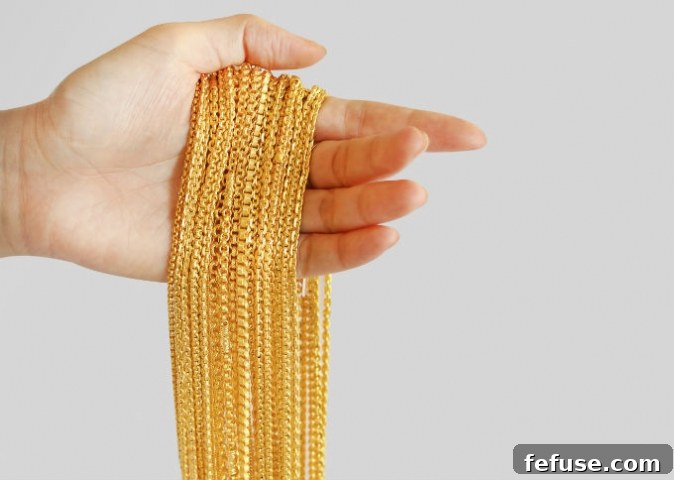
China’s gold market is characterized by its dynamic nature, embracing innovation alongside its rich history with the precious metal. Gold holds profound symbolic value in Chinese culture, representing prosperity, good fortune, and status. It is a staple for significant occasions such as Lunar New Year, weddings, and gift-giving. The WGC report anticipates a continued dominance of 18-karat, 22-karat, and particularly “modern” 24-karat jewellery. The term “modern 24-karat” signifies a crucial trend: while pure gold (24K) has always been highly valued in China, advancements in manufacturing techniques are allowing for the creation of intricate, sophisticated designs that are lighter in weight yet appear substantial. This addresses a desire for luxury and intricate craftsmanship without the prohibitive cost associated with solid, heavy pure gold pieces.
Chinese consumers are increasingly discerning, seeking out jewellery that not only signifies wealth but also reflects personal style and aesthetic appeal. The innovation in design and manufacturing techniques is pivotal here, enabling jewelers to craft delicate, sculptural pieces that offer greater design flexibility and comfort. This blend of traditional value and contemporary design, coupled with a robust domestic market and a strategic shift towards boosting internal consumption, will ensure China remains a powerhouse in global gold jewellery demand.
Southeast Asia: The Next Frontier for Gold Growth
Beyond the established behemoths of China and India, other emerging markets in Southeast Asia are set to play an increasingly vital role in driving gold demand. Countries such as Vietnam, Indonesia, and Cambodia are experiencing rapid economic development, urbanization, and a rise in disposable incomes. Their burgeoning middle classes are developing a taste for luxury goods, with gold jewellery often being one of the first significant discretionary purchases. Cultural practices in these nations also frequently incorporate gold into celebrations, rites of passage, and as a traditional form of savings.
Vietnam, for instance, has a strong cultural tradition of gold ownership, often passed down through generations. Indonesia, with its vast population and growing economy, presents enormous potential. Cambodia, while smaller, is also on an upward trajectory. As these economies mature, their collective contribution to global gold demand will become increasingly significant, solidifying Asia’s position as the uncontested heart of the gold jewellery market.
The Global Imperative: Responsible Sourcing of Gold
Amidst the exciting growth projections, a critical and unifying theme across both developed and developing markets is the escalating emphasis on the responsible sourcing of gold. The World Gold Council underscores that the gold industry is facing increasing scrutiny regarding its supply chain ethics and environmental impact. There is a concerted, industry-wide effort to meticulously eliminate gold that has been mined using irresponsible practices, which regrettably include the egregious use of child labor or coerced labor, environmentally destructive methods, unsafe working conditions, or unjust social practices.
The potential for gold to be implicated in illicit activities such as money laundering, smuggling, or tax evasion also poses a significant reputational risk to the entire industry. This concern is not new, but the push for transparency and accountability has reached unprecedented levels. Consumers, investors, and regulatory bodies are all demanding greater assurance that the gold they purchase or deal with has been sourced ethically and legally, contributing positively to local communities and respecting human rights and the environment.
To address these multifaceted challenges, greater efforts are being deployed by every key stakeholder in the gold value chain. Refineries, which are critical nodes in the supply chain, are enhancing their due diligence processes. Jewellery fabricators are scrutinizing their procurement channels, and vault holders are implementing stricter verification protocols. The goal is unequivocal: to ensure that all gold handled and stored possesses the highest possible reputation, free from any association with unethical practices or illegal financing. This commitment to responsible sourcing is not just a moral imperative; it is becoming a fundamental requirement for maintaining consumer trust and ensuring the long-term sustainability and legitimacy of the global gold industry.
Conclusion: A Golden Future Rooted in Asia and Ethics
The future of gold jewellery demand is undeniably golden, with its luster most brightly shining over Asia. The economic dynamism of China, the cultural profundity and demographic strength of India, and the rising prosperity of Southeast Asian nations are collectively setting the stage for sustained and robust growth. As incomes rise and consumer tastes evolve, these markets will continue to innovate in design and diversify in product offerings.
Crucially, this promising future is intrinsically linked to the industry’s unwavering commitment to responsible practices. The drive towards ethical sourcing and supply chain transparency is not a fleeting trend but a foundational pillar for the continued success and public acceptance of gold. By embracing both innovation in design and integrity in sourcing, the global gold industry can confidently navigate the next 30 years, ensuring that gold remains a symbol of beauty, wealth, and responsible luxury worldwide.