
In a continuous effort to exert economic pressure on Russia following its invasion of Ukraine, the European Union recently unveiled a new package of sanctions, estimated to be worth nearly $7 billion. This latest set of measures underscores the EU’s commitment to crippling Russia’s ability to fund its war machine and sustain its military operations. However, a notable exclusion from this comprehensive package has once again brought the contentious issue of rough diamond imports to the forefront, sparking considerable debate among member states and industry stakeholders.
The EU’s Evolving Sanctions Strategy Against Russia
Since the full-scale invasion of Ukraine began, the EU, a bloc of 27 nations, has progressively ramped up its punitive measures against Russia. These sanctions are designed to target key sectors of the Russian economy, including finance, energy, technology, and trade, with the overarching goal of diminishing the Kremlin’s financial resources and strategic capabilities. The latest round, agreed upon last Thursday, aimed to tighten existing restrictions and introduce new ones, further isolating Russia from the global economic system.
While the exact details of the entire $7 billion package encompass a broad range of goods and services, the EU specifically stated its intent to “deprive the Russian army and its suppliers from further specific goods and equipment needed to wage its war on Ukrainian territory.” This indicates a continued focus on dual-use goods, advanced technologies, and components critical for military production, aiming to degrade Russia’s industrial and technological base. The sanctions are a clear signal of the EU’s unwavering support for Ukraine and its determination to hold Russia accountable for its aggression.
However, the implementation of such wide-ranging sanctions is a complex balancing act, often involving intense negotiations among member states, each with its own economic interests and vulnerabilities. The consensus required for EU sanctions means that certain proposals, despite strong advocacy from some nations, may be scaled back or postponed if they pose significant economic risks to other members.
The Persistent Debate Over Russian Diamonds: A Matter of Ethics and Economics
One of the most fiercely debated proposals, conspicuously absent from the latest sanctions, is a comprehensive ban on Russian rough diamond imports. This issue has become a symbol of the tension between moral imperatives and economic pragmatism within the EU. The primary argument for a ban centers on the state-owned Russian diamond mining giant, Alrosa. The 27-nation bloc explicitly acknowledged that Alrosa, a major global player in the diamond industry, is a significant financial contributor to the Russian state and, crucially, has been linked to funding a submarine bearing its name, directly connecting it to Russia’s military apparatus.
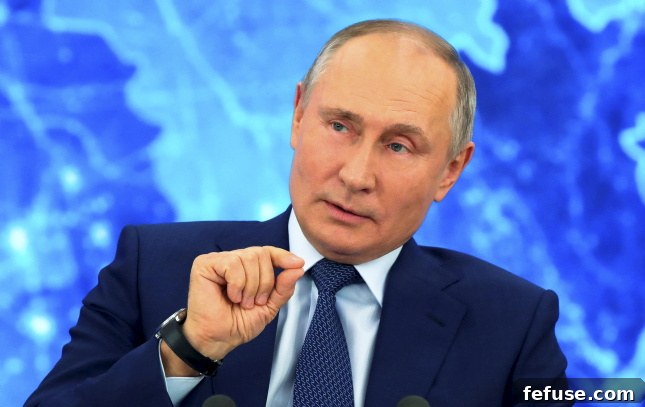
President Vladimir Putin himself has highlighted Alrosa’s strategic importance, stating that the company “gives serious revenues to the federal and regional budget.” This admission reinforces the argument that continuing to purchase Russian diamonds indirectly supports the Kremlin’s war effort, providing a steady stream of revenue that can be diverted to military spending and other state-sponsored activities. For advocates of a ban, such as Poland and the Baltic states, cutting off this revenue stream is not only a moral imperative but also a practical step towards weakening Russia’s financial capacity to sustain its war in Ukraine.
These countries have been vocal proponents of much harsher sanctions across the board, including a complete ban on nuclear energy cooperation and a comprehensive embargo on all Russian diamond imports. Their stance is rooted in a desire to inflict maximum economic pain on Russia, believing that only through severe financial pressure can the conflict be brought to an end. They argue that the ethical implications of funding a regime engaged in an illegal war far outweigh any potential economic disadvantages to EU members.
Antwerp’s Dilemma: Economic Concerns vs. Ethical Stance
However, the prospect of a diamond ban has met with significant resistance, particularly from Belgium, home to Antwerp, one of the world’s most prominent diamond trading hubs. The Antwerp World Diamond Centre (AWDC), representing Belgium’s influential diamond industry, has issued dire warnings about the potential consequences of such a ban. The AWDC has estimated that diamond sanctions could result in the loss of up to 10,000 jobs in Antwerp, a city whose economy is deeply intertwined with the diamond trade. Their argument is that a ban would inflict more harm on Antwerp’s economy than on Moscow’s, potentially disrupting a highly specialized industry and causing widespread unemployment.
The core of Antwerp’s concern lies in the structure of the global diamond market. Russia, through Alrosa, is the world’s largest producer of rough diamonds by volume, accounting for a significant percentage of global supply. A sudden ban on these imports would not only create an immediate supply shortage but could also force the global diamond trade to shift away from Antwerp to other centers that continue to deal with Russian diamonds, such as Dubai or India. This diversion of trade could permanently damage Antwerp’s position as a leading diamond hub, leading to a long-term economic decline rather than a temporary inconvenience.
The AWDC and the Belgian government have consistently argued for a more nuanced approach, suggesting that a unilateral EU ban without broader international support from major diamond consuming nations like the United States and India would be ineffective in truly hurting Russia, as the diamonds would simply find other buyers. Instead, they advocate for multilateral action, potentially through the G7, to ensure that any ban is globally coordinated and thus more impactful on Russia’s revenue streams without unduly penalizing a specific EU member state.
The Global Diamond Market: Interdependence and Challenges
The complexities surrounding a Russian diamond ban highlight the intricate global supply chains that define the modern economy. Rough diamonds, once extracted from the earth, embark on a journey that often takes them from Russia or Africa to India for cutting and polishing, and then to various trading centers like Antwerp, New York, or Dubai before reaching consumers. Russia’s dominant position in the rough diamond market means that its absence would create a substantial void that cannot be easily filled by other producers.
Finding alternative sources for the sheer volume and variety of rough diamonds supplied by Alrosa would be a significant challenge. While other diamond-producing nations exist, their output might not be sufficient to meet global demand, potentially leading to price spikes and market instability. Moreover, the lack of immediate substitutes means that even if a ban were implemented, it would take time for the market to adjust, creating uncertainty for everyone involved in the diamond trade, from miners and cutters to retailers and consumers.
This interdependence underscores why the EU has been hesitant. The bloc is trying to strike a delicate balance: maximizing pressure on Russia while minimizing self-inflicted economic harm. The dilemma highlights a broader challenge for Western countries attempting to sanction major global commodity producers – the risk of weaponizing essential goods can lead to unintended consequences and economic fallout for their own populations and industries.
Looking Ahead: The Future of Diamond Sanctions and EU Unity
Despite the current deferral of a diamond ban, the pressure to include it in future sanctions packages is likely to persist. Countries like Poland and the Baltic states will continue to advocate for stricter measures, driven by both moral considerations and a strategic interest in weakening Russia. The ongoing conflict in Ukraine and any further escalation could also push the EU towards more decisive action, even if it entails greater economic costs for some member states.
The debate surrounding Russian diamonds is a microcosm of the larger challenge facing the EU: maintaining unity and resolve in the face of an enduring geopolitical crisis. Each sanctions package requires careful consideration of its intended impact on Russia versus its potential repercussions on the EU’s own economy. As the war continues, the EU will undoubtedly continue to explore all avenues for increasing pressure on Moscow, and the question of rough diamond imports will almost certainly resurface as a critical point of discussion, awaiting a comprehensive, and ideally, globally coordinated solution.
Ultimately, the decision to ban Russian diamonds will depend on a confluence of factors, including the evolving situation on the ground in Ukraine, the unity and political will of EU member states, and the potential for broader international cooperation. For now, the latest EU sanctions demonstrate a continued commitment to economic warfare against Russia, even as certain thorny issues, like the diamond trade, remain subject to ongoing debate and strategic calculus within the bloc.