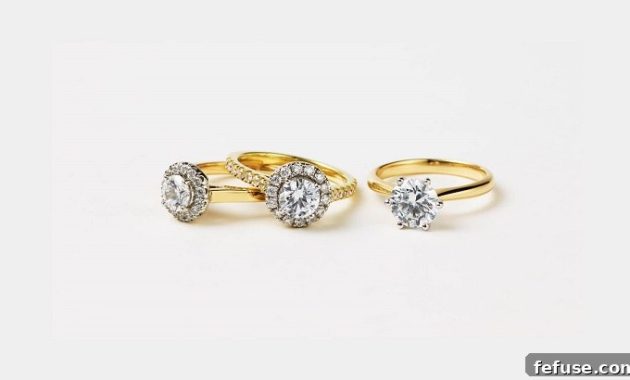
In the evolving landscape of fine jewelry, lab-grown diamonds have emerged as a revolutionary choice, captivating the hearts of modern couples seeking engagement rings that perfectly align with their values. These exquisite gems, cultivated within state-of-the-art laboratory environments, stand as a testament to human ingenuity, mirroring the unparalleled beauty, dazzling brilliance, and enduring durability of their mined counterparts. They represent a harmonious fusion of cutting-edge technology and timeless tradition, embodying the very essence of what today’s discerning couples desire: a profound symbol of their love that is not only ethically sourced and environmentally responsible but also exquisitely stunning and financially accessible. The appeal of lab diamonds lies not just in their scientific origin but in their ability to offer a guilt-free luxury, ensuring that every sparkle tells a story of conscious choice and profound affection.
The process of evaluating the quality, aesthetic appeal, and intrinsic value of any diamond, whether birthed from the earth’s crust or meticulously grown in a controlled lab, adheres to a universally recognized and respected standard: the 4Cs. This comprehensive framework, encompassing Cut, Color, Clarity, and Carat, serves as the indispensable blueprint for assessing a diamond’s worth and its inherent allure. Understanding the intricate nuances of each C empowers buyers to make an informed decision, ensuring their chosen diamond not only meets their aesthetic desires but also aligns with their ethical and budgetary considerations. For those embarking on the journey to find the perfect lab diamond engagement ring, a deep dive into the 4Cs is not merely beneficial; it is absolutely essential for unlocking the true potential and splendor of these magnificent stones.
Each of the 4Cs plays a pivotal and interconnected role in defining a diamond’s overall character and brilliance. The **Cut** is arguably the most critical factor, dictating how effectively a diamond interacts with light, ultimately determining its sparkle, fire, and scintillation—the very qualities that make a diamond come alive. The **Color** grade provides insight into the diamond’s intrinsic hue, ranging from the coveted D (colorless) to various shades of light yellow or brown, influencing its perceived purity and rarity. **Clarity** refers to the diamond’s internal purity and external flawlessness, assessing any minute inclusions or blemishes that might affect its transparency and light passage. Finally, **Carat** denotes the diamond’s weight, directly correlating with its visible size and, consequently, its presence and impact on the wearer’s hand. Mastering these fundamental principles of diamond grading is paramount for anyone considering a lab diamond engagement ring, as it not only facilitates an educated purchase but also guarantees the selection of a ring that authentically reflects personal tastes, values, and the unique love story it is destined to represent.
-
Cut: The Masterpiece of Light and Sparkle in Lab Diamonds
The cut of a diamond transcends mere shape; it is an intricate art form and a precise science that profoundly influences its inherent beauty and, most importantly, its ability to radiate brilliance, fire, and scintillation. This aspect is particularly crucial for lab diamond engagement rings, where the precision of facets and their symmetrical alignment are paramount. A diamond’s cut is the primary determinant of how light enters the stone, travels within it, and is ultimately returned to the observer’s eye. An expertly executed cut maximizes light performance, creating that breathtaking sparkle that captures attention and embodies the very essence of a diamond’s allure. Without an exceptional cut, even a diamond with perfect color and clarity may appear dull and lifeless, underscoring its pivotal role in the 4Cs.
The craftsmanship involved in diamond cutting is focused on optimizing three key light behaviors: **Brilliance** (the white light reflected from within and outside the diamond), **Fire** (the dispersion of light into spectral colors, like a rainbow), and **Scintillation** (the flashes of sparkle produced when the diamond moves). A diamond with an ideal cut will exhibit a harmonious balance of these three elements. For lab-grown diamonds, the technological precision available in their creation allows for exceptionally consistent and high-quality cuts. Unlike natural diamonds where cutters might compromise to retain carat weight due to the rarity of the rough, lab diamond cutters can prioritize optimal light performance, often resulting in superior sparkle for the same budget.
In the vibrant world of lab diamond engagement rings, the spectrum of available cut styles and shapes is both expansive and exhilarating, offering something to suit every personal aesthetic and preference. While the **round brilliant** cut remains the undisputed king, renowned for its unparalleled brilliance and timeless elegance, other shapes offer unique character and visual appeal. The geometric precision of the **princess cut**, the elongated sophistication of the **emerald cut**, the antique charm of the **cushion cut**, the modern flair of the **oval** and **pear shapes**, and the distinctive sparkle of the **Asscher cut** each bring different facets of a diamond’s beauty to the fore. Each shape, while having its own appeal, requires meticulous attention to its unique cutting parameters to achieve optimal light return. The choice of cut is therefore more than just a stylistic preference; it’s a statement about how light will interact with and define the diamond’s personality, playing a significant role in its overall allure and stunning brilliance.
Precision cutting is not merely an advantage but a fundamental imperative in the production of lab diamonds, especially for those considering these modern alternatives to traditionally mined stones. This painstaking process is dedicated to maximizing every diamond’s inherent capacity to reflect and refract light with unparalleled intensity. It involves the meticulous planning and execution of each facet’s angle, proportion, and symmetry. Advanced laser technology and expert craftsmanship ensure that waste is minimized while the diamond’s light performance is optimized to its fullest potential. This meticulous attention to detail during the cutting process significantly enhances the stone’s natural beauty, guaranteeing that the lab diamond sparkles with maximum intensity and a captivating play of light. This commitment to precision cutting ensures that lab diamonds deliver exceptional optical performance, often surpassing many mined diamonds in terms of brilliance and fire, making them a truly desirable option for engagement rings that command attention.
-
Color: Unveiling the Subtle Hues of Lab Diamonds
Color grading in diamonds is an indispensable component of the universally accepted 4Cs, exerting a profound influence on a diamond’s perceived beauty and market value. This critical assessment applies equally to both lab-grown and earth-mined diamonds, adhering to a rigorous, standardized scale developed by the Gemological Institute of America (GIA). This scale ranges meticulously from D, representing the absolute pinnacle of colorlessness, to Z, which indicates a noticeably light yellow or brown tint. In the context of lab diamond engagement rings, the chosen color grade directly impacts the gemstone’s overall aesthetic appeal and its perceived value. The pursuit of higher color grades, particularly those nestled closer to the coveted ‘D’ mark, signifies a desire for diamonds that exhibit virtually no discernible color, reflecting an aspirational quest for purity, exceptional brilliance, and an undeniable sense of rarity. A truly colorless diamond allows light to pass through unobstructed, enhancing its sparkle and fire without any warmer tones to mute its brilliance.
The scientific intricacies behind achieving precise color grades in lab-grown diamonds are a fascinating testament to the sophisticated fusion of advanced technology and profound scientific expertise. Within the controlled confines of a laboratory, environmental conditions are meticulously orchestrated and maintained to replicate the exact geological processes that lead to the natural formation of diamonds. This controlled environment is paramount, as factors such as sustained pressure, specific temperature ranges, and, critically, the controlled introduction (or absence) of certain trace elements like nitrogen during the growth phase can subtly but significantly influence the final hue of the diamond. Nitrogen, for example, is the most common impurity in natural diamonds and is responsible for their yellowish tint. In lab environments, the precise control over these parameters allows for the consistent production of diamonds across the entire color spectrum, including the highly sought-after D-F colorless range, necessitating unparalleled precision and rigorous oversight throughout the entire creation process. This level of control is a distinct advantage over the unpredictable formation of mined diamonds.
A comparative analysis of color variations between lab and mined diamonds yields compelling insights into the capabilities of modern diamond technology. While both categories of diamonds can span the entirety of the GIA color scale, from pristine colorless to distinctly yellowish, the controlled environment of lab cultivation inherently facilitates more consistent and predictable color outcomes. This remarkable consistency serves as a powerful testament to the exponential advancements in both technology and the specialized skills employed in crafting high-quality lab-grown diamonds. It underscores the unparalleled ability to precisely engineer and produce diamonds with specific, desired color characteristics, a factor of immense and growing importance in the fiercely competitive world of fine jewelry. Furthermore, lab technology has opened avenues for creating vibrant fancy colored diamonds (pink, blue, yellow, green) with an intensity and affordability often unattainable in nature. This means consumers can often access larger, more intensely colored lab diamonds for a fraction of the cost of their natural counterparts, offering unprecedented choice and value.
-
Clarity: Discerning the Flawlessness of Lab Diamonds
Clarity in diamonds stands as a vital and often misunderstood aspect among the 4Cs, playing a pivotal role in determining a diamond’s overall value, visual appeal, and intrinsic beauty. It refers to the complete absence, or rather, the degree of presence, of microscopic internal characteristics known as ‘inclusions’ and external imperfections called ‘blemishes,’ both within and on the surface of the diamond. Clarity serves as a meticulous measure of a diamond’s purity and structural perfection, with higher clarity grades directly correlating to fewer and less noticeable imperfections. These imperfections can sometimes hinder the passage of light, thereby affecting the diamond’s brilliance. In the context of lab-grown diamonds, clarity not only significantly influences their market value and desirability but also profoundly reflects the sophistication and precision of the advanced technology employed in their meticulously controlled creation process, showcasing the pinnacle of modern gemological engineering.
The GIA clarity grading scale is a detailed hierarchy, ranging from Flawless (FL), meaning no inclusions or blemishes visible under 10x magnification, to Included (I1, I2, I3), where inclusions are typically visible to the naked eye. In between these extremes are Internally Flawless (IF), Very Very Small Inclusions (VVS1, VVS2), Very Small Inclusions (VS1, VS2), and Small Inclusions (SI1, SI2). Lab-grown diamonds, much like their naturally occurring counterparts, can exhibit a diverse array of inclusions and blemishes. These imperfections are essentially the diamond’s birthmarks, tiny remnants of their growth process. Common internal characteristics (inclusions) can include minute pinpoints (tiny crystals), wispy clouds (hazy groups of pinpoints), delicate feathers (small internal fractures), or even microscopic crystals (other mineral growths). External features (blemishes) might include fine scratches, tiny pits, or even extra facets (tiny facets added during cutting). The specific types, sizes, and locations of these imperfections vary immensely, rendering each diamond truly unique. While a diamond’s value typically increases with higher clarity, many buyers opt for “eye-clean” diamonds (VS1 to SI2), where imperfections are not visible to the naked eye, offering an excellent balance of beauty and value.
In the cutting-edge laboratory environment, sophisticated techniques are meticulously employed to either enhance or precisely control the clarity of grown diamonds. These advanced methods include the precise manipulation of the growth environment to actively minimize the formation of inclusions during the diamond synthesis process. Scientists and highly skilled technicians tirelessly strive to replicate and refine the intricate natural diamond formation process, all while strategically reducing the occurrence of inherent flaws. This meticulous control over the growth parameters, such as temperature, pressure, and the purity of the carbon source, is crucial in yielding diamonds with superior clarity. The unwavering pursuit of perfection in lab diamonds extends far beyond the mere attainment of high clarity grades; it embodies a profound commitment to crafting gems that not only possess exceptional physical beauty but also truly embody the natural artistry and scientific ingenuity of their creation. This dedication ensures that lab diamonds offer an unparalleled level of transparency and brilliance, making them an ideal choice for discerning individuals seeking a diamond that visually appears flawless without the rarity-driven premium of natural diamonds.
-
Carat: The Measure of Weight and Grandeur in Lab Diamonds
Carat weight is a foundational and universally recognized metric in the captivating realm of diamonds, directly influencing both the physical size and, consequently, the profound visual impact and perceived grandeur of these precious stones. A single carat, precisely defined as 0.20 grams (or 200 milligrams), serves as the standardized unit employed to express the weight of all diamonds, encompassing both those meticulously cultivated in advanced laboratories and those unearthed from the earth’s depths. Intuitively, the greater the carat weight, the larger and more commanding the diamond appears to the eye. This dimension of the 4Cs holds immense significance in the selection of lab diamond engagement rings, as the size of the diamond frequently serves as a powerful and tangible symbol of the magnitude of sentiment, devotion, and commitment it is intended to represent, often translating into a bolder statement of love.
Within the innovative domain of lab-grown diamonds, continuous technological advancements have a profound and transformative impact on the achievable carat size. Unlike the unpredictable yields of natural diamond mining, the precisely controlled conditions within specialized laboratories allow for the consistent growth of significantly larger diamonds than might typically be found in nature, particularly at accessible price points. This unparalleled ability to meticulously influence and dictate the size of the diamond through advanced lab methodologies presents a substantial and compelling advantage. It offers an unprecedented degree of flexibility, empowering consumers to select diamonds that perfectly cater to a diverse spectrum of aesthetic preferences, stylistic desires, and, crucially, budgetary considerations. This means a dream ring with a substantial center stone that might be financially out of reach in a mined diamond becomes a tangible reality with a lab-grown alternative, without compromising on quality or beauty.
When undertaking a comparative analysis of the carat sizes between lab diamonds and their mined counterparts, a striking and frequently noted observation is that lab-grown diamonds often provide access to impressively larger sizes for comparable or even more favorable price points. This notable disparity in value is largely attributable to the inherent efficiency, scalability, and predictable nature of modern lab processes, which bypass the exorbitant costs, environmental impact, and supply chain complexities associated with traditional diamond mining. While the intrinsic emotional value and profound sentiment behind both types of diamonds are unequivocally high and deeply personal, lab-grown diamonds present an increasingly compelling alternative. This alternative not only better aligns with individual desires for visual impact and affordability but also resonates strongly with contemporary values emphasizing ethical sourcing, environmental responsibility, and transparent origins. Choosing a larger lab diamond means maximizing visual impact and personal expression without compromising on principles, offering a truly modern and conscientious choice for a lifetime commitment.
Conclusion: Empowering Your Choice with the 4Cs of Lab Diamonds
Delving into the comprehensive understanding of the 4Cs—Cut, Color, Clarity, and Carat—of lab diamond engagement rings illuminates the meticulous scientific rigor and profound artistry underpinning their creation. This invaluable knowledge serves as an indispensable compass for individuals navigating the exciting yet often complex journey of diamond selection, empowering them to make a truly informed choice that resonates deeply with their personal preferences, ethical considerations, and financial parameters. Recognizing how each ‘C’ contributes to a diamond’s overall brilliance, beauty, and value ensures that the chosen ring is not just an adornment but a perfect reflection of thoughtful decision-making and cherished aspirations.
Lab diamonds, precisely shaped by the harmonious interplay of cutting-edge technology and the enduring principles that govern natural diamond formation, present themselves as an exceptionally compelling, sustainable, and ethically sound option within the discerning world of fine jewelry. Their creation process minimizes environmental impact and ensures conflict-free origins, addressing the growing demand for conscious luxury. By appreciating the intricate art and scientific precision embedded within these remarkable gems, consumers are able to cultivate a deeper and more profound appreciation for their inherent value, stunning aesthetic appeal, and significant symbolic resonance. They offer the same dazzling beauty and physical properties as mined diamonds, without the associated ethical baggage, making them an increasingly preferred choice.
As the landscape of diamond appreciation and acquisition continues to evolve and modernize, lab-grown options distinguish themselves as a thoughtful, sophisticated, and distinctly contemporary choice. They stand as a testament to innovation, perfectly reflecting not only the individual’s unique personal taste and style but also a steadfast and unwavering commitment to responsible consumerism and ethical sourcing. Choosing a lab diamond is more than just selecting a beautiful gem; it is an affirmation of modern values, a celebration of scientific advancement, and a powerful statement about the kind of world we wish to foster. These diamonds symbolize a future where luxury and responsibility coexist beautifully, making them the ultimate expression of love for the modern era.