
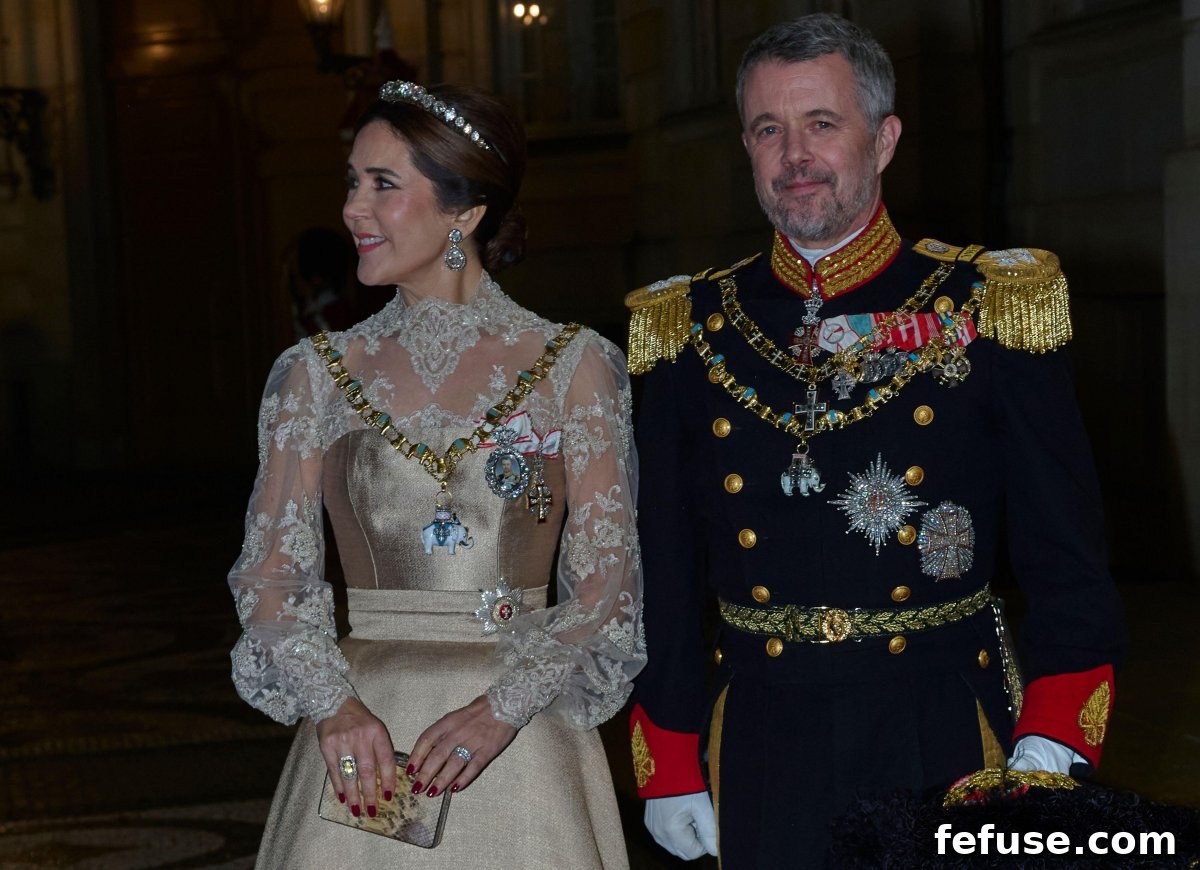
Copenhagen’s Amalienborg Palace glittered with unparalleled brilliance tonight as the Danish Royal Family gathered for the esteemed traditional New Year’s Levee. This annual event, a cornerstone of Danish royal tradition, marked the official start of the year 2026 with a magnificent display of regal splendor, historic jewels, and unwavering elegance. The much-anticipated gathering saw monarchs, heirs, and esteemed members of the royal household adorned in their finest, celebrating continuity and heritage in a truly dazzling fashion.
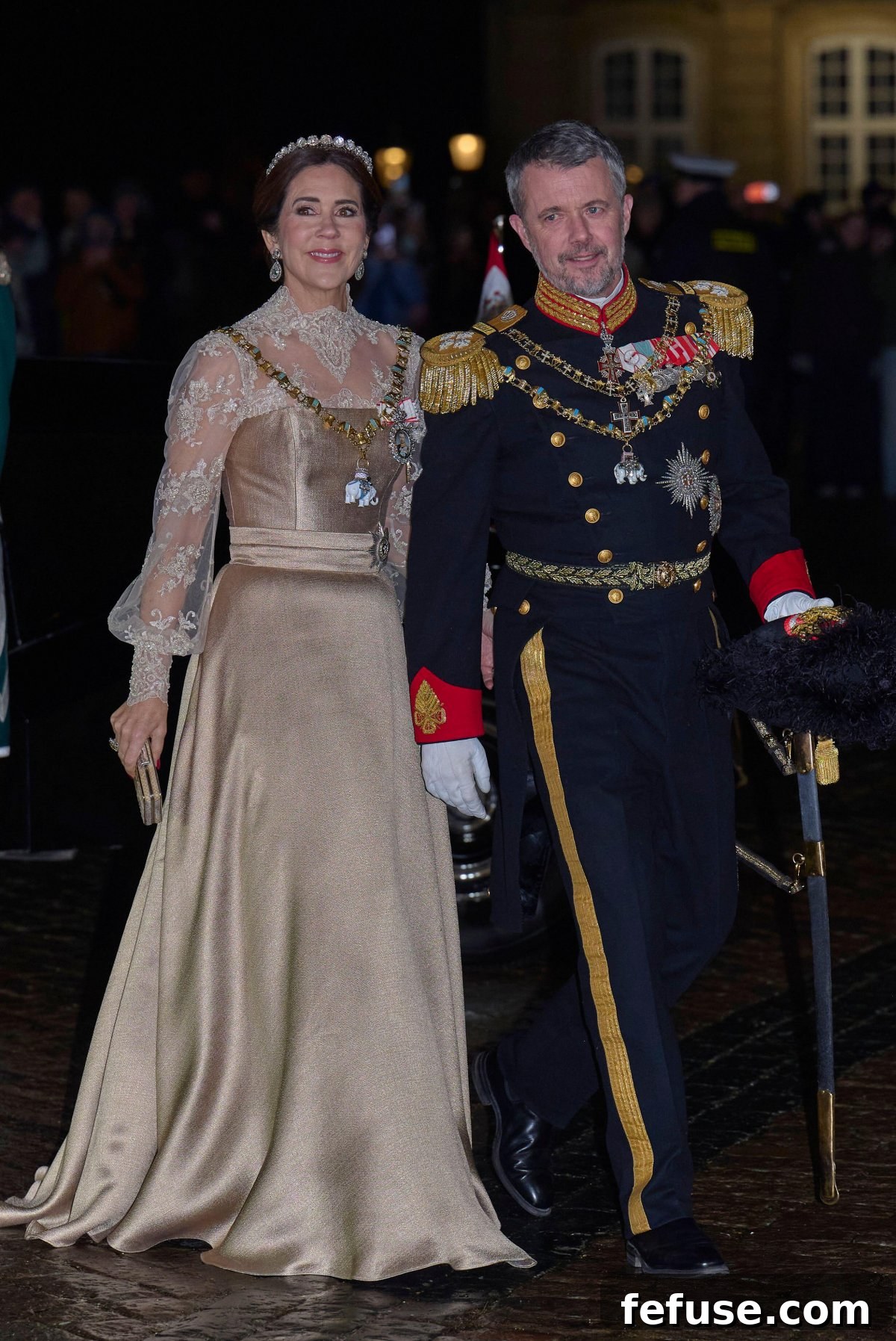
Leading the illustrious proceedings were Their Majesties King Frederik X and Queen Mary, presiding over their first New Year’s Levee as the reigning monarchs. The grand dinner and reception welcomed a distinguished assembly, including prominent members of the government, parliamentary representatives, and other high-ranking state officials. King Frederik X cut a majestic figure in his full gala uniform, adorned with a prestigious array of orders and decorations, most notably the resplendent collar of the Order of the Elephant. January 1st holds unique significance as one of the few designated “collar days” of the year for members of this esteemed order, highlighting the gravity of the occasion.
Queen Mary captivated onlookers in a champagne-colored Jesper Hovring gown, a piece beautifully reimagined on several occasions to suit various royal engagements. For tonight’s event, the gown featured reportedly new additions of delicate lace on the bodice and sleeves, adding an ethereal touch to her already sophisticated ensemble. Her choice underscored a keen appreciation for both sustainable fashion practices within royalty and a deep respect for personalizing significant garments.
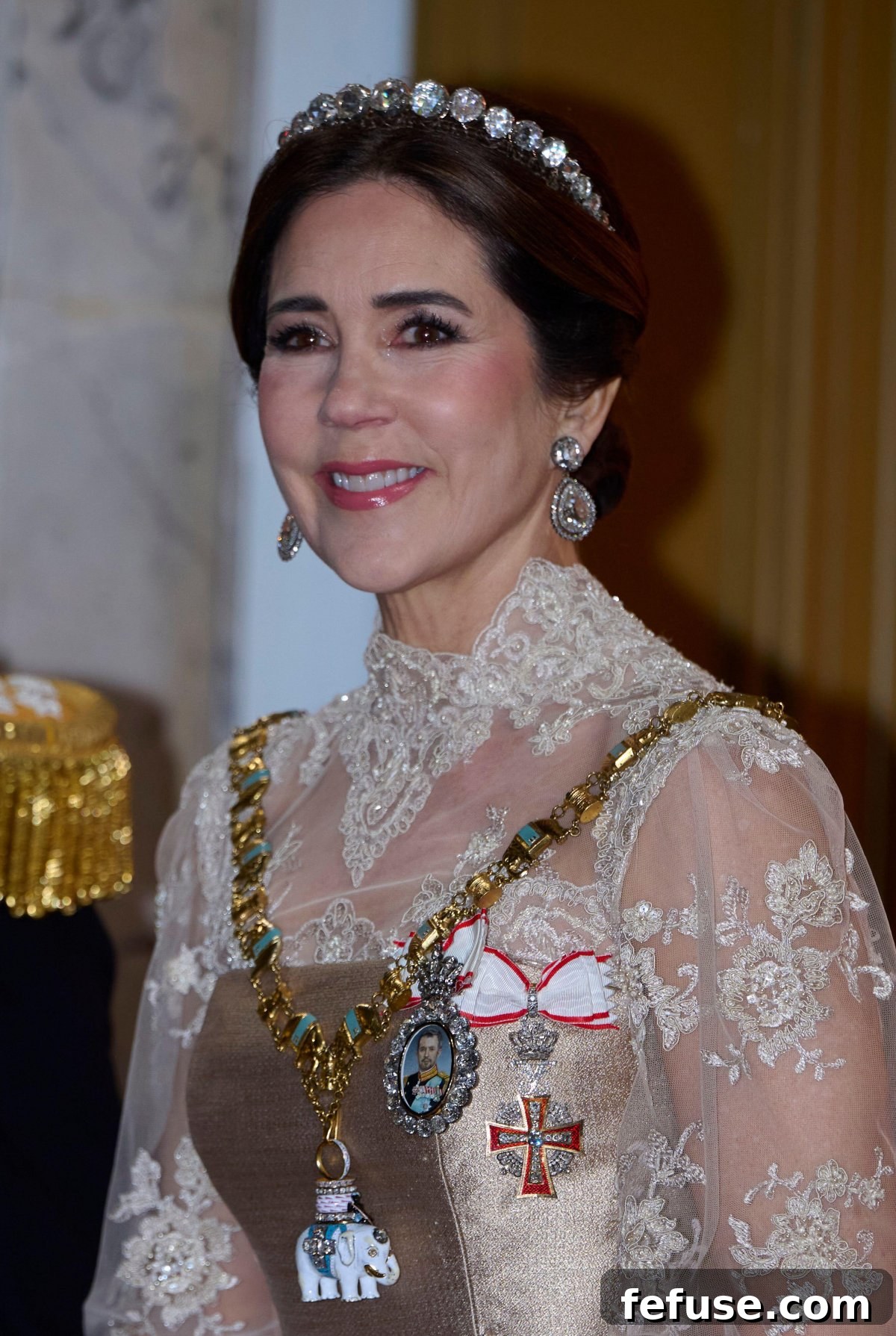
Complementing her elegant attire, Queen Mary’s choice of tiara was a magnificent testament to royal heritage and modern ingenuity. The exquisite rose-cut diamonds, meticulously arranged in a bandeau style, originate from the storied Danish Crown Jewel collection. This particular piece is a stunning example of how historical treasures can be adapted for contemporary use, blending centuries of tradition with a fresh, wearable aesthetic that truly shines under the spotlight.
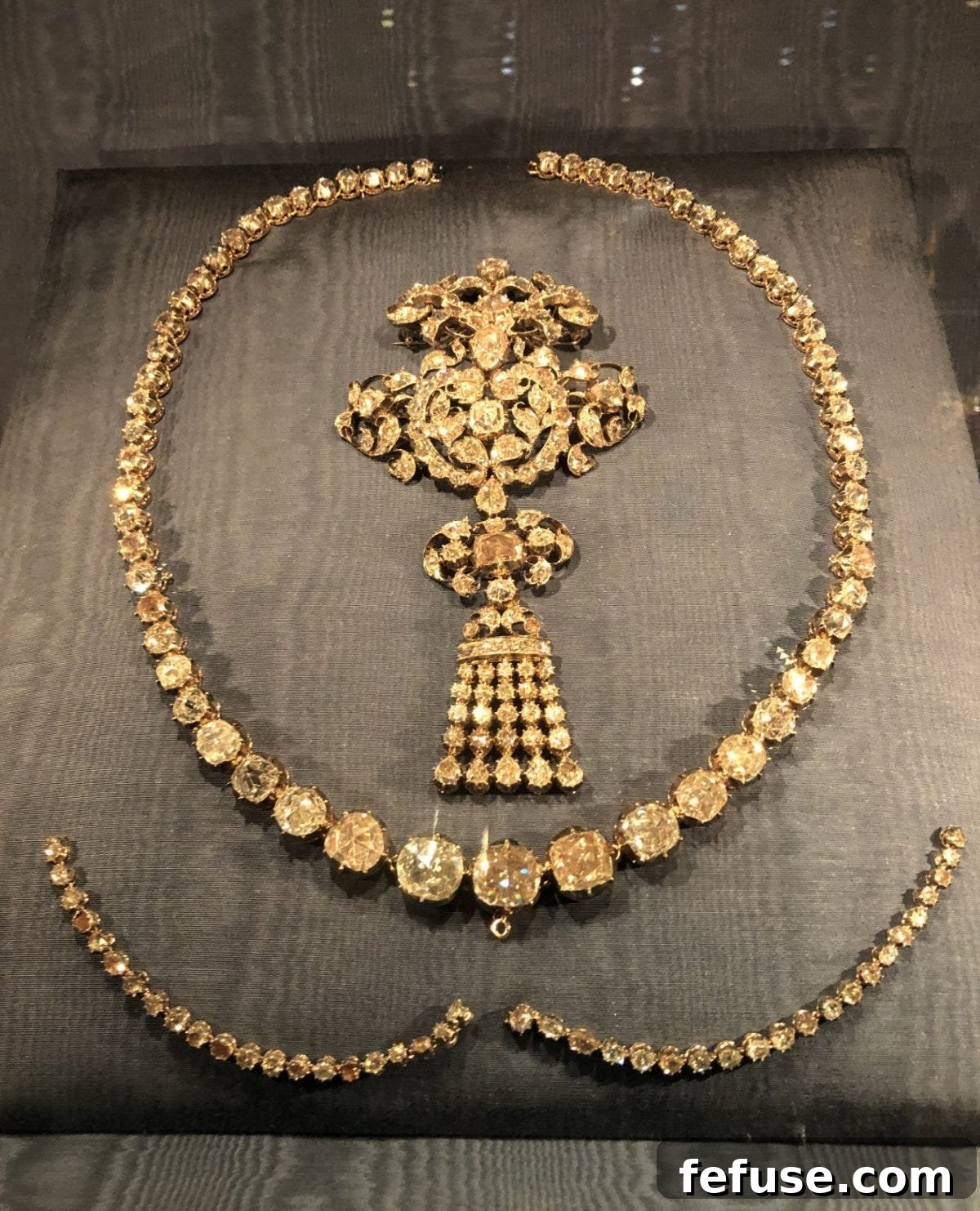
The history embedded within these dazzling gems is as captivating as their sparkle. These rose-cut diamonds originally graced the collection of Princess Charlotte Amalie of Denmark, who lived from 1706 to 1782. Over a century after her passing, in 1840, these very diamonds were artfully set by the esteemed goldsmith Carl Martin Weisshaupt into a medieval-inspired belt. This diamond belt, complete with its extender pieces, was a prominent feature in pre-2024 crown jewel displays at Rosenborg Castle, alongside the rest of the rose-cut suite. While a piece of immense historical value, its practical wearability diminished over time. To the best of current knowledge, the last Danish royal lady to wear this belt was Queen Lovisa, who passed away a century ago, making its transformation even more impactful.
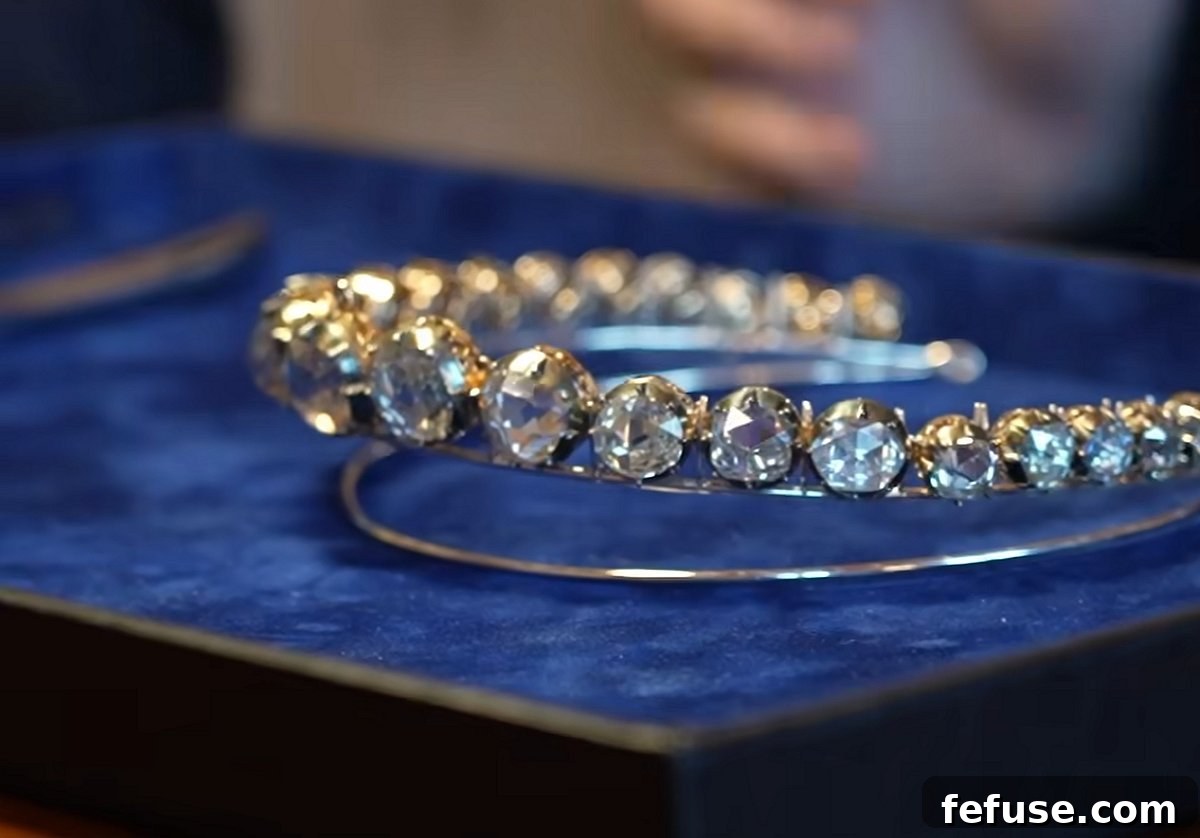
A remarkable collaboration unfolded in 2024 when Queen Mary, in conjunction with experts from the Danish Royal Collection, commissioned a groundbreaking new bandeau-style tiara setting. This innovative project saw the largest diamonds from the historic belt carefully transferred to form a much more versatile and fashionable headpiece for modern royal engagements. Crucially, the original belt setting was meticulously preserved, with elegant spacers now occupying the places where the diamonds once rested. This thoughtful approach ensures that, should future generations desire, the diamonds can be reincorporated into the belt, maintaining the integrity and flexibility of these precious crown jewels. The resulting tiara is a highly wearable piece, echoing the sophisticated elegance of the diamond bandeau famously owned by the Dutch royal family, demonstrating a clever fusion of ancient beauty with contemporary style.
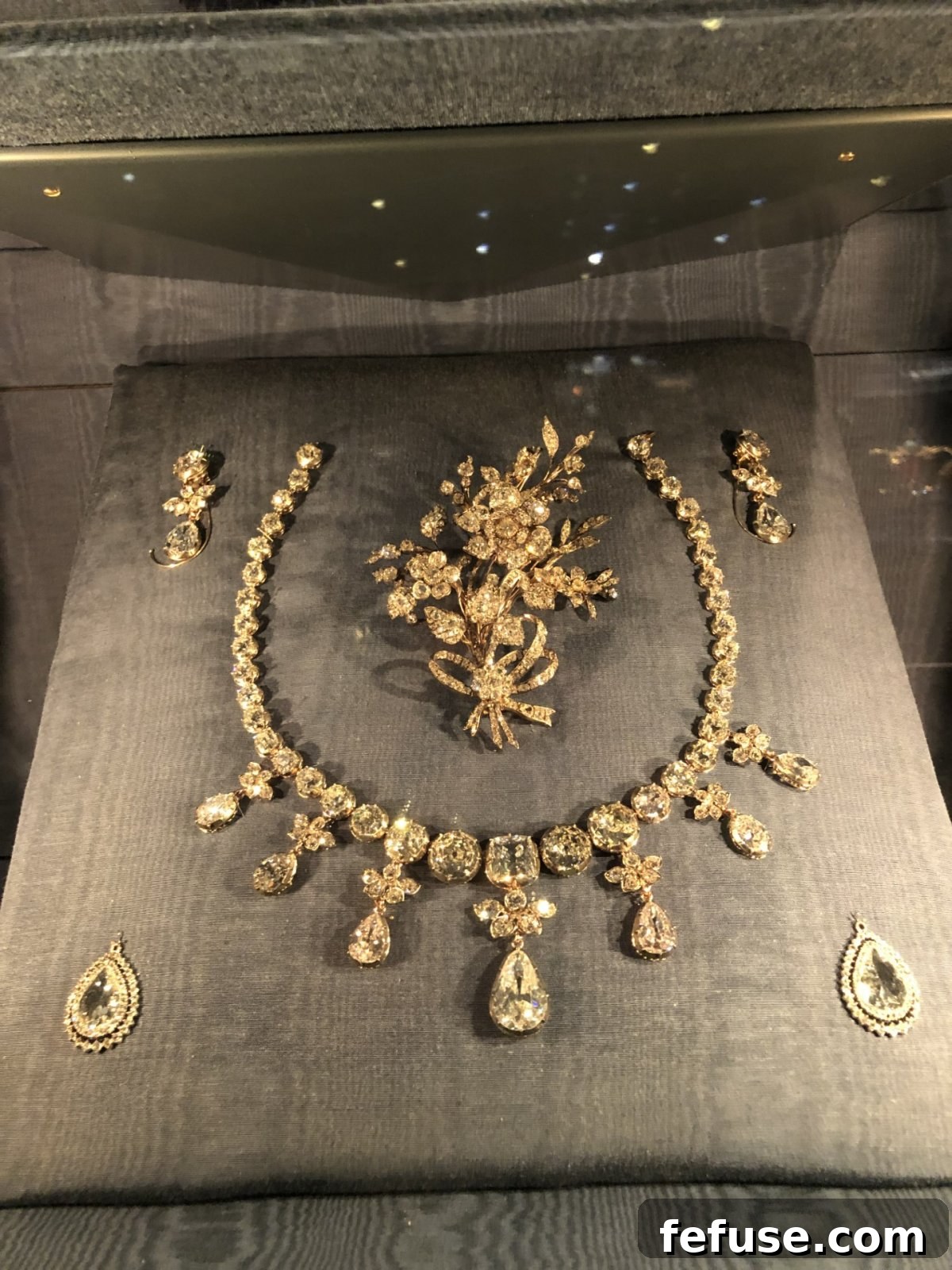
Beyond the reimagined rose-cut diamonds, the Danish Crown Jewel collection boasts a second, equally magnificent suite of diamond jewels. This demi-parure is a breathtaking assembly, comprising a resplendent necklace, a grand floral corsage ornament, and a pair of exquisite earrings featuring two distinct sets of pendants, allowing for versatile styling. Like its rose-cut counterpart, this brilliant set was also crafted in 1840 by the masterful Weisshaupt, a testament to his enduring legacy in Danish royal jewelry. The diamonds within this collection carry a rich lineage, having once belonged to three distinguished Danish queens consort: Queen Sophie Magdalene (1700-1770), Queen Juliane Marie (1729-1796), and Queen Caroline Matilda (1751-1775). Each queen, through her patronage and wearing of these jewels, imbued them with a unique part of Danish royal history, making them truly priceless artifacts.
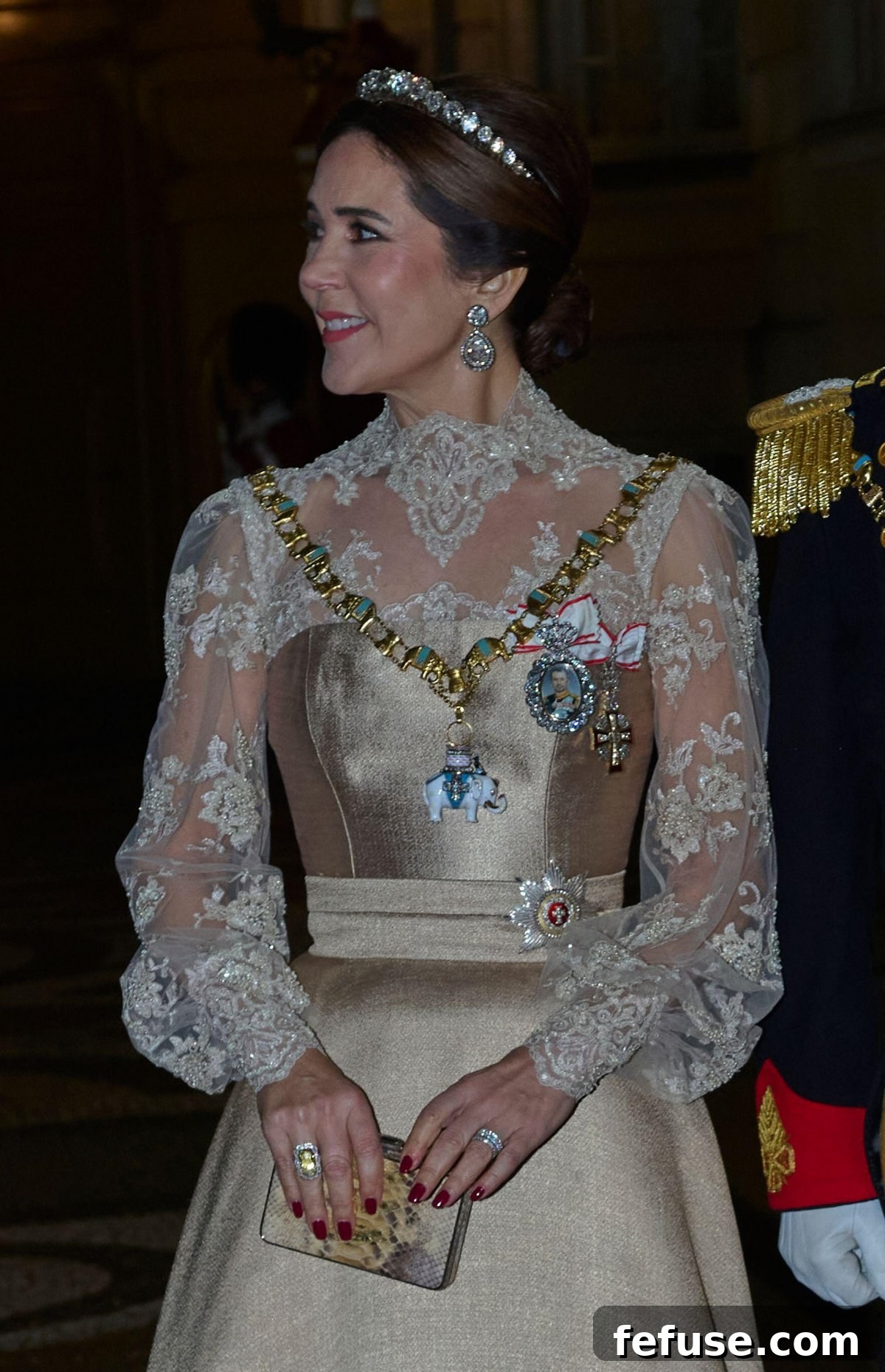
For this evening’s distinguished New Year’s Levee, Queen Mary meticulously selected the earrings from this brilliant set, opting for the particularly captivating large pear-shaped pendants that gracefully framed her face. Her hands were equally adorned with understated elegance: a sophisticated stack of diamond bands gleamed on her left hand, while her right hand bore a striking cocktail ring featuring a vibrant yellow gemstone centerpiece, adding a contemporary pop of color to her ensemble. Her thoughtful curation of jewels perfectly balanced historical gravitas with personal style, reflecting her modern approach to royal adornment.
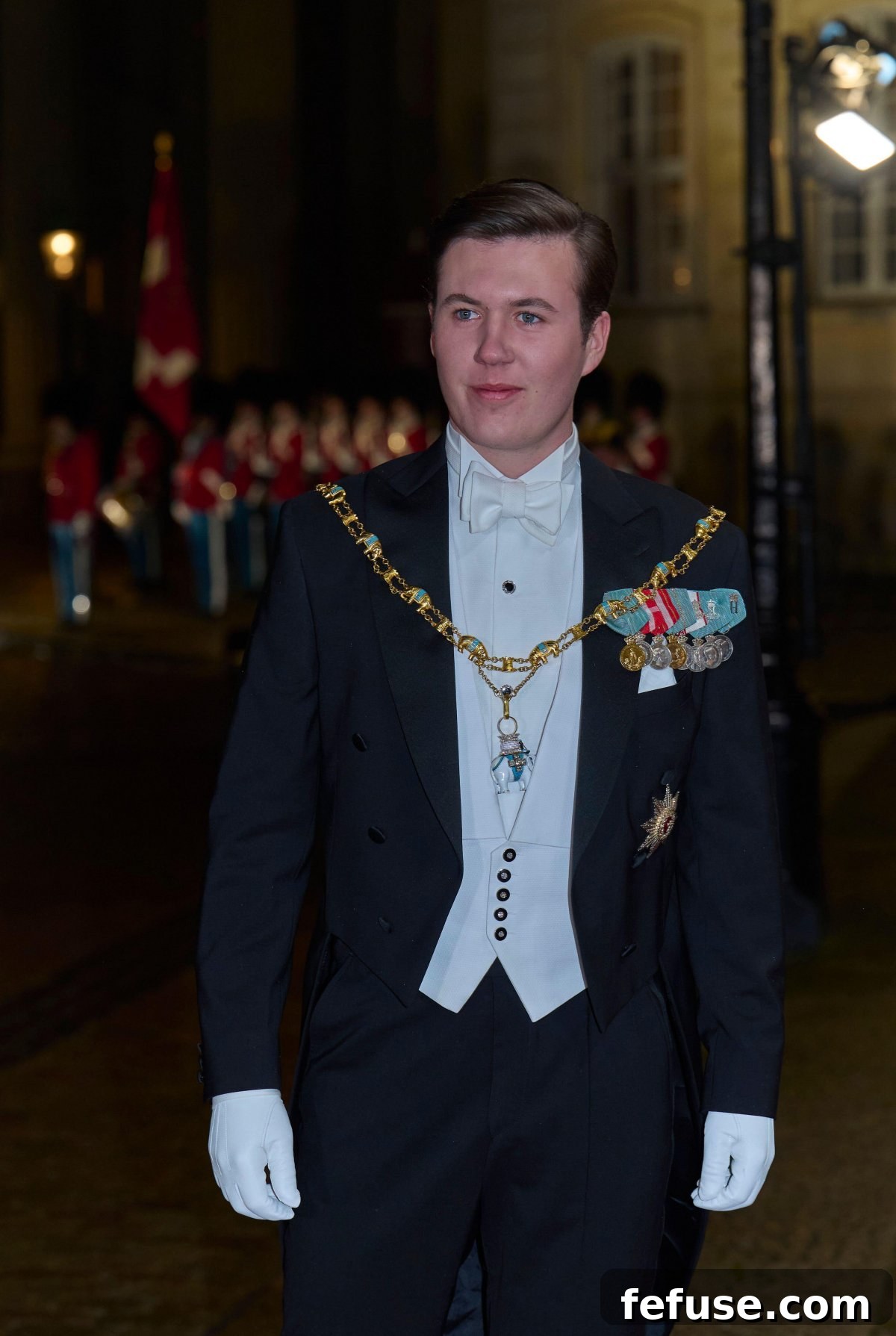
Joining the King and Queen at the prestigious reception was their elder son, Crown Prince Christian, who represented the future of the Danish monarchy with poise and dignity. The young Crown Prince, now increasingly taking on official duties, was impeccably dressed in traditional white-tie gala attire. His ensemble was further enhanced by the revered collar of the Order of the Elephant and a dignified slate of royal medals, signifying his growing stature and commitment to his royal responsibilities. His presence underscored the seamless transition of generations within the Danish Royal House and the enduring strength of the monarchy.
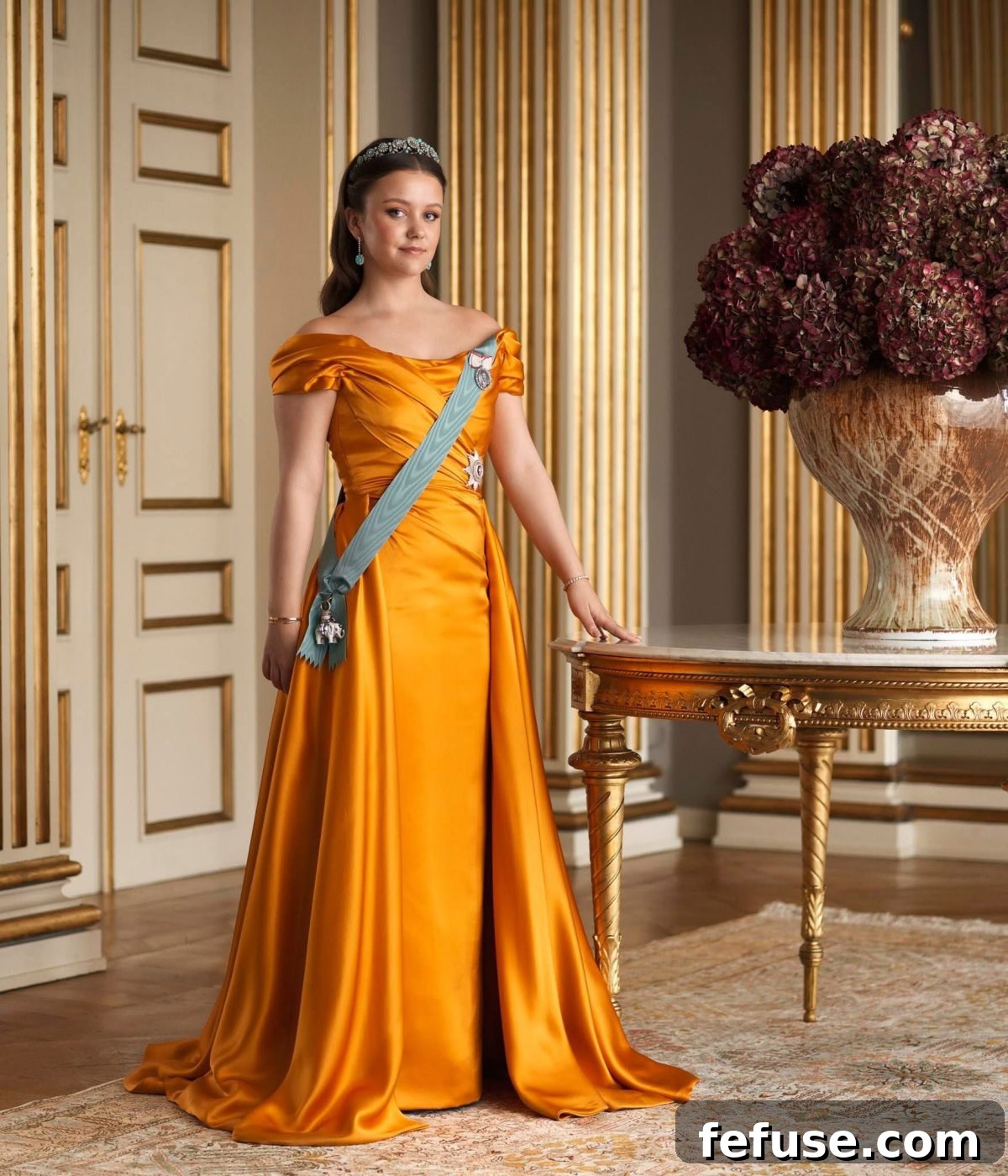
Noticeably absent from the New Year’s Levee was Crown Prince Christian’s sister, Princess Isabella. Having celebrated her eighteenth birthday in April, Princess Isabella has recently come of age and now boasts her own special tiara, the charming Turquoise Daisy Bandeau, and a collection of gala decorations suitable for formal occasions. Despite her readiness for royal engagements, her attendance at tonight’s event was not anticipated. Princess Isabella is currently focused on her education, and discussions surrounding the precise nature of her future royal role and public duties are reportedly still ongoing, reflecting a thoughtful approach to her development within the monarchy.
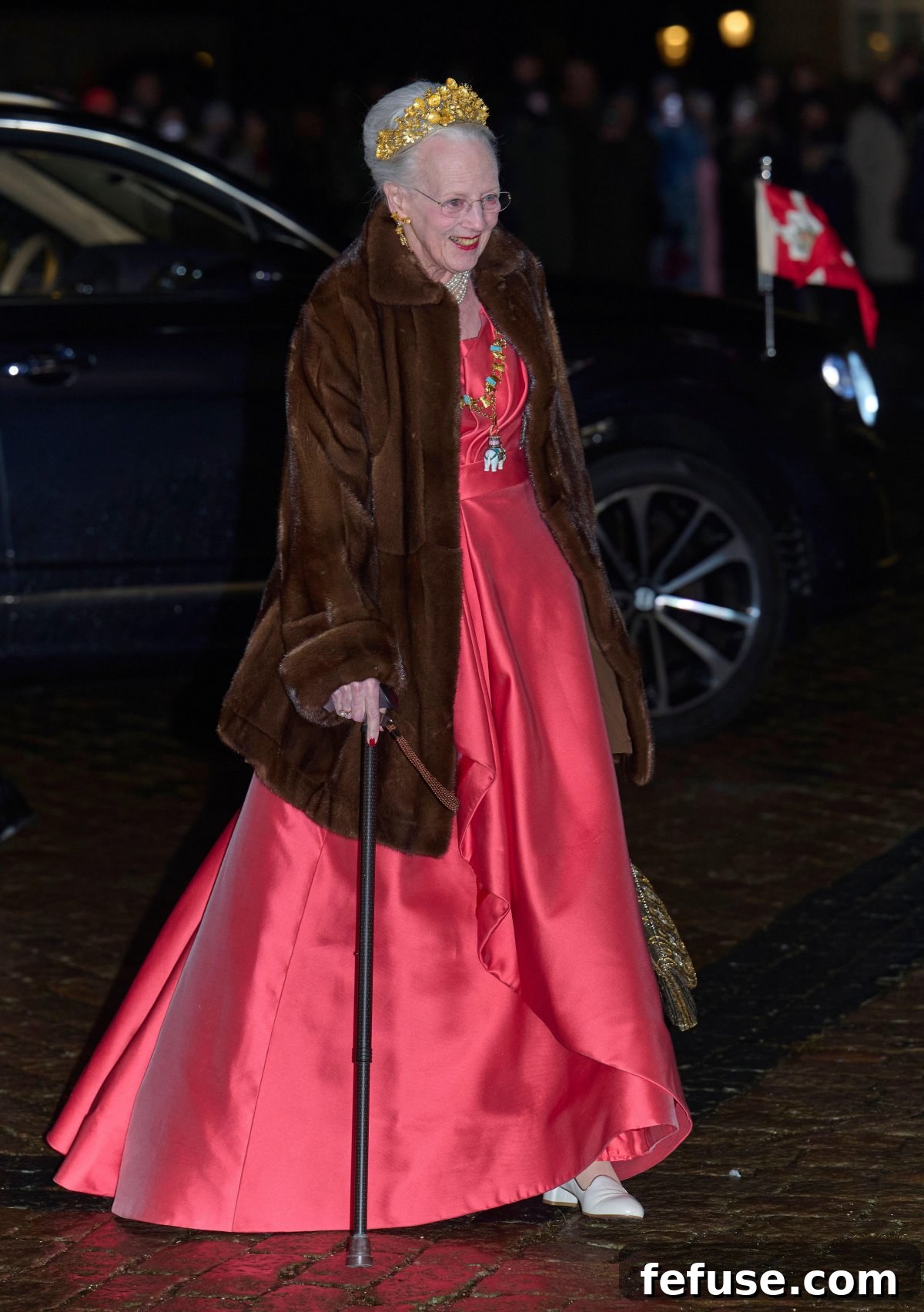
Adding further grandeur to the regal gathering were three more spectacular royal tiaras, gracing the heads of other esteemed royal ladies from the family. Among them was the King’s beloved mother, Queen Margrethe II, making her first appearance at the New Year’s Levee as Queen Dowager. She radiated elegance in a cherished pink evening gown, which she paired with a luxurious fur jacket. Her attire was completed with her own collar and star of the Order of the Elephant, embodying a timeless grace and her enduring presence within the Danish Royal Family.
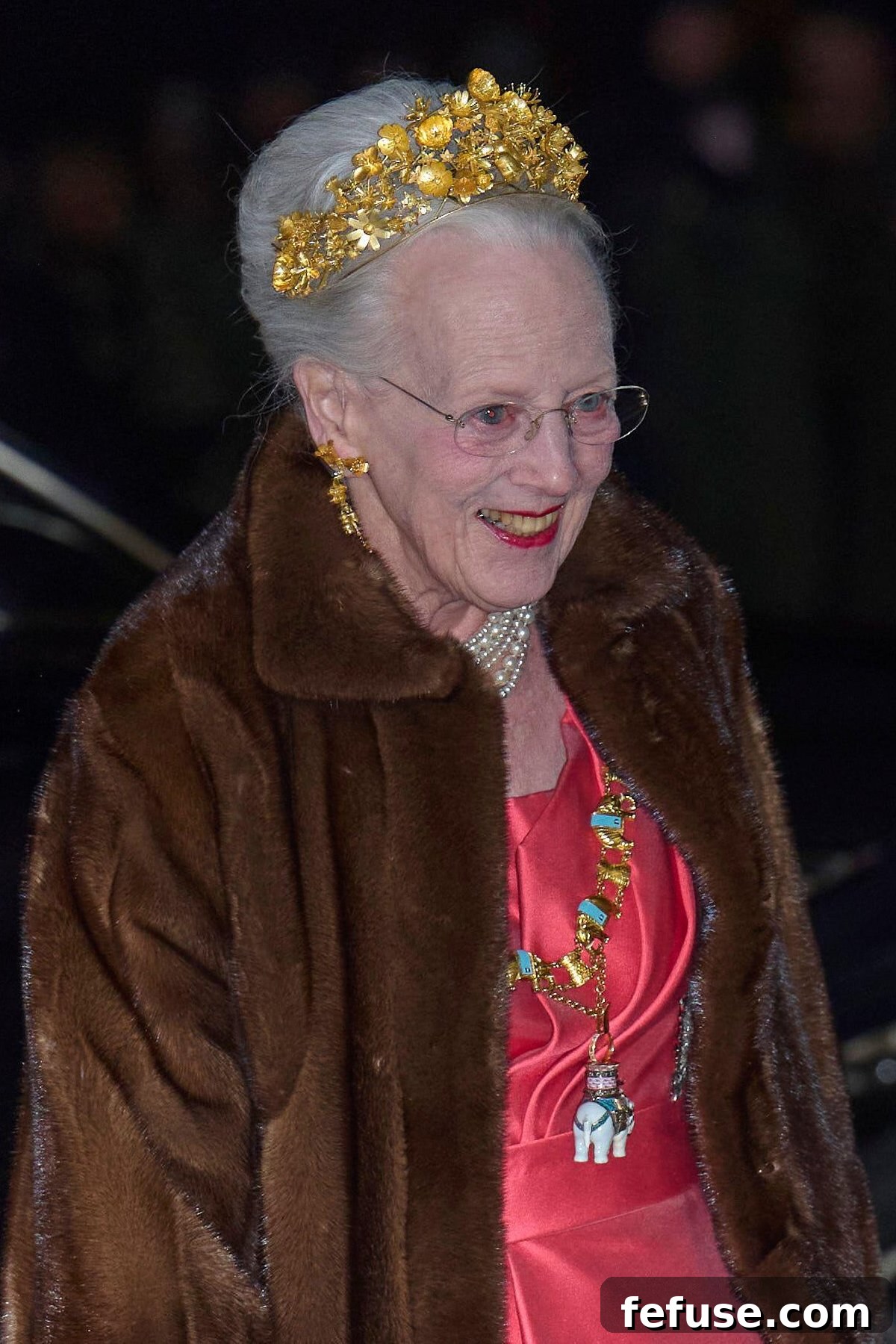
For the highly anticipated New Year’s Levee, Queen Margrethe chose to showcase one of her most personal and meaningful suites of jewelry: the magnificent Naasut Tiara and its perfectly matching earrings. This unique and symbolic set was thoughtfully designed by Nicolai Appel, a distinguished Greenlandic goldsmith, and presented to Queen Margrethe in 2012 as a heartfelt Ruby Jubilee gift from the people of Greenland. It represents a profound connection between Denmark and its self-governing territory, a stunning emblem of shared history and cultural appreciation.
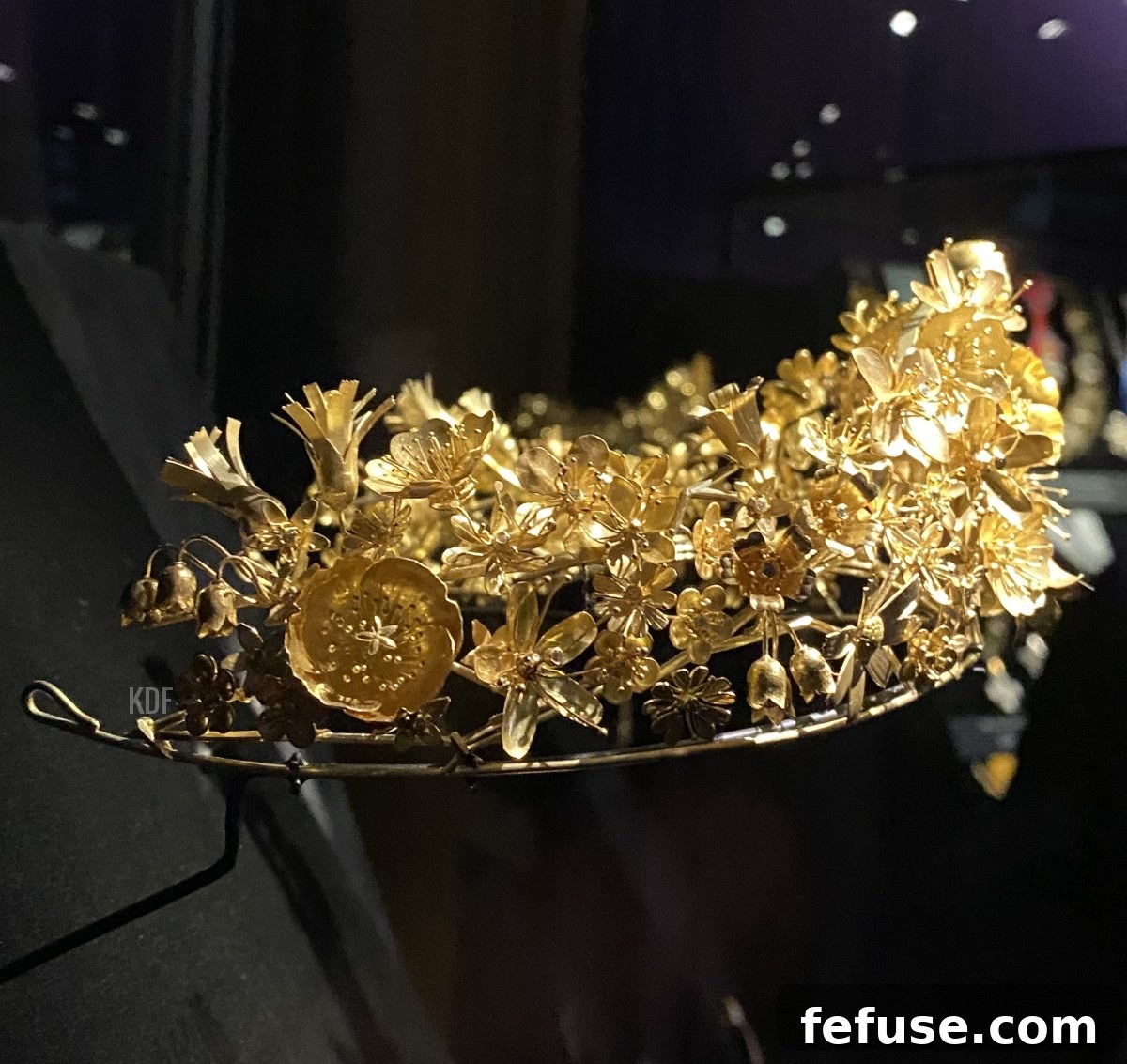
The luminous, bright yellow gold from which both the tiara and its accompanying earrings are fashioned holds a particularly fascinating origin story. This precious metal was sourced from melted-down coins, all of which were originally minted from gold meticulously mined in Greenland. The tiara itself is a delicate masterpiece, featuring an exquisite array of gold flowers meticulously sculpted to represent the flora native to Greenland. Appropriately, the very name of the tiara, naasut, translates roughly to “flower” or “plant” in Kalaallisut, the indigenous Inuit language of Greenland, further cementing its cultural significance and homage to its origins.
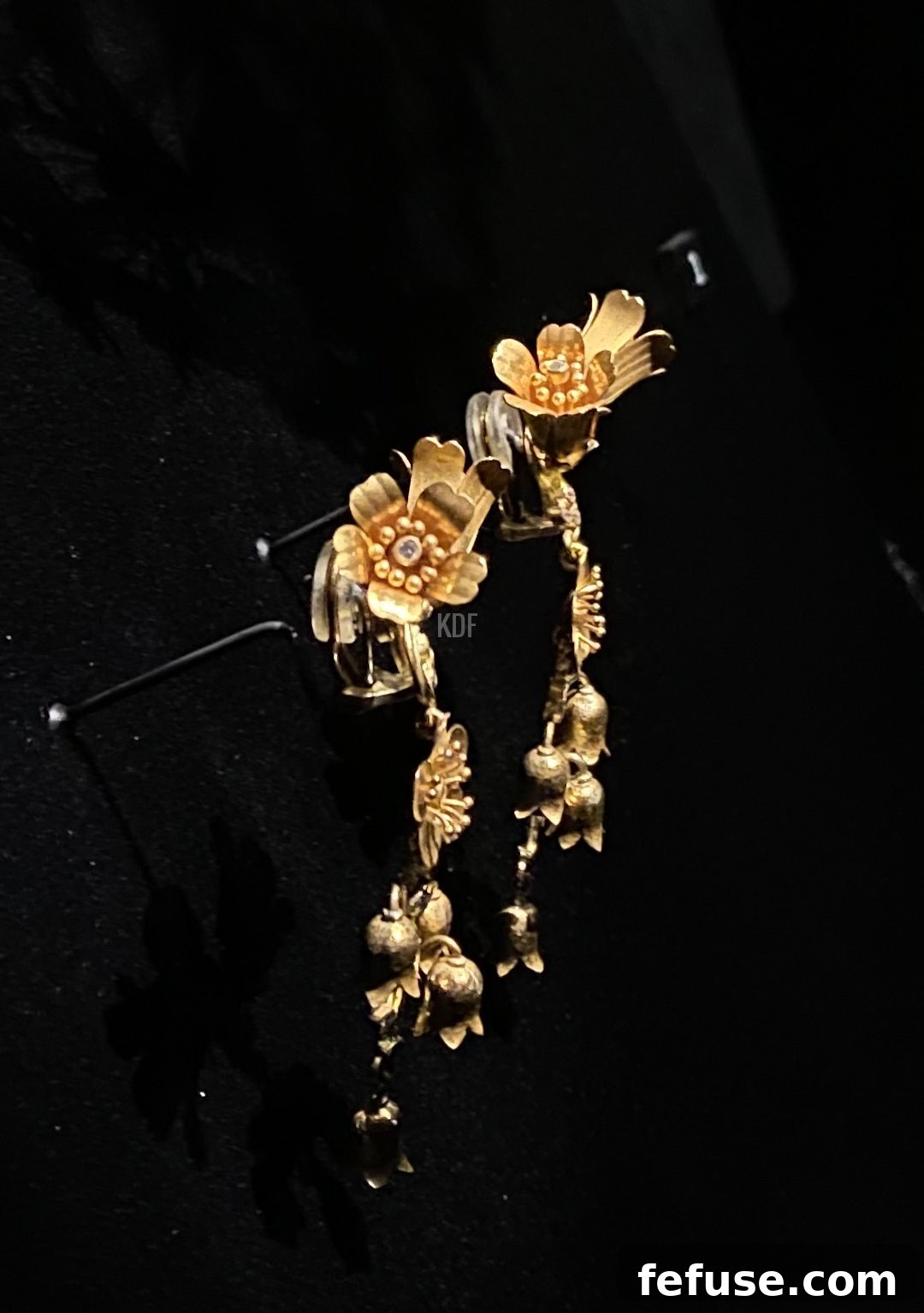
The captivating floral theme and the unique Greenlandic gold continue seamlessly through to the matching Naasut earrings. These elegant drops are also crafted from the same distinctive Greenlandic gold, featuring long pendants that culminate in delicate, intricately designed floral drops. The entire suite forms a harmonious tribute to the natural beauty and rich cultural heritage of Greenland, making it not just a piece of jewelry, but a profound statement of connection and appreciation for Queen Margrethe II.
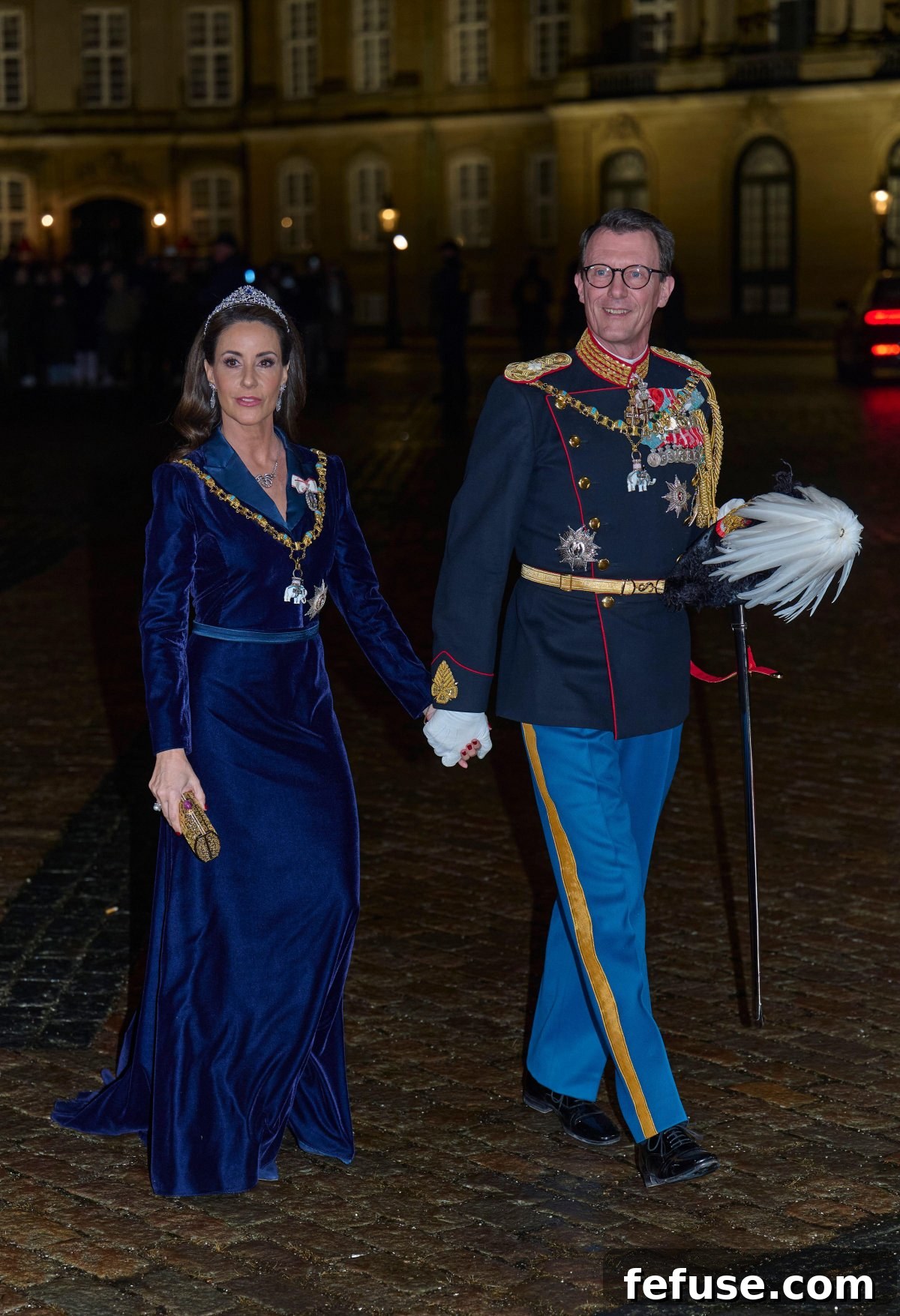
The third magnificent tiara of the evening graced the head of Princess Marie, the elegant wife of the King’s brother, Prince Joachim. Princess Marie chose a deeply cherished blue velvet evening gown, a garment known for its sophisticated hue and a beautifully tailored shirtwaist styling on the bodice, which lent a refined and graceful silhouette to her appearance. Her consistent choice of this particular gown for significant occasions speaks to its timeless appeal and her personal comfort in this striking piece of royal fashion.
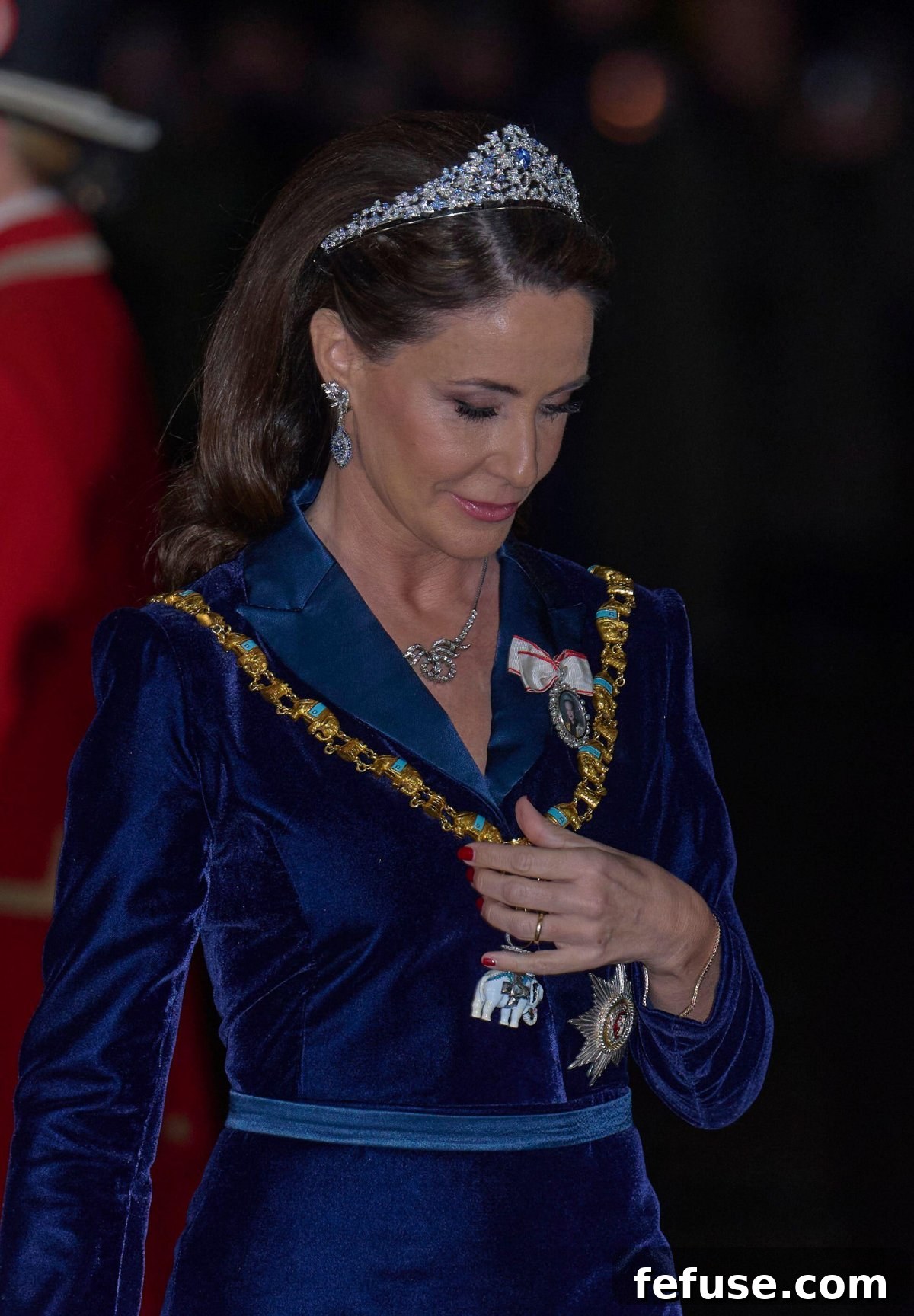
Princess Marie’s jewels for the evening were a stunning complement to her blue gown, featuring a captivating array of diamonds and sapphires. Her tiara, the remarkable Nuits Claires Tiara, is a testament to an innovative collaboration between Princess Marie and the renowned French jewelry firm, Maison Mauboussin. This exquisite white gold tiara is a dazzling creation, boasting an impressive 13 carats of brilliant diamonds and an equal measure of 13 carats of deep blue sapphires. The centerpiece is particularly arresting: a vivid, pear-shaped Ceylon sapphire, weighing in at a substantial 6.82 carats, commands attention with its intense color and sparkle. Uniquely, Maison Mauboussin retains ownership of this magnificent jewel, granting Princess Marie the exclusive right to wear it, an arrangement that highlights her close ties with the esteemed jeweler. Further enhancing her regal ensemble, she added a diamond necklace with an intricate ribbon design and a pair of coordinating diamond and sapphire earrings, completing a truly cohesive and spectacular look.
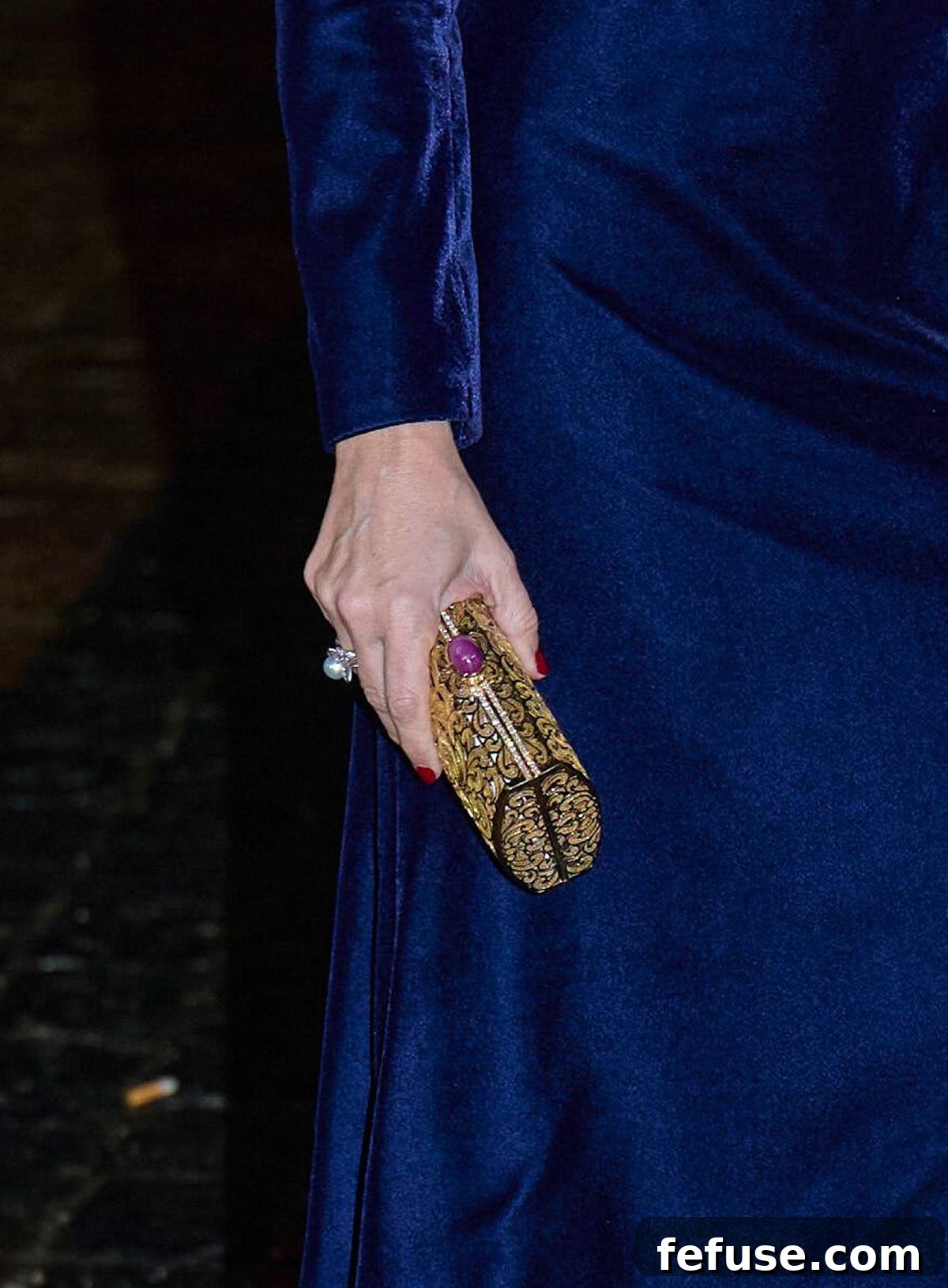
Princess Marie thoughtfully completed her exquisite look with additional, carefully chosen accessories. A dazzling diamond tennis bracelet encircled her left wrist, catching the light with every movement. On her left hand, she wore her classic gold wedding band, a symbol of her enduring union with Prince Joachim. Her right hand was adorned with an elegant pearl and diamond ring, providing a soft, luminous contrast to the brilliant sparkle of her other jewels. Each piece contributed to a harmonious and sophisticated presentation, perfectly befitting the grandeur of the royal New Year’s Levee.
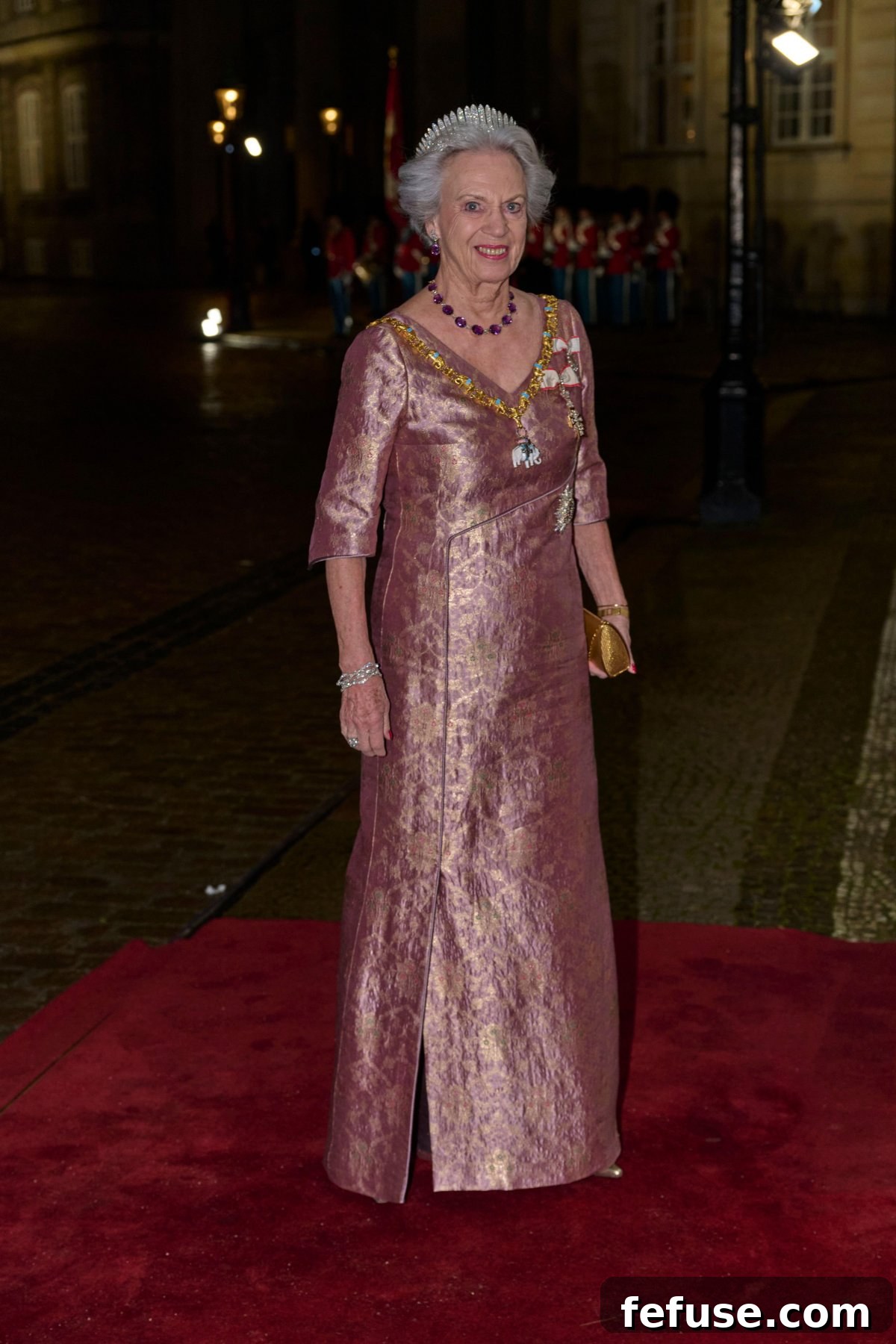
A constant and cherished presence at royal events, the King’s aunt, Princess Benedikte, also graced the New Year’s reception with her stately attendance. She exuded timeless elegance in a beautiful pink and gold evening gown, perfectly suited for the festive occasion. Her attire was distinguished by the insignia of the Order of the Elephant, her father’s Royal Portrait Order, and the badge of the Order of the Dannebrog, all signifying her long-standing dedication to the Crown and her esteemed position within the Danish Royal House. Princess Benedikte’s presence serves as a vital link to the monarchy’s past while supporting its future.

Princess Benedikte’s choice of jewelry for the evening was equally distinguished, featuring the magnificent Sayn-Wittgenstein-Berleburg Diamond Fringe Tiara. This splendid Koch-made tiara is a treasured legacy from the family of her late husband, Prince Richard, showcasing a beautiful connection to her marital heritage. Alongside the tiara, she wore a matching necklace and earrings from her stunning suite of amethyst jewels. These vibrant amethysts, renowned for their deep purple hue and elegant design, are believed to have been inherited from her mother, the beloved Queen Ingrid. The pairing of the diamond fringe tiara with the rich amethysts created a striking contrast, highlighting both her personal history and the enduring beauty of her royal collection.
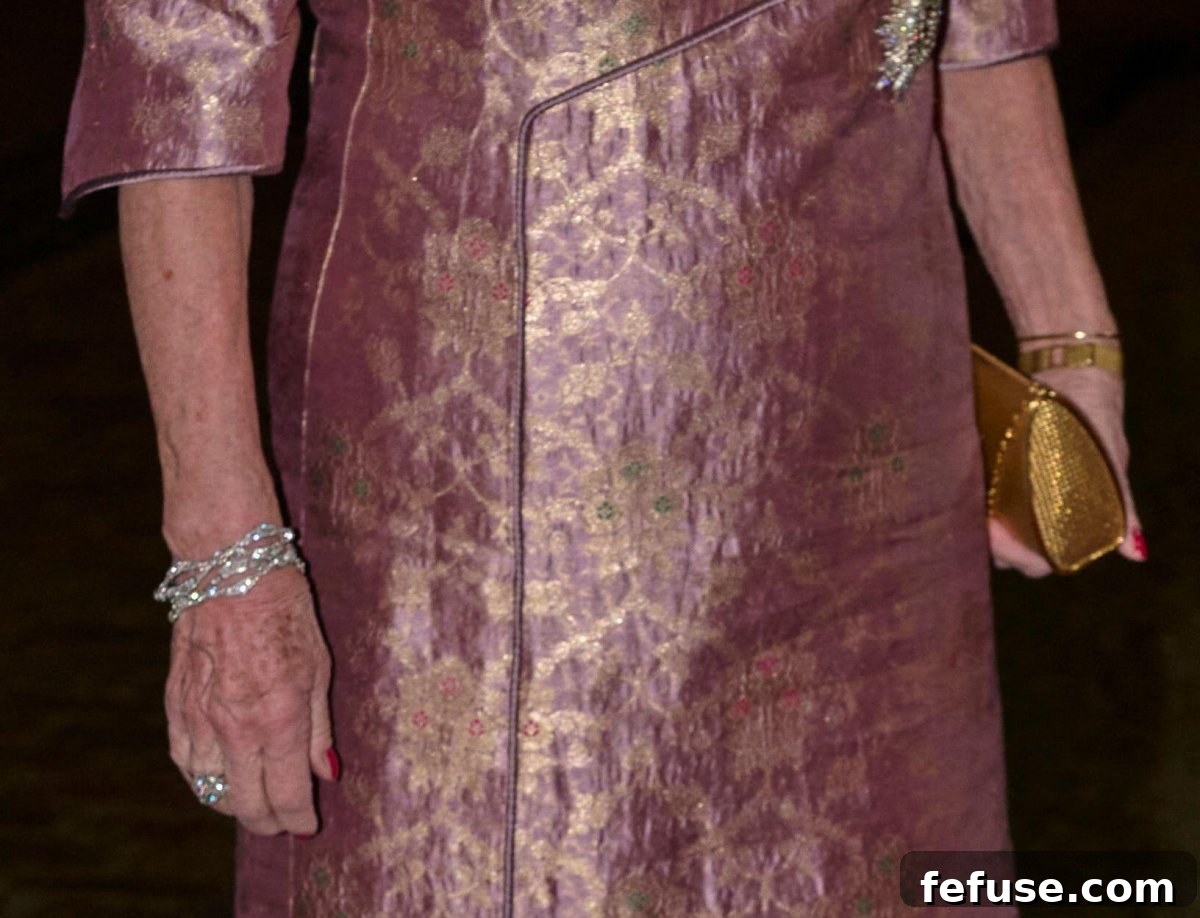
Her ensemble was further enriched by a dazzling diamond ring adorning her right hand, while both wrists bore sentimental bracelets, each with a profound story. On her right wrist, a stack of diamond bracelets, exquisite in their brilliance, originated from a grand sautoir that once belonged to her grandmother, Queen Alexandrine of Denmark. This piece represents a direct link to a former Queen, embodying generations of royal elegance. On her left wrist, the elegant gold bangle is famously known as the bracelet worn by all female descendants of her great-grandmother, Princess Margaret of Connaught. This cherished tradition, passed down through the royal lineage, makes this gold bangle not merely an ornament, but a powerful symbol of familial connection and enduring royal heritage, underscoring the deep personal and historical layers within Princess Benedikte’s chosen jewels for this grand occasion.
The 2026 New Year’s Levee at Amalienborg Palace proved to be a magnificent celebration, embodying the rich traditions and dazzling splendor of the Danish Royal Family. From the innovative reimagining of Queen Mary’s rose-cut diamond tiara to Queen Margrethe’s culturally significant Naasut Tiara from Greenland, and the distinctive beauty of Princess Marie’s Nuits Claires Tiara and Princess Benedikte’s ancestral diamond fringe, the evening was a masterclass in royal fashion and historical jewels. It showcased not only the enduring elegance of the monarchy but also its dynamic ability to blend heritage with modern sensibilities, ensuring that the Danish Crown continues to shine brightly into the future. The event was a powerful reaffirmation of the Danish monarchy’s role in national life, captivating all with its timeless grandeur and ceremonial brilliance.