
Resilience Amidst Volatility: Why Polished Diamond Prices in China Remain Stable Despite a Collapsing Rough Market
In a fascinating display of market resilience, the retail prices of polished diamonds in China have held remarkably steady over the past six months. This steadfastness stands in stark contrast to the dramatic downturn observed in the global rough diamond market, presenting a compelling paradox for industry observers and consumers alike. While the rough diamond sector has grappled with significant challenges, including inventory gluts, reduced demand, and geopolitical uncertainties, the sophisticated Chinese consumer market appears largely insulated from these immediate upstream fluctuations, at least for now.
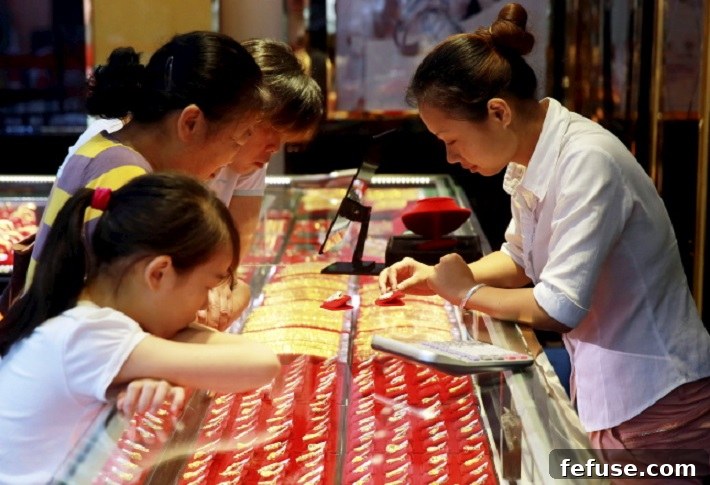
This intriguing market phenomenon was recently highlighted by an informal yet insightful survey conducted by Yicai Global, an English-language state-owned news service. Their investigative team reached out to sales professionals at prominent jewelry establishments across Shanghai, China’s bustling economic hub. Engaging with staff from renowned brands such as Chow Tai Fook Jewellery, Leysen Jewellery, and Kimberlite Diamond, among others, the survey aimed to gauge the real-time impact of the rough market’s woes on consumer-facing prices. The consistent feedback across these luxury retailers was clear: the substantial depreciation in rough diamond values has, to date, exerted minimal discernible influence on the retail pricing of exquisitely cut and polished diamonds.
One salesperson from Chow Tai Seng succinctly captured the prevailing sentiment, stating, “Diamond prices in our store have not fallen; in fact, they have shown a tendency to increase steadily over the past two years.” This testimony underscores a broader trend where luxury diamond jewelry, particularly from established brands, continues to command strong prices, often driven by factors beyond the mere commodity cost of the raw material itself. The Chinese market, known for its discerning luxury consumers, demonstrates a unique resilience that merits closer examination.
Unpacking the Price Discrepancy: More Than Just the Stone
The apparent disconnect between the rough diamond market’s struggles and the stable pricing of polished diamonds at retail isn’t as perplexing as it might first appear to the uninitiated. Experts and industry insiders consistently point to a multi-faceted pricing structure for finished jewelry items, where the cost of the raw diamond is merely one component, albeit a significant one. Several other critical elements contribute substantially to the final retail price, collectively insulating it from immediate and direct shifts in the rough market:
- The Value of Precious Metals: The primary setting for the vast majority of diamond jewelry is crafted from gold, platinum, or other precious metals. The market price of these metals operates independently of diamond prices and can experience its own significant fluctuations. For instance, a notable increase in global gold prices can easily offset any marginal savings derived from lower rough diamond costs, effectively maintaining or even pushing the overall retail price upwards.
- Artistry and Design Innovation: A finished piece of jewelry transcends mere material; it is a meticulously crafted work of art. The intricate design, the unique aesthetic appeal, and the specialized craftsmanship involved in setting the diamond all add considerable intrinsic and perceived value. Jewelers invest heavily in talented design teams and highly skilled artisans, and these substantial costs are meticulously factored into the final price. A truly unique, iconic, or proprietary design can command a significant premium, often irrespective of the initial cost of the rough diamond.
- Labor and Manufacturing Expertise: From the rigorous process of cutting and polishing a rough diamond into a brilliant gem to the subsequent stages of designing, fabricating the metal setting, and precisely mounting the stone, a significant amount of highly skilled labor is involved. These operational costs, encompassing wages, overheads, quality control, and investments in cutting-edge technology, contribute substantially to the final product’s price. These labor and manufacturing costs are generally stable or, in many economies, steadily increasing, rather than decreasing in parallel with rough diamond prices.
- Brand Premium and Marketing Investment: Perhaps one of the most powerful determinants in the luxury market is brand equity. Established brands like Chow Tai Fook, Leysen Jewellery, and Kimberlite Diamond have painstakingly cultivated reputations for impeccable quality, unquestionable authenticity, unwavering trust, and an unparalleled luxury experience over decades. Consumers are often willing to pay a significant premium for the assurance, prestige, legacy, and superior service associated with these venerable brands. Extensive marketing campaigns, consistent brand building, and maintaining a network of high-end, strategically located retail presences are also considerable financial investments that are amortized into the retail price. This brand premium acts as a robust buffer, enabling retailers to maintain price stability even if raw material costs experience downward shifts.
- Inventory Costs and the Supply Chain Lag Effect: The diamond supply chain is notoriously long, complex, and capital-intensive. Rough diamonds are extracted from mines, then sold to sightholders or traders, subsequently cut and polished by skilled manufacturers, traded again, mounted into jewelry settings, and finally reach the retail store shelves. Each stage of this process involves significant inventory holding costs, insurance, financing, and considerable time. The polished diamonds currently on display in Shanghai’s luxury stores were likely acquired as rough stones many months, if not over a year, ago at prices that were notably higher than today’s rough market rates. It takes a considerable amount of time for changes in rough diamond prices to fully filter through this extensive and multi-layered supply chain and ultimately impact retail prices at the consumer level.
- Perceived Value and Consumer Psychology: In the luxury segment, perceived value frequently surpasses intrinsic material cost. Diamonds are universally recognized symbols of love, commitment, celebration, and status. Consumers purchasing luxury diamond jewelry are not merely acquiring a commodity; they are investing in an experience, a cherished memory, and an enduring symbol of affection or achievement. Price stability, particularly in the luxury sector, can paradoxically reinforce a sense of enduring value and exclusivity, making affluent consumers more confident and secure in their high-value purchases.
Global Rough Diamond Market: A Period of Significant Adjustment
To fully appreciate the remarkable resilience of China’s polished diamond market, it is essential to contextualize it within the recent turbulence experienced by the global rough diamond sector. Over the past year, the rough market has contended with a challenging confluence of factors. Elevated inventory levels, particularly among midstream diamantaires (the cutters and polishers who form the crucial link between miners and retailers), coupled with a broader slowdown in consumer demand in several key international markets (though China’s retail pricing stability suggests a different dynamic), have collectively exerted significant downward pressure on rough diamond prices.
Major diamond mining companies, including industry giants, have consequently had to implement measures such as reducing sales, offering more flexible purchasing terms, or even cutting production, all signaling a substantial period of adjustment and recalibration for the industry’s upstream segment. Furthermore, evolving global consumer preferences, the increasing prominence and market share of lab-grown diamonds (though their impact on natural diamond pricing is complex and often segmented), and persistent global economic uncertainties have contributed to a generally cautious and restrained outlook among rough diamond buyers. This has led to a situation where the raw material, in its unprocessed state, has seen its value decline, creating a bottleneck and financial strain within the initial stages of the supply chain.
China’s Luxury Market: A Beacon of Stability and Growth
China’s luxury market, and specifically its diamond jewelry segment, exhibits several unique characteristics that contribute significantly to this remarkable pricing stability. Chinese consumers, particularly the rapidly expanding middle and affluent classes, possess a deep and abiding appreciation for high-quality, branded luxury goods. Diamonds, in particular, hold profound cultural significance, symbolizing prosperity, success, and everlasting love, making them highly coveted for engagements, weddings, and various celebratory gifts.
Major jewelry retailers in China, such as the ubiquitous Chow Tai Fook, have meticulously built extensive retail networks and fostered strong, decades-long brand loyalty. They have perfected the art of luxury retail, offering not just exquisite products but also an elevated and personalized shopping experience, impeccable service, and an unwavering guarantee of authenticity. This robust brand-consumer relationship cultivates profound trust and continually reinforces the perceived value and prestige of their offerings, enabling them to largely dictate pricing based on their comprehensive cost structure, brand equity, and strategic market positioning, rather than being immediately reactive to fluctuations in raw material inputs.
Moreover, the sheer scale and immense purchasing power of the Chinese market mean that even modest incremental growth in demand can effectively absorb available supply, contributing significantly to price firmness. While other international markets might be more acutely sensitive to price shifts driven by raw material costs, the sophisticated Chinese luxury consumer often prioritizes established brand reputation, distinctive design, and verifiable quality, consistently demonstrating a willingness to pay a premium for these highly valued attributes and the assurance they provide.
What Lies Ahead? The Future of Diamond Prices in China
The current stability in China’s polished diamond prices, juxtaposed against the backdrop of a struggling rough market, inevitably raises important questions about the future trajectory of this segment. Will this unique insulation and resilience last indefinitely? Industry analysts suggest that while the immediate impact is muted, a sustained and prolonged period of significantly low rough diamond prices could, over time, begin to exert some downward pressure on retail prices, particularly for less branded or more commoditized polished diamond offerings.
- Inventory Cycles and Refreshment: As older, higher-priced rough diamond inventories held by the midstream are eventually depleted, and new rough, acquired at lower prices, makes its way through the intricate cutting, polishing, and manufacturing stages, retailers might eventually gain the margin or face the incentive to adjust their prices downwards. However, this is typically a slow, gradual process, often managed strategically to safeguard brand value and market positioning.
- Competitive Market Pressures: Should the gap between rough and polished prices become excessively wide, or if new market entrants or smaller, more agile retailers begin to offer significantly more competitive pricing based on current, lower rough costs, larger established brands might face increased pressure to strategically adjust their pricing models to maintain market share.
- Broader Economic Climate: Overarching economic trends in China, including shifts in consumer confidence, disposable income levels, and overall luxury spending habits, will remain absolutely critical factors. A significant or prolonged economic slowdown in China could potentially impact consumer demand for luxury items, which might eventually lead to price adjustments across the board.
- Lab-Grown Diamond Influence: While currently positioned as a largely separate market segment, the increasing availability, improved quality, and growing consumer acceptance of lab-grown diamonds at significantly lower price points could, over an extended period, subtly influence the perceived value and pricing strategy for natural diamonds, particularly within entry-level and mainstream segments.
For now, however, the Chinese market for polished natural diamonds continues to demonstrate remarkable and sustained resilience. The powerful combination of strong brand loyalty, significant value-add through intricate design and masterful craftsmanship, and the inherent lag in the extensive supply chain creates a formidable buffer that allows major retailers to maintain stable pricing, thereby offering a consistent sense of enduring value and prestige to their discerning clientele.
Conclusion: A Unique Equilibrium in the Global Diamond Market
The compelling divergence between a struggling global rough diamond market and the steadfast retail prices of polished diamonds in China offers a fascinating and instructive case study in complex market dynamics and the profound power of brand equity. It unequivocally underscores that for luxury goods like diamond jewelry, the final price consumers ultimately pay is a complex and nuanced amalgamation of raw material costs, innovative design, skilled labor, extensive marketing efforts, and the invaluable, intangible worth of a trusted and respected brand.
While the global rough diamond market navigates its challenging period of adjustment and re-calibration, China’s luxury diamond retailers continue to not only maintain stability but, in some cases, even thrive. This resilience is a testament to a robust and sophisticated consumer base that profoundly values quality, brand prestige, and the enduring allure of finely crafted diamond pieces. This unique equilibrium observed within China highlights its pivotal and increasingly influential role as a sophisticated and robust market within the global diamond industry, demonstrating a capacity to chart its own course amidst global market fluctuations.