

The Enduring Allure of Gold in China: A Legacy of Wealth and Fortune
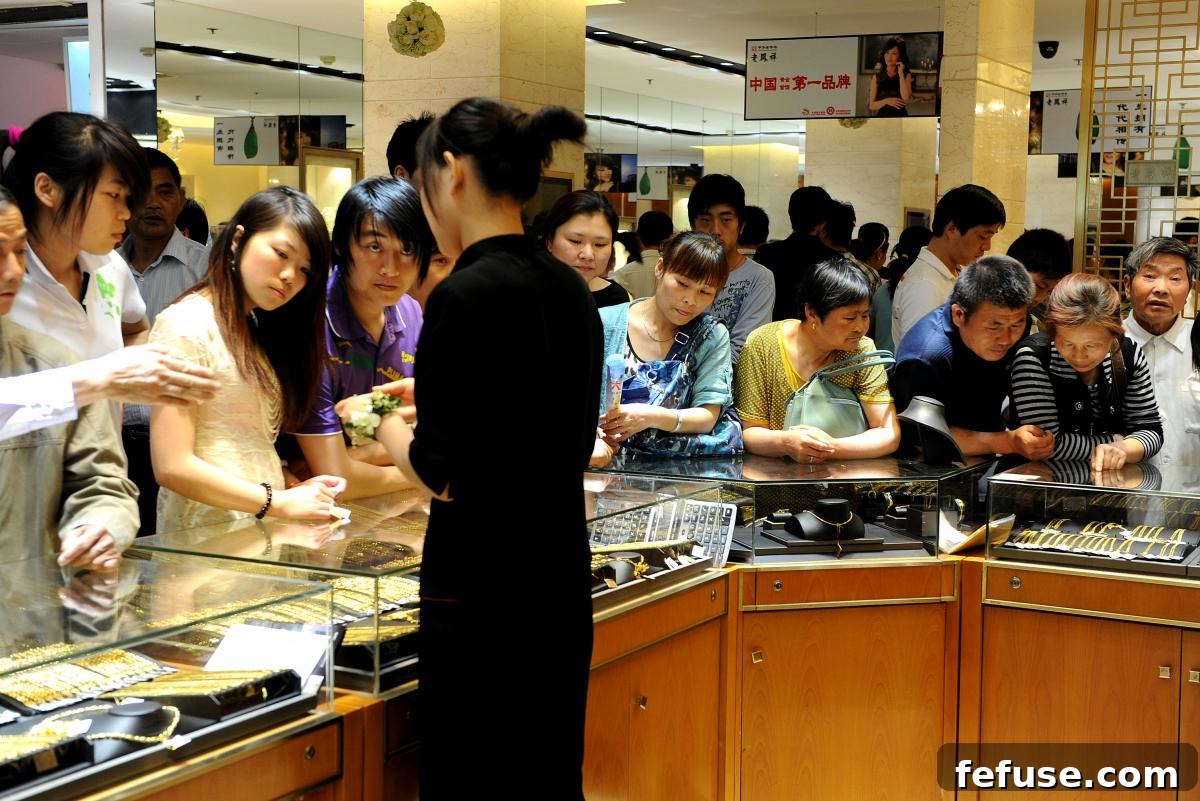
In the bustling heart of Shanghai, particularly along the iconic East Nanjing Road, the radiant gleam of gold jewelry shops captivates countless visitors and locals alike. The sales floors, often teeming with eager customers, serve as a testament to gold’s unparalleled prestige in Chinese culture. More than just a precious metal, gold in China is a profound symbol of aspiration, an auspicious gift, and a beacon believed to usher in good fortune and prosperity. Its significance transcends mere monetary value, deeply embedded in the nation’s historical narrative and contemporary societal values.
A Golden Thread Through Chinese Culture and Tradition
The tradition of gifting gold in China is a practice steeped in rich cultural meaning, extending its golden embrace to family members across generations during pivotal life moments. Unlike the Western idiom of being born with a “silver spoon,” affluent Chinese children are proverbially said to be born with “golden chopsticks” in their mouths, signifying immense wealth and good fortune from birth. This metaphor beautifully illustrates the deep-seated reverence for gold as a harbinger of a prosperous life.
For new parents, the arrival of a baby is often celebrated with gifts of tiny gold necklaces or bracelets, intended not only as tokens of affection but as powerful talismans for health, happiness, and prosperity. These exquisite pieces, often crafted from high-purity 24-carat gold, carry a weight of wishes and blessings that far exceeds their material cost. Similarly, the auspicious period of Chinese New Year sees a dramatic surge in gold purchases. Intricately designed jewelry, frequently adorned with revered zodiac symbols such as the mighty dragon, the wise snake, the courageous tiger, or the noble horse, becomes a popular choice. These aren’t merely fashionable accessories; they are carefully chosen investments, cherished for both their inherent beauty and their enduring financial value.
Gold’s role extends beyond personal adornment and celebratory gifts. It acts as a tangible expression of familial bonds, respect for elders, and hopes for the younger generation. In wedding ceremonies, elaborate gold sets are often presented to the bride, symbolizing the blessings of wealth, fertility, and a harmonious union. Each piece, from intricate phoenix-and-dragon bangles to delicate earrings, tells a story of tradition, love, and the collective desire for a bright future. The sheer purity of 24-carat gold, preferred by the vast majority of Chinese consumers, underscores its dual identity as both a significant financial asset and a profoundly meaningful cultural artifact, making the Chinese gold market truly unique.
Tracing Gold’s Ancient Footprints in China’s History
 The fascination with gold is far from a modern phenomenon in China; its presence is deeply etched into the annals of the nation’s history. Archaeological discoveries confirm gold’s use as early as the Han Dynasty (206 BC-220 AD), where it was utilized in various forms, from elaborate funerary objects to intricate decorative elements for royalty and aristocracy. However, it was during the tumultuous yet transformative period of the Six Dynasties (222-589 AD) that demand for this lustrous metal truly took firm hold and expanded beyond the elite circles.
The pivotal catalyst for this surge in demand was the widespread arrival and subsequent flourishing of Buddhism in China. As Buddhism gained traction, gold acquired a new, sacred dimension. Devout worshippers began to make generous gold offerings to temples, believing it would bring spiritual merit and good karma. Grand golden pagodas and majestic statues of the Buddha, painstakingly crafted from or adorned with gold, rose across the landscape, serving as powerful symbols of faith, devotion, and imperial patronage. This era cemented gold’s status not only as a symbol of temporal wealth but also as an embodiment of spiritual purity and divine connection, further intertwining it with the very fabric of Chinese society and belief systems.
China: The World’s Epicenter for Gold Jewelry Demand
Today, China stands undeniably as the world’s fastest-growing and most dynamic market for gold jewelry. This remarkable growth is intrinsically linked to the nation’s unprecedented economic expansion and the steady rise in disposable income among its vast population. As Chinese society becomes increasingly affluent, the purchase of gold jewelry is viewed not merely as a luxury expenditure but as a demonstration of sound financial foresight and a tangible promise of future prosperity. This perspective elevates gold from a simple commodity to a strategic asset within many households, driving significant investment gold China trends.
Research conducted by the World Gold Council1 emphatically supports this dual perception, revealing that an astounding 82 percent of Chinese consumers concur that “gold jewelry is as much an investment as a fashion statement.” This unique cultural outlook, where aesthetics and financial prudence converge, explains the unwavering preference for high-purity 24-carat gold jewelry. While global fashion trends might lean towards lower carats for greater durability or diverse designs, Chinese consumers prioritize the intrinsic value of gold, ensuring their purchases retain maximum enduring financial worth. This commitment to purity reflects a deep-seated trust in gold as a reliable store of value and a hedge against economic uncertainties, especially relevant in the robust Chinese gold market.
The long-term view of gold’s inherent ability to appreciate in value significantly shapes consumer behavior in the Chinese market. Rather than being deterred by price fluctuations, many Chinese consumers perceive price drops as opportune “buying opportunities.” This collective mindset was dramatically showcased in the spring of 2013, when a substantial dip in global gold prices triggered an extraordinary flurry of purchasing activity across the nation. Department store jewelry counters witnessed unprecedentedly long queues, with eager shoppers lining up for hours. In major cities like Hong Kong, demand was so overwhelming that some stores had to implement advanced order systems for waiting customers, many of whom couldn’t even enter the packed premises before the entire stock of gold jewelry was completely sold out. This phenomenon, often dubbed “China’s Gold Rush,” vividly illustrates the profound cultural belief in gold as a safe haven and a wise investment, regardless of short-term market volatility.
The Millennial Midas Touch: Reshaping China’s Gold Landscape
The expanding affluence within China has not only empowered traditional gold buyers but has also opened up exciting new avenues for acquiring exquisite gold jewelry, especially among the rising generation. Chinese millennials, a powerful demographic force, are increasingly turning to gold as a means to express their aspirations, assert their individual identity, and showcase their evolving taste. Far from being bound solely by traditional designs, these young consumers actively seek out fresh, modern interpretations of distinctively Chinese aesthetics, blending heritage with contemporary style in the luxury gold market China.
This shift is evident in the noticeable trend of a younger age of first gold acquisition in China. Millennials, often digitally savvy and globally aware, are not just inheriting gold; they are actively purchasing it, driving innovation in design and marketing. They appreciate the cultural significance of gold but desire pieces that resonate with their modern lifestyles and personal narratives. This generation’s influence is pushing designers to create sleek, minimalist pieces, or items that cleverly integrate traditional motifs into contemporary forms, making gold jewelry relevant and desirable for a younger demographic, thereby fueling Chinese millennials gold demand.
Indeed, the young Chinese demographic has rapidly become a dominant force within the broader gold and luxury goods market. Their purchasing power, coupled with their unique consumer preferences, positions them as the primary drivers of gold jewelry demand in the coming years. Their demand for authentic, high-purity gold combined with innovative design ensures that the Chinese gold market will continue to evolve, balancing its revered traditions with the dynamic demands of a new era. This generation embodies the future of gold in China, promising continued growth and a vibrant interplay between heritage and modernity.
Conclusion: Gold’s Unwavering Radiance in the Heart of China
From ancient dynasties to the bustling metropolitan centers of today, gold has consistently held a singular and revered position in China. It weaves through the fabric of cultural identity, serving as a powerful emblem of prosperity, good fortune, and enduring value. Whether passed down through generations as a cherished family heirloom, gifted during momentous celebrations, or acquired as a strategic investment, gold embodies a profound connection to both tradition and financial prudence.
The Chinese gold market, fueled by increasing affluence and a deeply ingrained cultural appreciation, continues to set global trends. With millennials now at the forefront, actively shaping demand with their preferences for modern yet culturally resonant designs, the future of gold in China shines brighter than ever. Its multifaceted appeal – as a spiritual offering, a symbol of status, a secure investment, and a beautiful adornment – ensures that gold will remain an indispensable and radiant treasure at the very heart of Chinese society for generations to come, embodying prosperity gold China.
1 World Gold Council (2012), Gold Jewellery, Usage and Attitudes Survey
– News Source: gold.org