
A Royal Diamond Diplomacy: Spotlight on Canada’s Northwest Territories and Belgian Trade Ties
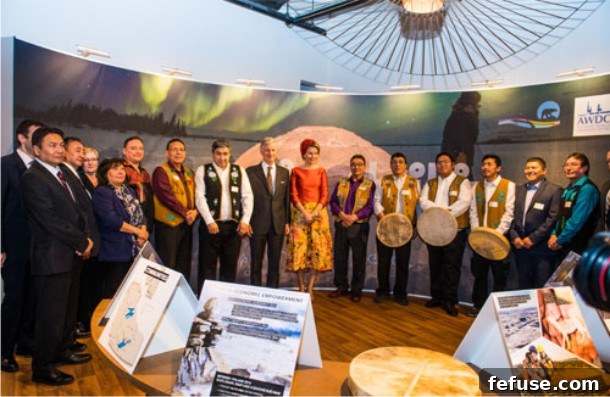
In a significant diplomatic and economic gesture, the government of Canada’s Northwest Territories (NWT) and the esteemed Antwerp World Diamond Centre (AWDC) collaboratively orchestrated a unique ‘diamond experience’ event. This high-profile occasion, held at the Canadian Museum of Nature, marked a historic moment: the first visit by a Belgian Head of State to Canada in over four decades. The event served as a potent symbol of enduring bilateral relations and the crucial role diamonds play in forging economic connections between these two nations.
The distinguished guests, King Filip and Queen Mathilde of Belgium, were immersed in an unparalleled, first-hand 360-degree mine experience. This innovative presentation transported the royal couple deep into the heart of diamond country, offering them an extraordinary virtual journey through the various stages of diamond extraction and processing. Facilitated by a meticulously curated interactive exhibition, the experience provided the monarchs with an in-depth understanding of the complex world of diamond exploration, the intricate mining processes involved, and the meticulous sorting of rough diamonds based on size, shape, and quality. Crucially, the exhibition also shed light on a vital aspect often overlooked: the profound environmental and socio-economic impact of diamond mining on the rugged landscape and the vibrant local communities of the Northwest Territories.
Showcasing the Northwest Territories: A Global Diamond Powerhouse
The primary objective of this meticulously planned event, as articulated by a spokesperson for the NWT government to local media, was to powerfully promote and profile the Northwest Territories as a preeminent global leader in diamond production. With the Belgian royals as the distinguished primary audience, the event aimed to underscore the region’s immense contribution to the world’s diamond supply chain and its commitment to responsible resource development. The NWT boasts some of the most prolific diamond mines globally, establishing itself as a cornerstone of Canada’s mining industry and a significant player on the international stage.
The Northwest Territories’ diamond sector is a testament to Canada’s rich geological endowment and its capacity for large-scale, technologically advanced mining operations. The region is home to three major diamond mines: Ekati, Diavik, and Gahcho Kué. These mines are not merely sites of resource extraction; they represent colossal engineering feats, employing thousands and contributing significantly to the regional and national economies. Ekati, Canada’s first-ever diamond mine, commenced production in 1998 and set the precedent for large-scale diamond operations in the North. Diavik, renowned for its innovative engineering, particularly its dykes that allow for mining under a lake, followed shortly after. Gahcho Kué, the newest of the three, further solidified the NWT’s position as a leading producer. These operations are characterized by their commitment to safety, technological innovation, and increasingly, environmental stewardship.
In 2017, the NWT region alone accounted for an impressive 10% of the world’s total diamond output, a remarkable feat for a relatively remote and sparsely populated territory. This substantial production volume translates into significant economic value, with the AWDC estimating that approximately 60% of the total production from Canadian mines—valued at roughly 860 million dollars—is directly traded on the bustling Antwerp diamond market. This flow of precious stones highlights the deep economic interdependence between the NWT’s raw material wealth and Antwerp’s sophisticated trading infrastructure.
Antwerp’s Pivotal Role in the Diamond Trade: A Century-Old Connection
An official statement released by the Antwerp World Diamond Centre on the occasion of the royal visit underscored the critical importance of diamonds in the trade relations between Belgium and Canada. The statement revealed that diamonds constitute the single most important product in this bilateral trade, representing a staggering 21% of all Canadian imports to Belgium. This statistic vividly illustrates the disproportionate yet profound impact that the diamond industry has on the economic ties between the two nations, far outweighing many other sectors.
Antwerp, Belgium, has for centuries been synonymous with the global diamond trade. Its history as a diamond hub dates back to the 15th century, and today it remains the undisputed world capital for rough diamond trading. The city’s reputation is built upon its unparalleled expertise in cutting, polishing, and trading, supported by a robust ecosystem of skilled artisans, advanced technology, financial institutions, and a secure trading environment. The AWDC plays a crucial role in maintaining Antwerp’s leadership, promoting ethical business practices, and fostering innovation within the industry. The direct trade of Canadian diamonds through Antwerp reinforces the city’s status and ensures that NWT diamonds reach a global market with efficiency and transparency, benefiting from Antwerp’s established infrastructure and extensive network of buyers and sellers.
Sustainability and Indigenous Partnership: A Model for Responsible Mining
Beyond the glittering allure of diamonds and the robust economic figures, the event provided a crucial platform for discussing the broader implications of resource development. Media reports highlighted that King Filip and Queen Mathilde also engaged with representatives of the Indigenous peoples of the Northwest Territories. These meetings were not merely ceremonial; they involved meaningful dialogues centered on the principles of sustainable use of natural resources and the imperative of responsible land stewardship. The Indigenous leaders shared their perspectives on balancing economic development with cultural preservation and environmental protection, a topic of increasing global significance.
The relationship between diamond mining operations and Indigenous communities in the NWT is complex and multifaceted. These communities are often directly impacted by mining activities, both environmentally and socio-economically. However, they are also integral partners in the development and operation of the mines. Many Indigenous people are employed in the diamond industry, from skilled labor to management positions, providing essential economic opportunities in remote regions. Furthermore, Impact and Benefit Agreements (IBAs) are often negotiated between mining companies and Indigenous groups, ensuring that a portion of the wealth generated from resource extraction directly benefits the local communities through employment, training, business opportunities, and revenue sharing. These agreements are vital tools for fostering mutual respect, achieving social license to operate, and promoting long-term sustainable development that respects Indigenous rights and traditional land use.
During the event, the Indigenous representatives also made a special cultural presentation, offering the Belgian royals and other attendees a glimpse into the rich heritage and traditions of the First Nations, Métis, and Inuit peoples of the NWT. This cultural exchange underscored the importance of recognizing and celebrating Indigenous cultures in the context of modern industry and international relations. It served as a powerful reminder that sustainable development is not just about environmental protection; it is also about social equity, cultural preservation, and respecting the inherent rights and wisdom of Indigenous communities who have been stewards of the land for millennia.
Deepening Diplomatic Ties and Future Prospects
The visit by King Filip and Queen Mathilde, the first by a Belgian Head of State in over 40 years, was a significant diplomatic milestone for both Canada and Belgium. While the diamond event was a central feature, the broader visit aimed to strengthen bilateral relations across various sectors, including trade, culture, and scientific cooperation. The focus on diamonds, however, specifically highlighted a key area of mutual economic interest and demonstrated a shared commitment to ethical sourcing and responsible supply chains within the luxury goods sector. Such high-level engagements help to reinforce existing partnerships and explore new avenues for collaboration, fostering greater understanding and economic prosperity.
The ‘diamond experience’ event effectively achieved its aim of promoting the Northwest Territories as a world-class diamond producer, drawing international attention to its ethical practices and sustainable development efforts. By engaging directly with royal figures and emphasizing the region’s commitment to Indigenous partnerships and environmental responsibility, the NWT government and the AWDC successfully conveyed a message of progress and integrity within the global diamond industry. This initiative not only celebrates the beauty and value of diamonds but also the human ingenuity, diplomatic efforts, and shared values that connect distant lands through a shimmering thread of economic and cultural exchange. The future of the NWT diamond industry, bolstered by such international recognition and strong trade partnerships, appears poised for continued growth and innovation, further cementing its legacy as a source of responsibly mined treasures.