
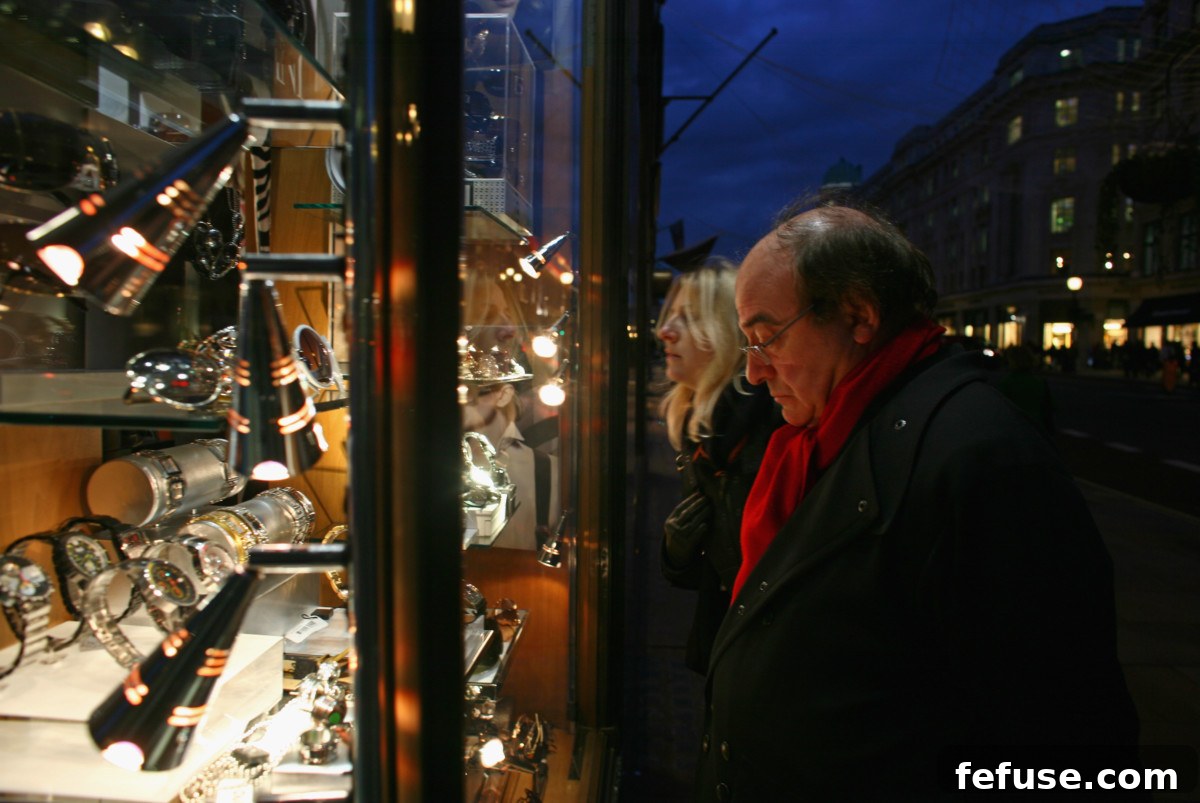
As the festive season approaches, a growing sentiment among British consumers reveals a significant concern: the potential disappearance of Christmas from the familiar high street landscape. With the relentless surge of e-commerce, the cherished traditions associated with physical festive shopping are perceived by many as being under threat. This apprehension underscores a deeper connection consumers have with the tangible experience of Christmas retail, far beyond mere transactions.
Recent comprehensive research into consumer attitudes has brought this concern into sharp focus. A striking 30% of British consumers openly express worry that the magic of Christmas might indeed vanish from their local high streets. This sentiment is particularly poignant given the cultural significance of the festive period in the UK, where high streets traditionally transform into bustling hubs of seasonal cheer. This apprehension isn’t just about shopping; it’s about the erosion of a beloved cultural institution.
Despite the omnipresence and convenience of online shopping platforms, this research, spearheaded by e-tailer Christmas Tree World, uncovers a strong resistance to a fully digital Christmas experience. A mere 7% of British consumers intend to conduct all of their Christmas shopping exclusively online this year. This statistic is a powerful indicator that, for the vast majority, the online realm, while useful, cannot entirely replace the unique appeal and multifaceted benefits of in-person retail during the holidays.
The study clearly demonstrates that Christmas plays a pivotal role in driving footfall back to physical stores. A substantial 39% of Britons explicitly state that shopping on the high street at Christmas is an integral and cherished part of their overall festive experience. This goes beyond the act of buying; it encompasses the atmosphere, the community spirit, and the sensory richness that online shopping inherently lacks. It’s about the ritual, the anticipation, and the shared joy that unfolds on a bustling high street.
One of the most powerful draws of the traditional high street during Christmas is its visual spectacle. The research highlights that 36% of consumers actively enjoy seeing Christmas decorations and festive displays adorning shops and streets. These visual elements are not just aesthetic enhancements; they are crucial components of the immersive festive environment that encourages people to step out, browse, and linger. From twinkling lights to elaborate window dressings, these displays create a sense of wonder and excitement that is difficult to replicate digitally.
Beyond the ambiance, economic incentives also play a significant role in attracting shoppers to physical locations. A notable 40% of consumers indicated that they are specifically drawn in by discounts and sales offered by high street retailers during the Christmas period. This highlights the enduring power of a good deal, especially when combined with the immediate gratification of taking an item home and the opportunity to physically inspect purchases.
Furthermore, the allure of advantageous pricing extends to early bird promotions. While 40% confirmed that general deals were likely to sway their shopping decisions towards the high street, an additional 35% explicitly stated that they would be inclined to spend more if early Christmas discounts and offers were made available. This suggests a strategic window for retailers to capitalize on proactive shoppers eager to get a head start on their festive purchases, rewarding their foresight with enhanced value and encouraging higher spending.
The accessibility of the shopping experience is another critical factor in boosting high street footfall. The study revealed that practical considerations significantly influence consumer choice. An impressive 42% of respondents said that the availability of free parking would strongly entice them to shop on the high street. In an age where convenience is paramount, removing the barrier of parking costs can be a powerful motivator, easing the overall stress and expense of a shopping trip.
Variety in retail offerings is equally important, with a further 40% of consumers stating they would be encouraged by a diverse range of shops. A vibrant high street is not just about individual stores; it’s about the collective ecosystem of different retailers, from independent boutiques to well-known brands, providing a comprehensive and engaging shopping destination. This variety allows shoppers to fulfill multiple needs in one trip, enhancing the efficiency and enjoyment of their visit.
Stephen Evans, the managing director of Christmas Tree World, offered insightful commentary on these findings, underscoring the profound connection consumers have with the traditional Christmas shopping experience. He remarked, “This is good news for retailers, shopping centres, and even councils to see how strongly consumers feel about the Christmas shopping experience and want to see visible signs of Christmas on the high street.” His statement emphasizes the collective responsibility to nurture and support these cherished traditions.
Evans further elaborated on the unequivocal message from the research: “Whether you enjoy Christmas shopping or not, it’s clear to see from the research that the majority of UK adults feel retailers should be embracing the festive season, and that Christmas should be visible wherever possible.” This call to action highlights the expectation that businesses and local authorities should actively participate in creating a festive environment, recognizing its significant role in attracting customers and enhancing community spirit.
The managing director’s recommendations for retailers extend beyond mere decoration. He suggested that visibility could manifest “whether that be through decorations, exclusive sales and offers, or small festive touches such as mince pies for shoppers.” This comprehensive approach suggests that a truly effective high street Christmas strategy involves a blend of visual appeal, tangible value through promotions, and thoughtful, personalized gestures that create a welcoming and memorable experience for every visitor.
In essence, the research paints a clear picture: British consumers hold a deep-seated affection for the high street Christmas. They are not simply looking for products; they are seeking an experience, an atmosphere, and a tradition that enriches their festive season. While e-commerce undoubtedly offers convenience, it struggles to replicate the multisensory engagement, communal spirit, and immediate gratification that physical retail provides during this special time of year. This robust preference offers a compelling opportunity for retailers to innovate and invest in the unique attributes of their brick-and-mortar presence.
The findings serve as a vital reminder to high street businesses and urban planners alike: fostering a strong Christmas presence is not merely a nicety but a strategic imperative. By prioritizing accessible shopping, curating attractive displays, offering compelling deals, and infusing genuine festive cheer, traditional retailers can not only safeguard their share of the holiday market but also reinforce their invaluable role as community anchors during one of the most significant periods of the year. This collective effort ensures that the beloved magic of a high street Christmas continues to shine brightly for generations to come, proving resilient against the tides of digital transformation.