
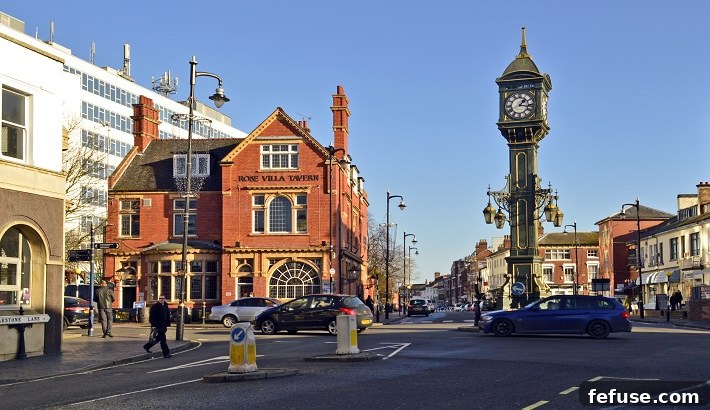
The Enduring Brilliance: Birmingham’s Jewellery Quarter Thrives on Heritage and Innovation
Nestled in the heart of England’s second city, Birmingham, lies a district of unparalleled charm and industrial prowess: the historic Jewellery Quarter. Far more than just a collection of workshops, this vibrant area stands as a testament to centuries of exquisite craftsmanship, entrepreneurial spirit, and enduring resilience. With its unique blend of traditional artistry and modern manufacturing capabilities, bolstered by an exceptionally skilled workforce and strategic economic advantages, the Jewellery Quarter is confidently forging a bright future. Despite the broader economic uncertainties posed by global events like Brexit and the introduction of local environmental policies such as pollution charges, this dynamic hub continues to attract investment, talent, and visitors, affirming its critical role in the UK’s luxury goods sector and its position as a distinctive cultural destination.
A Legacy of Manufacturing Excellence: The Heartbeat of British Jewellery Production
The Birmingham Jewellery Quarter has long been the epicentre of British jewellery manufacturing, a legacy that continues to define its character and success today. This historical district proudly hosts a diverse array of manufacturers, ranging from venerable, large-scale enterprises with international renown to intricate small-scale artisans whose dedication to detail is second to none. Companies such as Weston Beamor, Hockley Mint, and Charles Green represent the pinnacle of large-scale production, combining cutting-edge technology with time-honoured techniques to create pieces of exceptional quality and complexity. These firms are not merely businesses; they are custodians of a rich industrial heritage, constantly innovating while upholding the meticulous standards that have become synonymous with Birmingham-made jewellery. Around the labyrinthine streets, particularly around Vyse Street, countless independent artisans ply their trade, contributing a vast spectrum of specialised skills – from engraving and stone setting to bespoke design and intricate repairs. This unique ecosystem, where large and small operations coexist and often collaborate, fosters a vibrant community of shared knowledge and mutual support, ensuring that the Quarter remains a dynamic centre for all facets of jewellery creation.
Skilled Workforce and Educational Foundations: Nurturing Future Generations of Artisans
One of the most significant pillars supporting the Jewellery Quarter’s manufacturing strength is its unparalleled access to a highly skilled and continuously evolving workforce. Manufacturers within the district benefit immensely from a deep pool of talent, cultivated through generations of expertise passed down within families and through robust local educational institutions. The Birmingham City University’s School of Jewellery, strategically located on Vittoria Street within the Quarter itself, serves as a crucial incubator for future talent. This esteemed institution offers world-class training in jewellery design, silversmithing, horology, and gemmology, ensuring a steady stream of graduates equipped with both traditional craft skills and contemporary design sensibilities. This symbiotic relationship between industry and academia creates an environment where practical experience meets theoretical knowledge, fostering innovation and maintaining the high standards expected from Birmingham’s master jewellers. The presence of such a dedicated educational establishment not only ensures the continuity of vital skills but also reinforces the Quarter’s reputation as a global leader in jewellery craftsmanship.
Global Reach and Competitive Edge: Exporting British Craftsmanship Worldwide
Despite intense competition from suppliers in low-cost countries like China and India, Birmingham jewellery manufacturers continue to thrive on the international stage, successfully exporting their exquisite creations to markets across the globe. This success is a testament to the undeniable quality, distinct design, and exceptional craftsmanship embedded in every piece produced in the Jewellery Quarter. While price points from mass-production centres may be lower, the inherent value, ethical sourcing, and bespoke potential offered by Birmingham’s jewellers resonate strongly with discerning international buyers. The focus here is on enduring value, intricate detail, and often, personalised service that larger, more industrial operations simply cannot match. This strong export performance not only highlights the global appeal of British-made luxury goods but also underscores the Quarter’s ability to compete effectively by differentiating itself through superior quality and innovative design, proving that craftsmanship and heritage remain powerful selling points in a globalised market.
Strategic Economic Advantages: Why Birmingham Shines as a Jewellery Hub
Beyond its rich heritage and skilled workforce, Birmingham’s Jewellery Quarter possesses several tangible economic advantages that contribute significantly to its ongoing vitality and future growth. These practical benefits make it an attractive location for both established businesses and emerging talent within the jewellery sector, fostering a sustainable and economically robust environment. The district’s unique position offers a compelling proposition for those looking to operate within the luxury goods industry, providing a conducive setting that supports innovation, collaboration, and profitability.
Affordable Rents: A Magnet for Talent and Enterprise
One of the most critical economic advantages the Birmingham Jewellery Quarter boasts is its significantly lower commercial rents compared to other prominent jewellery districts, particularly London’s famed Hatton Garden. Hatton Garden has experienced a dramatic increase in property costs, partly due to the transformative impact of the planned Crossrail railway network, which while boosting footfall, has also driven up operational expenses for businesses. In contrast, the more accessible rental landscape in Birmingham allows both large manufacturers and small-scale artisans to operate far more economically. This affordability acts as a powerful magnet, drawing in new talent and enabling smaller independent jewellers to establish and grow their businesses without the prohibitive overheads found in the capital. These reduced operational costs are not merely a minor advantage; they are a fundamental factor in nurturing a diverse and accessible jewellery sector, allowing creative entrepreneurs to focus more on their craft and less on crippling financial pressures.
The Power of Community and Collaboration: An Ecosystem of Support
The Jewellery Quarter is more than just a place of business; it is a close-knit community where artisans and manufacturers support one another, fostering an unparalleled ecosystem of collaboration. The affordability of operating within the district encourages a higher concentration of skilled professionals, creating an environment where ready access to colleagues, suppliers, and specialised services is commonplace. This proximity facilitates easy networking, the sharing of expertise, and immediate support for various aspects of jewellery making, from sourcing specific components to intricate repair work. As Dinesh Parekh, owner of diamonds supplier Just Diamonds, aptly puts it, “You can get just about anything you need here in terms of manufacture or repairs.” This statement encapsulates the self-sufficient and mutually supportive nature of the Quarter. This sense of collective strength and shared purpose significantly enhances the overall efficiency and innovative capacity of the district, allowing businesses to thrive through collaboration rather than isolation.
Birmingham’s Jewellery Quarter: A Vibrant Retail and Lifestyle Destination
Over recent decades, Birmingham’s Jewellery Quarter has undergone a remarkable transformation, evolving beyond its industrial roots to become a highly sought-after destination for retail, leisure, and residential living. This evolution has successfully broadened its appeal, attracting a wider demographic of visitors and residents who are drawn to its unique character and comprehensive offerings.
From Workshops to Welcoming Walkways: A Retail Renaissance
The district has made immense strides in establishing itself as a premier destination for jewellery retail, drawing customers from far afield – not just from the immediate Birmingham area, but nationally and even internationally. Visitors are enticed by the opportunity to purchase exquisite jewellery and watches directly from the very artisans and manufacturers who create them, often at competitive prices and with the added benefit of bespoke services. This direct-to-consumer model provides a unique and personal shopping experience, allowing customers to engage with the makers and understand the story behind each piece. However, the appeal of the Jewellery Quarter extends beyond its glittering shop windows. It has blossomed into a comprehensive day-out destination, offering a delightful array of restaurants and traditional pubs that cater to diverse tastes. The presence of cultural landmarks like the Museum of the Jewellery Quarter further enriches the visitor experience, offering fascinating insights into the district’s rich industrial heritage and the artistry of jewellery making. This blend of retail, dining, and culture ensures a compelling experience for every visitor.
A Thriving Residential and Cultural Hub: Attracting a New Wave of Urban Professionals
Adding another layer to its vibrant tapestry, many of the area’s former Victorian warehouses, once central to its industrial output, have been sensitively converted into stylish, modern apartments. This residential rejuvenation has attracted a new wave of professional talent and urban dwellers who seek to immerse themselves in the Quarter’s unique atmosphere. These residents contribute to the district’s continuous regeneration, breathing new life into its streets and supporting its local businesses, including the diverse range of shops, trendy bars, and bustling nightlife. Jewellery retailers in the area have reported a strong increase in footfall, directly correlating with the Quarter’s enhanced reputation as a destination for a full day out, further sweetened by the convenience of affordable parking options. This harmonious integration of living, working, and leisure spaces underscores the Jewellery Quarter’s successful transition into a truly dynamic urban village.
Connectivity and Future Growth: The HS2 Impact on Birmingham’s Jewellery Quarter
The ongoing development of High Speed 2 (HS2), a transformative railway project set to revolutionize rail transport in the UK, represents a significant catalyst for future growth and market opportunities for Birmingham’s Jewellery Quarter. This ambitious infrastructure project is poised to enhance connectivity and foster new synergies, cementing the district’s position on both national and international maps.
HS2, when fully completed, will establish a high-speed rail link connecting London, Birmingham, the East Midlands, Leeds, and Manchester. This network will drastically reduce travel times between major cities, making Birmingham significantly more accessible. For the Jewellery Quarter, the implications are profound. Faster rail connections to London, particularly to Euston station which is within easy reach of Hatton Garden, will create unprecedented opportunities for collaboration and increased market exposure. While concerns have been raised regarding the cost of HS2, the long-term benefits for Birmingham are expected to far outweigh these initial challenges. The reduced travel time to the capital will not only facilitate easier business-to-business interactions but also potentially boost tourism, drawing more visitors from London and beyond directly to Birmingham’s thriving retail and manufacturing hub.
Fostering Synergies: Birmingham and Hatton Garden
The enhanced connectivity provided by HS2 is expected to foster stronger synergies between Birmingham’s Jewellery Quarter and London’s Hatton Garden. Rather than intensifying competition, the improved links could encourage a more collaborative relationship, allowing for the seamless movement of goods, expertise, and customers between these two iconic jewellery districts. Businesses might find it easier to establish dual presences, artisans could more readily participate in events in both cities, and customers could enjoy expanded choices, leveraging the unique offerings of each locale. This potential for greater integration could strengthen the overall UK jewellery sector, providing a more robust and interconnected national industry capable of competing more effectively on a global scale. The Jewellery Quarter, with its rich manufacturing base and growing retail presence, stands to significantly benefit from this heightened level of accessibility and inter-city cooperation.
Navigating Challenges: Brexit and Environmental Responsibility
While the future of Birmingham’s Jewellery Quarter appears undeniably bright, the district, like many economic hubs, faces its share of immediate challenges. These include the lingering uncertainties surrounding Brexit and the localized impact of environmental policies, which require adaptability and strategic planning from businesses and local authorities alike.
Brexit’s Shadow: Uncertainty and Resilience
The most prominent immediate challenge stems from the continuing uncertainty surrounding Brexit. The full implications for the jewellery sector are still unfolding, particularly concerning issues such as the level of tariffs that may apply to imports of essential raw materials like diamonds, precious metals, and other components. Changes in trade agreements and customs procedures could potentially impact supply chains, increase costs, and introduce new bureaucratic hurdles for manufacturers and retailers. Furthermore, the broader outlook for the economy in a post-Brexit landscape remains a significant concern, as consumer confidence and spending power directly affect the luxury goods market. However, the Jewellery Quarter is no stranger to economic shocks. Its history, stretching back to Victorian times, is replete with instances of resilience and adaptability in the face of various crises. This enduring spirit suggests that the district is well-equipped to weather any future storms that Brexit may bring, demonstrating its innate capacity for innovation and strategic adjustment.
The Clean Air Zone Initiative: Adapting to Change for a Healthier City
Another significant local challenge comes in the form of plans to introduce a pollution charge in Birmingham. Facing increasing pressure from the government to reduce air pollution, the city council has proposed bringing in fees for high-polluting vehicles driving within the city’s ring road, potentially from January 2020. Under this planned Clean Air Zone, drivers of certain vehicles may have to pay more than £10 a day to enter the city centre. While this initiative is crucial for improving public health and environmental quality, it could reduce vehicle traffic to the Jewellery Quarter, potentially impacting customer accessibility and the daily commute for workers. Businesses in the Quarter are actively adapting to this change by advocating for improved public transport links in the area. The aim is to ensure that customers and employees can still access the district conveniently, perhaps encouraging more jewellery sector workers to utilise existing railway services, such as the small but vital Jewellery Quarter station. This proactive approach underscores the community’s commitment to both environmental responsibility and continued commercial viability.
A Bright Future Forged in Tradition: The Enduring Appeal of the Jewellery Quarter
In conclusion, Birmingham’s Jewellery Quarter stands as a shining example of how heritage, skill, and adaptability can coalesce to create a vibrant and successful economic and cultural hub. Its robust manufacturing base, fuelled by an exceptionally talented workforce and supported by world-class educational institutions, continues to produce exquisite jewellery that is sought after globally. The district’s transformation into a lively retail and lifestyle destination, complete with diverse dining, cultural attractions, and appealing residential options, broadens its allure for both visitors and residents. Strategic infrastructural developments like HS2 promise to further enhance its connectivity and market reach, fostering new opportunities and reinforcing its national significance.
While challenges such as Brexit and environmental regulations require careful navigation, the Quarter’s historical resilience and proactive community spirit demonstrate its capacity to overcome obstacles and emerge stronger. The collective talent, dedication, and innovation within its red-brick Victorian buildings ensure its continued prominence. As Deepak Patel, owner of the Design Centre jewellery store on Vyse Street, eloquently states, “The Jewellery Quarter is a great place to visit, with a long history and lots of talented people in jewellery making. It will have an exciting future, for sure.” This sentiment perfectly encapsulates the enduring optimism and the undeniable potential of Birmingham’s Jewellery Quarter, a true jewel in the crown of British industry and culture.
NewsSource: JewelleryAndWatchBirmingham