
AGTA Upholds Natural Integrity: Lab-Grown Gemstones Banned from All Trade Shows
The American Gem Trade Association (AGTA), a distinguished not-for-profit entity based in Dallas, has declared a definitive policy shift regarding the display and sale of gemstones at its prestigious trade shows. In a move designed to fortify its commitment to natural, earth-mined gems, AGTA has announced a comprehensive ban on lab-grown gemstones from all its future events, including loose stones and jewelry featuring these materials. This significant decision underscores AGTA’s dedication to maintaining unparalleled clarity and trust within the natural gemstone market, ensuring that buyers at AGTA shows are exclusively engaging with products sourced from the earth.
Defining the Ban: What It Means for Exhibitors and Buyers
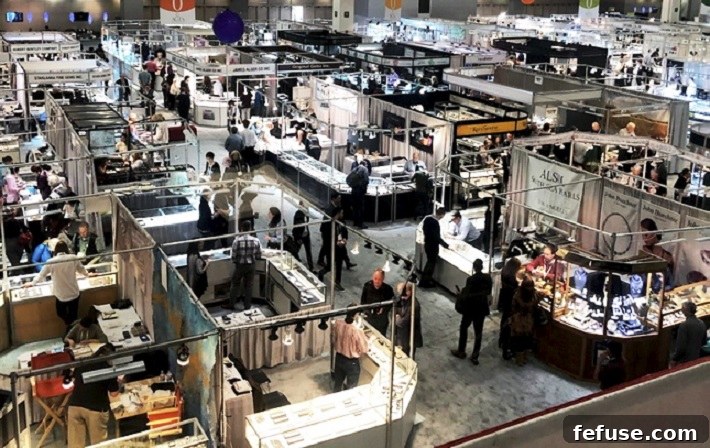
Effective immediately with the highly anticipated AGTA GemFair Tucson 2025 in February, and extending to all subsequent AGTA-run exhibitions, exhibitors will no longer be permitted to showcase or sell what the association explicitly defines as “nonnatural gemstones.” This category broadly encompasses all man-made, synthetic, or lab-grown varieties of gemstones. The annual GemFair Tucson, a cornerstone event in the international gem and jewelry calendar, draws over 8,000 discerning buyers and features more than 300 exhibitors, making this ban a pivotal moment for the industry.
This clear delineation aims to eliminate any potential ambiguity for attendees. Kimberly Collins, AGTA BOD President, articulated the association’s stance, stating, “AGTA felt that it needed to be crystal clear to buyers that when they attend an AGTA show, they know that they are only shopping mined natural gems from the earth.” This statement encapsulates the core philosophy driving the ban: to cultivate an environment where the authenticity and natural origin of every displayed gem are unequivocally guaranteed, offering buyers complete peace of mind.
The Rationale: Protecting Market Integrity and Consumer Confidence
The decision by AGTA’s board of directors was not made lightly but rather in response to an evolving market landscape. A key driver behind the ban is the “disruptive” impact lab-grown diamonds have had on the traditional diamond market. AGTA, recognizing the potential for similar confusion and dilution within the colored gemstone sector, proactively decided to take a firm stand. “Considering how disruptive lab grown diamonds have been in the market, the AGTA board of directors decided to take a stance on man-made gemstones at its fairs to thwart potential confusion,” an AGTA statement confirmed.
This proactive measure is fundamentally about protecting consumer confidence and the inherent value proposition of natural gemstones. For centuries, the allure of gemstones has been deeply intertwined with their natural origin, their formation deep within the earth over millions of years, and their unique geological characteristics. These attributes contribute to their rarity, mystique, and often, their long-term value. By exclusively featuring natural gems, AGTA seeks to safeguard these unique qualities and provide a dedicated marketplace for those who cherish them.
AGTA board member John Bradshaw further elaborated on the foundational distinction, emphasizing, “It’s important to indicate that synthetic gems are not considered minerals because minerals are natural, and synthetics are not.” This scientific and geological differentiation is crucial. Natural gemstones are a product of geological processes, formed from minerals that meet specific criteria of natural occurrence, definite chemical composition, and characteristic crystal structure. Lab-grown gems, while chemically and optically identical or very similar, lack this natural origin, which is a fundamental aspect of what defines a mineral and, by extension, a natural gemstone.
Clarity and Peace of Mind: A Dedicated Marketplace for Natural Gems
The ban does not imply a judgment on the legitimacy of lab-grown gemstones in the broader market. AGTA explicitly clarifies its position: “It’s perfectly acceptable for AGTA dealers to sell synthetic gems if they choose and so long as they are disclosed.” This statement is critical, highlighting that the association’s primary concern is transparency and market segmentation at its own events, rather than dictating how individual dealers conduct their business outside of AGTA shows. The emphasis remains firmly on clear disclosure and ethical practices across the industry. However, for the specific context of AGTA GemFairs, the objective is to simplify the buying experience for those seeking only natural treasures.
The core benefit for buyers attending AGTA GemFairs will be an unparalleled sense of assurance. They can navigate the show floor with the absolute certainty that every single gemstone presented for purchase is a product of the earth. This eliminates the need for constant verification or concern over potential misrepresentation, fostering an environment of trust and genuine appreciation for the wonders of natural gemology. This “peace of mind” is a powerful selling point for AGTA shows, differentiating them significantly in a market where the lines between natural and synthetic can sometimes blur for the uninitiated.
Navigating the Evolving Gemstone Landscape: AGTA’s Forward Vision
This bold move by AGTA is a strategic decision reflecting a commitment to its founding principles and its membership, which predominantly comprises dealers and jewelers specializing in natural colored gemstones. In an industry increasingly characterized by innovation and new product categories, AGTA’s stance provides a clear identity for its trade shows as the premier destination for natural gem discovery. It caters to a segment of the market that values the unique story, geological rarity, and intrinsic heritage of earth-mined gems above all else.
The impact of this ban is multifaceted. For exhibitors who exclusively deal in natural gemstones, it reinforces the value proposition of their products and streamlines their marketing efforts at AGTA shows. For buyers, it simplifies the procurement process, allowing them to focus on quality, beauty, and the natural characteristics of the gems without the added layer of origin verification specific to lab-grown materials. Furthermore, this policy could inspire other industry associations to re-evaluate their own guidelines, potentially leading to further segmentation within the broader gemstone market, which ultimately benefits consumers through increased transparency.
While the lab-grown gemstone sector continues to grow and cater to a different consumer demographic, AGTA’s clear demarcation ensures that its events remain a sanctuary for natural beauty. It’s a statement about preserving the heritage, integrity, and unique appeal of gemstones formed by nature’s own hand. This proactive approach by AGTA serves as a beacon for consumer confidence, ensuring that the magic and authenticity associated with natural gemstones continue to be celebrated and unequivocally distinguished at its prestigious trade shows for years to come. The industry looks forward to the AGTA GemFair Tucson 2025 as the inaugural event under this renewed commitment to natural excellence.