
India’s Gold Market Transformation: Investment Demand Soars Past Jewellery in Q1 2026
The first quarter of 2026 marked a pivotal moment for India’s gold market, revealing a dramatic and significant shift in consumer behaviour. Traditionally dominated by cultural and wedding-related purchases, gold jewellery demand experienced a sharp decline in volume. This was a direct consequence of soaring bullion prices that tested the limits of affordability for many. However, this downturn in ornamentation was eclipsed by a meteoric rise in investment-led buying, as consumers increasingly turned to gold as a safe-haven asset. According to a detailed report by the World Gold Council, this changing dynamic saw investment demand surpass jewellery demand for the first time in recent history, signalling a potential long-term transformation in how Indians interact with the precious metal.
The Jewellery Demand Paradox: Lower Volume, Higher Value
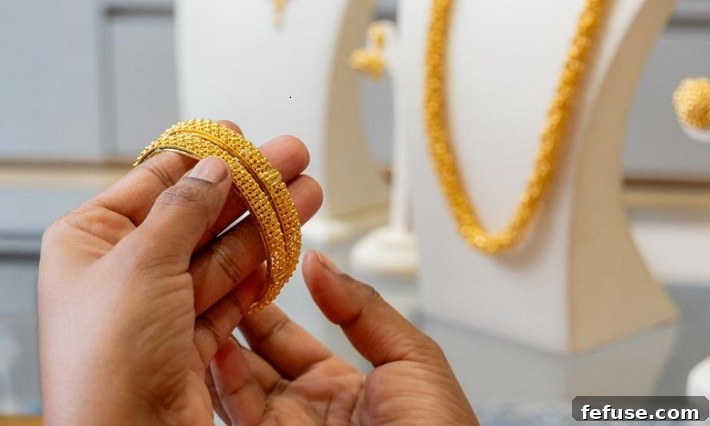
The headline figure for the jewellery sector was stark. Demand by volume plummeted by 19% year-on-year, settling at 66.1 tonnes. This represents one of the weakest first-quarter performances recorded in decades, illustrating the profound impact of record-high gold prices on the average buyer. The traditional practice of purchasing gold for weddings, festivals, and personal milestones faced significant headwinds as budgets were stretched thin.
Yet, in a classic economic paradox, the value of jewellery purchases told a completely different story. Despite the drop in tonnage, total spending on gold jewellery surged by an impressive 47% to reach ₹99,920 crore. This highlights that while people were buying less gold, the gold they did buy was exponentially more expensive. This value-based resilience was largely supported by non-discretionary wedding purchases and continued buying from higher-income segments who were less affected by the price volatility.
How Consumers Adapted to High Prices
The Indian consumer, known for their adaptability, responded to the challenging price environment with a series of strategic shifts in their buying patterns. Rather than abandoning gold entirely, they sought ways to manage costs while still partaking in the tradition of gold ownership. Key trends that emerged during this period include:
- Shift to Lightweight and Lower-Karat Jewellery: To combat high prices, a significant number of buyers moved away from heavy, intricate pieces towards more delicate, lightweight designs. This allowed them to make a purchase within their budget without sacrificing the act of buying gold. Similarly, there was a noticeable pivot from 22-karat gold to lower-purity options like 18-karat, which offered a lower price point.
- The Rise of Studded Ornaments: Jewellers reported increased interest in studded jewellery, where diamonds and other precious gemstones make up a larger portion of the piece’s value. This strategy reduces the overall gold content and, consequently, the final price, making it a more accessible option for cost-conscious consumers.
- Leveraging Old Gold Exchanges: The practice of exchanging old or inherited jewellery for new items became a crucial buffer for consumers. Industry estimates suggest that these exchanges accounted for a staggering 40% to 60% of all retail transactions. By trading in old gold, buyers could significantly offset the cost of new purchases, effectively using their existing assets to navigate the high-price environment.
The Meteoric Rise of Gold as an Investment Vehicle
While the jewellery market grappled with affordability, the investment segment of the gold market flourished. The same high prices that deterred jewellery buyers acted as a powerful magnet for investors seeking to protect their wealth and capitalize on the upward trend. Total investment demand in India skyrocketed to 82 tonnes, a remarkable increase of over 50% compared to the previous year. This surge was broad-based, encompassing both traditional physical gold and modern digital instruments.
Bars and Coins: The Tangible Safe Haven
Demand for physical gold in the form of bars and coins saw a robust increase, climbing 34% in volume to 62.3 tonnes. This reflects a deep-seated trust in tangible assets during times of economic uncertainty. For many, owning physical gold is the ultimate form of financial security. The growth in value was even more dramatic, with spending on bars and coins rising by an astounding 142% to ₹94,130 crore. This indicates that not only were more people buying, but they were also allocating more capital to these purchases, viewing gold as a primary hedge against inflation and a vehicle for wealth preservation.
Gold ETFs: A Record-Breaking Surge in Digital Gold
Perhaps the most telling sign of the market’s evolution was the unprecedented boom in Gold Exchange-Traded Funds (ETFs). Demand for gold ETFs reached a record 19.9 tonnes during the quarter. In value terms, the growth was astronomical, with investments soaring by 437% to reach ₹30,000 crore. This explosion in ETF demand points to the growing influence of a new generation of digitally-savvy investors who prefer the liquidity, convenience, and low transaction costs of financial instruments over the complexities of storing and insuring physical gold.
Expert Analysis: A Market Under Pressure but Resilient
Sachin Jain, the Regional CEO for India at the World Gold Council, provided context to these shifting trends. He acknowledged that “jewellery demand faced notable pressure due to elevated prices and affordability challenges, especially in value-sensitive segments.” This confirms that the volume decline was a direct result of price sensitivity among rural and middle-class consumers.
However, Jain also highlighted the market’s underlying resilience, noting that overall spending remained strong. He pointed out that consumers demonstrated remarkable flexibility by “increasingly choosing lighter and more value-oriented products.” This adaptability, combined with the powerful cultural significance of gold, ensured that the market did not collapse but rather transformed in response to the new economic realities.
The Retail Landscape: Navigating a Shifting Market
For retailers, the first quarter of 2026 was a period of complex challenges and surprising opportunities. While footfall for traditional heavy bridal jewellery may have waned, their revenues painted a picture of robust health. Leading national and regional jewellers reported impressive year-on-year revenue growth, with figures ranging from 32% to as high as 124%.
This financial success was driven by several factors. Firstly, the higher average transaction value meant that even smaller sales generated more revenue than before. Secondly, many retailers successfully pivoted their marketing and inventory to cater to the rising demand for lightweight jewellery, coins, and bars, which often carry higher margins. Furthermore, major jewellery brands continued with their aggressive expansion plans, opening new stores across the country. This demonstrated their long-term confidence in the Indian gold market, despite the short-term volatility and shifting consumer preferences.
A Structural Shift in India’s Gold Consumption?
The most profound takeaway from the Q1 2026 data is the inversion of India’s gold demand structure. For the quarter, jewellery’s share of total gold demand fell to just 44%, while investment demand captured the majority share. This statistical milestone raises a critical question: is this a temporary reaction to a price shock, or are we witnessing a permanent structural shift in India’s relationship with gold?
The evidence suggests a deeper change is underway. The rise of digital investment platforms, growing financial literacy, and a younger demographic more inclined towards asset diversification are all contributing to gold’s growing identity as a mainstream investment class, on par with equities and real estate. While the cultural and emotional connection to gold jewellery will undoubtedly endure, its dominance as the primary form of gold consumption is now being seriously challenged. The first quarter of 2026 may well be remembered as the moment when gold’s role in India evolved decisively from a cherished ornament to a strategic financial asset.