
Navigating the GST Landscape: An Essential Awareness Seminar for India’s Gem & Jewellery Sector
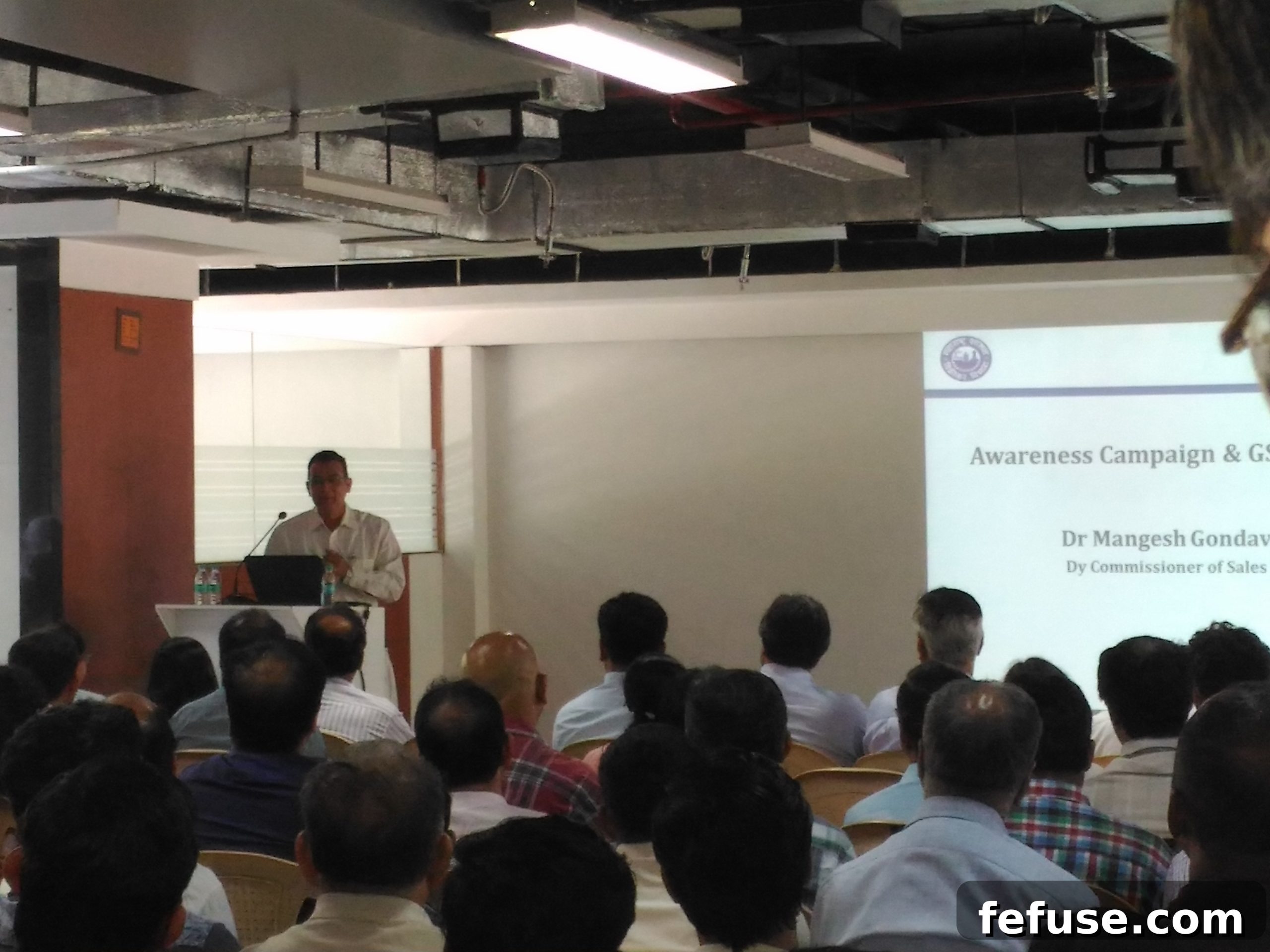
The monumental Goods and Services Tax (GST) regime, heralded as one of India’s most significant tax reforms, necessitated extensive preparation and understanding across all industries. Recognizing the profound impact this transformation would have on a crucial sector, the Gem & Jewellery Export Promotion Council (GJEPC), in strategic collaboration with the Bharat Diamond Bourse (BDB), hosted a pivotal Awareness Seminar. This vital event, designed to equip industry stakeholders with comprehensive insights into the impending taxation system, took place at the prestigious BDB premises on May 10, 2017. The seminar brought together leading tax authorities and expert consultants to demystify GST, ensuring that the vibrant Indian gem and jewellery sector was well-prepared for the transition.
The initiative by GJEPC and BDB underscored their unwavering commitment to fostering a well-informed and compliant industry. As apex bodies representing a sector that contributes significantly to India’s exports and employment, their proactive approach in organizing such an event was critical. The seminar served as a crucial platform for dialogue, clarification, and education, addressing the anxieties and queries of businesses ranging from large-scale manufacturers and exporters to intricate artisanal units. Understanding the nuances of GST was not merely a matter of compliance; it was about ensuring business continuity, optimizing operational efficiency, and maintaining India’s competitive edge in the global gem and jewellery market.
Demystifying the Transition: Insights from a Leading Tax Authority
A cornerstone of the seminar was the illuminating address delivered by Dr. Mangesh Gondavale, the esteemed Deputy Commissioner of Sales Tax. Dr. Gondavale, a key figure in India’s tax administration, provided an authoritative perspective on the rationale behind the shift from the existing multi-layered taxation system to the unified GST regime. His presentation meticulously outlined the historical context, highlighting the inherent inefficiencies and complexities of the previous indirect tax structure, which often led to a cumbersome “cascading effect” – taxes levied on taxes. This phenomenon not only inflated prices for the end-consumer but also created significant operational hurdles for businesses, particularly those engaged in inter-state trade.
Dr. Gondavale articulated the government’s vision for GST as a transformative reform aimed at creating a ‘One Nation, One Tax’ system. He emphasized the anticipated benefits, which included enhanced transparency, simplified tax compliance procedures, and a broader tax base. For the gem and jewellery industry, these benefits were particularly pertinent. The removal of cascading taxes was expected to streamline the supply chain, reduce logistical costs, and potentially make Indian exports more competitive on the global stage. He also delved into the operational intricacies of the new system, providing a detailed overview of how GST would function in practice. This included critical aspects such as the registration process for businesses under GST, the mechanism for input tax credit, the various tax slabs applicable, and the procedures for filing returns. His insights were invaluable for businesses seeking to understand the fundamental mechanics of the new tax framework and the procedural changes they would need to implement.
Expert Guidance on Rules and Regulatory Changes
Complementing the governmental perspective, Nishant Shah from ELP, Tax – a prominent firm serving as a consultant to the industry on GST matters – delivered an equally crucial presentation. As specialists in tax advisory, ELP, Tax brought a practical, business-centric approach to understanding the impending GST regime, which was scheduled for implementation from July 2017. Mr. Shah’s presentation served as a comprehensive guide to the specific rules and regulations that would govern the industry under GST. He meticulously briefed the attending members about the proposed changes in the prevalent tax structure, translating complex legal jargon into understandable terms for business owners and professionals.
The consultant’s session covered a broad spectrum of topics essential for day-to-day operations within the gem and jewellery sector. This included discussions on the classification of goods and services, the implications for inventory management, the impact on import and export procedures, and the specific compliance requirements for different types of businesses within the industry – from diamond polishing units to gold jewellery manufacturers and retailers. Mr. Shah highlighted key areas where businesses would need to adapt their existing systems and processes, providing actionable advice on how to prepare effectively. The expertise offered by ELP, Tax was instrumental in bridging the gap between theoretical knowledge of the GST law and its practical application, offering a nuanced understanding of potential challenges and opportunities that would arise post-implementation.
The Transformative Impact of GST on India’s Gem & Jewellery Industry
The introduction of GST was poised to bring about a paradigm shift for India’s gem and jewellery industry, a sector renowned globally for its craftsmanship, innovation, and significant export contribution. Before GST, the industry navigated a labyrinth of central excise duty, service tax, value-added tax (VAT), and octroi, creating a fragmented and often inefficient tax environment. The unification under GST promised a smoother, more transparent, and more efficient tax structure, which was eagerly anticipated by many.
Streamlining Supply Chains and Enhancing Competitiveness
One of the primary benefits expected from GST was the simplification of the supply chain. Previously, inter-state movement of goods was fraught with challenges due to varying state-level taxes and compliance requirements. GST aimed to create a seamless national market, facilitating easier and faster movement of diamonds, gemstones, and finished jewellery across state borders. This streamlining was expected to reduce logistics costs, decrease transit times, and ultimately lead to more competitive pricing for Indian products both domestically and internationally. For an export-oriented industry, this global competitiveness was a significant advantage.
Boosting Exports and Attracting Investment
The GST framework, particularly its provisions for zero-rating of exports, was designed to provide a strong impetus to India’s gem and jewellery exports. By ensuring that exporters are not burdened by indirect taxes on their inputs, the system aimed to make Indian goods more attractive in international markets. This policy was crucial for maintaining India’s position as a global leader in cut and polished diamonds and a growing force in studded jewellery. Furthermore, a simplified and predictable tax regime was anticipated to attract greater foreign investment into the sector, fostering growth, technology adoption, and job creation.
Compliance and Digital Transformation
While the benefits were substantial, GST also introduced a new era of compliance, heavily reliant on digital platforms. Businesses, regardless of their size, were required to embrace digital invoicing, online return filing, and meticulous record-keeping. This shift necessitated significant investment in technology and training for many industry players. The seminar played a critical role in highlighting these compliance imperatives, urging businesses to adopt robust accounting and taxation software and to upskill their workforce to navigate the new digital tax ecosystem effectively. The focus was on proactive preparation to avoid penalties and ensure a smooth transition.
Impact on Manufacturers, Retailers, and Artisans
For diamond manufacturers, GST simplified the process of availing input tax credit on raw materials and services, making their operations more cost-effective. Jewellery retailers benefited from a more transparent tax structure, potentially leading to clearer pricing for consumers and reducing instances of tax evasion. For the vast network of artisans and small-scale units, GJEPC and BDB emphasized the need for simplified registration procedures and awareness programs, ensuring that this crucial segment of the industry was not left behind in the digital transition. The uniform tax rate across the nation was also expected to create a level playing field, reducing market distortions.
Fostering Dialogue: The Interactive Q&A Session
The seminar culminated in an extensive and highly interactive Question & Answer (Q&A) session, a testament to the complex nature of the GST reform and the industry’s eagerness for clarity. This segment allowed participants to directly engage with Dr. Gondavale and Nishant Shah, posing their specific queries and concerns related to the upcoming tax regime. Questions ranged from practical aspects of registration and invoice generation to the implications for specific types of transactions, such as job work, consignment sales, and the treatment of precious metals. The experts provided detailed explanations, clarified ambiguities, and offered valuable guidance based on their deep understanding of the law and its practical implications.
The Q&A session was vital for addressing the myriad unique challenges faced by the diverse components of the gem and jewellery sector. It facilitated a crucial two-way communication channel, allowing the organizers and speakers to gauge the industry’s preparedness and identify common areas of confusion. This direct interaction not only resolved immediate doubts but also empowered businesses with the knowledge to make informed decisions and strategize effectively for the post-GST era. It reinforced the notion that while GST brought significant changes, proactive engagement and expert consultation could ensure a smooth and beneficial transition for the industry.
Conclusion: Paving the Way for a Brighter Future
The Awareness Seminar hosted by the GJEPC and BDB on May 10, 2017, marked a crucial milestone in the Indian gem and jewellery industry’s journey towards embracing the GST regime. By bringing together authoritative voices from the government and seasoned tax consultants, the event successfully equipped hundreds of industry stakeholders with the foundational knowledge and practical insights required for a seamless transition. The seminar illuminated the overarching benefits of GST – from simplifying the tax structure and enhancing transparency to boosting export competitiveness and streamlining the supply chain. It also underscored the critical importance of proactive compliance and adaptation to new digital processes.
As India moved closer to the full implementation of GST in July 2017, such initiatives proved indispensable. They not only educated the industry but also instilled confidence in its ability to navigate change and capitalize on new opportunities. The commitment shown by GJEPC and BDB in supporting their members through this significant tax reform reflected their dedication to the long-term prosperity and global leadership of India’s gem and jewellery sector. The successful adoption of GST was not just about tax compliance; it was about laying a stronger, more transparent, and more efficient foundation for the industry’s continued growth and innovation in the years to come.