
Kering Navigates Challenging Waters: A Deep Dive into Q3 Sales and the Resilience of High Jewelry
The esteemed French luxury conglomerate, Kering, a powerhouse behind iconic brands such as Gucci and the prestigious high jewelry maisons like Boucheron, recently unveiled its third-quarter sales figures, revealing a notable 13% decline. This performance underscores the mounting pressures faced by the global luxury industry amidst a landscape defined by significant economic shifts and evolving consumer demands. The results, published by the Paris-based group, highlight a period of adjustment for even the most established players in the high-end market, prompting a closer examination of underlying factors and strategic responses.
Understanding the Q3 Financial Landscape: €4.46 Billion in Revenue
Kering’s total group revenue for the third quarter settled at €4.46 billion ($4.72 billion), a figure that, while substantial, represents a tangible contraction from previous periods. The company attributed this downturn to what it described as “challenging macroeconomic conditions and softening demand across the luxury industry.” This broad statement encompasses a range of global headwinds, from persistent inflationary pressures and rising interest rates impacting consumer discretionary spending, to geopolitical instabilities that create uncertainty in key markets. The post-pandemic surge in luxury consumption, fueled by pent-up demand and increased savings, appears to be normalizing, giving way to a more discerning and cautious consumer base.
The luxury market, often seen as recession-proof, is not entirely immune to broader economic fluctuations. While ultra-high-net-worth individuals may continue their purchasing patterns, the aspirational luxury segment, which contributes significantly to the volume of sales for many fashion houses, is often the first to feel the pinch during economic slowdowns. Kering’s Q3 results serve as a barometer for these wider industry trends, indicating a period where growth is no longer a given and strategic agility becomes paramount.
Fashion Brands Under Pressure: Gucci, Yves Saint Laurent, and Bottega Veneta
A significant portion of Kering’s portfolio comprises its renowned fashion houses, which experienced a collective drop of approximately 15% in revenue. This segment includes the group’s largest and most influential brand, Gucci, alongside the sophisticated Yves Saint Laurent and the distinctive Bottega Veneta. The performance of these brands is particularly critical for Kering, as they represent the lion’s share of its revenue and market visibility.
Gucci’s Ongoing Transformation: Navigating a Critical Juncture
Gucci, Kering’s crown jewel, is currently undergoing a pivotal transformation. The brand has been a focal point of discussion within the industry, especially following the departure of its highly influential creative director, Alessandro Michele, and the subsequent appointment of Sabato De Sarno. This period of transition naturally brings with it a certain degree of market anticipation and, at times, hesitation. While new collections under De Sarno are eagerly awaited and will undoubtedly set the tone for Gucci’s future direction, the immediate impact of such strategic shifts can manifest as softer sales. The challenge for Gucci is to re-energize its core offerings, resonate with both existing loyal customers and attract new demographics, all while maintaining its unique brand identity in an increasingly competitive landscape. The luxury consumer of today seeks not just products, but experiences, narratives, and authenticity, pushing brands to innovate constantly.
Yves Saint Laurent and Bottega Veneta: Maintaining Distinctive Appeals
While Gucci’s performance often garners the most attention, Yves Saint Laurent and Bottega Veneta also play crucial roles in Kering’s ecosystem. Yves Saint Laurent, known for its sharp tailoring, sophisticated aesthetic, and powerful ready-to-wear collections, continues to attract a discerning clientele. Bottega Veneta, with its minimalist design and exquisite leather craftsmanship, has carved out a niche for understated luxury. Both brands face the ongoing challenge of balancing heritage with modernity, ensuring their collections remain relevant and desirable. Their 15% revenue decline suggests that even strong brand identities are not entirely insulated from the broader economic headwinds, necessitating careful market analysis and targeted engagement strategies to maintain growth momentum.
The Resilient Brilliance: High Jewelry Maisons Shine Through
In contrast to the performance of its fashion brands, Kering’s “other houses” segment, which notably includes its high jewelry maisons such as Boucheron, Pomellato, DoDo, and Qeelin, demonstrated remarkable resilience. Despite an overall 19% decline in this broader category, Kering explicitly highlighted the positive performance of its jewelry brands, indicating their strength and strategic importance within the portfolio. The luxury jewelry market often exhibits different dynamics compared to fashion, frequently serving as an investment or a timeless purchase that holds its value, particularly in times of economic uncertainty.
Boucheron: A Beacon of Success in High Jewelry
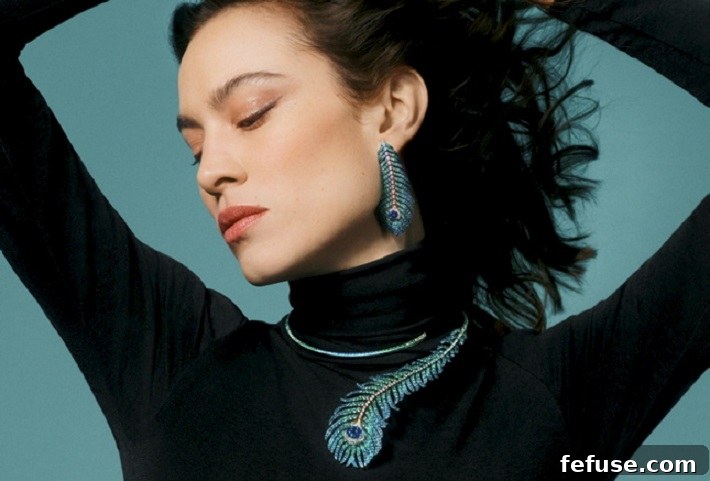
Kering’s statement specifically lauded Boucheron’s “positive performance,” attributing it to “the success of its high jewelry and jewelry collections.” Boucheron, with its rich Parisian heritage dating back to 1858, epitomizes exquisite craftsmanship, innovative design, and timeless elegance. The brand’s ability to thrive despite the downturn speaks volumes about the enduring appeal of high jewelry and the perceived value of its unique pieces. High jewelry often appeals to an ultra-affluent clientele who are less affected by economic fluctuations and view these acquisitions as both personal adornments and tangible assets. Boucheron’s focus on both bespoke high jewelry and more accessible fine jewelry collections allows it to cater to a broad spectrum of luxury consumers, cementing its position as a market leader.
The success of Boucheron also reflects a broader trend: consumers are increasingly seeking authenticity, artistry, and pieces with a story. In an era of fast fashion, the deliberate craftsmanship and investment value of high jewelry stand out. Boucheron’s ability to blend classic design with contemporary flair, as well as its strategic expansion in key global markets, has undoubtedly contributed to its robust performance, proving that true luxury transcends fleeting trends.
Pomellato and Qeelin: Distinctive Growth in a Challenging Market
Beyond Boucheron, Kering also noted solid growth from Pomellato in its stores and excellent momentum from Qeelin. Pomellato, the Milanese jeweler, is celebrated for its distinctive, bold designs and its commitment to responsible sourcing. Its “solid growth in stores” suggests that a strong retail presence and personalized customer experience remain vital in the luxury sector. Pomellato’s unique blend of sophisticated yet playful design resonates with a clientele looking for distinctive pieces that stand out from conventional fine jewelry. The brand’s consistent innovation in design and material, coupled with its Italian craftsmanship, underpins its continued success.
Qeelin, with its enchanting fusion of Chinese cultural heritage and contemporary design, demonstrated “excellent momentum.” This Hong Kong-based brand has successfully tapped into the burgeoning luxury market in Asia and beyond, offering unique pieces that blend traditional symbolism with modern aesthetics. Qeelin’s performance highlights the growing importance of culturally relevant luxury products and the strategic value of diversifying a brand portfolio to appeal to various regional tastes and preferences. Its innovative approach to design and storytelling allows it to connect deeply with consumers who appreciate its unique narrative and craftsmanship.
DoDo, another brand within the “other houses” segment, also contributes to Kering’s diverse jewelry offering. Known for its charming and symbolic charms and jewelry, DoDo caters to a segment looking for personalized and expressive pieces, further broadening Kering’s reach in the fine jewelry market.
Kering’s Strategic Outlook and Future Resilience
Despite the current challenges, Kering remains a formidable force in the luxury industry. The group’s long-term strategy focuses on strengthening its brands, investing in creative talent, enhancing craftsmanship, and expanding its global footprint, particularly in high-growth markets. The resilience shown by its high jewelry maisons provides a blueprint for stability and profitability, underscoring the importance of diversification within the luxury sector. Kering’s ability to nurture brands with strong heritage while also fostering innovative newcomers will be crucial for navigating the evolving landscape.
Looking ahead, the luxury market is expected to remain dynamic. While the immediate future may be characterized by cautious consumer spending and heightened competition, the underlying demand for true luxury, quality, and craftsmanship persists. Kering’s strategic responses, including focused marketing campaigns, innovative product launches, and an unwavering commitment to brand desirability, will be key to re-accelerating growth. The group’s investment in its unique portfolio of brands, from groundbreaking fashion to timeless jewelry, positions it to weather the current economic storms and emerge stronger in the long term, adapting to a new era of luxury consumption defined by discernment and enduring value.