
The Future is Now: How Technology is Revolutionizing the Jewelry Industry
The esteemed New York Times aptly highlighted in April 2021 how the global pandemic served as an unexpected catalyst, dramatically accelerating the integration and advancement of new production technologies within the jewelry sector. For an industry often perceived as rooted in tradition, this surge in innovation marks a pivotal moment, proving that embracing cutting-edge solutions is not just beneficial, but essential for growth and relevance. While technological adoption historically faced a degree of skepticism among some jewelers and producers, this resistance has quickly dissipated, giving way to an unprecedented embrace of innovation across the board.
Today, jewelry innovations are garnering more attention than ever before, reshaping how pieces are designed, manufactured, marketed, and even experienced by consumers. This transformation isn’t just about efficiency; it’s about unlocking new realms of creativity, personalization, and sustainability. From the intricate details achievable with advanced manufacturing processes to the smart solutions that redefine luxury, technology is fundamentally redefining the craft. In this comprehensive exploration, we will delve into various groundbreaking technologies and innovative brands that are at the forefront of this revolution, showcasing how they are creating unique designs and setting new benchmarks for the industry.
1. 3D Printing Technology: Shaping the Future of Jewelry Design
Among the most transformative technologies in jewelry design and production is 3D printing, also known as additive manufacturing. This revolutionary process builds three-dimensional objects layer by layer from a digital design, offering a multitude of advantages over conventional methods. Firstly, it drastically reduces production time, transforming concepts into tangible prototypes and finished pieces in a fraction of the time previously required. This agility allows designers to iterate quickly, experiment with complex forms, and bring new collections to market at an accelerated pace, significantly lowering labor costs associated with traditional handcrafting.
Beyond speed and cost, 3D printing enhances precision and consistency. By relying on digital models and automated processes, it virtually eliminates the possibility of human error that can occur in traditional jewelry manufacturing, ensuring each piece meets exacting standards. This technology empowers jewelry designers and producers to create intricate details, geometric complexities, and organic textures that would be exceptionally challenging, if not prohibitively expensive, to produce through conventional means. It opens up a world of possibilities for intricate filigree work, custom engravings, and internal structures that add unique value to jewelry pieces.
A compelling example of 3D printing’s creative potential is seen in the Energy Addicts jewelry brand, conceptualized by industrial designer Naomi Kizhner. This avant-garde line utilizes 3D printing to craft pieces from gold and biopolymer. The designs are not merely aesthetic; they are conceptual wearables meant to represent and even harness energy created by the wearer’s body, reflecting subtle movements and interactions. This pushes the boundaries of jewelry beyond mere adornment, transforming it into an interactive and meaningful object. Furthermore, 3D printing facilitates greater personalization and customization, allowing individual customers to have a direct hand in shaping their unique pieces, from custom engravings to entirely bespoke designs, leading to a more engaged and satisfied clientele.
2. Windswept Jewelry: Capturing Memories Through Data-Driven Design
Windswept jewelry is more than just a brand; it represents a captivating fusion of sentiment, technology, and art, born from the innovative Irish studio Love & Robots. At its core, Love & Robots leverages advanced 3D printing capabilities to bring its Windswept collection to life. However, what truly sets this innovation apart is not solely the manufacturing technology, but its profoundly creative concept: transforming historical weather data into a tangible, wearable memory. This approach epitomizes bespoke jewelry design in the modern era.
The concept is elegantly simple yet powerfully evocative. Love & Robots employs 3D printing to render a unique shape derived from the specific wind direction and pattern of a chosen moment. When commissioning a Windswept piece, clients select a precise location—anywhere across the globe—and a significant date from the past. This data is then fed into design software, which generates a unique three-dimensional representation of the wind’s movement at that exact time and place. The resulting form is then meticulously crafted into a wearable piece of art. This method offers an unparalleled way to commemorate special occasions, such as weddings, births, significant anniversaries, or memorable travels, by immortalizing the elemental forces present on that particular day.
The personalization extends to material choices, allowing each piece to truly reflect the client’s preference and budget. Love & Robots offers Windswept jewelry in a diverse range of exquisite materials, including the warm hues of rose gold-plated and yellow gold-plated brass, the enduring luxury of 14k rose gold and 14k yellow gold, and the classic elegance of sterling silver. This blend of cutting-edge technology, profound personalization, and artistic interpretation elevates Windswept jewelry beyond simple adornment, transforming it into a cherished heirloom that tells a unique, personal story.
3. Cable-Making: A Fusion of Strength and Style
The innovative method of cable-making in jewelry design represents a fascinating cross-industry technological transfer. It was developed by skillfully borrowing techniques and principles originally conceived for the electrical cable industry. In this ingenious process, jewelry makers meticulously spin and weave multiple metal wires together in a specific, intricate manner. This precise construction is not merely for aesthetics; it’s a structural choice that results in a distinctive style characterized by remarkable strength, durability, and a unique textural appeal.
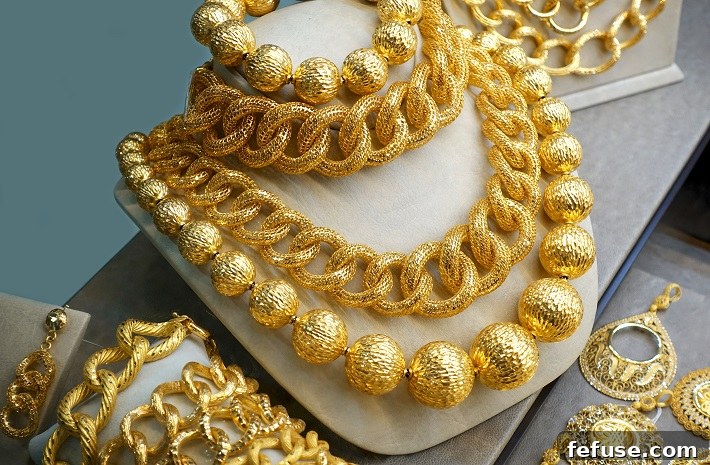
You’ve likely encountered the distinctive look of cable-made jewelry, particularly in substantial yellow gold necklaces and bracelets, where the interwoven strands create a robust yet flexible form. A hallmark of modern jewelry fashion is the increasing popularity of mixed metals, and cable-making lends itself beautifully to this trend. Designers often incorporate wires of different hues, such as combining white gold and yellow gold, or even rose gold, to create visually striking contrasts and harmonious blends within a single piece. This interplay of colors and textures adds depth and sophistication, making cable jewelry highly versatile.
Beyond their aesthetic charm, cable necklaces are highly prized for their inherent strength. The twisted construction makes them exceptionally resistant to kinking and breakage, ensuring years of comfortable wear. This durability makes them an ideal choice for pairing with cherished pendants, as they provide a secure and reliable foundation. Furthermore, depending on the chosen metal and the specific weave, cable jewelry can exhibit a distinctly industrial-chic aesthetic that remains perennially on-trend. This combination of robust construction, visual intrigue, and enduring style makes cable-making a valued technique in contemporary jewelry design, offering pieces that are both eye-catching and built to last.
4. DaVinci Diamond Factory: Precision Redefined in Diamond Cutting
The DaVinci Diamond Factory stands as a truly revolutionary advancement in the diamond industry, representing the world’s first fully automated system for comprehensive, full-faceted laser cutting. This groundbreaking technology, developed by Synova, profoundly automates the intricate processes of diamond laser cutting and shaping, moving away from traditional, labor-intensive methods to an era of unparalleled precision and efficiency. It ushers in a new standard for transforming rough diamonds into dazzling masterpieces.
The power of the DaVinci system lies in its ability to take a raw, untamed rough diamond and, in a single integrated process, yield a brilliant, perfectly cut gem with advanced faceting. This system is capable of producing cuts with as many as 57 facets in just one automated round, a feat that showcases its extraordinary speed and accuracy. Furthermore, the DaVinci Diamond Factory offers sophisticated fancy shaping capabilities, allowing for the creation of unique and complex diamond forms beyond the traditional round brilliant. This automation drastically reduces the need for extensive manual labor, leading to a significant reduction in the cost of finished diamond jewelry, making exquisite diamonds more accessible to a broader market without compromising quality.
Integral to the DaVinci’s process is its integrated polishing stage, which meticulously smooths the diamond’s surfaces after cutting, enhancing its brilliance and fire. This entire sophisticated operation is made possible by advanced Laser MicroJet technology, which uses a laser guided by a hair-thin jet of water to cut and shape diamonds with exceptional cold-ablation precision. This minimizes thermal damage, preserves the diamond’s integrity, and maximizes yield from the rough stone. Crucially, the DaVinci system is versatile, capable of processing both natural rough diamonds and lab-grown diamonds, ensuring that the highest standards of cutting and polishing are applied across the entire spectrum of the diamond market, propelling the industry into a new age of precision and innovation.
5. Electroforming: Lightweight Durability and Unique Textures
For those who appreciate metal jewelry designs that offer remarkable durability yet remain comfortably lightweight, pieces crafted using the electroforming method present an outstanding option. This sophisticated electrochemical process allows for the creation of hollow, intricate, and robust metal forms that possess significant volume without excessive weight. It’s for these compelling reasons—the perfect balance of substance and comfort—that electroforming has become an especially useful and popular method for producing earrings, large pendants, and statement rings, where weight is a critical factor for wearability.
The general principle of electroforming involves carefully depositing layers of metal onto a conductive core or mold. This core can be a specially prepared organic material, a natural gemstone, or a wax model. The process works by submerging the conductive core into an electrolytic solution containing dissolved metal ions. An electric current is then passed through the solution, causing the metal ions to adhere to and gradually envelop the core, building up a continuous layer of pure metal. Over time, this process forms a robust metal shell that precisely replicates the details of the underlying material.
A particularly popular application of electroforming involves layering copper onto various hard materials, such as unique gemstones, crystals, or even preserved natural elements like leaves and twigs. This technique creates truly distinctive pieces of jewelry that beautifully combine the inherent appeal and organic beauty of the encased material with the strength, rich patina, and sculptural qualities of copper. The result is often a striking contrast between the raw, natural element and the meticulously formed metal, yielding jewelry that is not only durable and lightweight but also imbued with a unique artisanal character and a touch of organic elegance.
6. Metal and Plastic Matrixes: Innovative Luxury for Modern Wearers
The development of metal and plastic matrixes represents an ingenious technological approach to creating jewelry that offers a luxurious appearance while being remarkably lightweight and often significantly more affordable. This innovative material science challenges traditional notions of what constitutes “precious” by combining high-value metals with advanced polymers, achieving specific desirable properties. An excellent illustration of a sophisticated metal and plastic matrix involves the integration of precious metals, such as 18-carat gold, with specialized plastics. This combination is engineered in such a way that the resulting piece of jewelry possesses the visual and tactile qualities of solid gold, yet with a substantially reduced density.
The science behind these matrixes allows for the creation of intricate internal structures or uniform dispersion of the metal within a polymer base. This results in an incredibly light material that maintains the luster, color, and perceived value of its precious metal component. For consumers who desire the opulence of luxurious, seemingly heavy gold but seek enhanced comfort and wearability, jewelry made with a gold and plastic matrix offers an ideal solution. Imagine a bold statement watch, a pair of oversized hoop earrings, or a substantial necklace that, despite its impressive appearance, feels surprisingly light on the skin, making it perfect for prolonged wear without discomfort.
This innovation not only makes luxurious designs more accessible but also opens new avenues for sustainable practices within the jewelry industry by optimizing material usage. By reducing the overall amount of pure precious metal required, it contributes to more responsible resource management without compromising the aesthetic appeal or perceived value. It caters to a modern sensibility that values both luxury and practicality, providing sophisticated alternatives for those who wish to combine high fashion with comfort and smart material engineering.
7. Artificial Intelligence and Algorithms: The Brains Behind Future Designs
Over the past few years, the integration of artificial intelligence (AI) and sophisticated algorithms into jewelry design has transitioned from a theoretical concept to a prevalent and powerful tool. AI is revolutionizing how designers conceive, develop, and even personalize jewelry, pushing the boundaries of creativity and efficiency. A prominent illustration of this integration can be found in Boucheron, the venerable Parisian high jeweler. Boucheron began harnessing the power of AI as early as 2016, employing it to enhance their creative process. In one notable instance, designers utilized 3D scanning technology in conjunction with AI to meticulously analyze and reproduce the intricate structures of flower petals, culminating in stunning floral rings that perfectly captured the organic beauty and delicate nuances of nature.
More recently, Boucheron’s creative director pushed these boundaries further with the development of its “Contemplation” collection. This avant-garde collection was conceived using artificial intelligence and complex algorithms throughout its design process. The aim was to evoke ethereal natural phenomena, specifically the fleeting look and graceful movement of clouds. AI was employed to generate intricate, organic forms that mirrored these natural inspirations, translating them into wearable art. Pieces in this collection often feature lightweight materials like titanium wires, meticulously placed glass beads, and carefully selected diamonds, all arranged to create a sense of lightness and fluidity, mimicking the ephemeral beauty of the sky. This exemplifies how AI can serve as a powerful creative partner, generating design variations and optimizing material arrangements that might be beyond human intuition alone.
Beyond generative design, AI and algorithms are also transforming other facets of the jewelry industry, from predicting consumer trends and personalizing shopping experiences through recommendation engines to optimizing supply chains and ensuring ethical sourcing via blockchain-integrated AI. By analyzing vast datasets, AI can identify patterns in consumer preferences, material science, and even market demand, offering invaluable insights to designers and retailers. This intelligent assistance not only streamlines the design process but also allows for unprecedented levels of customization and relevance, ensuring that the jewelry created resonates deeply with individual tastes and contemporary aesthetics, thereby shaping a more responsive and innovative future for the entire industry.
Planning Your Jewelry Collection with Advanced Technology: A Strategic Approach
For jewelry designers poised to leverage the incredible potential of 3D printing or other advanced technologies for their own collections, meticulous planning is paramount. Approaching production with a well-defined strategy ensures a seamless workflow and capitalizes on the inherent efficiencies these technologies offer. The agile nature of 3D printing, for example, allows for rapid prototyping and production, but a clear vision from the outset is crucial to avoid delays and maximize its benefits. Consider the entire lifecycle of your design, from initial concept to final polish.
When venturing into new jewelry innovations, several key considerations should guide your planning process. Firstly, define your target customer with precision: who are you designing for, what are their aesthetic preferences, and what price point are they comfortable with? This clarity will inform every subsequent design decision. Secondly, articulate the core inspiration behind your collection. Is it a historical period, a natural element, an abstract concept, or a blend of influences? A strong narrative will not only guide your creative direction but also serve as a powerful marketing tool. Thirdly, decide on the balance between timeless, classic designs that form the foundation of your collection and the innovative statement pieces that will capture attention and define your brand’s unique voice. Finally, explore potential upsell opportunities and complementary pieces to create a cohesive and appealing range. By addressing these strategic questions proactively, designers can successfully harness technology to create compelling, high-quality jewelry that stands out in a competitive market.