
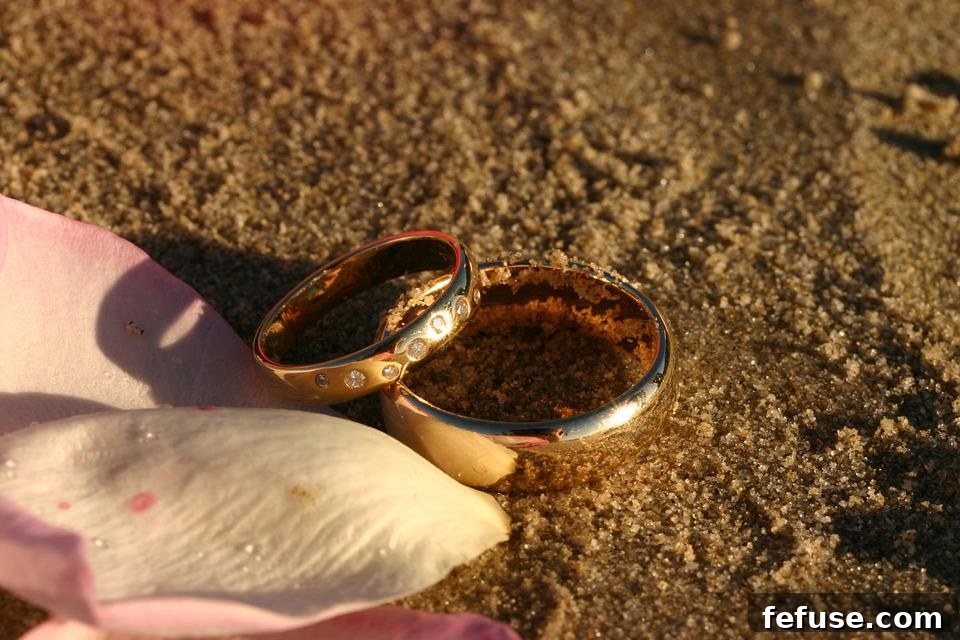
There’s a unique magic in an engagement ring – a radiant symbol that announces to the world your profound commitment and enduring love. More than just a piece of jewelry, it’s a tangible representation of the deep bond you share with your partner, a gleaming promise of a future together. Each glance at the sparkling ring on your finger serves as a joyful reminder of the happiness that awaits, a constant whisper of the journey you’re embarking upon. This iconic emblem of love and devotion is a personal experience you undoubtedly anticipate with immense excitement.
Whether you’re meticulously planning a surprise proposal and envisioning the perfect ring for your beloved, collaborating as a couple to design a ring that reflects both your dreams, or simply exploring options while still in the early stages of discussion, now is the opportune moment to delve into the captivating world of engagement ring styles and designs. Crafting the engagement ring of your dreams involves considering several pivotal factors. From selecting the ideal diamond shape to coordinating your ring with a future wedding band, every detail contributes to a piece that truly tells your story. Join us as we explore the fundamental essentials of engagement rings, guiding you through the considerations necessary to find or create your perfect symbol of everlasting love.
Discovering Your Unique Engagement Ring Style
The journey to your perfect engagement ring begins with understanding your personal aesthetic. Beyond critical elements like the metal of the band, the precise cut of the diamond, or the potential inclusion of multiple gemstones – all of which we will explore in detail – your overall style preference plays a crucial role. The world of engagement rings offers a diverse array of styles, each with its own distinctive charm and character. Taking the time to narrow down the design that resonates most deeply with your vision will make the selection process both enjoyable and fruitful. Let’s explore some of the most sought-after engagement ring styles, offering you a clearer picture of what might become a cherished part of your daily life.
Among the popular choices, you’ll find styles such as vintage-inspired, two-tone, cathedral, three-stone, halo, hidden halo, bezel, and the timeless solitaire. If these terms seem new or a little overwhelming, don’t worry. We’ll demystify each one. For illustrative purposes, we’ll feature examples from VRAI, a renowned sustainable jewelry brand celebrated for its stunning lab-created diamonds. Should any of these exquisite designs capture your imagination, VRAI’s extensive customization options allow you to design your dream engagement ring with precision and ease, ensuring a piece that is as unique as your love story.
Exploring Popular Engagement Ring Settings
Understanding different settings is key to choosing a ring that not only looks beautiful but also suits your lifestyle. Each setting style brings a distinct aesthetic and functionality to the ring.
Solitaire: The Epitome of Classic Elegance
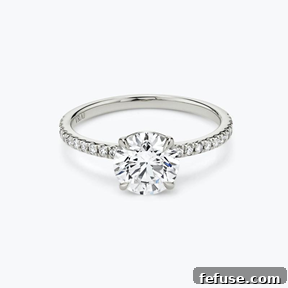
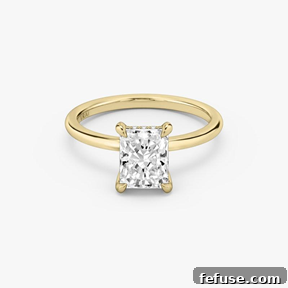
The solitaire engagement ring is perhaps the most iconic and enduring style, known for its singular, dominant center diamond. This design emphasizes the beauty and brilliance of the individual stone, allowing it to take center stage without distraction. Its clean lines and timeless appeal make it a popular choice for those who appreciate understated elegance and classic sophistication. A solitaire setting can be found with various band styles, from sleek and plain to delicately pavé-set, but its defining characteristic remains the single, captivating diamond.
Halo: Maximizing Sparkle and Perceived Size
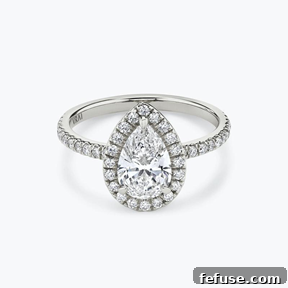
A halo setting features a central diamond encircled by a luminous border of smaller diamonds. This brilliant frame not only enhances the overall sparkle of the ring but also creates the illusion of a larger center stone, making it an excellent choice for those seeking maximum visual impact. Halo rings are renowned for their glamorous appeal and ability to catch the light from every angle, making them a dazzling statement of love.
Hidden Halo: A Subtle Touch of Brilliance
For those who adore the sparkle of a halo but prefer a more refined presentation, the hidden halo offers a delightful compromise. In this design, a delicate halo of diamonds is set beneath the main stone, visible only from the side profile of the ring. It adds an unexpected layer of brilliance and intricate detail, enhancing the center diamond’s light performance without overwhelming its primary focus. This style offers a sophisticated twist on the traditional halo, blending classic elegance with a contemporary secret sparkle.
Cathedral: Architectural Grace and Elevated Presence
Inspired by the grand arches of a cathedral, this setting features graceful metal arches that rise from the band to support the center stone. The cathedral setting elevates the diamond, giving it a majestic and prominent presence on the finger. This architectural design not only provides a secure hold for the diamond but also adds a sense of grandeur and classic sophistication. It’s a style that speaks to those who appreciate intricate detailing and a regal aesthetic.
Three-Stone: Symbolizing Past, Present, and Future
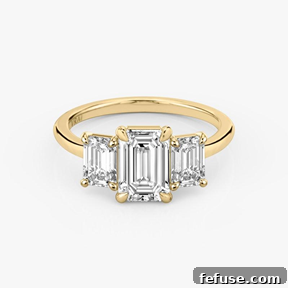
The three-stone engagement ring, also known as a trinity ring, features a central diamond flanked by two slightly smaller diamonds. This meaningful design beautifully symbolizes the journey of a relationship: the past, the present, and the future. It offers a more substantial look than a solitaire, with enhanced sparkle and a profound emotional significance, making it a beloved choice for couples celebrating their enduring love story.
Vintage-Inspired: Echoes of Romantic Eras
Vintage-inspired engagement rings draw their charm from bygone eras, incorporating intricate details, filigree work, milgrain edging, and unique diamond cuts reminiscent of Art Deco, Edwardian, or Victorian styles. These rings often feature elaborate patterns and a romantic aesthetic, appealing to those who cherish history, unique craftsmanship, and a distinctly antique flair. Each vintage-inspired piece tells a story, offering a sense of timeless romance and individuality.
Bezel: Modern Security and Sleek Design
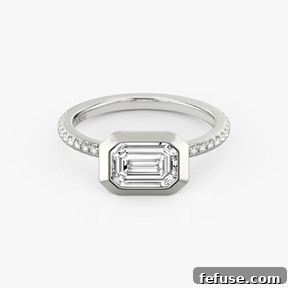
In a bezel setting, the diamond is fully encircled by a thin metal rim that securely holds it in place. This contemporary and highly secure setting offers excellent protection for the diamond, making it ideal for active individuals or those who prefer a low-profile ring. The bezel setting creates a sleek, modern aesthetic and can sometimes make the diamond appear slightly larger, highlighting its shape with a clean, continuous line of metal.
Two-Tone: A Fusion of Metals and Styles
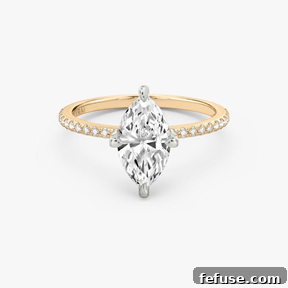
A two-tone engagement ring incorporates two different precious metals within its design, often combining the classic warmth of yellow gold with the bright gleam of white gold or platinum. This innovative style allows for greater personalization and offers a unique visual contrast. It can be used to highlight specific features of the ring, such as a white gold head for a brilliant diamond paired with a yellow gold band, creating a distinctive and versatile look that bridges different aesthetic preferences.
Choosing the Perfect Metal for Your Engagement Ring Band
As the stunning examples of engagement ring styles demonstrate, another crucial decision in designing your ring is selecting the ideal metal for the band. Each metal type possesses a distinctive character and aura, yet all beautifully complement the brilliance of diamonds. The choice of metal not only defines the ring’s aesthetic but also its durability, hypoallergenic properties, and how it will age over time. Common choices for high-quality metals include platinum, yellow gold, white gold, and rose gold. The karat (k) indicated with gold metals refers to their purity, with higher karats signifying a greater percentage of pure gold and influencing both the color and hardness of the metal.
Exploring Metal Options:
Platinum: The Enduring and Hypoallergenic Choice
Platinum is a naturally white, incredibly durable, and dense metal, highly prized for its strength and resistance to tarnish. Its inherent whiteness means it will never fade or change color, providing a brilliant backdrop that enhances a diamond’s sparkle. Platinum is also hypoallergenic, making it an excellent choice for individuals with sensitive skin. While it may be a softer metal in terms of scratch resistance compared to gold alloys, its unique property is that it displaces rather than loses metal when scratched, maintaining its volume over time. Its timeless appeal and luxurious feel make it a favorite for engagement rings.
Yellow Gold: Classic Warmth and Timeless Appeal
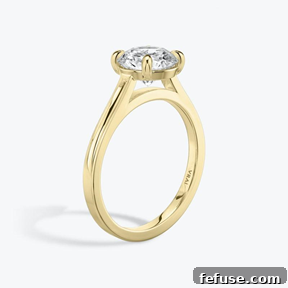
Yellow gold is the most traditional and classic choice for engagement rings, exuding a rich, warm glow that has been cherished for centuries. Its unmistakable luster beautifully complements diamonds and can be particularly striking against certain skin tones. Available in various purities such as 14k, 18k, and 24k, yellow gold’s durability increases with a lower karat number (more alloys). 18k yellow gold offers a perfect balance of rich color and resilience, while 14k provides greater hardness, making it a practical and elegant option.
White Gold: Modern Elegance with a Bright Luster
White gold offers a contemporary and sophisticated alternative to platinum, providing a brilliant, silvery-white appearance that beautifully highlights the clarity and sparkle of diamonds. It is an alloy created by mixing pure gold with white metals like palladium, nickel, or silver, and is then typically plated with rhodium to enhance its whiteness and shine. While rhodium plating may require reapplication every few years to maintain its bright finish, white gold remains a popular choice for its elegant aesthetic and often more accessible price point compared to platinum.
Rose Gold: Romantic Hue and Vintage Charm
Rose gold has surged in popularity for its distinctive romantic hue and vintage charm. This alluring metal is an alloy of pure gold, copper, and sometimes silver, with copper being responsible for its warm, reddish-pink color. The intensity of the rose color can vary depending on the ratio of copper. Rose gold is a durable metal, and its unique warmth complements a wide range of skin tones and diamond styles. It offers a soft, elegant alternative that feels both contemporary and timeless, perfect for those seeking a ring with a unique and romantic character.
Plain Band vs. Diamond-Studded (Pavé) Band: A Matter of Sparkle
As you finalize your band choice, a significant aesthetic decision awaits: whether to opt for a sleek, unadorned band or one embellished with diamonds. Each option offers a distinct visual appeal and contributes differently to the overall character of your engagement ring.
Plain Band: Understated Sophistication
A plain metal band offers a look of classic simplicity and understated elegance. This choice ensures that the central diamond remains the absolute focal point, allowing its beauty and brilliance to shine unimpeded. Plain bands are known for their durability, comfort, and ease of maintenance, as they are less prone to snagging or requiring intricate cleaning. They convey a timeless sophistication and are a perfect choice for those who appreciate clean lines and a minimalist aesthetic, or for individuals with a very active lifestyle who prefer a more robust ring.
Diamond-Studded (Pavé) Band: Enhanced Radiance
Alternatively, a diamond-studded, or pavé, band introduces an exquisite layer of glamour and sparkle. In a pavé setting, tiny diamonds are meticulously set into the band, creating a continuous surface of brilliance that beautifully frames and complements the center stone. This addition of encircling gems amplifies the ring’s overall sparkle and luxurious appeal, catching the light from every angle. Pavé bands come in various styles, such as micro-pavé (featuring extremely small diamonds for a seamless glitter) or French pavé (where the diamonds are set within V-shaped cuts, exposing more of the diamond’s profile). While they offer unparalleled radiance, pavé bands may require a bit more care due to their delicate setting.
How Many Central Diamonds Do You Envision?
Beyond the band and metal, the number of central diamonds in your engagement ring plays a significant role in its design and symbolism. While the solitaire reigns supreme for its singular focus, multi-stone rings offer unique narratives and additional sparkle.
Solitaire: A Singular Statement of Love
A ring featuring a single, focal diamond is the ultimate classic, symbolizing pure and undivided love. The solitaire setting is designed to maximize the brilliance and presence of one exquisite stone, making it the undeniable star of the ring. It’s a timeless choice that emphasizes the inherent beauty and individual character of the chosen diamond.
Two-Stone (Toi et Moi): A Union of Two Souls
The “Toi et Moi” (French for “You and Me”) ring, featuring two prominent central diamonds, is a romantic and increasingly popular choice. This style beautifully symbolizes the intertwining of two souls, representing the partnership and unity of the couple. The two diamonds, often of different shapes or sizes but harmoniously matched, create a distinctive and deeply personal piece, making a statement about shared love and individuality.
Three-Stone: The Narrative of a Relationship
As previously mentioned, three-stone rings carry profound symbolism, representing the past, present, and future of your relationship. With a larger central diamond typically flanked by two slightly smaller stones, this design offers a magnificent display of brilliance and depth. It’s a popular choice for those who appreciate both the aesthetic richness of multiple diamonds and the meaningful narrative they convey, without appearing overly crowded on the band. Any diamond cut can be beautifully incorporated into a multi-stone design.
Beyond Three Stones: Cluster and Accent Designs
While less common as primary engagement rings, some designs incorporate multiple diamonds in cluster settings or use smaller accent stones to enhance a larger central gem. Cluster rings arrange several smaller diamonds closely together to create the illusion of a much larger single stone, offering impressive sparkle and a unique texture. Accent stones can be set along the band or around the main diamond, adding extra brilliance and intricate detail without being considered central diamonds themselves.
Selecting Your Diamond Shape: A Reflection of Personality
Choosing the shape of your diamond(s) is arguably one of the most exciting, yet potentially challenging, decisions when designing your engagement ring. Each diamond shape possesses a distinct personality, fire, and brilliance, making a very different statement. The cut you select should resonate with your personal style and preferences, truly speaking to you. For instance, the captivating sparkle of oval engagement rings evokes a different feeling than the elegant sophistication of marquise engagement rings or the chic appeal of pear-shaped ones. Consider each cut carefully and determine which one best expresses your individuality and the unique bond you share. Your comprehensive options include the ever-popular round, elegant oval, classic emerald, graceful pear, brilliant radiant, soft cushion, distinctive marquise, unique trillion, sophisticated asscher, and modern princess. Below, we showcase examples of VRAI’s exquisite lab-grown diamonds in each of these stunning cuts, providing a visual guide to aid your selection.
Delving into Diamond Shapes:
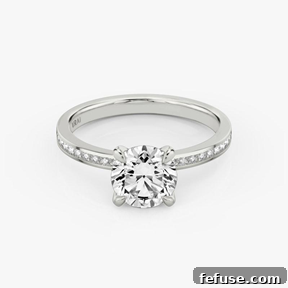
Round Brilliant: The Ultimate in Sparkle
The round brilliant cut is by far the most popular and traditional diamond shape, renowned for its unparalleled fire and brilliance. Its precisely engineered 58 facets are designed to maximize light return, resulting in a dazzling sparkle that is truly breathtaking. This classic shape is versatile, timeless, and universally flattering, making it a perfect choice for those who desire maximum brilliance and a traditional aesthetic.
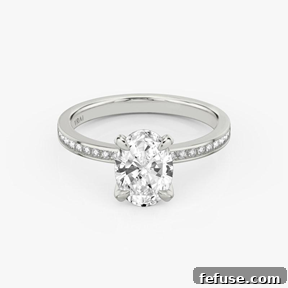
Oval: Elongated Elegance with Modern Appeal
The oval cut diamond offers an elegant, elongated silhouette that beautifully combines the brilliance of a round cut with a unique, slender shape. Its extended form can create the illusion of a larger diamond and can make fingers appear longer and more slender. Oval diamonds are incredibly versatile, pairing well with both vintage and modern settings, and offer a sophisticated sparkle that’s distinctively eye-catching.
Emerald: Sophisticated Clarity and Architectural Lines
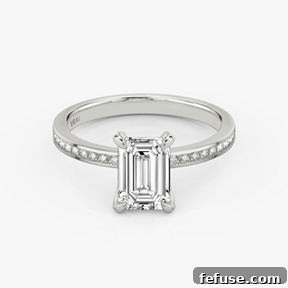
The emerald cut is distinguished by its rectangular shape with stepped facets and clipped corners, creating a unique “hall of mirrors” effect rather than a fiery sparkle. This cut emphasizes the diamond’s clarity and natural transparency, exuding an understated elegance and sophisticated glamour. It’s a favorite among those who appreciate clean lines, architectural beauty, and a refined, vintage-inspired aesthetic.
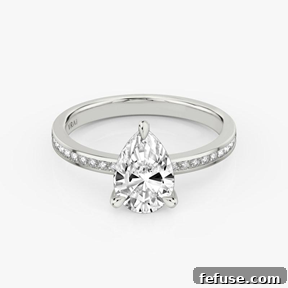
Pear: A Teardrop of Grace and Individuality
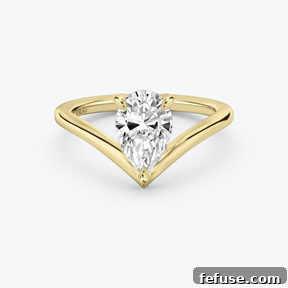
Also known as a teardrop shape, the pear cut combines the rounded softness of an oval with the pointed elegance of a marquise. This distinctive shape offers a unique and graceful appearance, and when worn with the point facing the fingertip, it can elongate the hand. Pear-shaped diamonds are highly versatile and offer a beautiful balance of brilliance and unique style, appealing to those who desire individuality and a touch of romance.
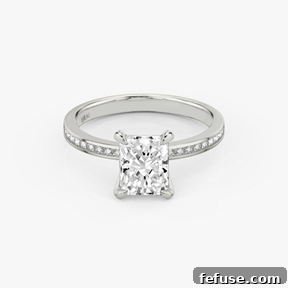
Radiant: A Fusion of Brilliance and Shape
The radiant cut offers a dazzling combination of the brilliance of a round diamond and the elegant lines of an emerald cut. It features numerous facets in both the pavilion and crown, creating an intense sparkle similar to a round brilliant, but within a rectangular or square outline with trimmed corners. The radiant cut is an excellent choice for those who want maximum brilliance in a non-traditional, yet sophisticated shape.
Cushion: Softness with Vintage Charm
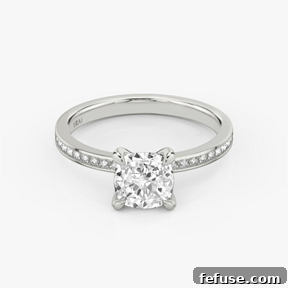
The cushion cut, often referred to as a “pillow cut,” is characterized by its square or rectangular shape with rounded corners and larger facets, which enhance its brilliance. This cut has a rich history and offers a softer, romantic appeal with a beautiful play of light. Cushion cut diamonds come in various facet patterns, from classic chunky facets to modern crushed ice looks, making them versatile for both vintage-inspired and contemporary settings.
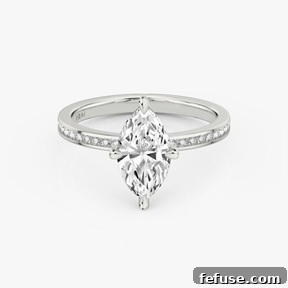
Marquise: Regal and Distinctive
The marquise cut is an elongated, boat-shaped diamond with pointed ends. Legend has it that King Louis XV commissioned a diamond shape to resemble the smile of his mistress, the Marquise de Pompadour. This regal and distinctive cut, also known as the navette (French for “little boat”), maximizes carat weight, making the diamond appear larger than other shapes of the same weight. Its elongated form also creates a flattering effect on the finger, making it appear longer and more slender. It’s perfect for those seeking a unique, dramatic, and elegant statement.
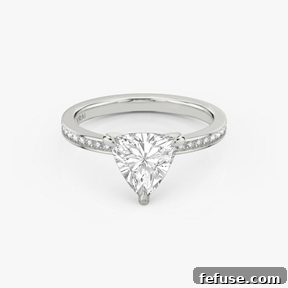
Trillion: Bold and Modern Geometry
The trillion cut is a striking triangular-shaped diamond known for its bold geometry and exceptional brilliance. Often used as side stones to enhance a larger center diamond, it can also stand alone as a unique and modern center stone, especially for those who favor contemporary and avant-garde designs. Its sharp angles and numerous facets create a brilliant sparkle that truly commands attention.
Asscher: Art Deco Sophistication
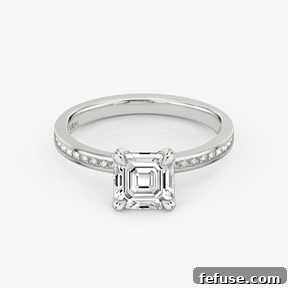
Similar to the emerald cut but typically square, the Asscher cut features large, stepped facets and a high crown that creates a mesmerizing “windmill” effect when viewed from above. Popular during the Art Deco era, this cut exudes vintage sophistication and highlights the diamond’s clarity and symmetry. It’s a unique choice for those who appreciate vintage charm, geometric precision, and an alluring depth within the stone.
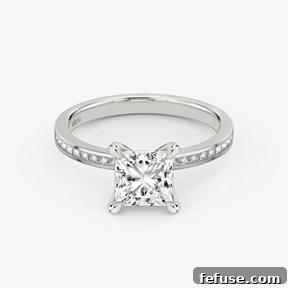
Princess: Contemporary Square Brilliance
The princess cut is a modern square-shaped diamond known for its incredible brilliance, second only to the round brilliant. Its inverted pyramid shape with four beveled sides creates a contemporary and geometric look while offering maximum sparkle. Princess cut diamonds are a popular choice for their modern appeal, versatility in various settings, and ability to conceal inclusions due to their intricate faceting pattern.
Considering the 4 Cs: Carat, Cut, Color, and Clarity
Beyond shape, understanding the universally recognized “4 Cs” of diamonds is essential for making an informed decision. These four factors – Carat, Cut, Color, and Clarity – collectively determine a diamond’s quality and value, allowing you to prioritize what matters most to you within your budget.
Carat: The Weight of Your Diamond
Carat refers to the weight of a diamond, not its size. While a higher carat weight generally means a larger diamond, the actual visual size can vary slightly depending on the diamond’s cut and shape. It’s important to remember that a larger carat doesn’t always equate to a more beautiful diamond; the other Cs play a crucial role in its overall appeal.
Cut: The Sparkle Factor
Often considered the most important of the 4 Cs, the cut refers to how well a diamond’s facets interact with light. A superior cut maximizes a diamond’s brilliance (white light), fire (rainbow flashes), and scintillation (sparkle). This is distinct from the diamond’s shape. A well-cut diamond, regardless of its shape, will appear more vibrant and captivating.
Color: The Absence of Yellow
Diamond color is graded on a scale from D (colorless) to Z (light yellow or brown). The less color a diamond possesses, the higher its grade and value. While truly colorless diamonds (D-F) are rare and highly prized, diamonds in the “near colorless” range (G-J) still appear white to the untrained eye, especially when set in white metals, offering excellent value and beauty.
Clarity: Purity and Flawlessness
Clarity measures the absence of inclusions (internal flaws) and blemishes (external imperfections). Graded from Flawless (FL) to Included (I), most diamonds contain some internal characteristics. Diamonds with clarity grades of VS1 or VS2 (Very Slightly Included) are often “eye-clean,” meaning inclusions are not visible without magnification, making them a popular choice for their balance of quality and value.
Coordinating Your Engagement Ring with a Wedding Band
While the engagement ring takes center stage initially, it’s wise to consider how it will complement your future wedding band. The goal is to find a harmonious pairing that creates a beautiful and comfortable stack on your finger. Many engagement ring designs are created with complementary wedding bands in mind, often from the same collection, ensuring a perfect fit and aesthetic alignment. Factors to consider include matching metals, ensuring the bands sit flush without gaps, and coordinating styles (e.g., a plain engagement band paired with a pavé wedding band, or vice versa). Some choose a contoured wedding band designed to curve around a uniquely shaped engagement ring, while others prefer a simple, straight band that might leave a small gap for a modern look. Thinking about this pairing early can save you time and ensure a cohesive look you’ll love for decades to come.
The Final Sparkle: Your Dream Ring Awaits
The process of determining all the intricate details of your engagement ring is undeniably a significant decision, reflecting not just your style but also the depth of your commitment. However, this unique opportunity to create a custom ring, or to carefully select one that feels custom-made, is the most beautiful way to ensure you wear your dream ring every day for the rest of your life with your cherished loved one. Take your time to consider each factor discussed above – from the overarching style and the chosen metal, to the sparkle of the band, the number of central diamonds, and of course, the captivating shape of your diamond. Each choice weaves together to form a piece that is distinctly yours, a brilliant testament to your personal love story. Happy designing, and may your journey to finding the perfect engagement ring be as joyful and memorable as the love it symbolizes!