
The luxury goods market, historically dominated by new, high-end purchases, has witnessed a transformative shift in recent years. A dynamic and rapidly expanding secondary luxury goods market has emerged, reshaping consumer behavior and offering new avenues for both sellers and buyers. This burgeoning sector is fueled by a growing demographic eager to sell their lightly used designer items, from exquisite clothing to valuable jewelry, for tangible cash, while simultaneously providing an accessible gateway for others to acquire authenticated pre-owned luxury goods at more attainable price points. This circular economy of luxury is not merely a fleeting trend; it represents a significant evolution in how consumers interact with premium brands, driven by factors such as sustainability, financial prudence, and the desire for smart investment.
The RealReal: Pioneering the Luxury Resale Revolution
At the forefront of this luxury resale revolution stands The RealReal, an enterprise that has solidified its position as a leading destination for authenticated pre-owned luxury. For nearly eight years, The RealReal has masterfully tapped into the aspirations of a diverse consumer base – individuals who, perhaps, are not in a position or lack the inclination to purchase a brand-new Hermès Birkin bag, yet are more than willing to invest in one that is in like-new condition, often at a significantly reduced cost. The underlying philosophy, which has proven remarkably successful, revolves around cultivating a virtuous cycle. In this model, the original purchaser of a luxury item, such as a designer handbag, receives a substantial portion of the resale price. This financial return then empowers them to make further luxury purchases, whether it be a new item or another pre-owned piece, which can, in turn, be resold at a later date, perpetuating a sustainable and economically beneficial loop for all parties involved.
The RealReal’s extensive inventory spans a wide array of luxury categories, including high-end fashion, accessories, fine jewelry, watches, and even upscale home decor. This broad appeal, combined with a rigorous authentication process that builds invaluable trust with its clientele, has allowed the company to attract significant investment, totaling nearly $300 million from various investors. Their robust online platform is complemented by a strategic expansion into physical retail, with permanent offline stores in key metropolitan areas like New York and Los Angeles. This omni-channel approach acknowledges the desire of luxury consumers to both browse digitally and experience tangible products, offering a seamless and comprehensive shopping experience that bridges the gap between online convenience and traditional luxury retail.
TrueFacet: Specializing in Pre-Owned Watches and Jewelry with a Unique Approach
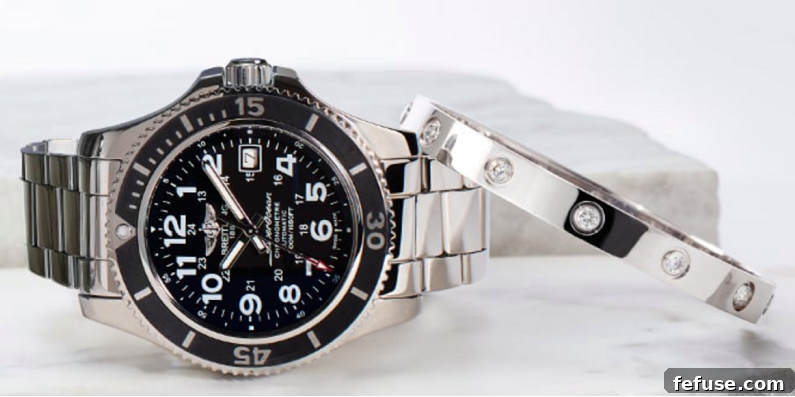
Another prominent beneficiary thriving within this burgeoning luxury resale landscape is TrueFacet. Established five years ago in New York, TrueFacet has carved out a distinct niche for itself by specializing in authenticated pre-owned watches and jewelry. The marketplace boasts an impressive collection, claiming to offer more than 40,000 watches and 55,000 pieces of exquisite pre-owned jewelry for sale on its platform. What truly sets TrueFacet apart, however, is its innovative approach to partnerships. The company has pioneered direct collaborations with prestigious luxury brands such as Fendi Timepieces, Raymond Weil, and Roberto Coin. Through these unique alliances, TrueFacet is able to offer pre-owned timepieces and jewelry directly from the brands themselves, often accompanied by a manufacturer warranty. This unprecedented level of endorsement from original brands significantly elevates consumer confidence, provides an unparalleled layer of authenticity, and establishes a new benchmark for trust in the secondary market for high-value items.
The market’s confidence in TrueFacet’s model is clearly reflected in its successful fundraising efforts. Having previously secured $14.7 million in funding from a consortium of investors, the company appears to be nearing the close of another substantial round, targeting an additional $10 million. Recent SEC filings indicate that TrueFacet has already raised $7 million towards this goal, aiming for a total of $9.8 million. This continued investor interest underscores the robust growth potential perceived within its specialized segment of the luxury resale market. Notable backers of TrueFacet include reputable venture capital firms such as Founders Co-op, Freestyle Capital, and Maveron, with partner Jason Stoffer playing a key role, also serving on the board of Dolls Kill, an innovative marketplace in the edgy clothing sector. These strategic investments not only provide essential capital but also bring invaluable industry expertise and networking opportunities to TrueFacet, further solidifying its position in a competitive environment.
Navigating the Competitive Landscape: Defining Niche and Broad Appeal
Despite its innovative brand partnerships and focused specialization, TrueFacet operates within a highly competitive arena, facing formidable rivals across different facets of the luxury resale market. In the dedicated timepiece segment, it contends with established players like Crown & Caliber, a six-year-old company based in Atlanta, Georgia. Crown & Caliber has successfully built its business without ever publicly announcing external funding, a testament to its operational efficiency and market acceptance solely within the watch resale space. Another significant competitor is the veteran Germany-based Chrono24, a company with an impressive 15-year history, which has secured over €21 million in funding throughout its journey. Both Crown & Caliber and Chrono24 are formidable forces, exclusively focusing their efforts and expertise on the intricate world of luxury watches. Their deep specialization, vast inventories, and strong reputations pose a direct challenge to TrueFacet’s watch offerings.
Beyond specialized timepiece marketplaces, TrueFacet also faces direct competition from broader luxury consignment platforms, most notably The RealReal. As previously mentioned, The RealReal boasts nearly $300 million in investor funding and a far more expansive inventory that encompasses not only jewelry and watches but also designer clothing, handbags, and high-end home decor. While The RealReal does not publicly disclose which of its diverse categories generate the most sales, its sheer scale and comprehensive offering mean it can cater to a wider customer base seeking various luxury items. The competitive landscape thus requires TrueFacet to continuously innovate and leverage its unique strengths, particularly its brand partnerships and specialized expertise in watches and jewelry, to maintain its edge against both niche and broadly-focused rivals.
The Future of Luxury: Blending Digital Convenience with Tangible Experience
An intriguing parallel in the growth trajectories of these leading luxury resale platforms is their shared recognition of the importance of an omni-channel strategy. Much like The RealReal, which has successfully integrated permanent offline stores into its business model, TrueFacet is also strategically venturing into the brick-and-mortar realm, albeit through carefully measured “baby steps.” This move signifies a broader industry trend where the purely digital experience is complemented by opportunities for physical interaction, particularly crucial in the high-stakes world of luxury goods where authenticity, craftsmanship, and tactile experience are paramount.
Earlier this month, TrueFacet announced a significant partnership that underscores this strategic shift: a collaboration with Stephen Silver Fine Jewelry. Stephen Silver is a renowned jeweler with stores in Redwood City and Menlo Park, California, serving an affluent clientele that includes many prominent Bay Area venture capitalists and other key figures from Silicon Valley. Through this partnership, Stephen Silver Fine Jewelry will now also feature and sell select pieces from TrueFacet’s extensive collection. This collaboration offers TrueFacet a valuable physical presence in a high-spending market, allowing potential buyers to inspect high-value watches and jewelry in person, benefit from personalized service, and build a greater sense of trust before making a significant purchase. For TrueFacet, such strategic alliances are not merely about expanding sales channels; they are about enhancing brand credibility, fostering deeper customer relationships, and validating the authenticity of their curated collection in a tangible, luxurious setting.
Conclusion: The Enduring Appeal of the Secondary Luxury Market
The remarkable growth of the secondary luxury goods market is a clear indicator of evolving consumer values and purchasing habits. Companies like The RealReal and TrueFacet are not just marketplaces; they are architects of a more accessible, sustainable, and economically savvy approach to luxury consumption. By offering meticulously authenticated pre-owned items, they democratize access to aspirational brands, empower sellers to recoup value from their investments, and contribute to a more circular economy. The continuous innovation, strategic partnerships, and expansion into omni-channel retail observed within this sector underscore its maturity and immense potential. As consumers increasingly prioritize value, authenticity, and sustainability, the secondary luxury market, spearheaded by pioneering platforms such as TrueFacet and The RealReal, is poised for sustained expansion, cementing its vital role in the global luxury ecosystem for years to come.