
India’s Gem and Jewelry Sector on High Alert: Facing the Looming Threat of US Tariffs
India’s illustrious gem and jewelry industry, a cornerstone of its economy and a significant global player, finds itself in a precarious position. As the United States signals its intent to potentially escalate tariffs, the very foundations of this vibrant sector are being tested. The prospect of increased import duties from its largest export market threatens to exacerbate existing vulnerabilities, potentially unraveling a complex web of trade relations, employment, and economic stability. This looming change, driven by the US administration’s focus on rectifying perceived trade imbalances, has put stakeholders across India on high alert, bracing for a potential paradigm shift that could redefine the future of a multi-billion dollar industry.
Unpacking the Tariff Imbalance: The Core of US-India Trade Tensions
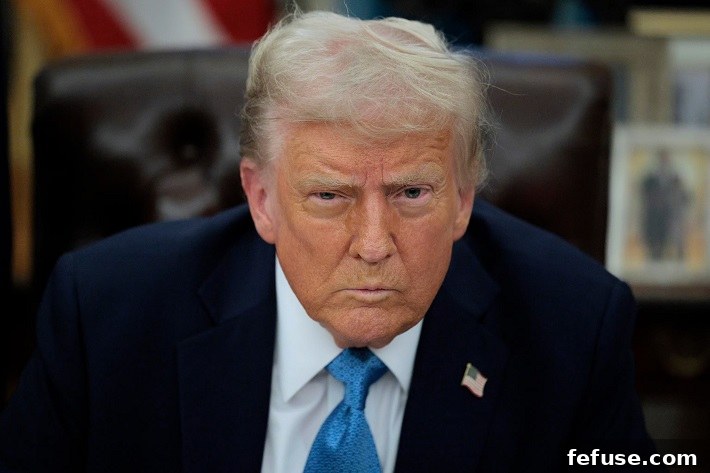
At the heart of the current trade dispute lies a significant disparity in the tariff structures applied by India and the United States. The Trump administration has consistently advocated for what it terms “fair and reciprocal trade,” pushing to close the gap between the import duties imposed by both nations. According to data from the World Trade Organization (WTO), India currently levies an average tariff of approximately 12% on goods imported from the U.S. In stark contrast, American imports from India face a much lower average tariff rate of just 2.2%.
This substantial difference has fueled Washington’s push for adjustments, with strong indications that the U.S. is prepared to retaliate by matching India’s tariff levels. Such a move, potentially taking effect as early as April 2nd, would dramatically alter the landscape for Indian exporters. The rationale from the U.S. perspective is clear: to create a level playing field and ensure that American products do not face disproportionately higher barriers when entering the Indian market compared to Indian products entering the U.S.
Specific Tariff Structures: A Closer Look at the Disparity
To truly grasp the potential impact, it’s essential to examine the specific tariffs applied to key products within the gem and jewelry sector. India’s current tariff regime includes a 5% duty on imported polished diamonds, a crucial component for its vast manufacturing and trading hubs. Furthermore, gold, silver, and platinum jewelry imports into India are subjected to a substantial 20% tax. These duties reflect India’s strategy to protect its domestic industry and manage its balance of payments.
Conversely, the United States offers a significantly more open market for Indian jewelry. Loose diamonds, a primary export for India, face no tariffs at all upon entry into the U.S. For gold jewelry imports from India, the U.S. applies a relatively modest duty ranging from 5.5% to 7%. This stark contrast in tariff rates underscores the current imbalance and explains why the U.S. administration views the situation as ripe for recalibration.
India’s Gem and Jewelry Sector: A Global Powerhouse on the Brink
The Indian gem and jewelry industry is not merely a collection of businesses; it is a global phenomenon. Renowned for its unparalleled craftsmanship, skilled workforce, and intricate supply chains, India has established itself as the world’s largest cutting and polishing center for diamonds and a major hub for jewelry manufacturing. This sector contributes significantly to India’s Gross Domestic Product (GDP), provides employment to millions of people across various skill levels, and is a vital source of foreign exchange earnings for the nation.
The United States represents an indispensable market for this industry. Last year alone, U.S. consumers accounted for more than 30% of India’s total gem and jewelry exports, a staggering figure valued at approximately $11.58 billion, according to data from the International Trade Commission. This deep reliance means that any disruption in trade relations with the U.S. has profound and immediate implications for Indian manufacturers, traders, and artisans. The sheer volume of trade underscores the critical nature of maintaining stable and favorable bilateral ties.
Beyond Tariffs: A Confluence of Challenges Facing the Industry
The potential tariff hike arrives at an already challenging time for India’s gem and jewelry sector. The industry has been grappling with a confluence of adverse factors, creating a perfect storm that threatens its stability. Global demand for luxury goods, including diamonds and jewelry, has experienced stagnation in recent years, influenced by economic uncertainties and shifts in consumer spending habits worldwide. This subdued demand naturally leads to increased competition and downward pressure on prices, squeezing profit margins for manufacturers and exporters.
Adding another layer of complexity is the growing competition from lab-grown diamonds. These ethically sourced and often more affordable alternatives are increasingly gaining market share, posing a significant challenge to the traditional mined diamond sector that forms the bedrock of India’s industry. While offering new avenues for growth, the rapid rise of lab-grown diamonds also necessitates significant adaptation and strategic shifts from traditional players. When compounded by the sudden shock of increased U.S. tariffs, these existing headwinds could create an insurmountable obstacle for many businesses, jeopardizing their long-term viability and the livelihoods they support.
The Cascade of Economic Fallout: Jobs, Livelihoods, and Industry Survival
The consequences of a U.S. tariff increase on Indian gem and jewelry exports could be devastating, extending far beyond trade statistics to impact real people and communities. A sudden escalation in import duties would inevitably make Indian products more expensive and less competitive in the crucial American market. This price disadvantage would likely lead to a significant decline in export orders, directly impacting manufacturing units across India, particularly in major hubs like Surat, Mumbai, and Jaipur.
The ripple effect would be immediate and severe. Reduced orders translate directly into decreased production, forcing manufacturers to scale back operations. This could manifest as significant job losses, affecting thousands of skilled artisans, cutters, polishers, designers, and support staff who rely on the industry for their livelihoods. Many small and medium-sized enterprises (SMEs), which form the backbone of the sector, operate on thin margins and might not withstand the financial strain of reduced exports and increased operational costs. Forced shutdowns of manufacturing units would not only result in mass unemployment but also lead to a loss of invaluable traditional skills and craftsmanship developed over generations.
Industry Leaders Speak Out: Urgent Calls for Strategic Intervention
The gravity of the situation has prompted urgent calls for action from industry leaders. Adil Kotwal, president of the SEEPZ Gems & Jewellery Manufacturers’ Association, voiced profound concern, emphasizing the immediate threat to human capital. “A sudden tariff hike could severely impact exports, putting thousands of livelihoods at risk,” Kotwal stated. He urged the Indian government to engage proactively, proposing two key strategies: either negotiate a more equitable tariff structure with the U.S. to prevent the hike or, as an alternative, consider unilaterally reducing India’s own import duties on U.S. jewelry. The latter approach aims to create a more balanced system and potentially preempt reciprocal action from Washington, demonstrating India’s commitment to fair trade.
Kirit Bhansali, chairman of the Gem and Jewellery Export Promotion Council (GJEPC), echoed these warnings, specifically highlighting the vulnerability of India’s key export categories. He cautioned that potential tariff changes would hit studded gold jewelry and polished diamonds particularly hard, these being major revenue generators for the industry. “If the U.S. implements a reciprocal tariff policy, it will have a significant impact on India’s exports, especially on cut and polished diamonds,” Bhansali asserted. Furthermore, he revealed ongoing discussions with U.S. counterparts, appealing to them to lobby their own government. Bhansali stressed the mutual dependence, pointing out that both American retailers and jobs within the U.S. economy rely heavily on consistent and affordable supplies from India. This collaborative appeal underscores the interconnectedness of the global jewelry supply chain.
Navigating the Future: India’s Strategic Options and Global Trade Dynamics
As the deadline for potential tariff implementation rapidly approaches, India faces a critical juncture that demands strategic thinking and decisive action. The government has several options to explore, ranging from robust diplomatic engagement to potential domestic policy adjustments. Engaging in high-level negotiations with the U.S. administration to articulate the severe repercussions of such tariffs on India’s economy and its workforce is paramount. Highlighting the mutual benefits of a stable trade relationship and the potential harm to U.S. consumers and businesses could be a powerful negotiating point.
Beyond direct negotiations, India could consider diversifying its export markets to reduce its over-reliance on any single country. Exploring new and emerging markets in Asia, the Middle East, and Europe could provide long-term resilience against such trade shocks. Domestically, the government might also look into measures to enhance the competitiveness of its gem and jewelry sector, such as providing incentives for technological upgrades, promoting design innovation, and supporting skill development programs to adapt to evolving global demands, including the rise of lab-grown diamonds. The broader context of U.S. trade policy, which has seen shifts under different administrations, also suggests that ongoing dialogue and a long-term strategic approach are essential.
The Interconnected Supply Chain: Why US Retailers Also Stand to Lose
The arguments put forth by Indian industry leaders regarding the mutual dependence between the two nations are not without merit. The global supply chain for diamonds and jewelry is intricately linked, with India playing an indispensable role as the world’s primary processing hub. Raw diamonds from various mining regions travel to India for cutting and polishing, before being integrated into jewelry designs that are then exported worldwide, including to the U.S.
Should tariffs be imposed, American retailers would face increased costs for finished jewelry and polished diamonds sourced from India. These higher costs could either be absorbed, reducing profit margins, or passed on to consumers, making diamond jewelry more expensive in the U.S. This scenario could lead to reduced consumer demand, ultimately hurting U.S. retailers and potentially leading to job losses within their own sales and marketing teams. The appeal from Indian industry bodies to their U.S. counterparts highlights this shared vulnerability, emphasizing that protectionist measures can have unintended and detrimental consequences on both sides of a deeply integrated trade relationship.
Conclusion: A Critical Juncture for India’s Precious Trade
The coming weeks are poised to be a defining period for India’s gem and jewelry sector. The potential imposition of higher U.S. tariffs represents a significant test of its resilience and adaptability. While the industry has historically navigated various challenges, the current confluence of global demand stagnation, increasing competition from lab-grown diamonds, and the imminent threat of trade protectionism from its largest market creates an unprecedented level of uncertainty. The decisions made by both the Indian and U.S. governments in the near future will not only determine the immediate fate of thousands of businesses and livelihoods but also shape the long-term trajectory of one of India’s most iconic and economically vital industries. The stakes are undeniably high, calling for judicious diplomacy, strategic planning, and a deep understanding of the intricate interdependencies that define modern global trade.