
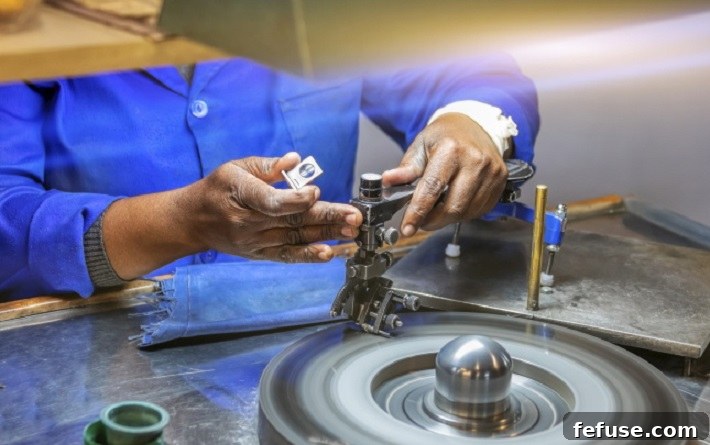
Surat’s Diamond Industry Faces Unprecedented Challenges: Extended Vacations and Layoffs Amid Global Economic Pressures
The vibrant diamond manufacturing hub of Surat, India, renowned globally for its intricate craftsmanship and significant contribution to the world’s polished diamond supply, is currently navigating a period of intense uncertainty and economic strain. Recent reports indicate a concerning trend: manufacturers are extending their traditional summer vacations, a clear signal of the severe headwinds impacting the industry. This unusual pause is a direct response to a confluence of global factors, including a looming recession, shifts in consumer behavior marked by boycotts of Russian goods, and persistent geopolitical tensions.
For decades, Surat has stood as the undisputed epicenter of diamond processing, transforming rough stones into dazzling gems that adorn jewelry worldwide. Its intricate network of cutting and polishing units, employing millions, forms the backbone of not just the local economy but also a significant portion of India’s export revenue. However, the current landscape presents a complex challenge that threatens to disrupt this established rhythm, forcing businesses to adopt drastic measures to stay afloat.
The Global Economic Slowdown: A Ripple Effect on Luxury Demand
A primary driver behind Surat’s current predicament is the pervasive fear of a global economic recession. Across key consumer markets in the US and Europe, inflationary pressures, rising interest rates, and general economic anxieties are prompting consumers to tighten their belts. Luxury goods, including diamonds, are often among the first expenditures to be curtailed during such periods. This downturn in discretionary spending directly translates into sluggish demand for polished diamonds, leaving Surat’s manufacturers with burgeoning inventories and dwindling orders.
The industry is experiencing a noticeable deceleration, compelling many units to implement difficult decisions. Layoffs have become a stark reality for numerous employees, while others face reduced working hours. The extension of summer vacations, traditionally a brief respite, is now being strategically utilized by manufacturers to prevent overproduction and manage existing stock levels. It’s a calculated move to balance supply with the dramatically reduced demand, preventing a further glut in the market that could depress prices even more.
The Russian Factor: Boycotts and Supply Chain Uncertainty
Compounding the recessionary pressures is the complex issue surrounding Russian diamonds. Following geopolitical developments, many consumers and retailers in the US and Europe have initiated boycotts of goods perceived to be of Russian origin. While direct sanctions on all Russian diamonds have been selective, the voluntary refusal by a significant segment of the market creates a substantial void. Russia, particularly through its state-owned mining giant Alrosa, is a major global supplier of rough diamonds, a significant portion of which historically makes its way to Surat for processing.
The ethical sourcing movement, already gaining traction before recent events, has amplified consumer scrutiny regarding the provenance of diamonds. Brands are increasingly being pressed to ensure their supply chains are free from any association with conflict or controversial sources. This has led to a cautious approach among international buyers, who are hesitant to procure diamonds that might be perceived as having Russian ties, even if processed in other countries like India. This consumer sentiment, though complex to navigate, significantly impacts demand for Surat’s output, given its historical reliance on Russian rough diamonds.
Adding to the uncertainty are concerns that the G7 and European Union countries, which have thus far refrained from comprehensive sanctions on all Russian diamond imports, may soon decide to implement such measures. Should this occur, it would undoubtedly send further shockwaves through the global diamond supply chain, directly impacting Surat’s access to rough materials and its ability to sell polished stones to major markets. Manufacturers are keenly watching these geopolitical developments, understanding that any escalation could drastically alter their operating environment.
Voices from the Industry: A Glimpse into the Reality
Industry leaders and worker representatives alike are vocalizing their concerns about the deepening crisis. Hitesh Patel, managing director of Dharmanandan Diamonds, articulated the widespread response, stating, “Many companies have decided to go on an extended vacation. Our company has also decided to go on a vacation from May 10 till about May 20, which we do every year. We may extend it by a few days.” This sentiment reflects a pragmatic, albeit challenging, approach by businesses striving to weather the storm.
However, the human cost of this slowdown is profound. Bhavesh Tank, vice-president of the Diamond Workers’ Union Gujarat (DWUG), painted a stark picture of the immediate impact on the workforce. He claimed a staggering 10,000 layoffs had occurred in Surat over the last two months alone. These figures underscore the severe strain on the livelihoods of skilled workers, many of whom are migrant laborers supporting families in their home villages. The ripple effect extends beyond the diamond units, impacting local businesses, housing, and the overall social fabric of Surat.
Strategic Responses: Managing Inventory and Sustaining Operations
In response to slow demand, the decision to extend vacations and reduce working hours is a critical strategy to manage inventory. Overproduction in a declining market can lead to price crashes, eroding profit margins and causing significant financial losses. By temporarily curbing output, manufacturers aim to allow existing stock to clear, stabilize prices, and prevent further financial distress. This approach, while necessary, places immense pressure on cash flow, especially for smaller and medium-sized enterprises (SMEs) that may not have deep financial reserves to withstand prolonged periods of inactivity.
The challenge for these businesses is multifaceted: how to maintain skilled labor, manage overheads, and plan for future recovery amidst such uncertainty. Many are exploring various avenues, from optimizing internal processes to seeking government support, but the immediate priority remains mitigating losses and ensuring survival.
Building Resilience: Pathways for a Challenging Future
The current crisis serves as a wake-up call for Surat’s diamond industry, highlighting the urgent need for strategic adaptability and long-term vision. To build resilience against future shocks, several pathways can be explored:
Diversification of Sourcing and Markets
Reducing over-reliance on a single source of rough diamonds or a limited set of consumer markets could be crucial. Exploring new mining regions and cultivating emerging markets for polished diamonds can provide greater stability. This involves diplomatic efforts and establishing new trade relationships to ensure a diverse supply chain.
Embracing Technology and Efficiency
Investment in advanced cutting, polishing, and grading technologies can enhance efficiency, reduce costs, and improve the quality of output. Automation and data analytics can help manufacturers optimize production schedules and respond more agilely to market shifts. This can also lead to more sustainable manufacturing practices, appealing to a new generation of environmentally conscious consumers.
The Imperative of Ethical Sourcing and Transparency
The industry must double down on efforts to ensure complete transparency and traceability throughout the supply chain. Implementing robust ethical sourcing protocols, verifiable certifications, and consumer-facing assurances can help rebuild trust and differentiate diamonds from questionable origins. This not only addresses consumer concerns but also aligns the industry with global best practices in responsible business.
Government and Industry Support
Coordinated efforts between industry associations, the Indian government, and international bodies are essential. This could include financial support packages for struggling businesses, retraining programs for laid-off workers, and diplomatic initiatives to navigate trade complexities, especially concerning sanctions and boycotts. Advocating for clear, consistent international policies on diamond trade can also provide much-needed certainty.
Conclusion: A Call for Adaptability and Vision
The Surat diamond industry stands at a critical juncture. While the immediate future presents formidable challenges, including extended vacations, significant layoffs, and geopolitical uncertainties, it also offers an opportunity for introspection and transformation. By embracing diversification, technological innovation, ethical practices, and strong stakeholder collaboration, Surat can not only overcome its current hurdles but also emerge stronger, more resilient, and better positioned to thrive in an ever-evolving global market. The ingenuity and hard work that built this industry will undoubtedly be key to navigating these turbulent waters and ensuring its enduring legacy.