
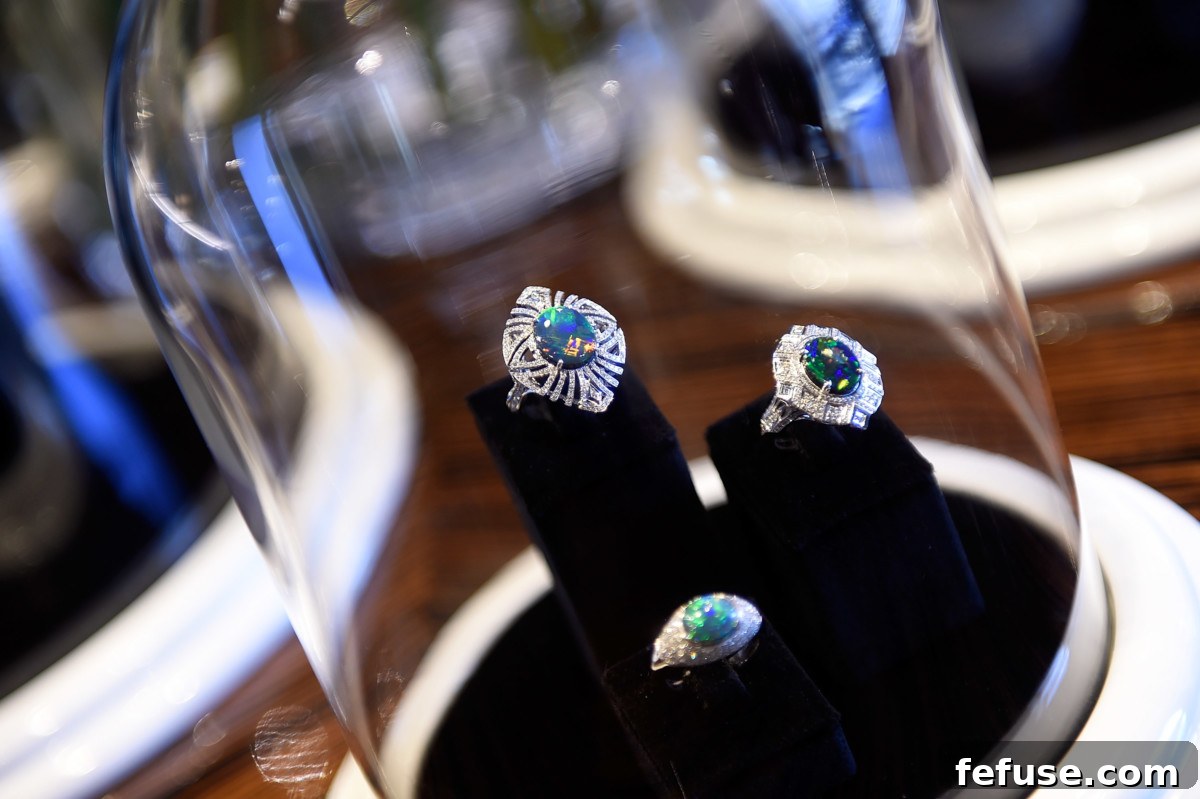
Jewellery Shines: Overtaking Classic Cars as a Top Luxury Investment
In a significant shift within the high-stakes world of luxury assets, fine jewellery has captivated investors over classic automobiles in the past twelve months. This compelling trend has been brought to light by the latest report from the Knight Frank Luxury Investment Index (KFLII), a definitive benchmark for tracking the performance of ten distinct luxury investment sectors.
For years, classic cars held a dominant position at the pinnacle of KFLII rankings, embodying both passion and substantial financial growth. However, recent data indicates a notable recalibration of investor interest. Classic cars have now gracefully moved into the sixth spot, making way for other highly coveted assets. Leading this charge, according to the KFLII, are fine wine and, most notably, exquisite jewellery, which have surged ahead, reflecting changing market dynamics and evolving investor preferences.
The Ascent of Jewellery as a Premier Investment Asset
The allure of jewellery as an investment is not a fleeting phenomenon but a trajectory of sustained growth. Over the last decade, jewellery has demonstrated an impressive increase in value, soaring by a remarkable 142%. More recently, within the last twelve months, the sector’s prices have continued their upward trajectory, rising by a solid 4%. This consistent appreciation underscores jewellery’s dual appeal: its intrinsic beauty and its robust capability as a store of wealth.
While historically, pearls have been the star performers in the jewellery sector, boasting an astounding 282% growth across the past decade, their meteoric rise appears to be showing signs of stabilization. This shift in momentum has paved the way for other categories to shine. A burgeoning interest is now firmly focused on more modern jewellery, particularly exquisite pieces from the Belle Époque and Art Deco eras. These distinct periods, celebrated for their unique aesthetics, exceptional craftsmanship, and historical significance, are increasingly setting the pace, having seen a notable 93% increase in value over the last ten years.
Understanding the Appeal of Historical and Contemporary Pieces
Jean Ghika, the esteemed head of Bonhams’ jewellery team, sheds light on the specific market trends influencing this renewed interest. “There is a current trend for jewels from the post-war era, where the emphasis is on design, quality, and workmanship,” Ghika explains. These pieces often stand out due to their uniqueness or limited availability, making them particularly attractive to discerning collectors. Beyond their investment potential, their inherent wearability and distinctive character further amplify their desirability. They offer a unique blend of historical provenance and contemporary relevance, making them versatile additions to any collection.
Ghika further articulates a profound transformation in how jewellery is perceived: “Historically, jewellery has been a form of wearable adornment, but it is now increasingly being considered an art form in its own right.” This re-evaluation elevates jewellery beyond mere ornamentation, positioning it alongside other fine arts. This perspective resonates strongly with collectors who approach jewellery acquisition with the same thoughtful curation and passion they might apply to building a collection of contemporary art. Modern and contemporary jewellery designers are increasingly catering to this sophisticated collector base, crafting pieces that are not only beautiful but also embody artistic vision and innovative techniques.
The Irresistible Lure of Coloured Gemstones
The past year has been exceptionally vibrant for coloured gemstones, marked by record-breaking sales that underscore their soaring value and desirability. A prime example of this phenomenon was the setting of a new world record for the price per carat for a green gem. The magnificent 18.04-carat ‘Rockefeller’ emerald captivated bidders at auction, ultimately selling for an astonishing $5.5 million. This sale highlighted the extraordinary value placed on rare, high-quality emeralds, particularly those with exceptional clarity, colour saturation, and impressive provenance.
Beyond emeralds, blue stones continue to command significant attention and set the benchmark for price growth within the diamond market. Data from the Fancy Color Research Foundation (FCRF) reveals that blue diamonds have seen an impressive rise of 5.5% over the past twelve months. This robust performance is particularly noteworthy when contrasted with a slight dip in the value of pink diamonds during the same period. The rarity, intense colour, and exceptional beauty of blue diamonds ensure their continued status as highly sought-after investment pieces, often fetching stratospheric prices at auction and private sales.
What Drives the Value of Coloured Diamonds?
The valuation of coloured diamonds, particularly rare hues like blue, pink, and green, is a complex interplay of several critical factors. Rarity is paramount; natural fancy coloured diamonds are incredibly scarce, with blue and pink being among the rarest. The intensity and purity of the colour (hue, tone, and saturation) are also crucial. A vibrant, strong colour will command a much higher price than a faint one. Carat weight, clarity, and cut, while important, often take a secondary role to the exceptionality of the colour itself. Furthermore, the stone’s provenance – its history of ownership, famous previous owners, or its origin – can significantly add to its allure and value. The FCRF’s meticulous tracking provides essential insights into these market dynamics, guiding both investors and collectors.
Navigating the Broader Luxury Investment Landscape
Andrew Shirley, the insightful compiler of the KFLII, offers a nuanced perspective on the current state of luxury investments. “It has been an interesting year so far in the world of luxury investments, but one that is difficult to generalise about,” Shirley comments. This observation highlights the multifaceted nature of the market, where different sectors and even specific items within those sectors can behave distinctly. While the most highly coveted objects of desire consistently perform strongly at auction, demonstrating their enduring appeal and scarcity, buyers, on the other hand, remain circumspect when acquiring new assets for their collections. This cautious approach suggests a discerning market, where provenance, condition, rarity, and intrinsic value are scrutinised more closely than ever before.
This dynamic market environment underscores the importance of expert advice and thorough due diligence when considering luxury investments. The market is not monolithic; rather, it is characterized by segments that exhibit varying degrees of volatility and stability. Assets with strong historical performance, established rarity, and undeniable artistic merit tend to withstand market fluctuations more effectively. Investors are increasingly seeking assets that offer both aesthetic pleasure and tangible financial security.
Jewellery: A Blend of Passion and Prudence
Shirley’s commentary beautifully encapsulates the unique position of jewellery in the luxury investment sphere: “Jewellery continues to capture the imagination of wealthy collectors and is a genuine investment of passion – offering not only great pleasure to its owner, but also, as novelist Barbara Taylor Bradford points out, acting as a highly mobile store of wealth.” This statement resonates deeply with the core appeal of fine jewellery. It is not merely a financial instrument; it is an object of beauty, a symbol of personal expression, and often, a carrier of sentiment and history.
The concept of jewellery as a “highly mobile store of wealth” is particularly pertinent in an increasingly globalized and sometimes uncertain economic landscape. Unlike real estate or large art pieces, jewellery is compact, easily transportable, and globally recognized for its value. This liquidity and portability make it an attractive option for wealth preservation, offering flexibility and security that few other luxury assets can match. Whether passed down through generations, worn as a statement piece, or held purely for its investment potential, jewellery offers a unique combination of aesthetic enjoyment and financial prudence.
Conclusion: The Enduring Allure of Fine Jewellery
The latest KFLII report unequivocally positions fine jewellery as a formidable contender in the luxury investment arena, having definitively surpassed classic cars in recent performance. This resurgence is driven by a confluence of factors: its consistent appreciation in value, the burgeoning interest in historically significant pieces from the Belle Époque and Art Deco periods, and the record-breaking prices commanded by exceptional coloured gemstones like the Rockefeller emerald and rare blue diamonds. The market’s evolving perception of jewellery as a legitimate art form further solidifies its status, attracting collectors who value design, craftsmanship, and provenance as highly as its inherent material worth.
In an investment landscape marked by both exciting opportunities and cautious sentiment, jewellery stands out as an asset that transcends mere financial returns. It embodies a blend of passion, beauty, history, and unparalleled portability, making it a compelling choice for discerning investors and collectors worldwide. As a tangible asset capable of offering both immense personal pleasure and strategic financial security, the future of jewellery as a luxury investment appears brighter than ever, promising continued sparkle in the portfolios of the astute.