
The Ultimate Guide to Dropshipping: Launching Your E-commerce Business with Minimal Risk
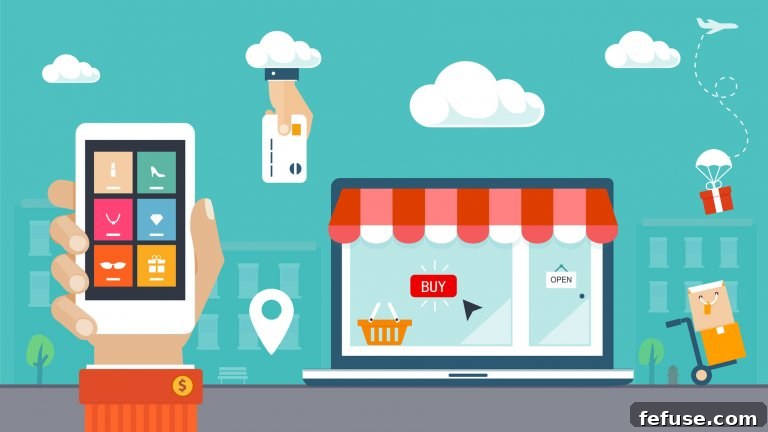
In the rapidly evolving landscape of online retail, dropshipping has emerged as a groundbreaking supply chain management method that redefines traditional commerce. Unlike conventional retail, where merchants must purchase, store, and manage inventory, dropshipping allows entrepreneurs to sell products without ever holding stock themselves. Instead, when a customer places an order, the retailer simply transfers the order details and shipment information to a third-party supplier – be it a manufacturer, another retailer, or a wholesaler. This supplier then takes on the responsibility of packaging and shipping the goods directly from their warehouse to the customer’s doorstep. This innovative model has democratized e-commerce, making it accessible to a much broader audience of aspiring business owners.
The core principle behind dropshipping is the strategic partnership between a retailer and a wholesale dropshipper or supplier. This collaboration offers the retailer the unprecedented ability to list and sell products without the upfront financial commitment of buying inventory. By leveraging a dropshipping service provider, retailers are effectively shielded from several traditional business burdens, thereby streamlining their operations significantly. These crucial benefits include:
- Storing items: Eliminates the need for costly warehouse space and complex inventory management systems.
- Packaging and shipping items: Removes the logistical headache of fulfilling orders, freeing up valuable time.
- Risking capital on inventory: Mitigates financial risk by ensuring products are only purchased once a sale has been confirmed and paid for by the customer.
When you engage with a wholesaler offering dropshipping services, they typically incorporate a service fee or a slightly higher product price to cover their operational costs associated with warehousing, packing, and shipping. This fee is a small price to pay for the immense flexibility and reduced risk that the dropshipping model offers to the retailer.
How Does the Dropshipping Model Function? A Step-by-Step Overview for Entrepreneurs
Understanding the operational flow of dropshipping is crucial for anyone looking to enter this dynamic field. While seemingly complex, the process is streamlined to empower the retailer to focus primarily on marketing and customer engagement. Here’s a detailed breakdown of how the dropshipping mechanism works:
-
Selecting Your Niche and Products: The Foundation of Your Store
The journey begins with meticulous market research. You must identify a profitable niche and select products that resonate with your target audience. This involves analyzing market demand, competitor offerings, and potential profit margins. Once a niche is identified, you then choose reliable dropshipping vendors or suppliers who can provide the desired products. Vetting suppliers based on their product quality, shipping times, and customer service is paramount, as their performance directly reflects on your brand. A carefully curated product catalog from trusted sources forms the backbone of your dropshipping business.
-
Strategizing Your Profit Margins: Pricing for Success
After selecting your products, the next critical step is to determine your selling price. This involves marking up the wholesale cost you pay the supplier to achieve your desired profit margin. Your pricing strategy should consider various factors, including the supplier’s cost, shipping fees, your advertising expenses, and competitive pricing in the market. A well-calculated profit margin ensures the sustainability and growth of your business while remaining attractive to customers. It’s a delicate balance between profitability and market competitiveness.
-
Marketing and Advertising Your Products: Reaching Your Audience
With your products listed and priced, your primary role as a dropshipper shifts to marketing. This involves creating compelling product listings on your e-commerce store, engaging in digital advertising campaigns (e.g., social media ads, search engine marketing), and optimizing your store for search engines (SEO). The goal is to drive targeted traffic to your online store and convert visitors into paying customers. Effective marketing is the engine that fuels sales in a dropshipping business, making it a continuous and iterative process of optimization.
-
Customer Orders and Payment Processing: The Transaction Flow
When a customer visits your online store, finds a product they like, and decides to purchase, they initiate the payment process. Your e-commerce platform securely processes this payment, and an order is officially placed. At this point, you, as the retailer, have received the customer’s payment, covering both the product cost and your profit margin. This is the moment your capital is secured, enabling you to proceed without financial risk.
-
Supplier Fulfilment and Direct Shipping: Seamless Delivery
Upon receiving the customer’s order and payment, you then forward the order details and the customer’s shipping information to your chosen dropshipping supplier. Crucially, you pay the supplier their wholesale price for the product. The supplier then takes over, retrieving the item from their inventory, carefully packaging it, and dispatching it directly to your customer. The customer receives the product as if it came directly from your brand, creating a seamless and professional experience.
-
Managing Payments and Your Profits: Closing the Loop
Once the supplier has shipped the product, your financial transaction with them is complete. The difference between the price the customer paid you and the price you paid the supplier (minus any advertising or platform fees) constitutes your gross profit. You keep this margin, effectively completing the dropshipping cycle. This lean financial model allows for quick cash flow and continuous reinvestment into your marketing efforts or product expansion.
Why Embark on a Dropshipping Venture? Unpacking the Key Advantages for Modern Entrepreneurs
The appeal of dropshipping extends beyond its simple operational model; it offers a multitude of compelling advantages that make it an attractive option for both nascent and seasoned entrepreneurs. These benefits significantly lower the barriers to entry in the competitive e-commerce landscape.
-
Low Startup Costs: Entry into E-commerce Made Accessible
One of the most significant advantages of dropshipping is the remarkably low initial investment required. Unlike traditional retail, you are not obligated to purchase inventory upfront. You only buy a product from your supplier after a customer has already paid you for it. This eliminates the need for substantial capital investments in stock, making it possible to launch a profitable e-commerce business with minimal financial risk. This accessibility empowers individuals with limited funds to become online merchants.
-
Effortless Launch and Management: Simplifying Operations
Dropshipping dramatically simplifies the operational complexities typically associated with an e-commerce business. You are relieved from numerous time-consuming and costly tasks, allowing you to focus on core business growth. Specifically, you don’t have to worry about:
- Managing or paying for warehouse facilities: No rent, utilities, or staff for storage.
- Packing and shipping your orders: The supplier handles all logistical aspects from packaging to dispatch.
- Tracking physical inventory for accounting reasons: Inventory management becomes the supplier’s responsibility.
- Handling returns and inbound shipments: While you manage customer service for returns, the physical processing is often handled by the supplier.
- Continually ordering products and managing stock levels: Suppliers manage their own inventory, reducing your administrative burden.
This operational simplicity makes dropshipping an ideal model for first-time entrepreneurs.
-
Minimal Overhead Expenses: Maximizing Your Bottom Line
Following from the low startup costs, your ongoing overhead expenses in a dropshipping business are inherently low. Since you don’t need to purchase or store inventory, or manage a physical warehouse, you avoid significant fixed costs. Your primary expenses will typically revolve around your e-commerce platform subscription, marketing expenditures, and potentially some operational software. This lean cost structure means a higher percentage of your revenue can translate into profit, improving your overall financial efficiency.
-
Unparalleled Location Independence: Work from Anywhere
The beauty of dropshipping lies in its complete location independence. As long as you have a reliable internet connection and can effectively communicate with your suppliers and customers, you can operate and manage your business from virtually any corner of the globe. This flexibility offers a remarkable lifestyle benefit, allowing entrepreneurs to travel, work from home, or even manage their business while pursuing other endeavors. It truly embodies the spirit of the modern digital nomad.
-
Vast Product Selection: Curate an Extensive Catalog
Since you don’t pre-purchase any inventory, you have the freedom to offer an incredibly diverse and extensive range of products to your potential customers. This allows you to quickly test new product ideas, enter emerging niches, and adapt to changing market trends without accumulating dead stock. You can continuously expand your catalog, diversify your offerings, and respond agilely to customer demand, giving your business a competitive edge.
-
Exceptional Scalability Potential: Grow Without Limits
Dropshipping is inherently designed for high scalability. As your business grows and order volumes increase, your dropshipping suppliers are equipped to handle the increased operational workload. They manage the additional processing, packaging, and shipping, allowing you to scale your business with fewer growing pains and significantly less incremental work on your part. Your focus remains on expanding your marketing reach and enhancing customer experience, rather than getting bogged down by logistical bottlenecks.
-
Test New Products with Zero Risk: Agile Market Exploration
Beyond offering a vast selection, dropshipping provides an invaluable opportunity to test new product lines and market niches without any financial commitment to inventory. You can list new items, gauge customer interest, and analyze sales data before making any larger investments. This agile approach minimizes risk and allows you to quickly identify winning products and pivot away from underperforming ones, maximizing your potential for success.
-
Focus on Marketing and Customer Experience: Your Core Competencies
By offloading the complexities of inventory management, warehousing, and shipping to your suppliers, dropshipping empowers you to dedicate the majority of your time and resources to the most crucial aspects of an e-commerce business: marketing, sales, and customer service. Excelling in these areas is what truly differentiates a successful dropshipper, allowing you to build a strong brand identity and foster customer loyalty.
Navigating the Challenges: What to Consider Before Dropshipping
While dropshipping offers numerous advantages, it’s essential to approach it with a clear understanding of its inherent challenges. Being aware of these potential pitfalls allows you to develop strategies to mitigate them effectively and build a resilient business.
-
Limited Control Over Product Quality and Logistics: A Shared Responsibility
One of the primary drawbacks is the lack of direct control over product quality, branding, and the entire shipping process. Since the products are handled and shipped by a third-party supplier, you rely heavily on their standards. Issues with product defects, incorrect items, or delayed deliveries can directly impact your brand reputation and customer satisfaction, despite not being directly your fault. Mitigating this requires thorough supplier vetting and maintaining open communication channels.
-
Potentially Lower Profit Margins: Strategies for Optimization
Compared to buying products in bulk at deep wholesale discounts, dropshipping typically yields lower profit margins on individual sales. Suppliers charge a slightly higher per-unit price for dropshipping services because they are handling the logistics for single orders. To combat this, dropshippers often need to rely on high sales volumes, strategic pricing, or adding value through exceptional marketing and customer service to make their business profitable.
-
Risk of Supplier Stockouts: Maintaining Inventory Awareness
You are dependent on your supplier’s inventory levels. If a popular product goes out of stock with your supplier, but you’ve already sold it to a customer, it can lead to frustrating cancellations, delays, and dissatisfied customers. Managing this risk often involves working with multiple suppliers for the same product or maintaining real-time inventory synchronization with your suppliers, which can be technologically complex.
-
Complexities of Returns and Refunds: Crafting a Seamless Process
While suppliers handle the physical return, managing the customer service aspect of returns and refunds can be logistically challenging and impact your profits. Discrepancies in return policies between you and your suppliers, coupled with potential restocking fees, can complicate the process and diminish customer satisfaction. Clear, concise, and fair return policies are crucial, along with efficient communication with both the customer and the supplier.
-
Intense Market Competition: Standing Out in the Crowd
The low barrier to entry for dropshipping means the market is often saturated with numerous competitors selling similar products. This fierce competition can drive down prices and make it challenging to acquire customers profitability. Success in this environment requires innovative marketing, unique product offerings, exceptional customer service, and strong brand building to differentiate yourself.
-
Reliance on Supplier Performance: Building Strong Partnerships
Your business’s reputation is intrinsically tied to the performance of your suppliers. Poor communication, inconsistent quality, or unreliable shipping from your supplier can severely damage your brand. Building strong, reliable relationships with trusted suppliers is not just an advantage; it’s a fundamental requirement for long-term success in dropshipping.
Who Can Benefit Most from Dropshipping?
Dropshipping is an ideal business model for a diverse range of individuals and entities. It particularly suits aspiring entrepreneurs with limited capital who wish to test the waters of e-commerce without significant financial exposure. Small businesses looking to expand their product offerings without the burden of inventory management, or those seeking to enter new market niches with minimal risk, will also find dropshipping highly advantageous. Furthermore, digital nomads and individuals seeking a flexible, location-independent income stream can leverage dropshipping to build a global business from anywhere with an internet connection. It’s also an excellent choice for experienced marketers who want to channel their skills into selling products without getting involved in the logistical complexities of physical goods.
Keys to Success in the Dropshipping World: Strategies for Growth
While challenges exist, strategic planning and execution can pave the way for a highly successful dropshipping venture. Focusing on these key areas will significantly increase your chances of thriving:
-
Finding Reliable Suppliers: This is arguably the most critical factor. Invest time in researching and vetting suppliers. Look for those with a proven track record of quality products, fast and reliable shipping, excellent communication, and fair return policies. Consider using supplier directories or platforms that integrate directly with your e-commerce store.
-
Exceptional Customer Service: In a competitive market, outstanding customer service can be your primary differentiator. Be responsive, empathetic, and proactive in addressing customer inquiries, issues, and feedback. A positive customer experience encourages repeat business and word-of-mouth referrals.
-
Effective Marketing Strategies: Master digital marketing. This includes search engine optimization (SEO) to rank higher in search results, social media marketing to build brand awareness and engage with your audience, and paid advertising (e.g., Google Ads, Facebook Ads) to drive targeted traffic. Understand your target audience and tailor your marketing messages accordingly.
-
Niche Market Selection: Instead of trying to appeal to everyone, focus on a specific niche. This allows you to tailor your product selection, marketing efforts, and branding to a highly targeted audience, reducing competition and increasing conversion rates. Deep understanding of your niche’s pain points and desires is key.
-
Product Research and Trend Spotting: Continuously research new and trending products that align with your niche. Tools for product research can help identify items with high demand and good profit potential. Staying ahead of trends allows you to offer fresh, desirable products that captivate your audience.
-
Building a Strong Brand Identity: While you don’t control the physical product, you control the customer’s experience on your website, your branding, and your communication. Develop a unique brand voice, professional website design, and consistent messaging to stand out and build trust.
Conclusion: Is Dropshipping the Right Path for Your E-commerce Dreams?
Dropshipping presents an unparalleled opportunity for entrepreneurs to enter the e-commerce space with minimal financial risk and operational overhead. Its advantages, such as low startup costs, vast product selection, and location independence, make it an attractive model for many. However, success is not guaranteed and requires a strategic approach to overcome challenges like lower margins, supplier dependency, and intense competition. By focusing on finding reliable suppliers, delivering exceptional customer service, implementing effective marketing, and carefully selecting a niche, aspiring dropshippers can build a sustainable and profitable online business. If you are ready to dedicate yourself to building an online presence and mastering the art of digital marketing, dropshipping offers a compelling pathway to achieving your entrepreneurial ambitions in the dynamic world of e-commerce.