
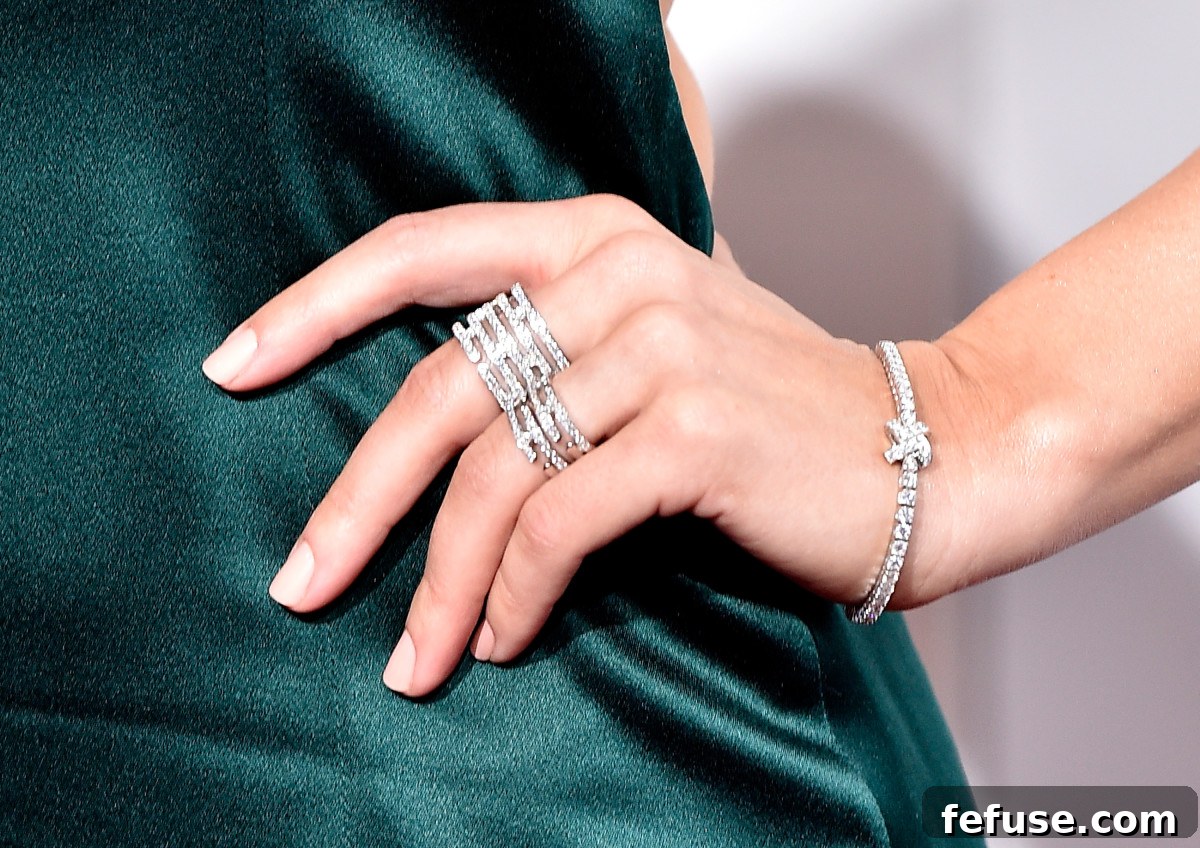
The Shifting Landscape of Luxury: How Millennials and Gen Z Are Reshaping the Global Diamond Industry
The global diamond jewellery market is experiencing a profound transformation, driven largely by the evolving preferences and purchasing power of younger generations. In 2017, these influential consumer groups propelled global diamond jewellery demand to an unprecedented record high of US$82 billion. This remarkable surge wasn’t fueled by traditional buyers alone, but by the combined might of millennials and Generation Z, who collectively accounted for a significant two-thirds of all diamond jewellery sales worldwide.
This seismic shift, meticulously documented by the De Beers Group in its authoritative Diamond Insight Report, highlights a crucial pivot point for the luxury sector. Understanding the unique values, digital habits, and consumption patterns of these demographic titans is no longer merely advantageous; it is absolutely essential for the sustained growth and innovation within the diamond industry.
A New Era of Diamond Consumption: Millennials and Gen Z Take Center Stage
Millennials, generally defined as those aged between 21 and 39 in 2017, represent not only a substantial segment of the world’s population – approximately 29% – but also the current dominant force in diamond consumption. Their impact is staggering, with this generation alone driving nearly 60% of all diamond jewellery demand in the United States and an even more impressive almost 80% in the burgeoning Chinese market during 2017. These figures underscore a clear message: the millennial generation is not just buying diamonds; they are dictating the terms of engagement for the entire industry.
The Economic Clout and Unique Values of Younger Generations
The rise of millennials as the primary diamond consumers can be attributed to several factors. As they reach peak earning potential and significant life milestones – such as marriage, career achievements, and personal celebrations – their capacity for luxury purchases naturally increases. However, their motivations extend beyond mere affluence. Millennials are characterized by a strong desire for authenticity, individuality, and experiences over material possessions. They seek products that tell a story, reflect their personal values, and offer a sense of uniqueness. For the diamond industry, this means an emphasis on provenance, ethical sourcing, and personalized designs that resonate with their self-expressive tendencies.
Gen Z: The Next Wave of Diamond Enthusiasts
Looking further ahead, Generation Z, comprising individuals aged up to 20 in 2017, looms even larger on the horizon. This demographic powerhouse constitutes a staggering 35% of the world’s population, promising an even greater future impact on the luxury market. While many in Gen Z are still years away from achieving full financial maturity, their presence in the diamond market is already palpable. Intriguingly, the oldest members of Gen Z, those aged 18 to 20, were responsible for acquiring 5% of all diamond jewellery pieces sold in the US just last year. This early adoption signals a strong inherent appeal for diamonds within this generation, suggesting that as they come into their own economically over the coming decades, they will further solidify their role as critical consumers.
Gen Z shares many values with millennials but amplifies certain aspects, such as a heightened awareness of social and environmental issues, a deep-seated digital fluency, and an unparalleled expectation for transparency and ethical practices from brands. Their purchasing decisions are often influenced by peer recommendations, social media trends, and a brand’s perceived commitment to social responsibility. For diamond retailers, this necessitates not only a robust online presence but also a compelling narrative around ethical sourcing and sustainable practices.
Record-Breaking Demand Paves the Way for Future Growth
The achievement of a record US$82 billion in global diamond jewellery demand in 2017 serves as a powerful testament to the enduring allure of diamonds. This figure isn’t just a number; it represents the culmination of successful industry efforts to connect with consumers and the inherent value people place on these precious stones. It highlights the diamond industry’s resilience and its ability to adapt to economic fluctuations and evolving consumer tastes. Despite shifting societal norms and technological advancements, the fundamental human desire to mark significant moments and express deep emotions with something rare and beautiful remains unwavering.
Bruce Cleaver, the Chief Executive Officer of De Beers Group, eloquently articulated this potential, stating, “The younger generations present wide-ranging opportunities for the diamond industry with the significant size and purchasing power of today’s millennials and tomorrow’s Gen Z consumers.” He underscored that while these generations desire diamonds just as much as their predecessors, the “new dynamics at play” require the industry to rethink its approach. This includes innovative product designs, fresh interpretations of love and celebration, and diverse research and purchasing methods tailored to modern lifestyles.
Evolving Values: What Drives Modern Diamond Consumers?
The core challenge and opportunity for the diamond industry lie in understanding and aligning with the distinct values of millennials and Gen Z. These generations are not merely buying a product; they are investing in symbols that resonate with their personal philosophies and life experiences.
Beyond Tradition: New Expressions of Love and Milestones
Traditionally, diamonds have been synonymous with romantic engagements. While this cornerstone market remains vital, younger consumers are expanding the definition of when and why diamonds are acquired. They are increasingly purchasing diamonds to celebrate personal achievements, mark significant friendships, commemorate self-love, or simply as a form of self-gifting. The concept of “new expressions of love” extends to celebrating diverse relationships and marking personal milestones that go beyond conventional rites of passage. This shift opens up new market segments for diamond jewellery, moving from solely romantic declarations to broader acknowledgments of personal journeys and modern relationships.
The Digital Pathway: Research, Discovery, and Purchase
Millennials and Gen Z are digital natives. Their journey from initial interest to final purchase is heavily influenced by online platforms, social media, and digital content. They conduct extensive online research, read reviews, compare prices, and seek out brands with strong digital presences and compelling online storytelling. This demands that the diamond industry not only maintains an impactful online footprint but also offers seamless e-commerce experiences, virtual try-ons, and engaging content that educates and inspires. Social media, in particular, has become a powerful discovery tool and a platform for showcasing personal style and diamond choices, influencing purchasing decisions significantly.
Authenticity, Uniqueness, and Social Impact: The Core Desires
The younger generations place immense value on authenticity. This translates into a demand for transparency regarding a diamond’s origin, its journey from mine to market, and the ethical practices involved in its production. Uniqueness is another paramount desire; consumers are seeking personalized pieces, custom designs, and diamonds that stand out. This could mean bespoke settings, unique cuts, or even a growing interest in ethically sourced natural diamonds or responsibly produced lab-grown alternatives that offer a distinct narrative.
Crucially, positive social impact is no longer a niche concern but a mainstream expectation. Consumers want to know that their purchases contribute positively to communities and the environment. This includes assurances of conflict-free diamonds, fair labor practices, and sustainable mining operations. Brands that can effectively communicate their commitment to these values will gain a significant competitive edge.
Adapting for Tomorrow: Industry Strategies for Sustained Success
To capitalize on these unparalleled opportunities, the diamond industry must proactively align its proposition with the nuanced needs and values of millennials and Gen Z. This adaptation involves a multi-faceted approach encompassing product development, marketing, and ethical practices.
Innovation in Design and Product Offerings
The demand for “different product designs” means moving beyond traditional solitaires to embrace contemporary aesthetics, versatility, and personalization. This could involve modular jewellery, gender-fluid designs, pieces suitable for everyday wear, or collaborations with influential designers. The industry needs to foster creativity and offer a wider range of styles that reflect the diverse tastes and lifestyles of modern consumers.
Transparency and Ethical Sourcing: A Non-Negotiable
As Bruce Cleaver highlighted, the desire for “positive social impact” is critical. The industry must enhance its efforts in ethical sourcing, supply chain transparency, and community development. Brands that can provide clear, verifiable information about a diamond’s journey, its ethical credentials, and its contribution to local communities will build trust and loyalty with these discerning generations. This includes leveraging technologies like blockchain for traceability and actively promoting sustainable practices throughout the value chain.
Engaging Through Digital Storytelling and Personalized Experiences
Effective marketing to millennials and Gen Z requires authentic storytelling that resonates with their values. Brands must move beyond traditional advertising to create compelling narratives about the beauty, heritage, and positive impact of diamonds. This involves utilizing digital channels, influencer marketing, and personalized customer experiences, both online and in physical stores. Offering customization options, virtual consultations, and immersive brand experiences can significantly enhance engagement and drive sales.
The Bright Future of Diamonds: Opportunities Abound
The insights from the De Beers Group unequivocally demonstrate that the most exciting times for the diamond industry are not in the past, but truly ahead. The immense purchasing power and unique value systems of millennials and Gen Z present a vibrant landscape of opportunities. By embracing innovation, prioritizing transparency, and genuinely connecting with the aspirations of these younger consumers, the industry can ensure that diamonds continue to be cherished symbols of love, connection, authenticity, and uniqueness for generations to come.
The future of diamonds lies in their ability to adapt and evolve, to symbolize not just traditional romance, but a broader spectrum of human emotion and achievement in an increasingly complex world. By seizing these opportunities, the diamond industry is poised not just for growth, but for a renewed relevance and a deeper connection with the consumers of today and tomorrow.
News Source : professionaljeweller.com