
Global Diamond Market Navigates Mixed Signals and Emerging Trends
The global diamond market experienced a period of complex adjustments and varied performances in the early part of the year. As the industry prepared for significant events like the Hong Kong International Jewellery Show, underlying market dynamics revealed a landscape of both cautious sentiment and nascent optimism. This detailed analysis delves into the intricate factors shaping the diamond trade, from polished and rough diamond trends to the pivotal roles of key consumer markets and evolving geopolitical influences.
Polished Diamond Performance: A Segmented Landscape
February saw a nuanced performance in the polished diamond sector, where market segmentation became increasingly evident. Smaller diamonds, particularly those below 0.50 carats, demonstrated robust demand and pricing resilience. This trend suggests a consumer preference for more accessible luxury or a strategic shift by retailers towards lower price points amidst economic uncertainties. The RapNet Diamond Index (RAPI™) for 0.30-carat polished diamonds notably ascended by 3.5% during the month. This significant uplift is primarily attributed to two critical factors: a noticeable decline in global supply over the preceding year and a resurgence of demand from the Chinese market, which began to stir from its prolonged dormancy.
Conversely, the trajectory for larger stones presented a different picture. RAPI for 1-carat diamonds experienced a slight dip of 0.1% in February, culminating in a more substantial year-on-year decline of 21.7%. This considerable drop underscores the pressures faced by the market for higher-value items, including potential oversupply in certain segments and a more cautious approach from high-net-worth consumers. Within the 1-carat RAPI category, demand for very, very slightly included (VVS) clarity diamonds provided a crucial counterweight, mitigating some of the weakness observed in the very slightly included (VS) category. However, goods falling into the slightly included (SI) clarity grades witnessed sharp declines, reflecting a discernible stratification in consumer willingness to compromise on clarity for larger stones.
Understanding these distinct performances is vital for stakeholders across the diamond supply chain. The strength in smaller diamonds often signals a broad-based demand, potentially driven by engagement rings, everyday luxury, or fashion jewelry. The struggles of larger diamonds, conversely, can indicate economic headwinds impacting discretionary spending at the higher end, or a market adjusting to previous periods of oversupply. These diverging trends necessitate adaptive strategies for manufacturers, wholesalers, and retailers alike, focusing on optimizing inventory and catering to specific market niches.
North American Market: Caution Amidst Resilience
The United States, a perennial powerhouse in diamond consumption, approached the market with a degree of caution. Lingering economic uncertainty, fueled by concerns over inflation, interest rate hikes, and broader economic stability, led many dealers to adopt a prudent stance. Retail jewelers, typically active in inventory replenishment during the first quarter to prepare for spring and summer sales, showed restraint. This cautious approach suggests a desire to manage cash flow tightly and avoid accumulating excess stock in an unpredictable economic climate, potentially impacting future polished diamond imports.
Despite this overarching hesitancy, signs of consumer resilience emerged. Valentine’s Day shopping provided a notable boost, with US jewelry sales increasing by a healthy 6.5% year-on-year in January, according to data from Mastercard. This surge, although concentrated around a specific gifting holiday, demonstrates that consumers are still willing to invest in meaningful luxury purchases, particularly for special occasions. The challenge for the industry lies in translating this intermittent demand into sustained purchasing behavior throughout the year. It also highlights the strategic importance of key retail periods and effective marketing campaigns to capitalize on these moments of heightened consumer spending.
The US market remains a critical bellwether for the global diamond industry. Its performance influences wholesale demand, pricing strategies, and ultimately, rough diamond purchasing. Monitoring consumer confidence levels, macroeconomic indicators, and retail sales data will be paramount for predicting future trends and adjusting supply chain operations accordingly. The delicate balance between cautious inventory management and capitalizing on periods of strong consumer demand will define the success of diamond businesses in this vital region.
The Eastern Resurgence: China’s Reopening and Asian Dynamics
The spotlight in the diamond market has unequivocally shifted towards the Far East, following China’s momentous decision to lift its stringent Covid-19 restrictions and fully reopen its borders. This policy pivot, after years of isolation, has ignited hopes for a substantial rebound in consumer spending across the luxury sector, including diamonds. While the immediate resumption of pre-pandemic spending levels has been gradual, jewelers and analysts alike anticipate a significant release of pent-up demand in the coming months. Chinese consumers, known for their affinity for luxury goods, are expected to fuel a considerable portion of this recovery, impacting global supply chains and pricing.
The Hong Kong International Jewellery Show, held from March 1 to 5, served as a crucial early test for this anticipated resurgence. Many suppliers entered the event with high hopes, particularly looking to engage Chinese buyers and clear existing inventories of specific categories, notably 1-carat and larger goods. To stimulate transactions, attractive discounts were widely offered, aimed at encouraging purchases, reducing excess stock, and improving liquidity for manufacturers and wholesalers. However, despite these efforts and the optimistic backdrop of China’s reopening, many exhibitors expressed disappointment with the overall outcome of the show. This mixed reaction suggests that while demand is indeed returning, it might be doing so at a slower pace or with greater price sensitivity than initially hoped, requiring the market to recalibrate its expectations for the pace of recovery.
The Asian market, with China at its epicenter, is poised to become the primary engine of growth for the diamond industry in the short to medium term. The success of this resurgence will hinge on several factors: the continued recovery of the Chinese economy, the return of outbound tourism, and the ability of the industry to adapt its offerings and pricing to the evolving preferences of Asian consumers. As confidence builds and economic activity accelerates, the Far East is expected to not only absorb current excess inventory but also drive future demand for both polished and rough diamonds.
Rough Diamond Market: Supply Constraints and Geopolitical Shifts
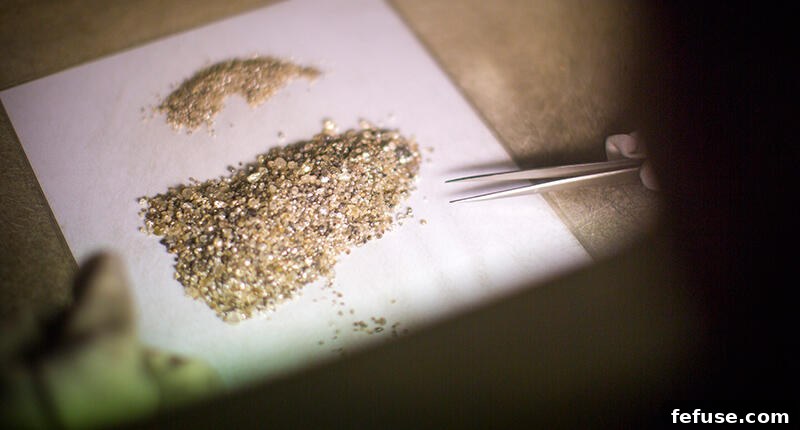
The rough diamond market maintained a steady but complex trajectory in February. A key driver of this stability, paradoxically, was the ongoing reduction in supply from Alrosa, a major Russian mining company. The decreased availability of Russian-origin rough diamonds has created noticeable shortages in certain categories, particularly impacting manufacturers reliant on specific types of rough for their polished production. This scarcity has, in turn, supported rough diamond prices, preventing a broader downturn despite mixed signals in the polished market.
In anticipation of improved demand in the second half of the year, particularly from a recovering China, factories have begun the gradual process of increasing polished production. This strategic move reflects a cautious optimism among manufacturers, who are balancing current market realities with future potential. De Beers, another industry titan, has responded to the specific dynamics of the rough market by raising prices on small rough diamonds for the second consecutive month. This consistent increase signals robust underlying demand for smaller rough stones, echoing the strength seen in the polished market for comparable sizes. Prices also saw an uptick at recent auctions, further underscoring the scarcity and consistent demand for certain rough diamond categories.
Adding another layer of complexity to the rough diamond landscape are the impending new sanctions that the G7 nations intend to impose on Russian-origin diamonds. These sanctions, driven by geopolitical considerations, are expected to significantly alter global sourcing patterns. By restricting access to Russian supply, the sanctions will inevitably stimulate demand for non-Russian diamonds, potentially creating a premium for ethically sourced and verifiable goods from other origins. This development will accelerate the industry’s shift towards greater transparency and traceability, compelling suppliers and retailers to adapt their supply chains to meet evolving regulatory and consumer expectations. The long-term implications for rough diamond pricing, sourcing geographies, and industry certification standards are profound.
Outlook: Navigating Towards Future Growth
February concluded with a mixed sentiment prevailing across the global diamond trade. While the immediate challenges of economic uncertainty in the West and a slower-than-expected recovery in the East were palpable, underlying currents suggest a path towards improvement. The industry anticipates that polished trading will gain momentum as Chinese buyers progressively regain confidence and as the US retail sector potentially builds on its moments of resilience. The careful navigation of inventory levels, strategic pricing, and targeted marketing efforts will be critical in harnessing this anticipated growth.
The road ahead for the diamond industry is undoubtedly paved with both opportunities and challenges. Factors such as persistent global economic headwinds, shifts in consumer purchasing behavior, and the increasing importance of ethical sourcing and sustainability will continue to shape the market. However, with adaptive strategies, a focus on innovation, and a keen understanding of regional nuances, the diamond industry is well-positioned to leverage emerging demand and navigate towards a period of sustained growth. The coming months will be crucial in determining the pace and scale of this anticipated market resurgence, particularly as the ripple effects of China’s reopening and geopolitical shifts fully manifest.