
Gold Shines Bright: Global Demand Surges on Robust Investment in Q2 2025
The global gold market witnessed a significant uplift in the second quarter of 2025, with overall demand climbing 3% year-on-year to reach an impressive 1,248.8 metric tons. This notable increase, as reported by the esteemed World Gold Council (WGC), was predominantly fueled by a dramatic surge in investment activity. In an environment characterized by persistent macroeconomic uncertainties and geopolitical flux, gold solidified its enduring reputation as a premier safe-haven asset, attracting capital seeking stability and value preservation. The remarkable 78% increase in investment demand successfully counterbalanced weaknesses observed in other traditional segments, underscoring the precious metal’s pivotal role in diversified portfolios during turbulent times.
Investment Fuels Gold’s Ascent: A Deep Dive into Market Dynamics
The allure of gold was starkly reflected in its price performance. Spot gold prices experienced a robust rally, appreciating by an impressive 26% since the beginning of the year. This upward momentum culminated in April, when gold briefly touched an unprecedented all-time high of $3,500 per troy ounce. This historic price point signaled strong market confidence and heightened investor interest. The primary catalysts behind this flight to gold were multifaceted market uncertainties. Unstable global trade dynamics, marked by ongoing tariff disputes and supply chain disruptions, coupled with escalating geopolitical tensions across various regions, collectively pushed investors towards gold-backed financial products and physical holdings. These factors created an urgent need for assets that could provide a reliable hedge against inflation, currency devaluation, and broader economic instability, making gold an indispensable component of investment strategies.
Preferred Investment Vehicles: Bars, Coins, and ETFs
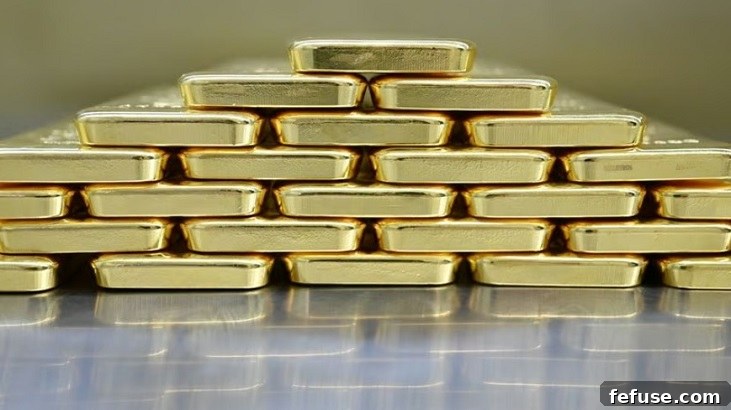
Within the diverse spectrum of gold investment vehicles, demand patterns varied, highlighting distinct investor preferences. Gold bars, favored for their direct ownership and tangible nature, saw a healthy 21% increase in demand during Q2 2025. This surge suggests a preference among a segment of investors for physical possession, perceiving it as the ultimate form of security. Conversely, interest in gold coins continued its downward trajectory, potentially due to factors such as higher premiums, liquidity considerations, or storage complexities compared to bars or electronic alternatives. However, the standout performer in the investment arena was physically backed gold Exchange Traded Funds (ETFs). These instruments recorded their strongest half-year inflows since early 2020, signaling a robust appetite among institutional and individual investors for easily tradable, professionally managed gold exposure. The appeal of gold ETFs lies in their convenience, liquidity, and cost-effectiveness, offering a gateway to the gold market without the logistical challenges of physical storage. This strong showing reinforces gold’s appeal as a critical hedge amid persistent broader market anxiety, including fears of economic slowdowns and inflationary pressures.
Challenges in Physical Demand: Jewellery and Central Bank Purchases
While investment demand soared, the physical demand landscape presented a contrasting narrative, underscoring the price sensitivity of certain market segments. Global jewellery consumption, traditionally the largest component of physical gold use, experienced a notable decline of 14% to 341 tons. This marked its weakest level since Q3 2020, primarily due to the elevated gold prices deterring buyers. In price-sensitive markets like India and China, which historically account for a significant portion of global jewellery demand, consumers exhibited caution. The combined share of these two giants in global jewellery demand dipped below 50% for only the third time in five years, illustrating the direct impact of high gold prices on consumer purchasing power and sentiment. Cultural factors, though strong, were momentarily overshadowed by economic realities, with consumers either postponing purchases or opting for lighter, less expensive items.
Central Bank Gold Buying: A Shift in Momentum
Central bank gold buying, a crucial component of overall demand in recent years, also showed signs of losing momentum in Q2 2025. Official purchases totaled 166.5 tons, representing a 21% year-on-year decline. The World Gold Council clarified that this figure incorporates estimates of unreported buying, acknowledging the opacity of some sovereign transactions. Despite the quarterly slowdown, the WGC maintained that the long-term strategic move by central banks away from U.S. dollar assets in favor of gold remains firmly intact. This strategic diversification is driven by a desire to de-risk reserves, hedge against currency fluctuations, and assert greater financial independence in an increasingly multipolar world. Although the WGC revised its full-year forecast for central bank purchases downward, the underlying rationale for holding gold as a key reserve asset continues to be strong, reflecting ongoing geopolitical shifts and economic uncertainties that necessitate robust and diversified national reserves.
Supply Side Dynamics: Recycling and Market Response
On the supply front, gold recycling played an increasingly important role, growing by 4% to 347.2 tons. However, despite the backdrop of record-high gold prices, overall recycling activity remained relatively muted compared to its potential. This subdued response can be attributed to various factors, including consumer behavior and economic conditions in key recycling hubs. In India, a dominant player in the gold market and a significant recycling hub, consumers demonstrated a stronger inclination to trade in their old jewellery for new designs rather than outright selling it. Furthermore, many chose to use their existing gold as collateral for loans, leveraging its value in times of need without fully divesting. This behavior highlights the cultural and financial significance of gold as a tangible asset that can be utilized for various purposes beyond simple sale, impacting the elasticity of supply even in a high-price environment. Mine production, while not detailed in this report, typically offers a steadier, but less responsive, contribution to the overall supply, with new projects requiring significant lead times.
Future Outlook: Sustained Investment and Easing Retail Interest
Looking ahead, the World Gold Council’s analysis provides valuable insights into the potential trajectory of the gold market. The WGC anticipates further upside for gold ETFs in the second half of 2025, suggesting continued institutional and sophisticated investor interest in easily accessible gold exposure. This forecast is underpinned by the expectation that many of the same macroeconomic and geopolitical uncertainties that drove demand in Q2 will persist. However, the report also projects that retail investment could ease slightly as gold prices remain elevated. High prices, while attractive to existing holders, can act as a barrier to entry for new retail investors, particularly those in price-sensitive markets. This dynamic suggests a potential divergence in investor behavior, with large-scale professional investors likely to continue leveraging gold’s strategic benefits, while individual retail consumers might exercise greater caution. The overall sentiment, however, remains bullish for gold as a long-term strategic asset, driven by its unparalleled ability to act as a hedge against inflation, currency volatility, and geopolitical risks, making it an indispensable asset in the current global economic climate.
Conclusion: Gold’s Enduring Appeal in a Volatile World
The second quarter of 2025 painted a clear picture of gold’s enduring appeal and its critical function as a safe-haven asset. Despite challenges in traditional physical demand sectors like jewellery and a temporary slowdown in central bank buying, the overwhelming force of investment demand propelled global gold consumption upward. The rally in spot gold prices to historic highs underscores a collective investor belief in gold’s ability to preserve wealth and provide stability amidst pervasive global market uncertainty, fluctuating trade dynamics, and persistent geopolitical tensions. As the global economic landscape continues to evolve, characterized by inflationary pressures, interest rate debates, and an uncertain geopolitical future, gold is poised to maintain its strategic importance. Its unique attributes as a store of value, a hedge against systemic risk, and a diversifier make it an indispensable asset for investors and central banks navigating the complexities of the 21st-century financial world. The WGC’s forward-looking statements reinforce that while immediate market dynamics may fluctuate, gold’s fundamental role in global finance is set to remain strong, driven by sustained investment interest and its intrinsic value in safeguarding capital against an unpredictable future.