
The global silver market is witnessing dynamic shifts, with India emerging as an undisputed powerhouse in both silver jewellery production and industrial silver consumption. This pivotal role is meticulously detailed in the freshly unveiled World Silver Survey 2025 by the esteemed Silver Institute, a report that paints a vibrant picture of an industry undergoing significant transformation. The survey highlights an unprecedented surge in industrial silver demand throughout 2024, a monumental rise propelled largely by the accelerating adoption of green technologies and the explosive growth of artificial intelligence (AI)-related industries. India’s strategic importance in this evolving landscape cannot be overstated, positioning the nation at the forefront of global silver dynamics.
Indeed, the year 2024 marked a historic milestone for industrial silver, with total global demand soaring to an astonishing all-time high of 680.5 million ounces (Moz). This record-breaking figure underscores silver’s indispensable role in modern technological advancements. Within this global surge, India demonstrated remarkable prowess, registering a robust 4% increase in its industrial consumption. This growth rate places India second only to China, a testament to its rapidly expanding manufacturing ecosystem and its deepening integration into global supply chains. The demand drivers are multifaceted, ranging from a burgeoning electronics sector and automotive manufacturing to the foundational components required for next-generation computing and renewable energy infrastructure. India’s ability to consistently ramp up its industrial silver intake reflects a broader trend of industrial modernization and a strategic focus on high-tech manufacturing capabilities, solidifying its status as a critical player in the global technology landscape.
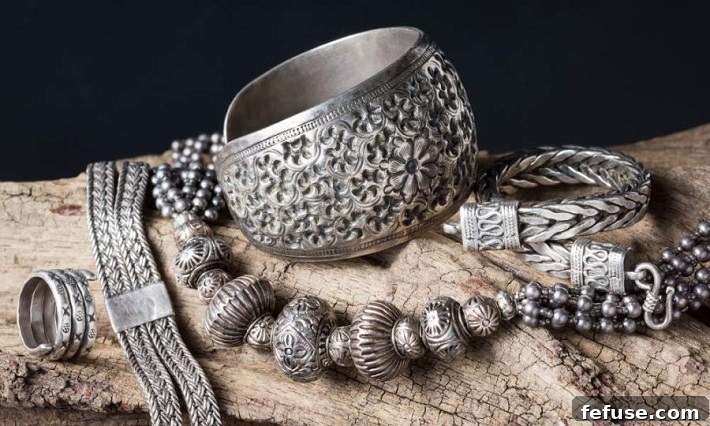
Beyond its industrial might, India has long been celebrated for its exquisite craftsmanship in silver jewellery fabrication, and this sector continued its impressive trajectory. Worldwide jewellery production experienced a commendable 3% rise, reaching 208.7 Moz, with India singularly accounting for the lion’s share of this global uptick. Several favorable factors converged to fuel this momentum, creating a vibrant environment for growth. Foremost among these were significant reductions in silver import duties, which made the raw material more accessible and cost-effective for domestic manufacturers. Concurrently, a resilient rural economy provided a stable and growing consumer base, particularly for traditional and festive purchases. Furthermore, there has been a discernible shift in consumer preference towards higher-purity silver ornaments, driven by evolving tastes and an appreciation for quality. India’s rich cultural heritage, coupled with its skilled artisans and competitive production capabilities, ensures its dominance in this value-added segment of the silver market. The intricate designs, cultural significance, and perceived value of silver jewellery continue to resonate deeply with Indian consumers, ensuring sustained demand and innovation within the sector.
In a truly remarkable display of market individuality, India largely defied prevailing global trends within the silver investment space. While many parts of the world observed a general decline in physical silver investment, India recorded an impressive 21% surge in purchases of silver coins and bars. This exceptional performance was underpinned by a confluence of favorable import conditions and a pervasive sense of optimistic market sentiment among Indian investors. For many, silver represents not just a precious metal but also a tangible asset, a store of wealth, and a hedge against inflation and economic uncertainty. The accessibility of physical silver, combined with cultural affinity and a strong belief in its long-term value, has made it a preferred investment vehicle in the country. This strong domestic demand highlights a unique aspect of the Indian market, where economic prosperity and cultural practices often converge to shape distinct investment patterns, setting it apart from global norms and reinforcing the country’s significant influence on world silver demand. The ease of access, combined with a strong cultural inclination towards tangible assets, continues to bolster this robust demand, indicating a deeply ingrained confidence in silver as a reliable investment avenue.
However, the silver market presented a mixed bag of fortunes, with not all segments thriving uniformly. Global silverware demand, in contrast to the robust growth observed in other areas, experienced a 2% decline, settling at 54.2 Moz and reaching a three-year low. This downturn was notably felt in India, traditionally a major market for silverware, where weaker demand was primarily attributed to elevated price levels. The higher costs significantly dampened consumer purchases, especially within the gifting segment, where silverware often features prominently during festivals, weddings, and special occasions. While silver’s cultural significance in India remains profound, the price sensitivity of consumers for discretionary items like silverware appears to be a critical factor. Economic pressures and changing consumer preferences, perhaps leaning towards more modern or practical alternatives for gifting, could also be contributing to this decline. This particular segment illustrates the delicate balance between cultural tradition, economic realities, and evolving consumer behavior within the diverse Indian market, requiring a nuanced understanding of its dynamics. The decision to purchase silverware often involves significant expenditure, and when prices climb, consumers, particularly those with fixed incomes or facing economic uncertainties, tend to prioritize essential spending.
On the supply side, the global silver market continued to grapple with inherent challenges, struggling to keep pace with escalating demand. While global mine output edged up slightly by under 1%, reaching 819.7 Moz, this modest increase proved insufficient to offset the robust growth in consumption across industrial and jewellery sectors. As a direct consequence, the silver market found itself in a structural deficit for an alarming fourth consecutive year, registering a significant shortfall of 148.9 Moz. This persistent supply-demand imbalance is a critical indicator for the market, suggesting that current production levels are simply not meeting the world’s increasing appetite for silver. Factors contributing to this limited mine output include decreasing ore grades in existing mines, a lack of significant new discoveries, and the high capital expenditure and lengthy timelines associated with developing new mining projects. The consistent deficit signals potential future supply constraints and underscores the pressure on mining companies to increase output, a challenge that is further complicated by environmental regulations and geopolitical considerations. The ongoing deficit is likely to exert upward pressure on prices, reflecting the fundamental economics of scarcity and growing demand from key industries.
Looking ahead, the World Silver Survey 2025 flags several potential headwinds that could influence the market in the coming year. Trade tensions between major global economies and the implications of US tariff policies are cited as factors that could potentially weigh on industrial silver demand, introducing an element of economic uncertainty. These geopolitical and economic challenges could disrupt supply chains, impact manufacturing output, and temper investment in industries that are heavy users of silver. However, despite these potential obstacles, the report also identifies significant buffers that are expected to provide support to the market. Ongoing safe-haven buying, driven by global economic uncertainties and geopolitical instability, is anticipated to persist, with investors seeking the inherent security of precious metals. Furthermore, sustained investor interest in silver as both an inflation hedge and a commodity with strong industrial applications is expected to continue to fuel demand. Reflecting its renewed appeal and robust underlying fundamentals, silver prices experienced a substantial 21% climb in 2024. The bullish momentum generated in the past year is widely expected to extend into 2025, suggesting a continued upward trend for the metal’s value, driven by both industrial necessity and investor confidence in its long-term prospects.
In essence, India’s remarkable performance across both the industrial and jewellery sectors unequivocally positions it as a pivotal player in the continuously evolving global silver landscape. The nation showcases a formidable dual strength, excelling not only in the sheer volume of silver consumption but also in sophisticated, value-added fabrication. This unique combination makes India an indispensable force in the world’s silver economy. Its growing industrial footprint, coupled with its unparalleled cultural connection to silver jewellery, ensures that India’s influence will only deepen. As green technologies and AI continue to expand, driving greater industrial demand, and as domestic consumer markets for precious metals remain robust, India’s strategic significance to the global silver market will become even more pronounced. The country’s dynamic market, innovative manufacturing capabilities, and deep-seated cultural appreciation for silver cement its role as a key influencer of both supply and demand dynamics for years to come, truly making it a global silver powerhouse.