
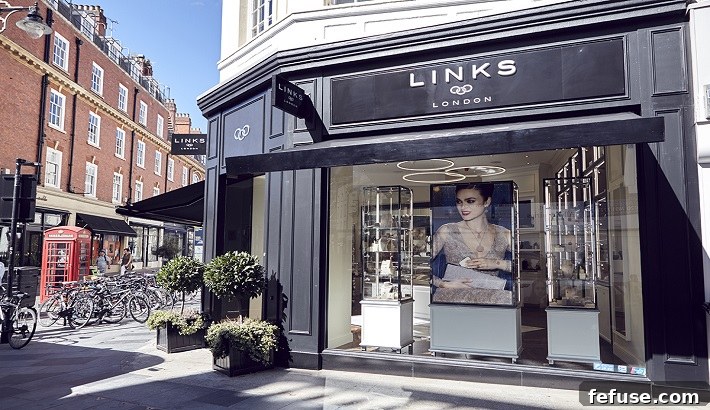
The Final Curtain: Links of London Exits the British High Street
A once-prominent name in British luxury jewellery, Links of London, has officially ceased trading, marking its complete disappearance from the UK’s high streets. After a strenuous battle to find a buyer to rescue the business, the brand’s doors closed for the final time on Thursday, January 9th. This poignant end to an iconic brand underscores the escalating pressures and transformative challenges facing traditional retail in the modern era.
The Unravelling: A Timeline of Links of London’s Demise
The journey towards insolvency for Links of London began in earnest in October of last year. Plagued by persistent and severe cash flow pressures, the company found itself with “no choice” but to call in administrators. While initial hopes flickered that a suitable buyer might emerge to save the business and its heritage, these optimistic outlooks quickly faded as the grim reality of the financial situation became clearer.
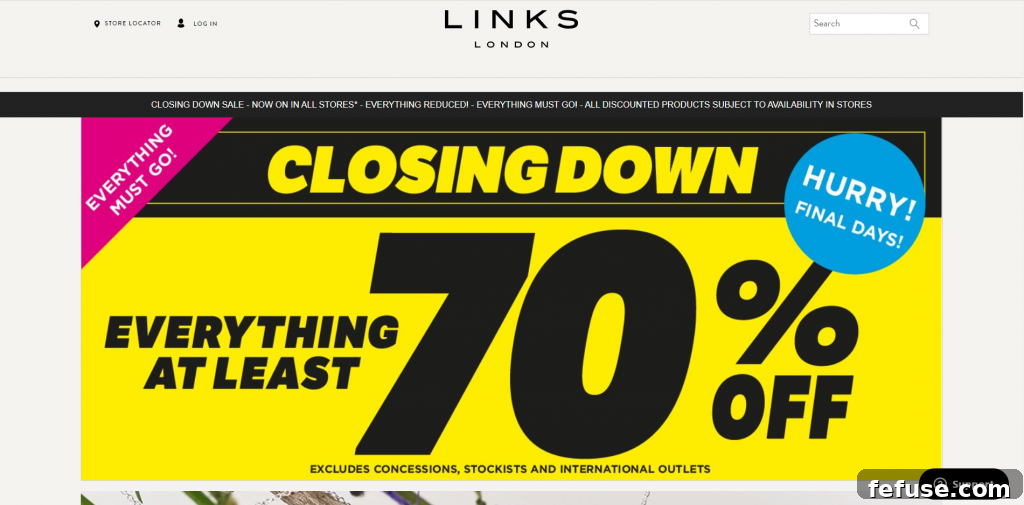
Within a mere few weeks of entering administration, the painful restructuring began. Over 30 dedicated members of staff at the brand’s head office in London were unfortunately let go, signalling the initial wave of job losses. To liquidate remaining assets, all Links of London stores quickly transitioned into an “everything must go” sale, a desperate, last-ditch effort to clear stock. Simultaneously, property advisors were appointed with the unenviable task of helping to sell off the brand’s numerous retail locations.
In its final days, prices were slashed even further in an ultimate bid to clear stock before the shutters came down permanently. The closure impact was widespread, affecting 28 standalone stores across the UK, along with various concessions. It is estimated that this move directly impacted over 300 employees, many of whom are now left to navigate the difficult job market at the beginning of a new year, grappling with the sudden loss of their livelihoods.
A Legacy Remembered: The Rise and Fall of a British Jewellery Icon
Established in 1990 by Annoushka Ducas and John Ayton, Links of London rapidly ascended to become a beloved name in the British jewellery scene. The brand distinguished itself with its quintessentially British design aesthetic, offering a range of accessible luxury items that resonated with a broad customer base. Its iconic Sweetie bracelets, adorned with an eclectic array of charms, became a signature piece, symbolising personal milestones and individual style for countless wearers. Beyond charms, Links of London was celebrated for its elegant watches, cufflinks, and sophisticated silver and gold jewellery collections.
The brand’s success was built on a foundation of quality craftsmanship, contemporary design, and an approachable luxury appeal that made it a go-to destination for gifts and personal indulgences. Its physical presence on high streets across the country provided a tangible shopping experience, allowing customers to explore and connect with the products. The demise of such a well-established and recognisable brand is more than just a business failure; it represents the loss of a significant chapter in British retail history and a brand that once defined a particular era of personal adornment.
The Shadow of Scandal: How Folli Follie Contributed to the Downfall
While the general turbulence of the high street undoubtedly played a role in Links of London’s collapse, its troubles were severely exacerbated by a major financial scandal involving its parent company, the Greek jewellery and accessories group Folli Follie. Folli Follie acquired Links of London in 2006, and its subsequent corporate misdeeds cast a long, destructive shadow over the British brand.
The scandal erupted in 2018 when a hedge fund raised serious allegations that Folli Follie had vastly overstated its sales and financial figures. Subsequent investigations uncovered widespread accounting irregularities, including the fabrication of companies and the inflation of revenue reports, leading to a dramatic loss of investor confidence and a significant drop in its share price. This corporate malfeasance culminated in serious charges being filed against 16 executives, including members of the founding family, for various offences ranging from fraud to market manipulation.
This profound corporate instability within its parent company proved catastrophic for Links of London. The pervasive financial misconduct at Folli Follie meant a severe lack of crucial investment, strategic direction, and operational support precisely when Links of London was navigating its own market challenges. Already struggling with internal cash flow issues, the British brand became inextricably entangled in the fallout of its parent company’s egregious actions, making any potential turnaround or rescue operation almost insurmountable. The immense reputational damage and the diversion of resources to manage the scandal undoubtedly starved Links of London of the vital lifelines it desperately needed to survive and thrive.
A Broader Crisis: Links of London Joins Other High Street Casualties
Links of London’s closure is far from an isolated incident; it is a stark illustration of a much larger, ongoing crisis engulfing the British high street. The same week witnessed other significant retail casualties, underscoring the severity and widespread nature of the challenges facing the sector. Mothercare, another historic British retail institution, completed the closure of all its UK stores, while department store giant Debenhams announced the shuttering of 19 of its outlets as part of a broader restructuring effort to prevent its own collapse.
The retail landscape has undergone a seismic transformation over the past decade. Traditional brick-and-mortar stores, particularly those in the jewellery and luxury sectors, have struggled immensely to adapt to the rapid evolution of consumer shopping habits. The relentless rise of e-commerce has fundamentally reshaped how people discover, research, and purchase products, offering unparalleled convenience, often more competitive pricing, and an almost infinite array of choices that physical stores find increasingly difficult to match.
Furthermore, shifting consumer preferences towards experiential retail, ethical sourcing, sustainability, and personalised services have left many conventional retailers scrambling to redefine their value proposition. Compounding these issues are persistent economic uncertainties, including the ongoing impact of Brexit, rising business rates, increasing operational costs, and fluctuating consumer confidence, all of which continue to tighten the financial squeeze on already fragile balance sheets across the retail spectrum.
The Ripple Effect: Crucial Warnings for the Jewellery Industry
The dramatic demise of Links of London has sent palpable shockwaves throughout the wider jewellery industry, prompting a period of intense introspection and a renewed sense of urgency among businesses. Many within the sector have openly expressed that the story hits “too close to home,” a sentiment that powerfully underscores the precarious nature of even well-established and beloved brands in the current volatile economic and retail climate.
This incident serves as a stark and unequivocal warning that no business, regardless of its historical success, brand strength, or perceived market position, is entirely immune to the powerful forces of market change, evolving consumer behaviour, or, critically, catastrophic corporate governance failures. For independent jewellers, small boutiques, and larger established brands alike, the message emanating from Links of London’s failure is crystal clear: adaptability, robust financial management, and a deep, proactive understanding of the evolving consumer landscape are not merely desirable attributes but absolute prerequisites for long-term survival.
Key lessons emerging from this significant collapse include the critical importance of developing and executing a comprehensive omnichannel strategy, seamlessly integrating online and offline retail experiences to meet customers wherever they are. Brands must invest significantly in their digital presence, leveraging sophisticated e-commerce platforms, engaging social media strategies, and advanced data analytics to effectively reach, interact with, and retain modern consumers. Moreover, maintaining stringent financial oversight, transparent corporate governance, and ethical business practices is not just a regulatory obligation but a fundamental pillar for building trust, ensuring long-term stability, and securing investor confidence, a lesson tragically highlighted by the Folli Follie debacle.
In an increasingly competitive landscape where price is no longer the sole determinant of success, the emphasis on cultivating a unique brand identity, authentic storytelling, and delivering consistently exceptional customer service becomes even more paramount. Jewellers across the UK are now vowing to redouble their efforts to innovate, streamline operational efficiencies, and reinforce their distinct value propositions to safeguard their own futures against similar fates.
The Future of Luxury Retail: Adapting to Survive and Thrive
The departure of Links of London from the British high street is more than just the failure of a single brand; it is a poignant chapter in the ongoing, complex narrative of transformation within the luxury retail sector. While the challenges confronting traditional retailers are undeniably formidable, the future is not entirely without hope. Brands that are successfully navigating this turbulent environment are those demonstrating remarkable agility, embracing continuous innovation, investing heavily in personalised customer experiences, and adopting flexible, resilient business models.
The growing trend of conscious consumerism means that brands championing strong ethical sourcing, sustainable practices, and transparent supply chains are increasingly gaining favour and loyalty among discerning customers. Technology, ranging from immersive virtual try-on experiences to advanced augmented reality shopping applications, is also opening up entirely new and exciting avenues for customer engagement and product discovery. For the British high street to not only survive but truly thrive, it must strategically evolve into vibrant destinations offering unique experiences, serving as community hubs, and providing curated product selections that simply cannot be replicated by online-only platforms.
Links of London’s ultimate fate serves as a powerful and sobering cautionary tale, starkly illustrating the brutal realities of modern retail. Its disappearance from the high street urges all businesses, particularly those operating within the luxury sector, to continuously re-evaluate their strategies, diligently strengthen their foundational structures, and remain acutely attuned to the ever-shifting desires, demands, and expectations of the contemporary consumer if they wish to endure and prosper.
News Source: professionaljeweller