
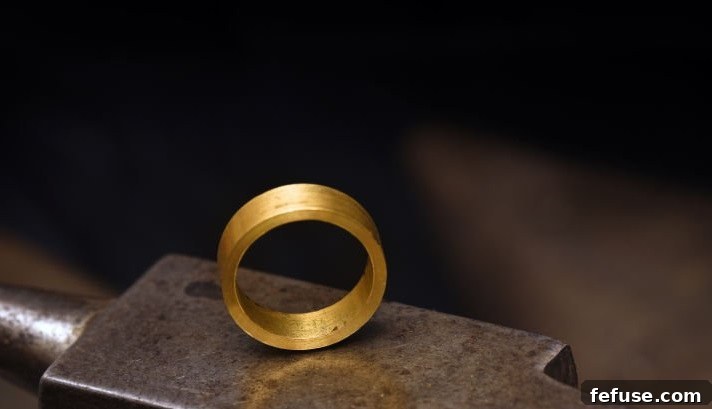
The bustling city of Surat, renowned globally as the epicenter of diamond cutting and polishing, is currently witnessing a significant strategic transformation within its core industry. Faced with a persistent decline in the global demand for polished diamonds, an increasing number of diamond processing businesses in Surat are demonstrating remarkable resilience and adaptability by pivoting their operations towards the burgeoning field of gold jewelry manufacturing. This strategic shift is not merely a reactive measure but a proactive move to tap into a rapidly expanding consumer interest in gold jewelry, both within India’s robust domestic market and across lucrative international landscapes.
This pivotal industrial evolution has been meticulously observed and articulated by key industry leaders. Vipul Shah, the esteemed Chairman of the Gem & Jewellery Export Promotion Council (GJEPC), shed light on the underlying dynamics driving this crucial diversification. He explained, “The units have gradually started doing job work in jewellery manufacturing. With increasing demand for jewelry globally, they are leveraging this opportunity while also keeping their workforce engaged.” This statement underscores a dual benefit: capitalizing on a growing market segment while simultaneously safeguarding the livelihoods of a highly skilled workforce, a critical aspect for the socio-economic stability of the region.
The Diamond Sector’s Shifting Sands: Understanding the Decline
For decades, Surat has been synonymous with the intricate art of diamond processing, handling an overwhelming majority of the world’s rough diamonds. However, recent global economic headwinds have cast a shadow over this once-unshakable dominance. The decline in demand for polished diamonds is multifaceted, stemming from a confluence of factors including global economic slowdowns, inflationary pressures impacting discretionary luxury spending, and evolving consumer preferences. Consumers, particularly in Western markets, have become more cautious with their expenditures on high-value luxury items, leading to a noticeable contraction in the market for natural polished diamonds. Furthermore, the rise of lab-grown diamonds, offering an ethically sourced and often more affordable alternative, has introduced a new competitive dynamic that traditional natural diamond producers must contend with. These combined pressures have translated into tangible challenges for Surat’s diamond units, including reduced orders, underutilized capacity, and immense pressure on profit margins.
Statistical data from the GJEPC paints a stark picture of this downturn. From April to November of the current fiscal year, exports of polished diamonds from India plummeted by a significant 19%. This substantial drop highlights the urgency and necessity for Surat’s industry to explore new avenues for growth and sustainability. The ramifications extend beyond mere financial figures, impacting the thousands of highly skilled artisans, cutters, polishers, and auxiliary workers whose livelihoods depend on the vibrancy of the diamond sector. Thus, the pivot to gold jewelry manufacturing is not just a business strategy; it is a critical measure for economic survival and workforce preservation.
The Golden Opportunity: Why Gold Jewelry?
While the diamond sector faces headwinds, the gold jewelry market presents a gleaming opportunity. Gold has an intrinsic cultural and economic significance in India, deeply interwoven with traditions, festivals, and investment practices. India’s domestic demand for gold jewelry remains robust, driven by a growing middle class, traditional wedding ceremonies, and its perceived value as a hedge against inflation. Beyond national borders, the international demand for gold jewelry has also experienced a notable resurgence. This global appetite is fueled by several factors: gold’s enduring appeal as a symbol of luxury and wealth, its status as a safe-haven asset, and evolving fashion trends that increasingly incorporate elaborate gold designs. Markets in North America, the Middle East, Southeast Asia, and Europe are all contributing to this upward trajectory, creating fertile ground for expansion.
The immediate benefits of this strategic diversification are already evident in export figures. In stark contrast to the diamond sector’s decline, exports of studded gold jewelry surged by over 14% during the same April-November period. This category often includes intricate designs incorporating both gold and various precious or semi-precious stones, including smaller diamonds. Furthermore, plain gold jewelry exports, a testament to the timeless appeal of pure gold craftsmanship, also experienced healthy growth of nearly 2.5%. These positive indicators validate the industry’s foresight in reorienting its focus and underscore the immense potential that lies within the gold jewelry segment.
Leveraging Expertise: Surat’s Adaptability in Action
Surat’s diamond processing units are uniquely positioned to make this transition successfully. The city boasts a vast pool of skilled artisans and technicians whose precision, attention to detail, and expertise in cutting, polishing, and finishing precious materials are highly transferable to gold jewelry manufacturing. While diamond cutting is specialized, many foundational skills – such as intricate metalwork, stone setting, design conceptualization, and quality control – are directly applicable. Units can leverage existing infrastructure, albeit with some retooling and investment in new machinery specific to gold processing, casting, and advanced finishing techniques. This inherent advantage minimizes the learning curve and allows for a relatively swift pivot, ensuring business continuity and maintaining employment levels.
According to industry estimates, approximately 10% of Surat’s impressive 5,000 diamond processing units have already diversified their operations into jewelry production. This initial wave of transition, while seemingly a small percentage, represents a significant movement within a highly specialized industry. It signifies a collective recognition of the changing market dynamics and a proactive embrace of new opportunities. This figure is also expected to grow as more units witness the success of their pioneering counterparts and as market demand for gold jewelry continues its upward trend. The GJEPC, along with other industry bodies, plays a crucial role in facilitating this transition through various initiatives, including skill development programs, market intelligence sharing, and promoting export opportunities for gold jewelry manufacturers.
Beyond Numbers: The Broader Impact of Diversification
The strategic diversification of Surat’s diamond industry into gold jewelry manufacturing extends far beyond mitigating immediate losses in the diamond sector. It represents a profound shift that bolsters the overall resilience and global competitiveness of India’s gem and jewelry industry. By expanding its manufacturing capabilities to encompass a broader spectrum of precious materials, Surat is enhancing its value proposition on the international stage. This move allows India to capture a larger share of the global jewelry market, offering a comprehensive range of products from raw materials to exquisitely finished pieces.
Crucially, this pivot also creates opportunities for higher value addition within the domestic economy. Instead of solely focusing on processing an imported raw material (rough diamonds), the industry is now actively involved in creating finished, high-value consumer goods that cater to both domestic and international tastes. This not only boosts export revenues but also stimulates innovation in design, manufacturing processes, and branding. Surat’s units are increasingly investing in modern technologies like CAD/CAM (Computer-Aided Design/Computer-Aided Manufacturing) for intricate jewelry designs, advanced casting techniques, and automated finishing systems, further cementing its position as a modern manufacturing hub.
Furthermore, the engagement of the existing workforce in new production lines is a testament to the industry’s commitment to its people. Retraining programs and upskilling initiatives are essential to ensure that diamond polishers can transition into skilled jewelers, designers, or quality controllers for gold jewelry. This proactive approach prevents potential unemployment, retains valuable artisanal knowledge within the region, and cultivates a more versatile and adaptable labor pool capable of responding to future market shifts. This adaptability is vital for Surat to maintain its reputation as a dynamic and responsive global gem and jewelry center.
Challenges and a Glimmering Future
While the opportunities are vast, the transition is not without its challenges. Establishing new supply chains for gold, acquiring specialized machinery, developing advanced design capabilities tailored to diverse global aesthetics, and navigating the complexities of international branding and marketing for jewelry products require significant investment and strategic planning. Competition in the global gold jewelry market is fierce, necessitating continuous innovation, impeccable quality control, and robust marketing strategies to carve out a distinct niche.
Nevertheless, the future for Surat’s diversified gem and jewelry industry appears promising. With governmental support, industry body guidance, and the inherent entrepreneurial spirit of its business community, Surat is well-positioned to evolve from primarily being the “Diamond City” to a more comprehensive “Jewelry Hub” for the world. This diversification strategy is a testament to the resilience and forward-thinking nature of Surat’s renowned gem industry, adeptly navigating evolving market dynamics and ensuring its continued prominence in the global luxury goods sector. As the world continues to cherish the timeless allure of gold, Surat’s embrace of gold jewelry manufacturing ensures its radiant future in the global marketplace.