Lab-Grown Diamond Pioneer Lusix Seeks Protection Amidst Market Turmoil
The burgeoning lab-grown diamond industry, once hailed for its disruptive potential and rapid growth, is currently navigating significant turbulence. A stark illustration of these challenges comes from Lusix, the innovative company behind “Sun Grown Diamonds,” which has recently sought court protection from creditors. This pivotal move underscores a broader trend of plunging prices and an increasingly competitive landscape affecting the entire synthetic diamond sector, prompting serious questions about its future trajectory and sustainability.
The Visionary Genesis of Lusix: Bringing Diamond Leadership Back to Israel
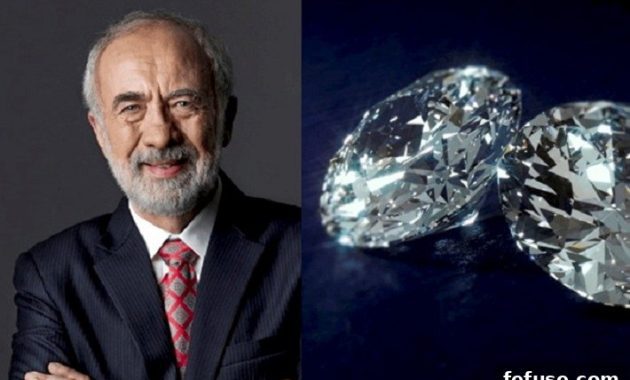
Lusix was founded in 2016 by the renowned Israeli billionaire Benny Landa, a figure often celebrated as the “father of commercial digital printing.” Landa’s formidable entrepreneurial prowess was cemented when he sold his pioneering company, Indigo, to HP for a staggering $830 million. With that success, he turned his sights to the diamond industry, bringing his innovative spirit and substantial capital to the nascent lab-grown diamond market. His objective for Lusix was clear and ambitious: to re-establish Israel’s leadership in the global diamond sector, leveraging cutting-edge technology to produce high-quality, sustainable alternatives to natural diamonds.
The company quickly positioned itself as a key player, attracting significant attention and investment. This culminated in a substantial $90 million funding round in 2022, notably led by the luxury conglomerate LVMH. Such backing from a titan in the luxury goods sector not only provided critical capital but also served as a powerful validation of Lusix’s innovative approach and perceived market potential. Benny Landa himself further demonstrated his profound belief in the company’s mission, having personally invested approximately $60 million of his own wealth into Lusix, painting a picture of a robust and promising enterprise poised for enduring success in the jewelry industry.
Mounting Financial Pressures: Debt, Insolvency Threats, and a Crucial Merger
Despite its impressive backing and innovative foundation, Lusix now finds itself in a precarious financial situation. The company reportedly carries approximately $28 million in debt and has formally requested a stay of proceedings from an Israeli court, a critical step in fending off the immediate threat of insolvency. This request highlights the urgency of its predicament, as the company seeks a temporary reprieve to stabilize its operations and strategize for its future amidst challenging market conditions.
According to reports from the business news website Ctech, Lusix has informed the court that it requires a period of six weeks to finalize a crucial merger. This proposed merger is positioned as the linchpin of its strategy to secure its long-term future, suggesting that a significant consolidation or strategic partnership is deemed essential for survival in the current climate. The success of this merger will likely determine whether Lusix can overcome its present challenges and continue its operations, potentially under new ownership or within a larger corporate structure, navigating the choppy waters of the diamond market.
The Primary Culprits: A 90% Price Plunge, Market Saturation, and Post-Pandemic Effects
In its formal plea to the court, Lusix explicitly attributes its current struggles to a confluence of severe adverse market conditions. Foremost among these is an astonishing 90 percent drop in lab-grown diamond prices. This dramatic deflation underscores a severe imbalance between supply and demand, a problem that has been escalating across the entire sector. What was once a high-margin business has rapidly transformed into a challenging environment where profitability is increasingly elusive due to intensified competition and widespread price erosion.
The company also cites a “crowded marketplace” as a significant contributing factor. The initial success and immense promise of sustainable diamond production attracted a multitude of new entrants globally, leading to an oversupply that has further intensified competition and driven prices down. This market saturation has made it exceedingly difficult for even established players like Lusix to maintain market share and healthy profit margins. Furthermore, the lingering economic repercussions of the Covid-19 pandemic continue to exert pressure on consumer spending, particularly in the discretionary luxury goods segment, thereby exacerbating the demand-side challenges faced by the global jewelry market.
Benny Landa’s Perspective: Pride Amidst Adversity and Hope for a New Path
Commenting on the challenging situation, Benny Landa, chairman of Lusix, expressed a blend of profound pride and realistic acknowledgment of the difficulties the company faces. He conveyed to Ctech, “Lusix was established to bring the leadership of the diamond sector back to Israel. There is no shame in trying and reaching this situation.” His words reflect a founder’s deep emotional investment and unwavering commitment to the original vision, even in the face of significant setbacks that might deter others. Landa added, “I am very proud of the company and hope that it will succeed in embarking on a new path,” signalling his enduring optimism for Lusix’s potential to reinvent itself and emerge stronger from its current predicament.
Operational Impact: Temporary Closure and Staff Reductions
The immediate and palpable consequences of Lusix’s financial distress are evident in its operational adjustments. The company has temporarily closed its state-of-the-art factory located in Modi’in, central Israel, a decision that directly impacts its production capabilities and workforce. Of its 90 dedicated staff members, a substantial 60 have been placed on unpaid leave, a harsh reality for individuals working in a sector that was once a beacon of innovation and rapid growth. These drastic measures highlight the severe cost-cutting initiatives being undertaken to conserve vital capital and navigate through the current crisis, aiming to ensure the company’s survival and pave the way for a potential recovery following the proposed merger.
Broader Implications for the Lab-Grown Diamond Industry’s Future
Lusix’s predicament is not an isolated incident but rather a significant indicator of the evolving and often turbulent landscape within the broader lab-grown diamond industry. The rapid decline in prices, primarily driven by technological advancements making production cheaper and an influx of new manufacturers, poses a critical challenge to the long-term profitability and sustainability of many companies in this space. While proponents of synthetic diamonds often highlight their ethical sourcing, transparency, and environmental benefits, the economic reality of oversupply and intense price competition is forcing a fundamental re-evaluation of business models across the sector.
This situation could herald a period of significant consolidation within the industry. Smaller, less capitalized players may struggle to survive independently, while larger entities with stronger financial foundations or unique technological advantages might acquire distressed assets or engage in strategic mergers to create more resilient and competitive businesses. The market may eventually mature into one dominated by fewer, but larger, highly efficient producers. Furthermore, a renewed focus on differentiation beyond just price – perhaps through unique cuts, colours, specific sustainability certifications, or bespoke design services – could become crucial for companies seeking to thrive and maintain value in an increasingly commoditized market.
The future success of lab-grown diamonds will also heavily depend on sustained and sophisticated marketing efforts aimed at educating consumers and building strong brand loyalty. While initial messaging often focused on price advantage and ethical sourcing, the industry now faces the nuanced challenge of demonstrating intrinsic value and desirability as prices continue to plummet. This involves not only showcasing the scientific marvel of man-made diamonds but also creating emotional connections that mirror those traditionally associated with natural diamonds, positioning them as a distinct and desirable category of fine jewelry.
Comparing Natural vs. Lab-Grown Diamond Markets: Diverging Paths
The struggles faced by Lusix and the broader lab-grown diamond market stand in stark contrast to the relatively stable, albeit evolving, natural diamond sector. While natural diamonds also confront their own set of challenges, including geopolitical factors, ethical sourcing debates, and shifting consumer preferences, their value proposition has historically been underpinned by rarity, natural origin, and a deeply ingrained perception of luxury, heritage, and enduring value. The price stability of natural diamonds, especially high-quality ones, has largely been maintained due to controlled supply and strong, cohesive marketing by established industry players.
The sharp decline in LGD prices has, in some ways, created a clearer distinction between the two product categories. Lab-grown diamonds are increasingly viewed as a separate category of fine jewelry, offering an accessible, ethical, and technologically advanced alternative, rather than a direct replacement for natural diamonds in all contexts. This divergence may ultimately benefit both markets by allowing each to cater to distinct consumer segments with unique priorities and purchasing power. However, it also means that lab-grown diamond companies must redefine their value proposition and carefully manage consumer expectations regarding long-term value and resale potential, areas where natural diamonds have traditionally held a significant advantage.
A Path Forward: Innovation, Consolidation, and Strategic Rebranding
For Lusix, the coming weeks are unequivocally critical. The proposed merger represents a potential lifeline, allowing the company to restructure its operations, consolidate its debt, and potentially gain access to new capital or expanded market channels. Beyond this immediate solution, the long-term viability of Lusix, and indeed the entire lab-grown diamond industry, will hinge on several interconnected factors:
- Technological Innovation: Continuous investment in research and development will be essential to further reduce production costs, improve quality, and introduce novel characteristics, such as larger stones or unique colours, at scale.
- Market Consolidation: The industry is highly likely to witness more mergers and acquisitions as companies seek economies of scale, stronger market positions, and greater resilience against price fluctuations.
- Strategic Branding and Marketing: Moving beyond simple price competition to emphasize unique selling points such as proven sustainability, transparent ethical sourcing, and the technological marvel of their creation. Building strong, distinct brands that resonate with specific consumer desires will be paramount.
- Diversification of Applications: Exploring new applications for synthetic diamonds beyond jewelry, such as in industrial uses, advanced electronics, or quantum computing, where their unique physical properties can command significantly higher value and open new revenue streams.
Benny Landa’s initial vision for Lusix was both bold and forward-thinking, embodying the spirit of innovation. While the company faces formidable challenges today, its journey reflects the inherent risks and substantial rewards of pioneering new industries. The outcome of Lusix’s current restructuring efforts will not only shape its own future but also offer valuable insights into the resilience, adaptability, and evolving dynamics of the global lab-grown diamond market.
The diamond industry as a whole, encompassing both natural and man-made stones, remains a fascinating and complex sector, constantly adapting to rapid technological advancements, significant economic shifts, and ever-changing consumer values. Lusix’s story is a compelling testament to the fact that even the most brilliant innovations require robust business models, strategic adaptability, and effective market positioning to withstand the relentless pressures of a rapidly evolving global marketplace.