
Thailand’s Vision: Becoming a Global Gemstone and Jewellery Hub
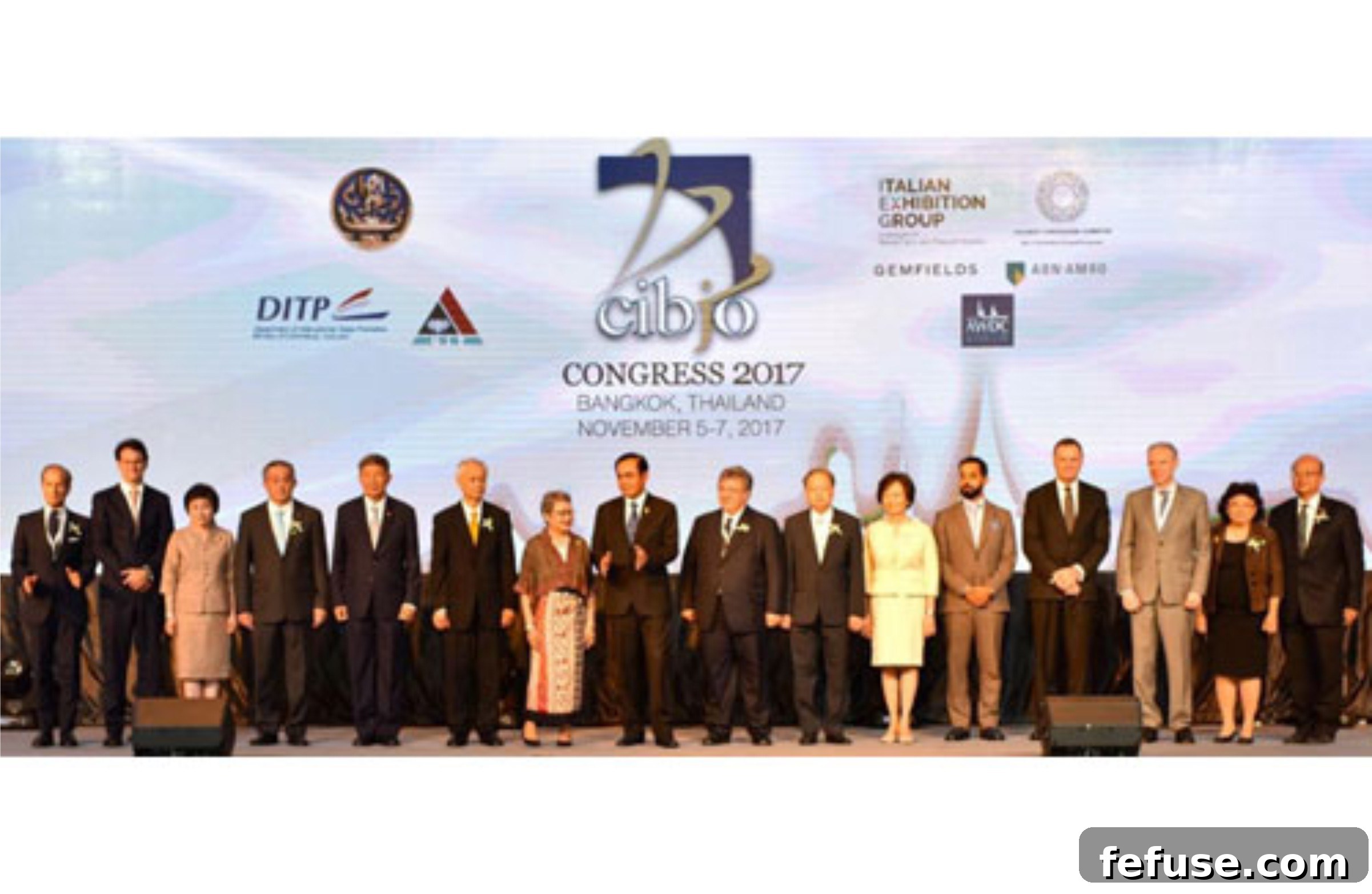
Thailand is strategically positioning itself to emerge as a preeminent global hub for the gemstone and jewellery industry within the next five years. This ambitious vision was articulated by General Prayut Chan-o-cha, the Prime Minister of Thailand, during his address at the official inaugural session of the CIBJO Congress 2017. The Prime Minister’s declaration underscored his government’s steadfast commitment to fostering significant growth and international recognition for this vital sector.
The gemstone and jewellery industry already stands as a cornerstone of the Thai economy, providing employment for over 700,000 individuals and generating an impressive annual revenue exceeding seven billion dollars. This substantial contribution highlights the industry’s existing strength and its immense potential for further expansion and development on the global stage.
Government Initiatives Paving the Way for Growth
The Thai government, under the leadership of Prime Minister Prayut Chan-o-cha, has pledged comprehensive support to facilitate the accelerated growth and development of the industry. This commitment translates into a multi-faceted approach, encompassing a range of strategic initiatives designed to bolster every aspect of the sector. These measures are not isolated but are deeply integrated into the government’s broader economic blueprints, including the flagship Eastern Economic Corridor (EEC) and Thailand 4.0 policies, signifying their national importance.
Driving Economic Development Through Strategic Policies
Among the key initiatives outlined are significant tax and financial incentives aimed at attracting both domestic and foreign investment. These incentives could include reduced import duties on raw materials, export tax exemptions, and investment promotion privileges for companies establishing or expanding their operations within Thailand. Such measures are crucial for enhancing the industry’s competitiveness, reducing operational costs, and stimulating innovation.
Beyond fiscal support, the government is committed to commercial development. This involves proactive market access strategies, participation in international trade fairs, and the promotion of Thai-made gemstones and jewellery on a global scale. The goal is to open new markets and strengthen existing trade relationships, ensuring that Thai products reach a wider international consumer base.
Synergy with Tourism and Upholding Quality Standards
A notable aspect of the government’s strategy is greater coordination with the burgeoning tourism industry. By integrating gemstone and jewellery shopping experiences into tourist itineraries, Thailand aims to create a unique value proposition. This could involve promoting visits to gem markets, design studios, and manufacturing facilities, thereby enriching the tourist experience while simultaneously driving sales and appreciation for Thai craftsmanship. This symbiotic relationship between tourism and the gem industry offers a powerful avenue for growth and cultural promotion.
Crucially, the government is also taking proactive steps to raise quality standards across the industry and boost consumer confidence. This involves implementing stringent certification processes, promoting best practices in manufacturing, and fostering a culture of excellence. In an increasingly discerning global market, ensuring the authenticity, quality, and ethical sourcing of products is paramount to maintaining and enhancing Thailand’s reputation as a reliable and trusted supplier.
The presence of key government officials, including Mrs. Apiradi Tantraporn, Thailand’s Minister of Commerce, and Mr. Sontirat Sontijirawong, the country’s Deputy Minister of Commerce, at the CIBJO Congress opening session, further underlined the high-level governmental backing for this industry transformation.
CIBJO’s Endorsement and the Importance of Ethical Practices
The CIBJO Congress served as a powerful platform for international recognition and support for Thailand’s vision. Addressing the session, CIBJO President Gaetano Cavalieri expressed strong endorsement, stating, “CIBJO is strongly supportive of the strengthening and growth of the Thai gemstone and jewellery centre, for we believe that it should a foundation stone of the development of our business in Southeast Asia and beyond.” This statement highlights Thailand’s strategic importance not just regionally, but globally, as a crucial node in the international gem and jewellery trade network.
Thailand’s Existing Strengths and Regional Gateway Status
Cavalieri further elaborated on Thailand’s impressive contributions to the global market, noting that the coloured gemstone trade from Thailand alone brings in revenues of approximately $670 million. This figure represents about 12 per cent of total world sales in this category, underscoring Thailand’s significant role as a specialist in coloured gemstones. Beyond its internal production and trade, Thailand also serves as a critical entry point into the ASEAN Economic Community (AEC), a colossal market comprising 625 million people with a collective GDP worth an estimated $2.5 trillion. This position grants Thailand unparalleled access to a vast and growing consumer base, making it an indispensable gateway for businesses looking to penetrate the Southeast Asian market.
Call for World-Class Infrastructure and Ethical Leadership
Recognizing the immense potential, Cavalieri urged the Thai government to further facilitate the development of the trade by investing in and creating advanced infrastructure. He specifically advocated for the establishment of “an all-service gemstone and jewellery trading and production centre with a world-class business infrastructure.” Such a centre would centralize services, streamline operations, and provide cutting-edge facilities, thereby enhancing efficiency and attracting more international players to Thailand.
Beyond physical infrastructure, Cavalieri placed a strong emphasis on the qualitative aspects of the industry. He stressed the importance of ensuring that Thailand is “recognised as a centre that complies with ethical business practices, where the principles of transparency, traceability, Corporate Social Responsibility and sustainability are of primary importance.” In an era where consumers are increasingly conscious of the origins and ethical implications of their purchases, adherence to these principles is not merely a moral obligation but a competitive necessity. By championing ethical sourcing, fair labor practices, and environmental stewardship, Thailand can solidify its reputation as a responsible and trustworthy leader in the global gemstone and jewellery market, attracting discerning customers and partners alike.
The Path Forward: Opportunities and Challenges
Thailand’s ambition to become a global gemstone and jewellery hub is bolstered by its rich heritage in craftsmanship, strategic geographical location, and robust governmental support. However, achieving this vision will also involve navigating various opportunities and challenges inherent in the dynamic global market.
Leveraging Digital Transformation and Evolving Consumer Trends
One significant opportunity lies in embracing digital transformation. The industry can leverage e-commerce platforms, digital marketing, and virtual reality tools to showcase Thai products to a global audience, expanding reach beyond traditional brick-and-mortar stores. Furthermore, understanding and adapting to evolving consumer preferences, such as the demand for personalized jewellery, sustainable materials, and storytelling behind each piece, will be crucial. Thailand’s ability to innovate in design, incorporate new technologies like 3D printing, and offer unique cultural narratives in its products will be key differentiators.
Addressing Supply Chain Resilience and Skill Development
Challenges may include ensuring a resilient supply chain for raw materials, as many precious stones are sourced internationally. Diversifying sourcing channels and establishing strong international partnerships will be essential. Moreover, continuous investment in skill development and training for the local workforce will be vital to maintain and elevate the craftsmanship that Thai artisans are renowned for. This includes training in advanced cutting techniques, modern jewellery design, and gemmological expertise to ensure Thailand remains at the forefront of innovation and quality.
The synergy between governmental policies – such as those under the Eastern Economic Corridor, which aims to transform Thailand into a high-tech and innovation-driven economy, and Thailand 4.0, which promotes value-based and innovation-driven economic development – and the proactive engagement of industry bodies like CIBJO creates a powerful impetus for growth. These frameworks provide the necessary infrastructure, regulatory environment, and promotional support for the gemstone and jewellery sector to thrive.
Conclusion: A Bright Future for Thailand’s Gemstone Industry
The vision outlined by Prime Minister Prayut Chan-o-cha, supported by the comprehensive initiatives of the Thai government and the enthusiastic backing of international bodies like CIBJO, paints a promising future for Thailand’s gemstone and jewellery industry. By focusing on investment incentives, commercial development, integration with tourism, stringent quality control, and a strong commitment to ethical practices, Thailand is strategically positioning itself not just as a manufacturing base, but as a leading global centre for innovation, trade, and responsible business in the world of precious stones and exquisite adornments. The next five years are set to be transformative, solidifying Thailand’s status as a beacon of excellence and a crucial player in the international gem and jewellery market.